Trapped in a War He Cannot Win: What Trump Might Do When Losing in Iran - Beginner's 101 Guide to Trump's Psychology
Executive Summary
America started a war with Iran on February 28th, 2026.
The goal was to destroy Iran's weapons, remove its leaders, and make sure Iran could never build a nuclear bomb.
But after three weeks, the war is not going as planned.
Iran is still fighting. The cost is enormous. And now the world is asking a very important question: what will Trump do when he realizes he is not winning?
Introduction: The Man Who Hates Losing
Imagine a basketball coach who tells everyone his team will win by 50 points. Then, at halftime, his team is behind.
He doesn't quietly change his plan. He screams louder. He blames the referees. He doubles down on strategies that are not working.
That is a useful way to understand Donald Trump's approach to the Iran war.
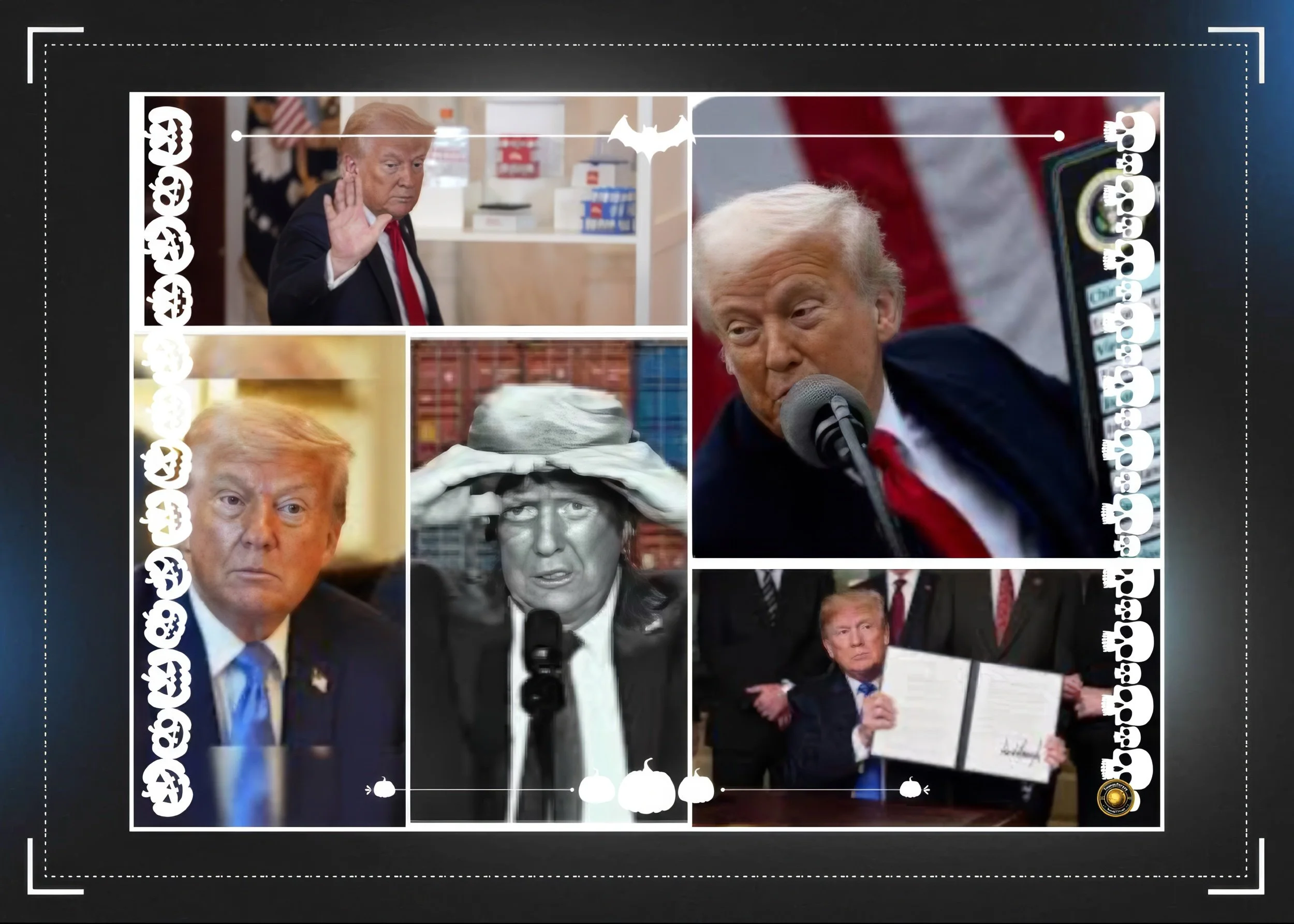
Trump built his entire career — in business and in politics — on the idea that he always wins.
He wrote a book called The Art of the Deal. He ran for president twice promising to be the ultimate winner.
When he loses, he does not accept it quietly. He finds ways to declare victory or he escalates the conflict to avoid looking like a loser.
Now, trapped in a war in Iran that is not going the way he planned, the world is watching to see which path he takes.
History: How America Got into This War
To understand the present problem, we need to go back a few years. In 2015, the world signed a nuclear deal with Iran.
This deal said Iran would limit its nuclear program, and in exchange, economic sanctions would be eased. Trump hated this deal.
In 2018, he pulled America out of it.
After Trump left the deal, Iran slowly started doing more nuclear activities. It enriched more uranium — the material needed to build a nuclear weapon.
By the time Trump came back to the White House in 2025, Iran had enough enriched uranium to potentially build several nuclear bombs within weeks.
In June 2025, Israel launched what became known as the "12-Day War," attacking Iranian nuclear sites with American intelligence support. This set Iran's nuclear program back a little — but only by about two years.
The problem was not solved.
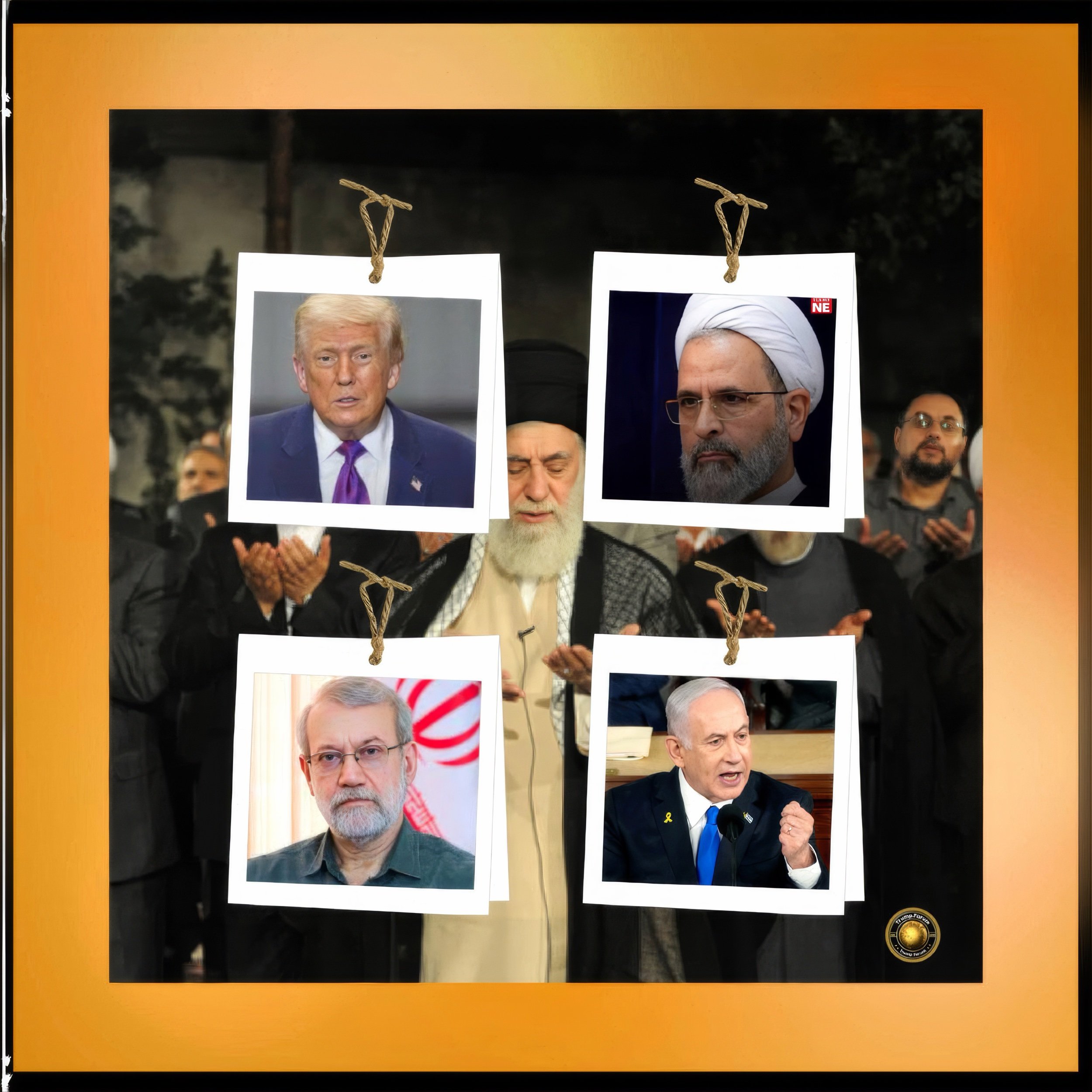
By February 2026, diplomacy had failed. Trump sent a letter to Iran's supreme leader, threatening military action if Iran didn't cooperate. Iran refused to stop all uranium enrichment.
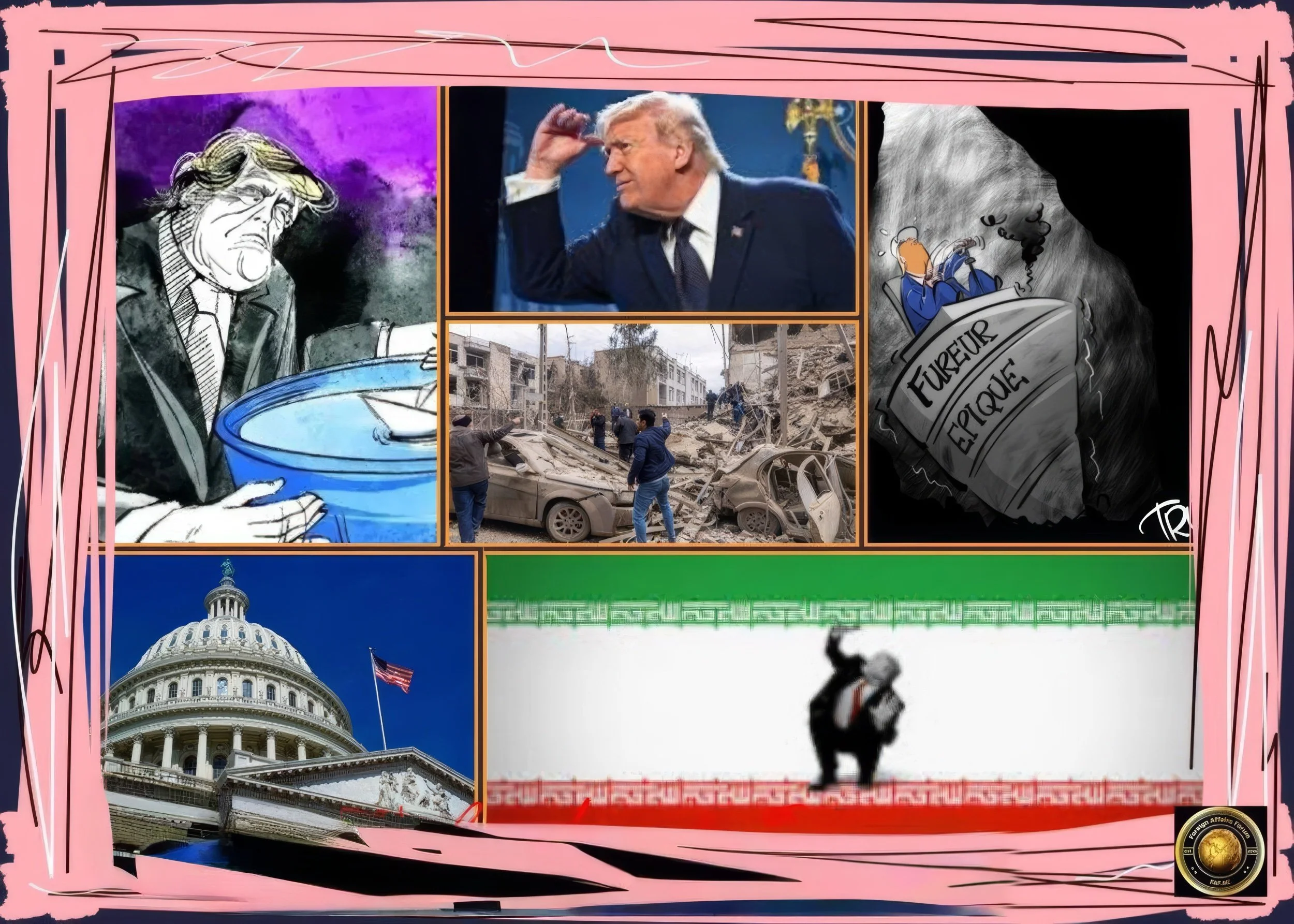
And on February 28th, 2026, American and Israeli forces launched Operation Epic Fury — a massive military campaign targeting Iran's military, its missiles, and its leadership.
Current Status: The War That Isn't Going to Plan
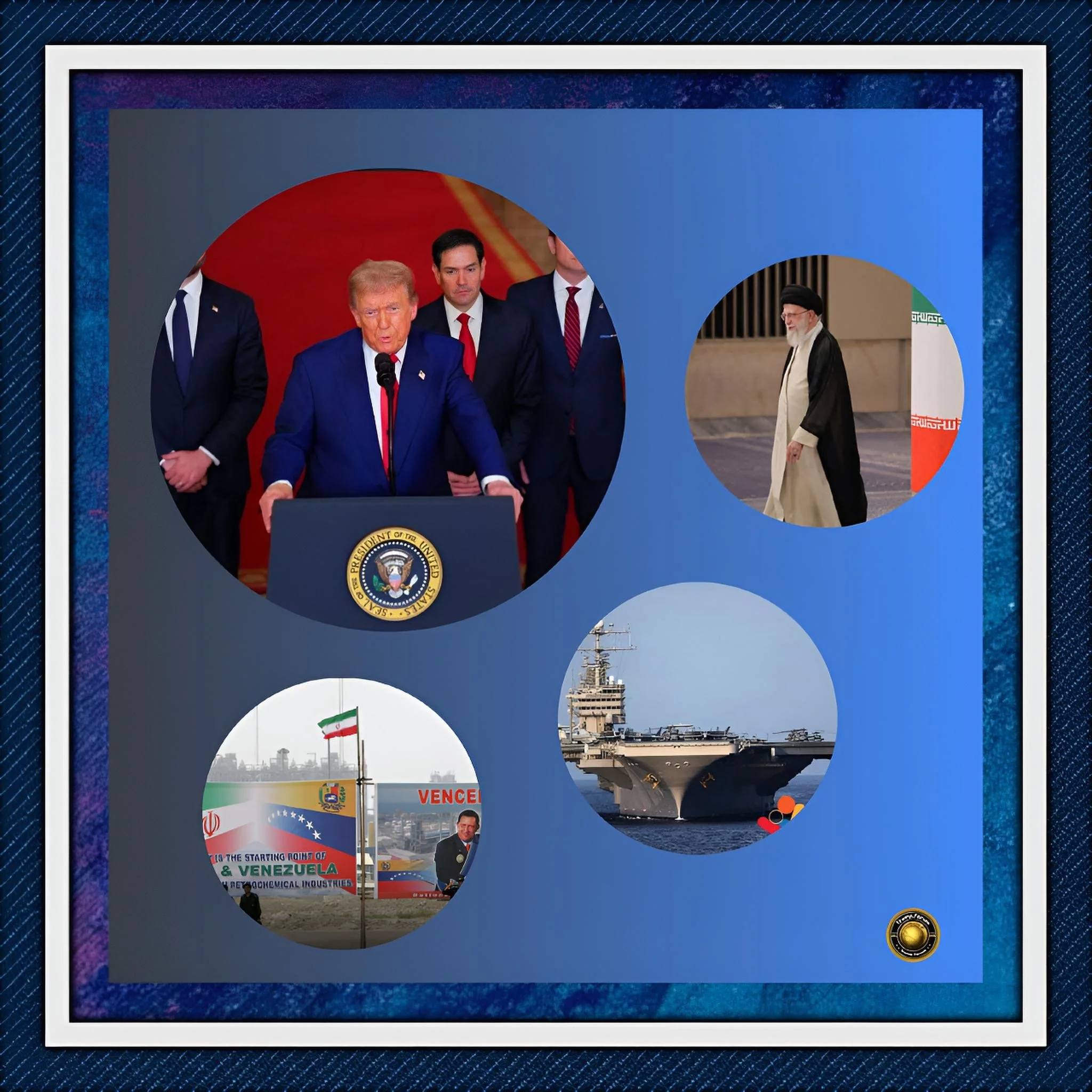
In the first 3 weeks of the war, the American military launched over 7,800 strikes. It destroyed more than 120 Iranian ships. It killed the Supreme Leader Ali Khamenei in the very first hours of the operation.
That sounds like success. But success in war is not just about explosions. It is about achieving goals. And Trump's goals — which included toppling the entire Iranian government, ending its nuclear program forever, and getting Iran to "unconditionally surrender" — have not been achieved.
Think of it this way. Imagine you are trying to remove an ant's nest from your garden.
You can spray the surface and kill thousands of ants. But if the queen is still alive, and the underground tunnels are still intact, the ants come back. Trump's military has hit Iran hard on the surface.
But Iran's political system, its underground networks, and its determination to keep fighting are still very much alive.
Iran responded by closing the Strait of Hormuz — a narrow waterway in the Persian Gulf through which about 20% of the world's oil travels. Oil prices jumped from about $70 per barrel to over $110 per barrel within days.
Countries in Asia, which get 80% of their oil through this waterway, are starting to run dangerously low on fuel reserves. Qatar, which supplies 20% of the world's liquefied natural gas, stopped production after Iranian drone strikes.
America has also lost more than 12 expensive surveillance drones — each worth between $30 million and $32 million — to Iranian air defenses.
The total cost of the war has surpassed $36 billion in three weeks.
Key Developments: The Growing Problem
Here is the core problem. Trump told Americans this would be quick and decisive. His advisers believed Iran would collapse once its leader was killed — like a snake whose head has been cut off. But Iran did not collapse.
The new Supreme Leader, Mojtaba Khamenei, quickly took control. The Revolutionary Guards kept fighting. Iran's drones and missiles kept flying toward Saudi Arabia and Israel.
Meanwhile, Trump's own explanations for why America is fighting keep changing. At 1 point, he said the goal was to prevent Iran from getting a nuclear bomb.
Then he said it was to destroy Iran's missile program. Then it was regime change. Then he seemed to say he was thinking about "winding down" the war.
When leaders change their stated reasons for going to war, it is a sign that the original plan is not working.
The most frightening part is this: even if all of Iran's nuclear facilities are bombed to rubble, the scientists who know how to build a nuclear bomb are still alive.
The knowledge cannot be bombed away. And when Iran eventually rebuilds — which history suggests it will — it may be more determined than ever to build a nuclear weapon as protection against future attacks.
Cause and Effect: Why Things Could Get Much Worse
Here is the dangerous cycle we are watching. Trump promised to win. Iran is not surrendering. The longer this goes on, the more Trump looks like he is losing.
Trump does not accept losing. So what does he do? He escalates. He raises the stakes. He looks for a dramatic action that gives him a headline that says "Trump wins."
This is not just an educated guess. It is based on careful study of how Trump has behaved throughout his career. When he withdrew from the 2015 nuclear deal, he didn't do it quietly — he made it into a grand theatrical moment.
When he ordered the killing of Iranian General Qassem Soleimani in 2020, it was a dramatic, high-risk action designed to project strength.
The danger of the current situation is that the dramatic actions available to Trump in a war are far more consequential than the dramatic actions available to him in a trade dispute. Escalating a trade war means higher prices on goods.
Escalating a military war in a nuclear-adjacent landscape means the risk of regional catastrophe.
There is also a financial and global economic dimension. Economists have warned that if the Strait of Hormuz stays closed, oil prices could reach $130 per barrel.
This would drive up inflation around the world, raise the cost of transportation, food, and manufacturing, and potentially tip fragile economies into recession.
For a president who promised lower prices and economic growth, this is a devastating political reality.
Future Steps: What Might Happen Next
There are essentially three paths ahead.
The first is that Trump quietly redefines what "winning" looks like, accepts a negotiated deal that he can sell as a victory to his supporters, and ends the war.
Iran gets to keep some limited nuclear activity for medical or peaceful purposes; Trump claims he destroyed Iran's military capacity and protected America.
Both sides know the truth, but both sides also need the exit door.
The second path is deeper escalation. Trump sends in ground troops, expands the targets, and commits to a longer and more expensive war.
This is the path most likely to produce wider regional destabilization, draw in other powers like China and Russia, and leave America stuck in a conflict with no clear end.
The third path is the most frightening. If Trump believes he has achieved "enough" militarily but Iran emerges from the conflict determined to go nuclear at full speed, the world will face an Iran with the knowledge, the motivation, and possibly the materials to build a nuclear bomb — despite all the bombs that were dropped on it.
Conclusion: The Lesson the World Must Learn
Wars started without a clear plan for how they end are the most dangerous kind.
The Iran war of 2026 was launched with bold promises and a simple theory: hit Iran hard enough and it will collapse. Iran did not collapse.
Now the world is watching a president who cannot afford to lose navigate a war that he cannot easily win.
The stakes extend far beyond Trump's political career. They include global energy prices, the future of nuclear weapons in the Middle East, the lives of American soldiers, Iranian civilians, and millions of people who depend on the Strait of Hormuz staying open.
The smartest thing a leader can do, when a plan is not working, is to change the plan.
Whether Trump is capable of that kind of intellectual humility — in a war, under political pressure, facing the prospect of looking like a loser — may be the most consequential question of 2026.