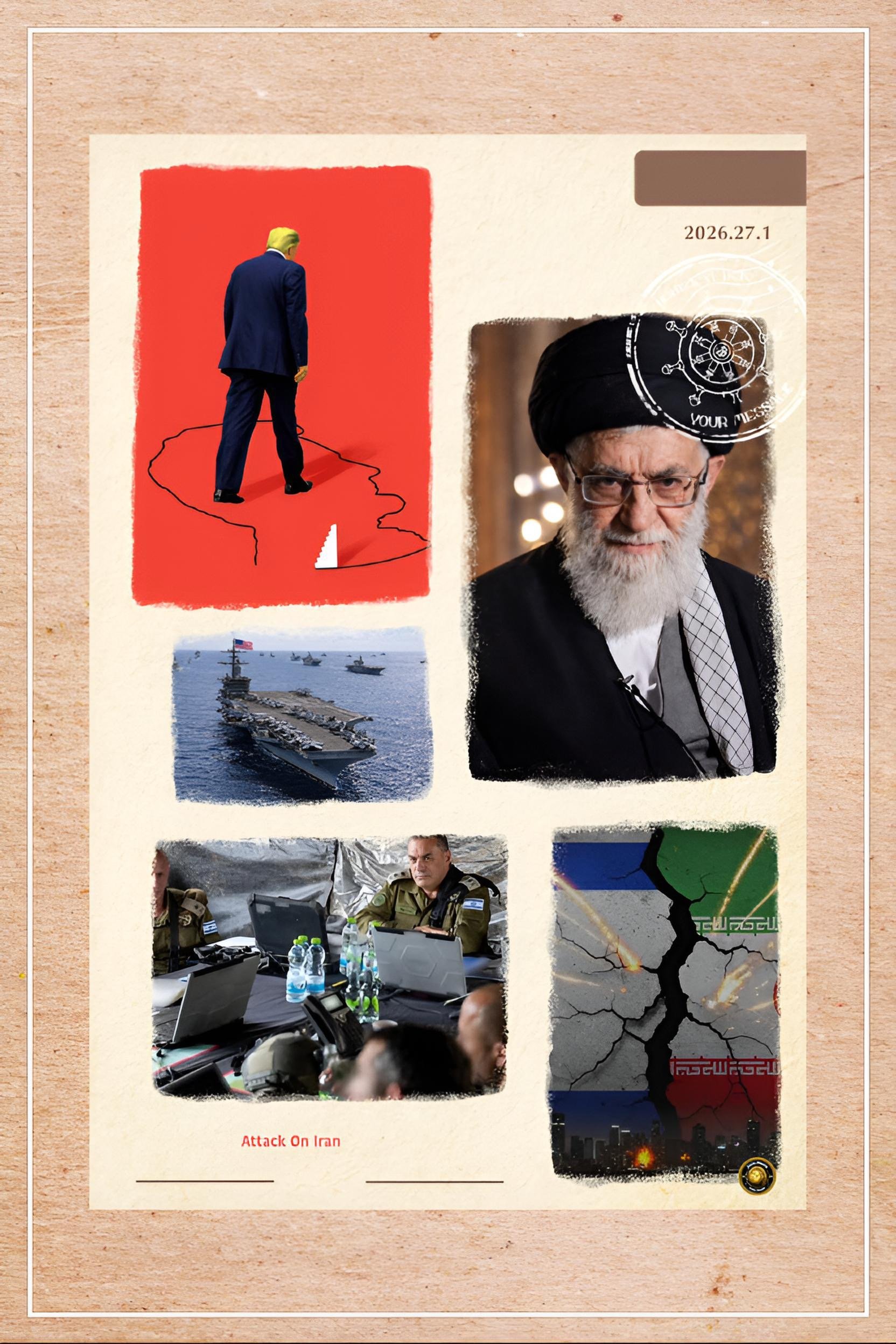
The Israel-Iran Armistice: Structural Instability and the Inevitability of Renewed Conflict
Executive Summary
The apparent detente between Israel and Iran following their June 2025 twelve-day war represents a temporary cessation rather than a durable peace.
FAF analysis delves into the structural factors underlying the conflict, including Israel's preventive strategic doctrine, Iran's regional ambitions and nuclear aspirations, and the complex role of external powers. While a ceasefire agreement temporarily halted direct military confrontation, underlying tensions remain unresolved. Iran's economic crisis, internal unrest, and leadership security concerns, coupled with Israel's persistent perception of an existential threat, create conditions for renewed conflict.
The positioning of US military assets in the region, regional leaders' refusal to grant basing rights for attacks on Iran, and the precarious security situation of Supreme Leader Ali Khamenei all indicate that the current stability is fragile. The analysis concludes that the detente is likely to prove ephemeral, with future confrontations potentially escalating beyond the limited scope of the previous war.
Introduction
The Middle East has witnessed a surprising, albeit tenuous, pause in direct hostilities between Israel and Iran following their unprecedented twelve-day war in June 2025.
This conflict, which marked the first direct exchange of strikes between the two nations, concluded with a ceasefire mediated by the United States and Qatar. However, the underlying drivers of the confrontation remain firmly entrenched. Israeli Prime Minister Benjamin Netanyahu's decades-long campaign against Iranian nuclear ambitions, Tehran's commitment to its regional proxy network and missile program, and the broader geopolitical shifts in the region suggest that the current calm merely masks deeper structural pressures.
This article examines the historical context, recent developments, and prospective trajectories of the Israel-Iran rivalry, arguing that the current detente represents a strategic pause rather than a sustainable resolution.
Historical Context and Current Status
The Israel-Iran conflict has evolved through distinct phases, from a shadow war conducted through proxies and covert operations to open military confrontation. For decades, Netanyahu has maintained a consistent foreign policy focus on Iran, characterizing the Islamic Republic as an existential threat to Israel's survival. The regime's anti-Israel rhetoric, including the infamous "death to Israel" refrain and public displays such as Tehran's countdown clock to Israel's destruction, has reinforced Israeli threat perceptions.
The shadow war phase involved Israeli strikes on Iranian assets in Syria, targeted assassinations of nuclear scientists, and cyber operations against Iran's nuclear program. Iran responded through its regional proxies, particularly Hezbollah in Lebanon and various militia groups in Iraq and Syria. The October 7, 2023 massacre by Hamas, an Iran-supported organization, marked a significant escalation, leading to three major confrontations that culminated in the June 2025 twelve-day war.
The direct war phase began on June 13, 2025, when Israel launched surprise attacks on Iranian nuclear and military installations, including the Fordow Fuel Enrichment Plant, Natanz, and Esfahan facilities. The conflict saw extensive exchanges: Iran fired approximately 400 missiles and 1,000 drones at Israel, while Israeli strikes targeted Iranian airbases in Hamadan and Tabriz, missile launchers, and killed hundreds of Basij operatives. The war concluded with a ceasefire on June 24, 2025, after the United States joined Israeli operations, conducting strikes that reportedly "obliterated" Iran's nuclear facilities.
Current status reveals a fragile equilibrium. While direct military exchanges have ceased, both nations remain mobilized. Israel claims to have "neutralized" the dual threat of Iranian nuclear and ballistic capabilities, while Iran's leadership has moved into defensive postures, both militarily and politically. The regional security architecture remains fundamentally unchanged, with neither side having achieved its strategic objectives.
Key Developments
Several critical developments have emerged since the ceasefire, each contributing to the instability of the current detente.
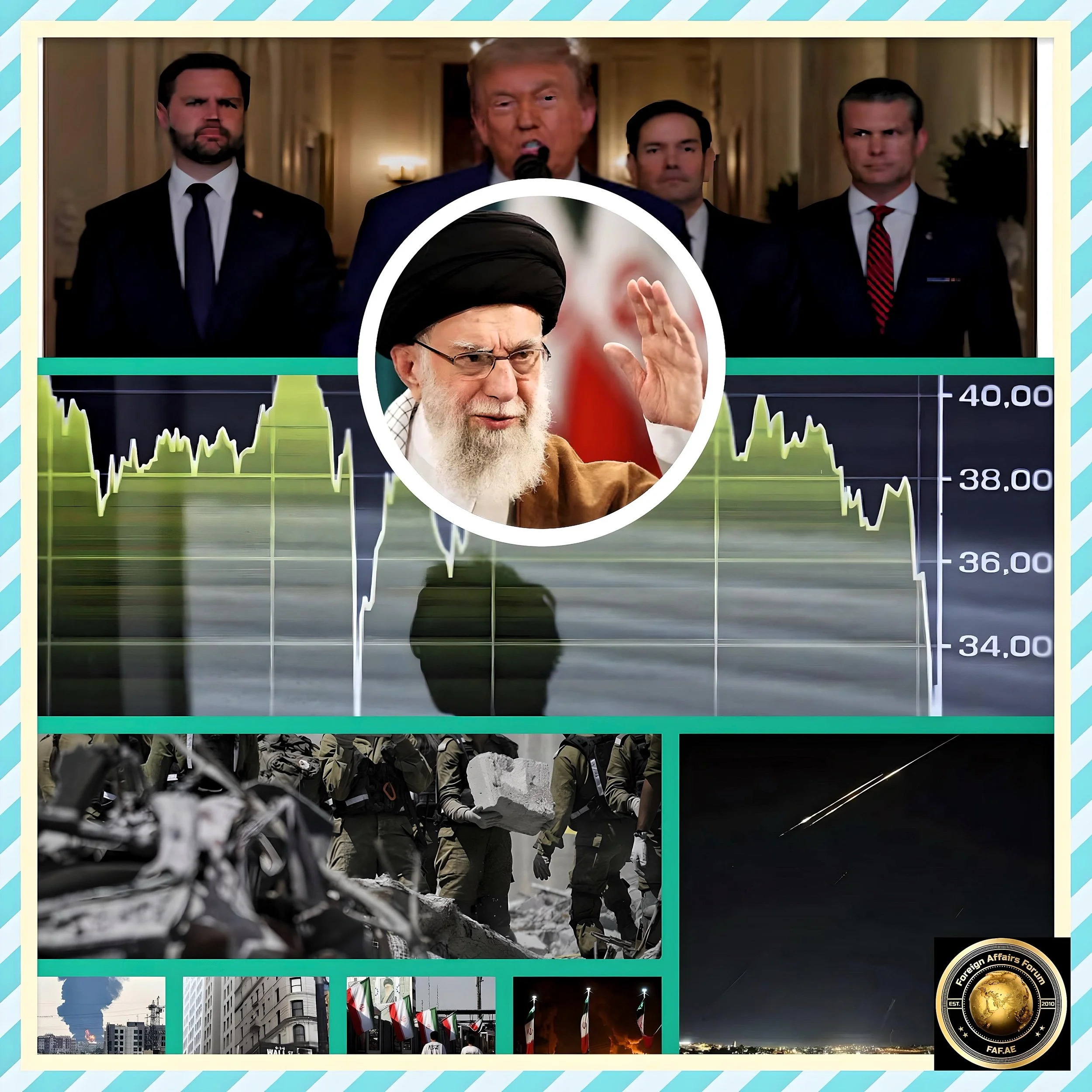
First, Iran's domestic situation has deteriorated dramatically. The country faces severe economic crisis, with annual inflation exceeding 40% by late 2025 and the Iranian rial collapsing to record lows. Food staples have become increasingly unaffordable, pushing middle-class families toward poverty. This economic distress has triggered widespread protests across major cities including Tehran, Isfahan, Shiraz, and Mashhad since December 2025.
The Iranian government's response to unrest has been severe. Security forces have reportedly killed over 2,000 protesters, employing tactics including firing gas canisters into crowds and along escape routes.
Witnesses describe the use of "unknown gases with more severe effects" causing sudden weakness and inability to walk. Iranian state media reported 3,117 fatalities, including both civilians and security personnel, while the government has prohibited independent accounting of deaths and interviews with families of victims.
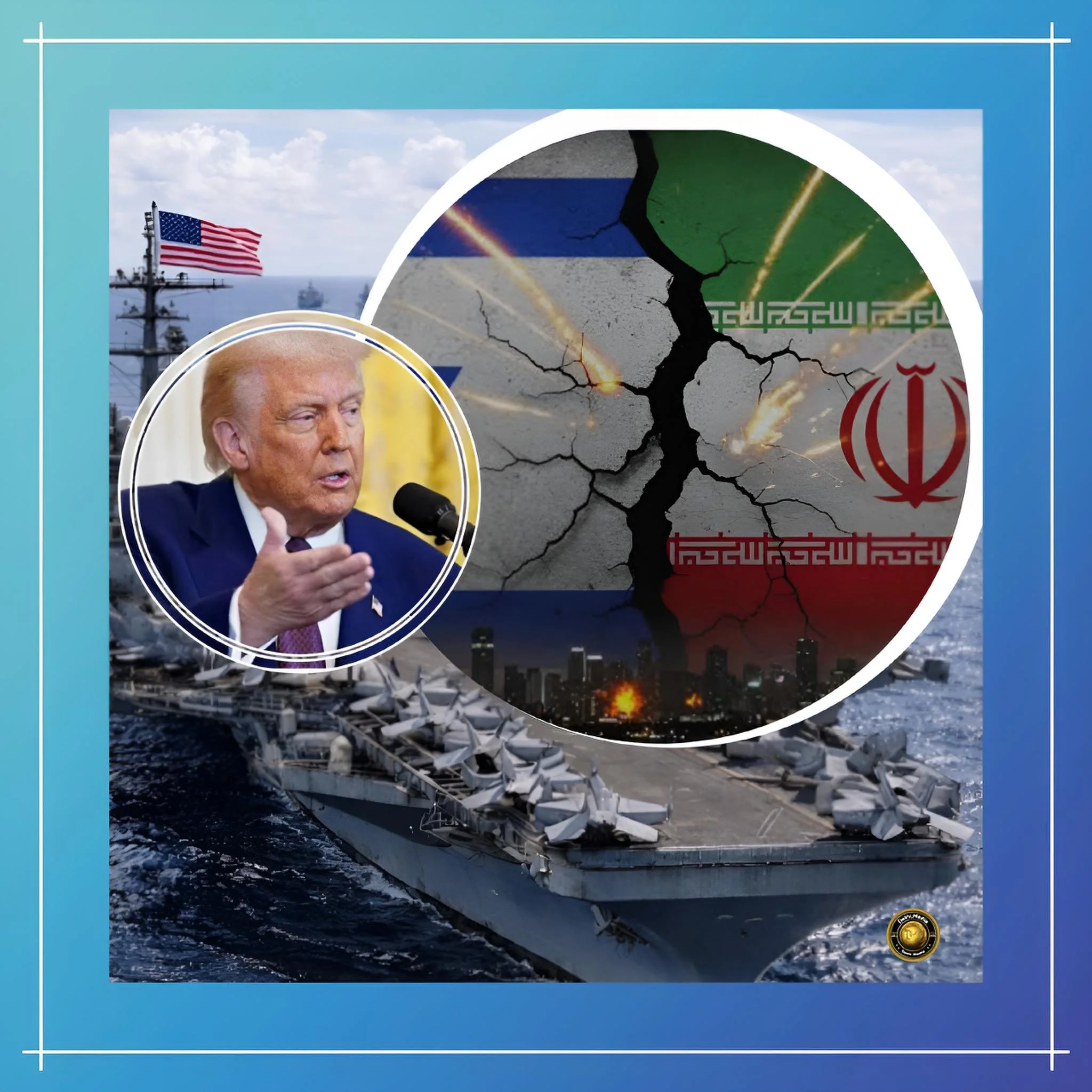
Second, the United States has repositioned significant military assets to the region. President Donald Trump announced that a naval "armada," including the USS Abraham Lincoln aircraft carrier strike group, is nearing Iran.
This deployment follows Trump's earlier threats to "knock the hell out of" Iran if it restarts its nuclear program. The US administration has established two stated red lines: mass executions of detained protesters and resumption of Iran's nuclear activities.
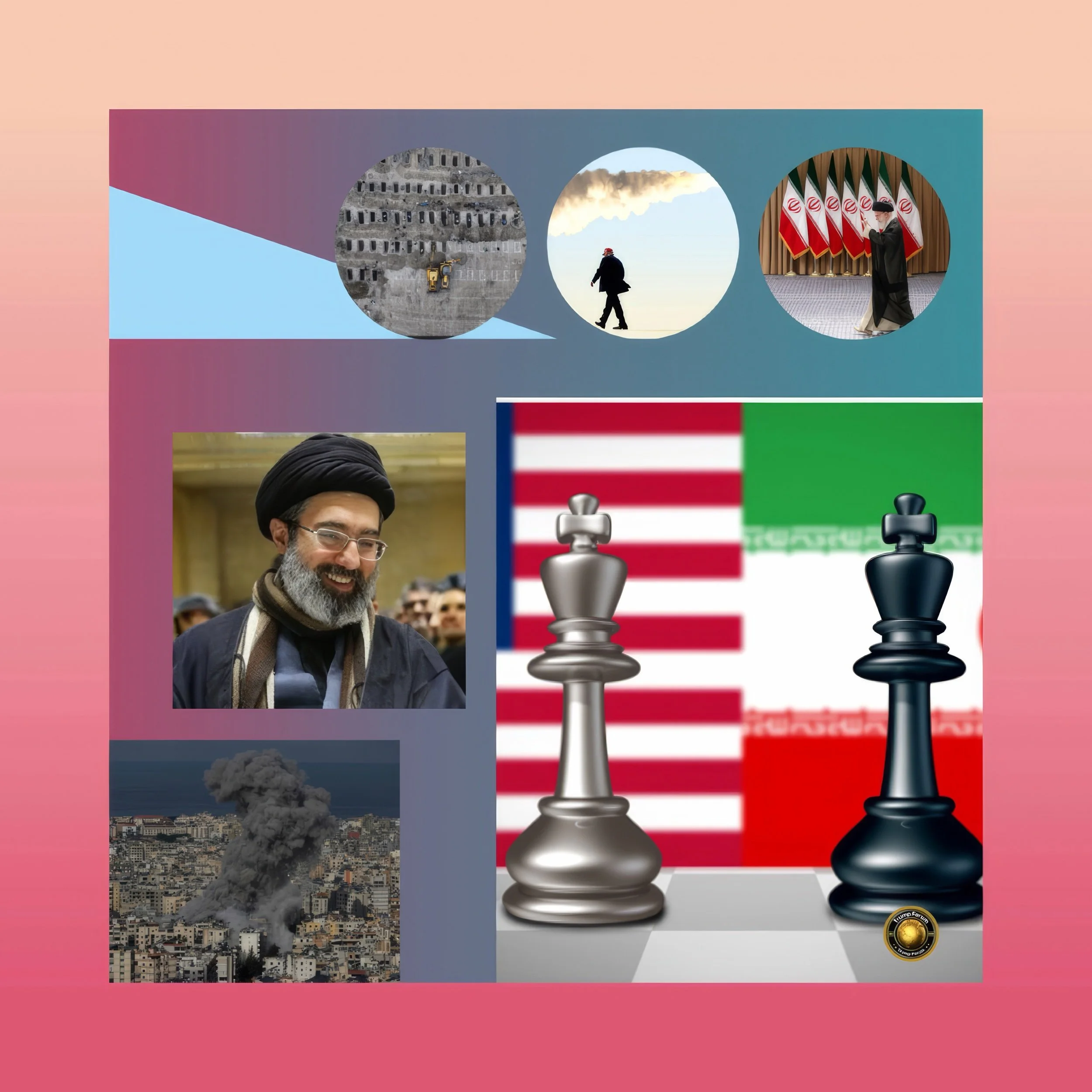
Third, regional powers have adopted precautionary measures. Supreme Leader Ali Khamenei has reportedly moved into a fortified underground shelter in Tehran with interconnected tunnels, with his third son Masoud Khamenei assuming day-to-day management of the leader's office.
Several Middle Eastern leaders, notably the United Arab Emirates, have explicitly refused to allow their territory, airspace, or waters to be used for attacks on Iran. The UAE foreign ministry stated that "dialogue, de-escalation, adherence to international law, and respect for state sovereignty" represent the appropriate approach to regional crises.
Fourth, Israel has maintained its confrontational posture. Netanyahu declared that Israel "crushed Iran's axis of evil" and "neutralized" both nuclear and ballistic threats. Israeli military leadership has warned of potential preemptive strikes, with army chief Lt. Gen. Eyal Zamir stating that Israel will strike back "wherever required, on near and distant fronts alike."
Netanyahu himself suggested another round of strikes during discussions with Trump at Mar-a-Lago.
Latest Facts and Concerns
The current situation presents several alarming facts that undermine the durability of the ceasefire. Iranian Foreign Minister Abbas Araghchi has warned that Tehran would respond "with everything we have" if attacked, characterizing any full-scale confrontation as "brutal" and enduring "far longer than the unrealistic timelines that Israel and its allies are attempting to sell to the White House." He emphasized that conflict would "engulf the broader region and impact ordinary people worldwide."
Iran-backed militias in Iraq and Yemen have threatened new attacks as US carriers approach the region, demonstrating Tehran's continued ability to project force through proxy networks. The repositioning of US forces has prompted regional countries to express concerns about potential consequences, including Iranian retaliation against Gulf bases, refugee flows, cross-border insurgencies, and separatist movements.
The precarious security of Iran's leadership raises questions about regime stability. Khamenei's move underground reflects serious concerns about potential US strikes, while his son's increased role in governmental communication channels suggests contingency planning for leadership transition or incapacitation.
Israel's assessment that it has neutralized Iranian threats appears premature. While the June war degraded Iranian capabilities, Tehran retains substantial missile stockpiles, proxy networks, and technical knowledge.
The Islamic Republic's commitment to its strategic objectives suggests it will attempt to rebuild its capabilities, potentially in fortified underground facilities less vulnerable to aerial attack.
Cause-and-Effect Analysis
The current detente emerged from a confluence of factors that temporarily aligned Israeli, American, and even Gulf state interests in de-escalation. Iran's internal weakness, manifested through economic crisis and popular unrest, reduced its appetite for external confrontation. The regime's focus on domestic suppression created a window where avoiding foreign military pressure served its immediate survival interests.
Israel's decision to accept a ceasefire, despite Netanyahu's long-standing hardline position, reflected several considerations. The twelve-day war achieved significant degradation of Iranian nuclear and military infrastructure, fulfilling immediate operational objectives. Continuing the campaign risked deeper US entanglement, potential regional escalation, and international diplomatic costs. The temporary alignment with Gulf states, which shared interests in avoiding regional war, provided political cover for pausing operations.
The Trump administration's role reveals complex motivations. Initial threats of military action against Iran, including suggestions of bombing, shifted toward mediation after regional allies urged restraint.
Trump's claim that his threats prevented executions of protesters provided domestic political framing, while the deployment of military assets maintained credible deterrence. This combination of diplomatic engagement and military posturing created conditions for a temporary settlement.
However, these factors represent contingent circumstances rather than structural resolution. The fundamental conflict drivers persist: Israel's preventive doctrine against perceived existential threats, Iran's commitment to its regional influence and nuclear program, and the broader US-Iran adversarial relationship. The ceasefire addresses symptoms rather than causes, leaving underlying tensions intact.
Future Steps and Scenarios
Several plausible scenarios could unfold as the detente deteriorates.
The most likely involves Israeli preemption based on intelligence indicating Iranian nuclear reconstitution.
Netanyahu's historical skepticism about Iranian intentions, combined with Israel's post-October 7 strategic mindset favoring prevention over deterrence, creates strong incentives for early action. Such strikes would probably target not only nuclear facilities but also missile production sites and command-and-control infrastructure.
Iranian reaction would likely involve multiple response vectors.
Direct missile and drone attacks on Israeli territory would constitute an immediate response, potentially targeting population centers and critical infrastructure.
Tehran would simultaneously activate proxy networks, with Hezbollah launching attacks from Lebanon, Iraqi militias targeting US interests, and Houthi forces threatening Red Sea shipping. Iranian naval forces might harass commercial vessels or US warships in the Persian Gulf.
Regional escalation would follow quickly. US forces, already positioned in the region, would likely support Israeli operations, potentially conducting strikes on Iranian coastal defenses and anti-aircraft systems.
Gulf states would face pressure to allow use of their territories, though their reluctance based on recent statements suggests they might resist, limiting US operational flexibility. The conflict could disrupt oil supplies, triggering global economic consequences.
An alternative scenario involves internal collapse within Iran. Continued economic deterioration and protest suppression could fracture regime cohesion, potentially leading to leadership succession crises or revolutionary change. This could create unpredictable security consequences, including loose nuclear materials, refugee flows, and regional power vacuums that attract external intervention.
A third scenario entails successful diplomatic intervention. Regional powers like Saudi Arabia, Qatar, Oman, and Turkey have engaged in diplomatic initiatives to prevent escalation.
Qatar's former prime minister Hamad bin Jassem Al Thani argued that US military action "will not benefit America’s allies" and urged negotiated solutions.
If these efforts produce constraints on Iranian nuclear activities and missile deployments acceptable to Israel, they might extend the detente.
However, the slow pace of talks and rapidly closing window of opportunity suggest this scenario faces long odds.
Conclusion
The Israel-Iran detente represents a temporary strategic pause in a fundamentally unresolved conflict. The twelve-day war of June 2025, while unprecedented in its directness, did not alter the structural drivers of the rivalry. Israel's preventive strategic doctrine, Iran's commitment to its regional ambitions and nuclear program, and the broader geopolitical tensions ensure that current calm remains precarious.
The confluence of factors that produced the ceasefire—Iranian internal weakness, Israeli achievement of immediate operational objectives, and regional diplomatic pressure—are inherently unstable. Iran's economic crisis and protest suppression demonstrate regime fragility but do not signal strategic retrenchment. Israel's military success has not eliminated the perceived threat, and Netanyahu's long-standing position suggests renewed action when conditions permit.
The positioning of US military assets, regional leaders' refusal to support attacks from their territory, and Khamenei's move underground all reflect preparation for future conflict rather than consolidation of peace. The next round of confrontation, when it occurs, will likely prove more extensive and destructive than the previous twelve-day war, involving broader regional participation, more extensive targeting, and greater economic disruption.
Understanding this conflict requires recognizing that temporary de-escalation does not constitute resolution. The underlying incompatibility of Israeli and Iranian strategic objectives, combined with the preventive orientation of Israeli security policy, creates persistent incentives for renewed confrontation. The current detente serves the immediate interests of all parties but changes nothing fundamental about their relationship.
The question is not whether the detente will last, but when it will collapse and how severe the consequences will be when it does.