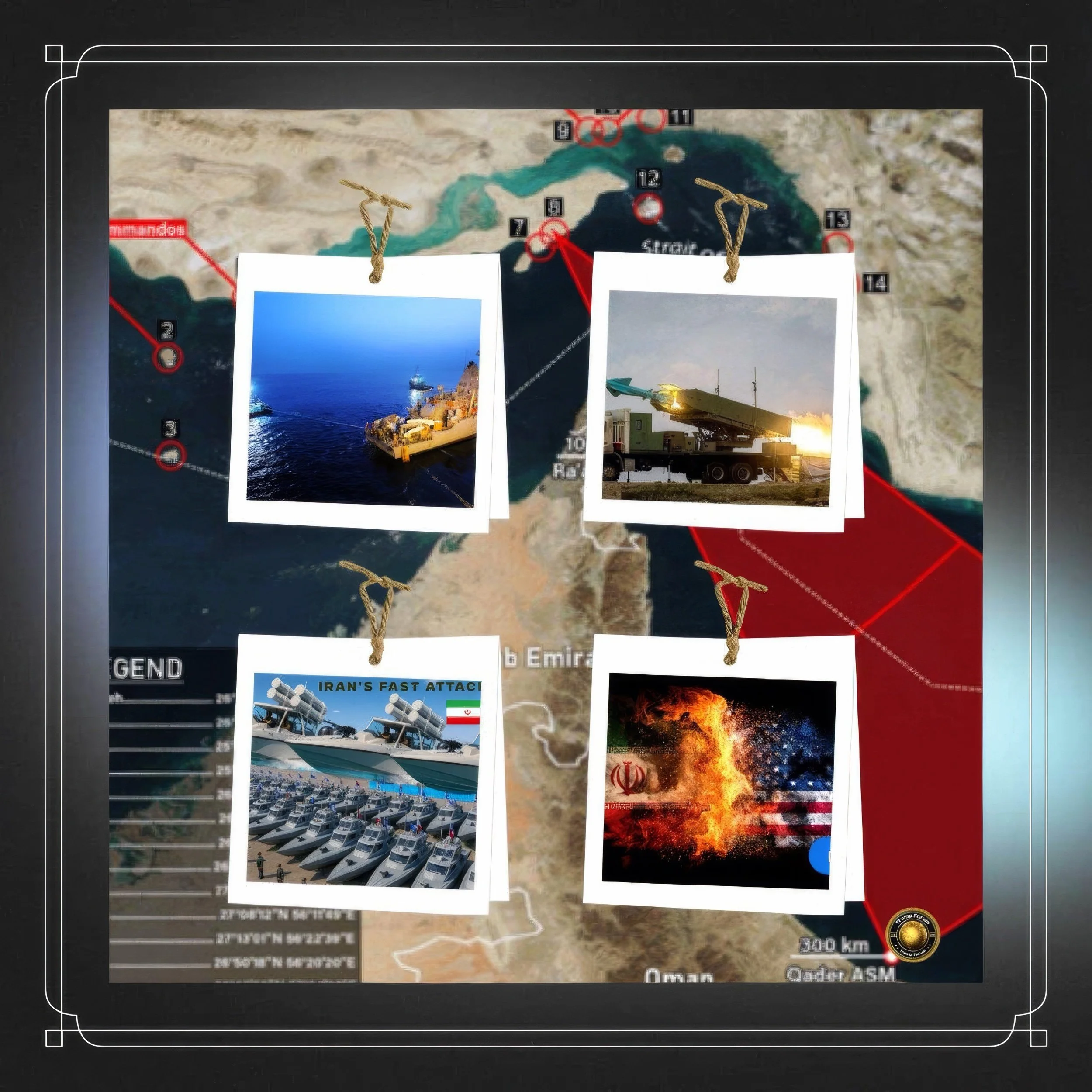
Iran’s Sea Strategy in the Strait of Hormuz and Kharg Island - Beginner’s Guide to Iran’s Sea Warfare Strategy
Executive summary
Iran uses a smart but simple idea in the sea: it does not try to match powerful navies ship for ship. Instead, it tries to make the sea dangerous, confusing, and expensive for enemies.
This is called a keep-out strategy.
It uses missiles, mines, and many small fast boats together. The Strait of Hormuz is very narrow, so even small attacks can cause big problems. This can stop ships, raise oil prices, and scare countries.
Introduction
Imagine a narrow road where many trucks carry fuel for the whole world. Now imagine someone placing obstacles, traps, and attackers along that road.
Even if the attackers are weaker, they can still block the road. This is how Iran sees the Strait of Hormuz.
Iran knows it cannot fight the United States Navy in a normal way. So it uses clever and cheaper methods to make fighting too risky.
History and current situation
In the past, during the Iran-Iraq war, Iran attacked oil tankers using simple methods like mines and small boats.
Even then, it caused big problems for global shipping.
Over time, Iran improved its strategy. It built more missiles, trained fast boat units, and stored many sea mines. Today, it practices using all these together.
Key developments
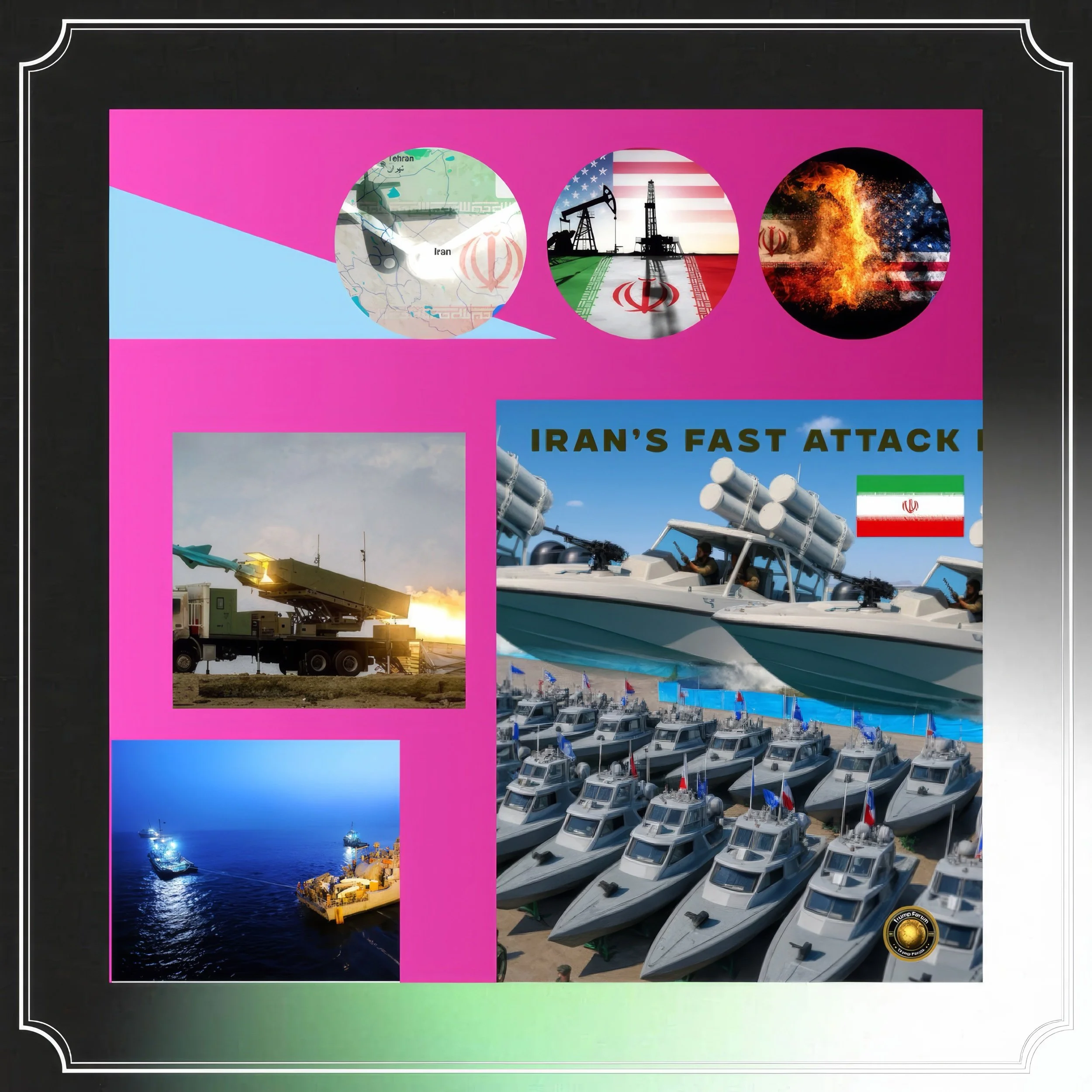
Iran now has better missiles. Some fly low over the water, making them hard to see. Others come from high in the sky and hit fast. This makes defense harder.
Iran also improved its small boats. These boats move very fast and can attack in groups. Think of many small insects attacking one large animal at the same time.
Mines are still very important. They are cheap but powerful. One mine can damage a big ship. Clearing mines takes a long time, so even a few can stop traffic.
Latest facts and concerns
Today, tensions in the region are high. Sometimes ships are attacked or threatened. This makes insurance costs go up and ships take longer routes.
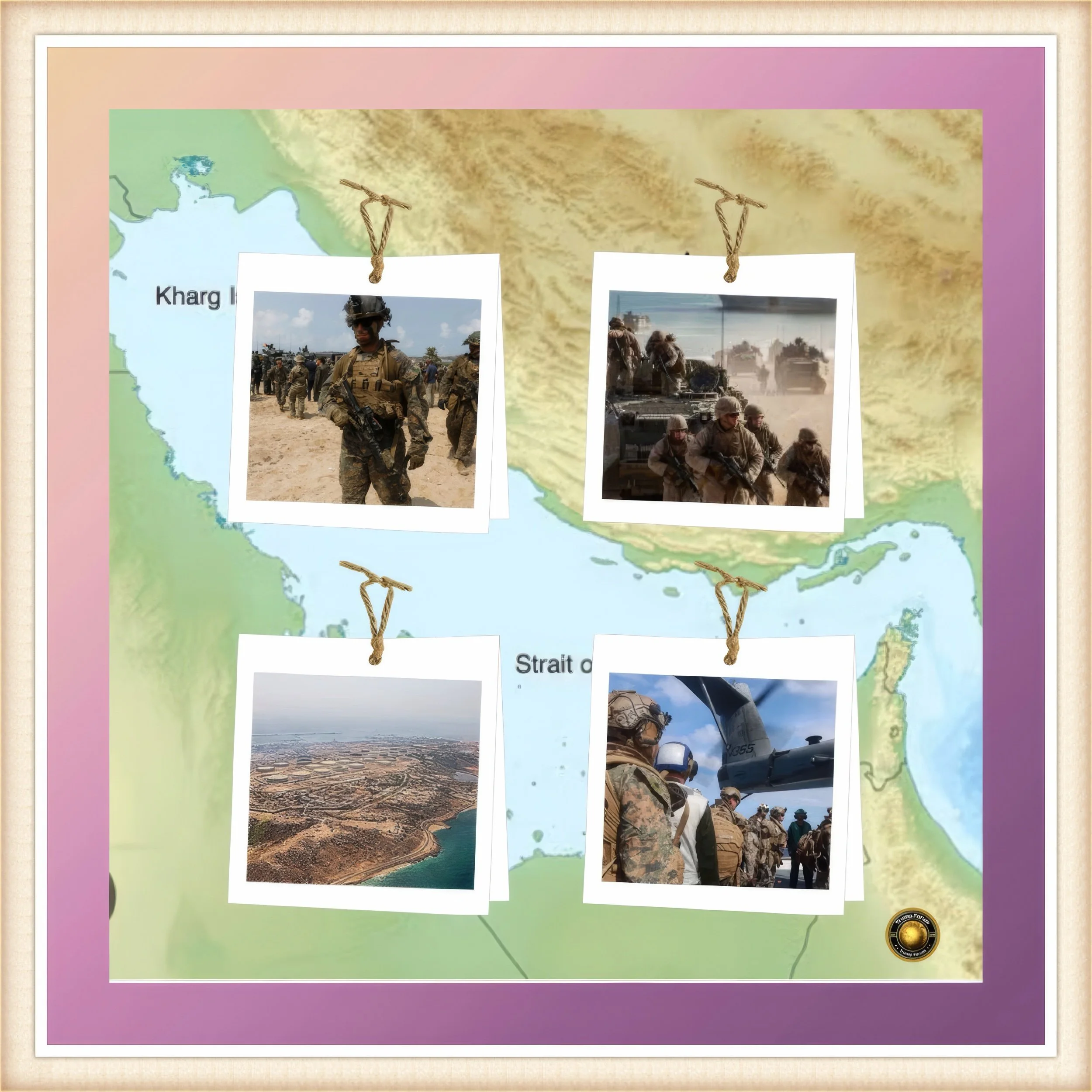
Kharg Island is also very important. It is where Iran exports most of its oil. If it is attacked, Iran loses money. But if Iran threatens the Strait, it can also hurt global markets.
Drones are now being used more. These are small flying machines that can watch or attack. They are cheap and easy to replace.
Cause and effect
If Iran places mines, ships slow down or stop. If missiles are fired, ships stay away. If small boats attack, even large ships can be damaged.
This creates fear. Fear leads to higher costs. Higher costs affect oil prices. Oil prices affect the global economy.
For example, if the Strait closes even for a short time, countries may panic and oil prices may rise quickly.
Future steps
Iran will likely keep improving this strategy. It will build better missiles and more drones. It will also practice using all its tools together.
Other countries will try to stop this. They will improve defenses, clear mines faster, and protect ships better. But this is expensive and not always successful.
Conclusion
Iran’s strategy is simple but powerful. It uses many small tools together to create big problems. It does not try to win a big war. Instead, it tries to make war too costly.
In a narrow place like the Strait of Hormuz, this strategy works very well.
It turns geography into a weapon. It shows how weaker forces can still challenge stronger ones using smart ideas.