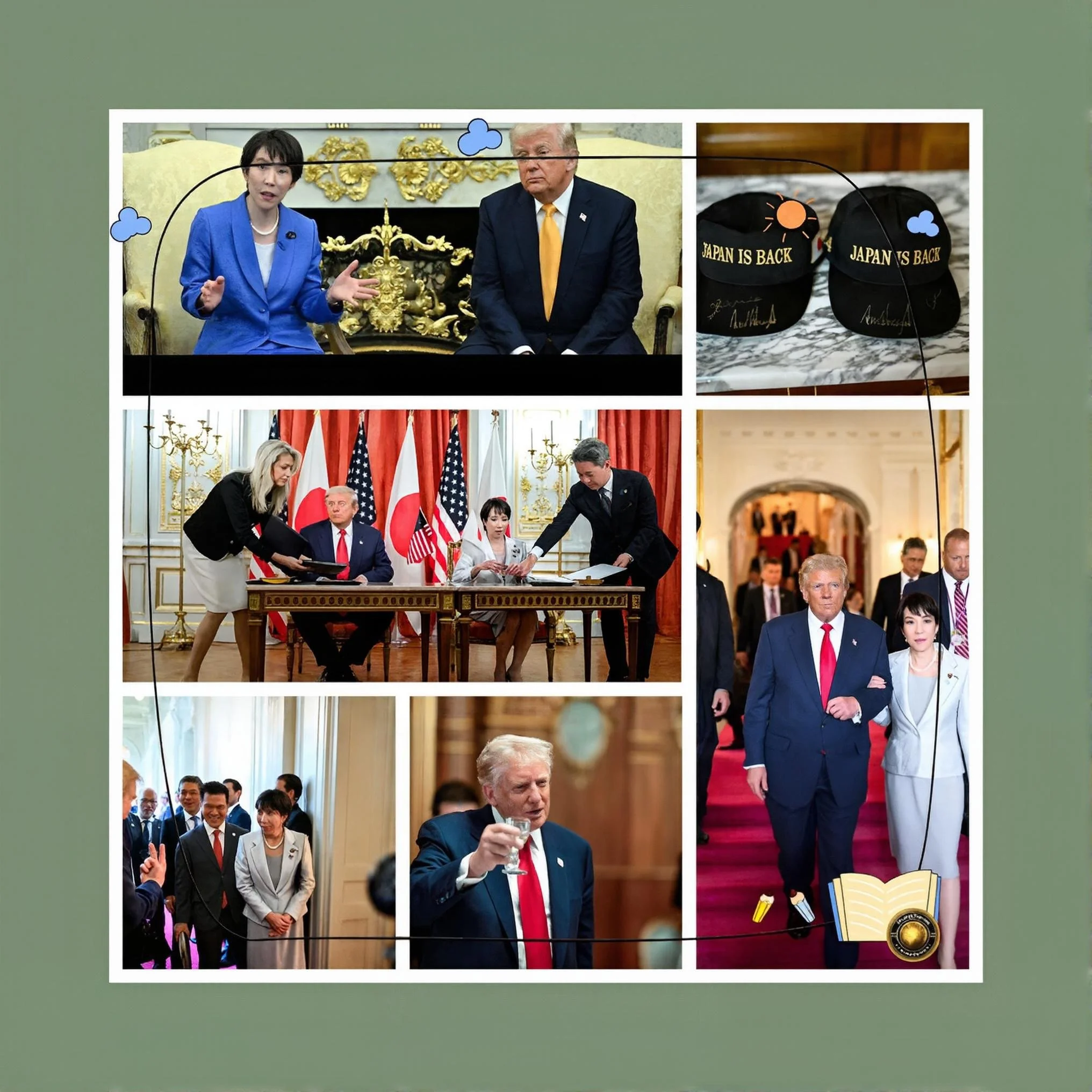
Takachi’s Washington Visit Signals Strategic Realignment as Trump Reframes Asia Policy and Security Commitments in Indo-Pacific Landscape
Executive Summary
Trump and Takachi Forge New Economic and Security Understanding Amid Rising China Tensions and Fragmenting Global Order
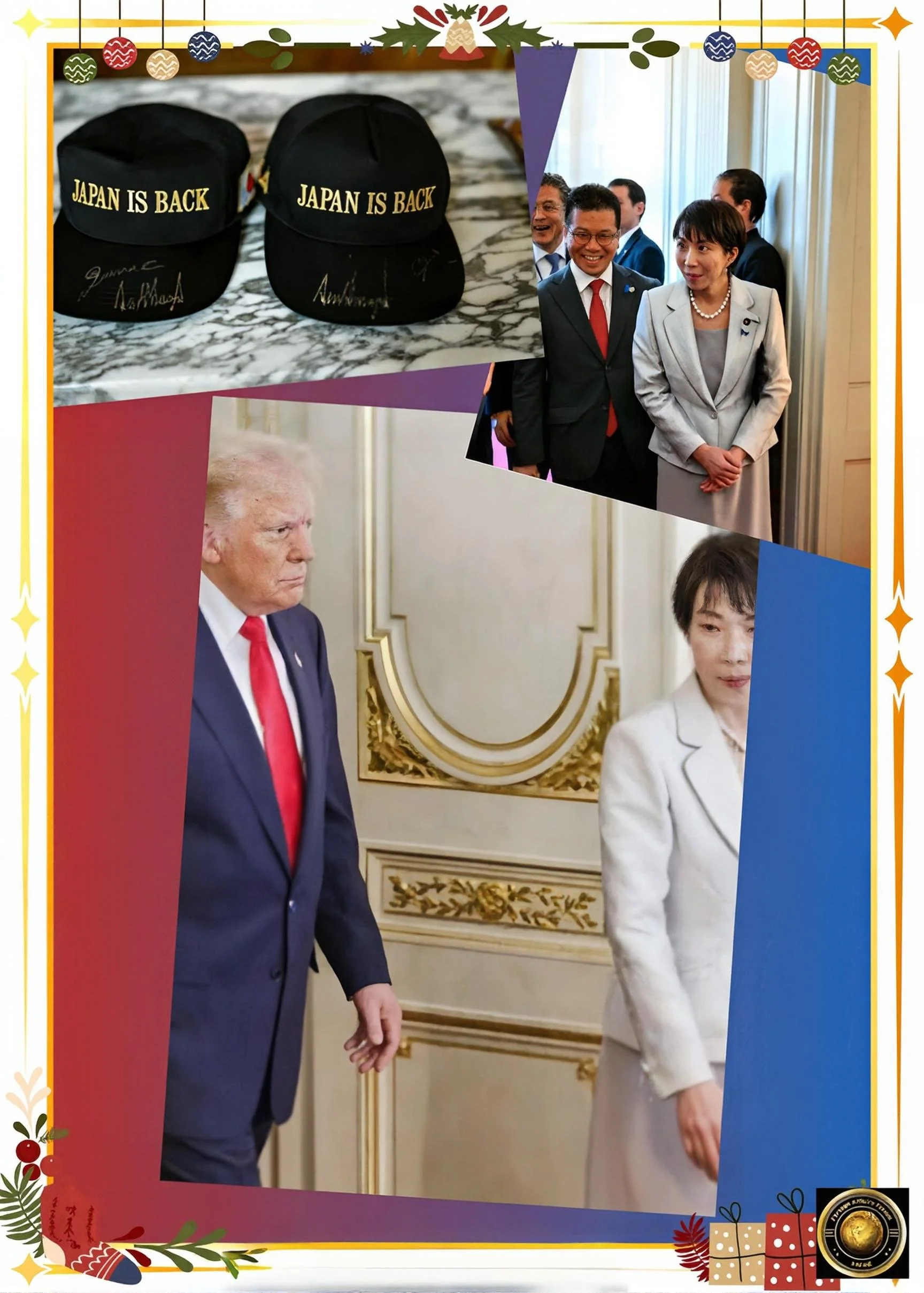
The visit of Takachi to Washington represents a pivotal moment in the evolving relationship between Japan and the United States, unfolding against a backdrop of systemic geopolitical transformation.
The interaction between President Donald Trump and Takachi reveals both continuity and tension within the alliance, as both stakeholders navigate an increasingly volatile Indo-Pacific landscape shaped by China’s rise, economic fragmentation, and shifting security doctrines.
Public statements during the visit projected unity, emphasizing shared commitments to regional stability, economic cooperation, and deterrence. However, beneath this surface alignment lies a deeper divergence.
Trump’s strategic posture reflects a transactional, inward-looking recalibration of American power, prioritizing economic sovereignty and burden-sharing.
Takachi, by contrast, embodies Japan’s growing anxiety about regional instability and its need for reliable security guarantees.
The discussions highlighted three core themes: economic security and trade restructuring, defense cooperation and deterrence posture, and the broader strategic architecture of the Indo-Pacific.
Trump emphasized fair trade, reduced deficits, and greater Japanese contributions to regional security. Takachi stressed alliance cohesion, multilateral engagement, and the necessity of maintaining a stable balance of power.
This visit underscores a paradox. While the alliance remains indispensable for both stakeholders, its foundations are undergoing transformation.
The cause-and-effect dynamics suggest that American retrenchment compels Japan toward greater autonomy, even as it deepens reliance on the alliance.
The future trajectory will depend on whether both stakeholders can reconcile transactional pragmatism with strategic trust.
Introduction
Takachi Visit Underscores Fragile Alignment Between American Strategic Retrenchment and Japan’s Expanding Regional Role
Takachi’s visit to Washington did not occur in isolation; it was the product of converging pressures within the global system.
The Indo-Pacific landscape has emerged as the central arena of twenty-first-century geopolitical competition, where economic interdependence coexists uneasily with strategic rivalry.
Within this environment, the US–Japan alliance serves as both anchor and instrument of regional order.
President Trump’s second-term strategic orientation has intensified uncertainty among allies.
His emphasis on economic nationalism, skepticism toward multilateral institutions, and willingness to redefine traditional commitments has reshaped expectations about American leadership.
For Japan, whose postwar strategy has relied heavily on the American security umbrella, these shifts generate both concern and opportunity.
Takachi’s visit was therefore not merely diplomatic; it was strategic. It aimed to reaffirm the alliance while adapting it to new realities.
The public messaging focused on partnership and shared values, yet the underlying negotiations reflected a recalibration of roles and responsibilities.
History and Current status
Washington Talks Reveal Diverging Priorities Beneath Public Unity Between Trump Administration and Japanese Leadership
The US–Japan alliance has evolved through distinct phases since the end of the Second World War.
Initially structured as a hierarchical security arrangement, it positioned the United States as the primary security provider and Japan as a protected economic partner.
Over time, this arrangement matured into a more balanced partnership, particularly after Japan’s economic rise and subsequent normalization of its defense posture.
In recent decades, the alliance has expanded beyond bilateral defense to encompass broader regional and global issues.
Cooperation now includes maritime security, technological innovation, and supply chain resilience.
However, this expansion has also introduced new complexities, as both stakeholders navigate competing priorities.
Under Trump, the alliance has entered a phase of strategic ambiguity.
While the administration continues to recognize Japan as a critical partner, its approach is increasingly transactional.
Demands for greater financial contributions and trade concessions reflect a broader redefinition of alliances as instruments of national advantage rather than shared purpose.
Takachi’s visit must be understood within this context. It represents an attempt to stabilize a relationship that remains essential yet increasingly contested.
Key Developments During Visit
Economic Security and Military Posture Dominate Trump Takachi Talks as Alliance Enters New Phase of Uncertainty
The meetings between Trump and Takachi produced a series of public statements that emphasized alignment while revealing subtle divergences.
Trump’s remarks focused on economic fairness, highlighting what he described as longstanding imbalances in trade. He reiterated the need for Japan to increase its defense spending and assume greater responsibility for regional security.
Takachi, in contrast, framed the alliance in terms of shared strategic objectives. He emphasized the importance of maintaining a rules-based order in the Indo-Pacific and underscored Japan’s commitment to enhancing its defense capabilities.
His statements reflected a careful balancing act, acknowledging American concerns while reinforcing the normative foundations of the alliance.
One of the most notable outcomes was the agreement to deepen cooperation in critical technologies, including semiconductors and artificial intelligence.
This reflects a growing recognition that economic security is inseparable from national security.
Latest Facts and Concerns
Japan and United States Redefine Alliance Priorities as Takachi Visit Highlights Economic Nationalism and Security Interdependence
Despite the positive tone of official statements, several concerns emerged from the visit.
First, there is a growing gap between American expectations and Japanese capabilities. Trump’s emphasis on burden-sharing raises questions about the sustainability of the alliance if these expectations are not met.
Second, the regional security environment continues to deteriorate.
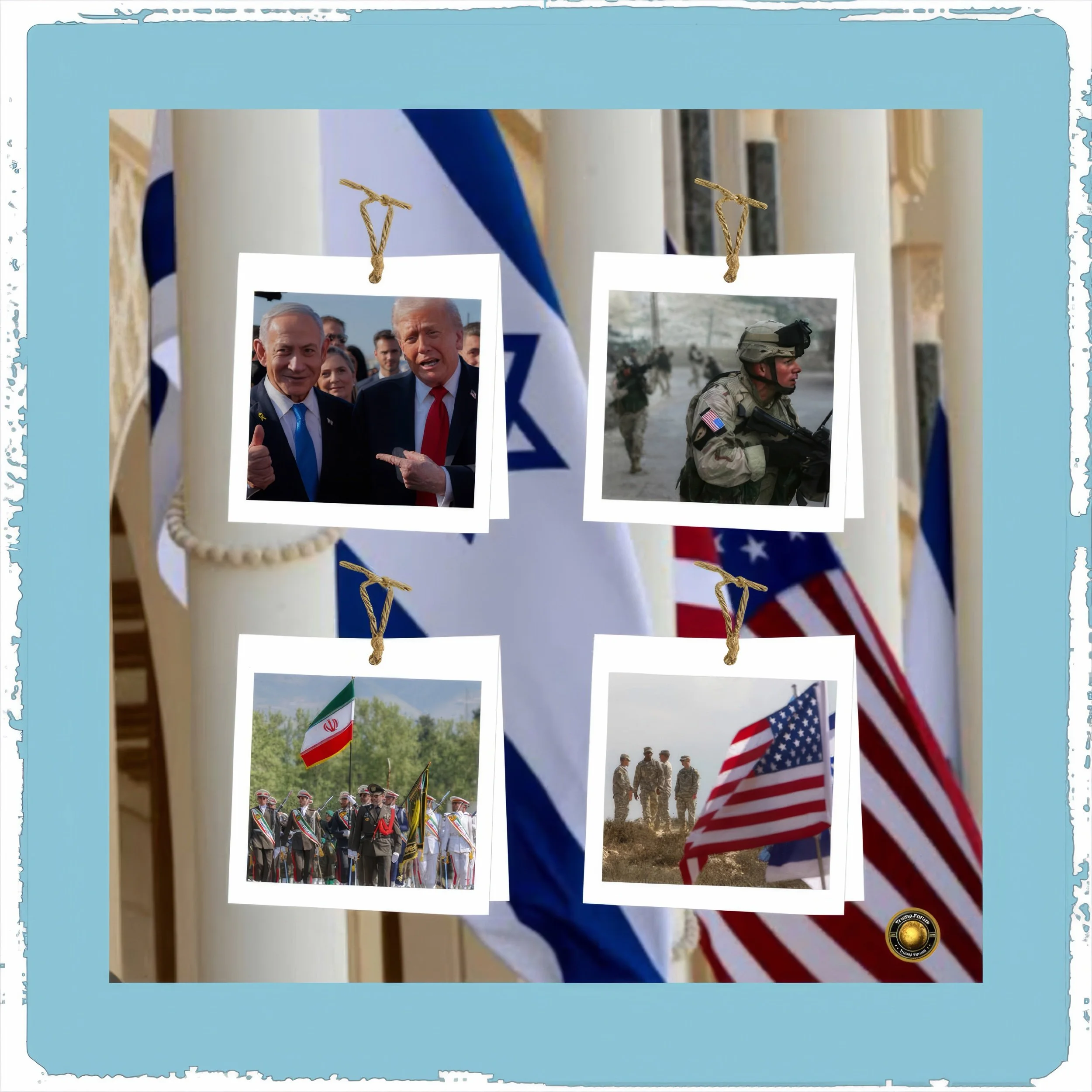
China’s expanding military presence and assertive behavior in the South China Sea and East China Sea create persistent challenges. Japan’s proximity to these flashpoints heightens its vulnerability.
Third, economic tensions remain unresolved. While both stakeholders expressed commitment to fair trade, underlying disagreements persist regarding market access, currency practices, and industrial policy.
Finally, there is a broader concern about the erosion of multilateral institutions.
Trump’s skepticism toward these frameworks contrasts with Japan’s reliance on them, creating a structural divergence in strategic outlook.
Cause and Effect Analysis
From Trade Frictions to Strategic Convergence Trump and Takachi Navigate Complex Future of Indo-Pacific Power Balance
The dynamics revealed during Takachi’s visit can be understood through a series of interconnected cause-and-effect relationships.
American retrenchment, driven by domestic political and economic considerations, reduces the predictability of its commitments.
This, in turn, compels Japan to pursue greater strategic autonomy, including increased defense spending and expanded regional partnerships.
However, this move toward autonomy does not diminish Japan’s reliance on the United States; rather, it intensifies it.
As Japan assumes a more active role in regional security, it requires stronger coordination with American forces. This creates a feedback loop in which autonomy and dependence coexist.
Economic factors further complicate this dynamic. Trump’s focus on trade imbalances introduces friction into the alliance, potentially undermining trust.
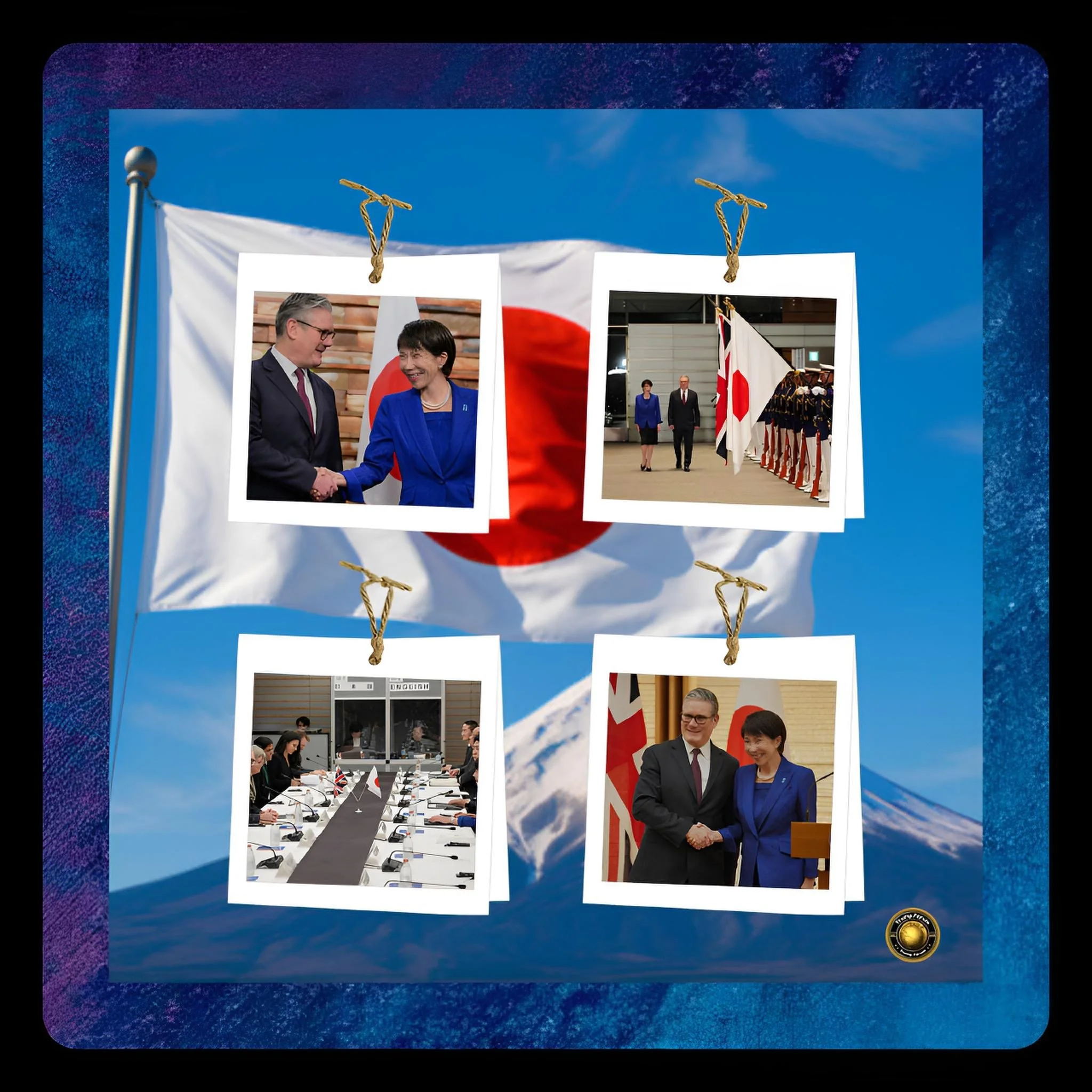
At the same time, shared concerns about supply chain resilience and technological competition with China create incentives for cooperation.
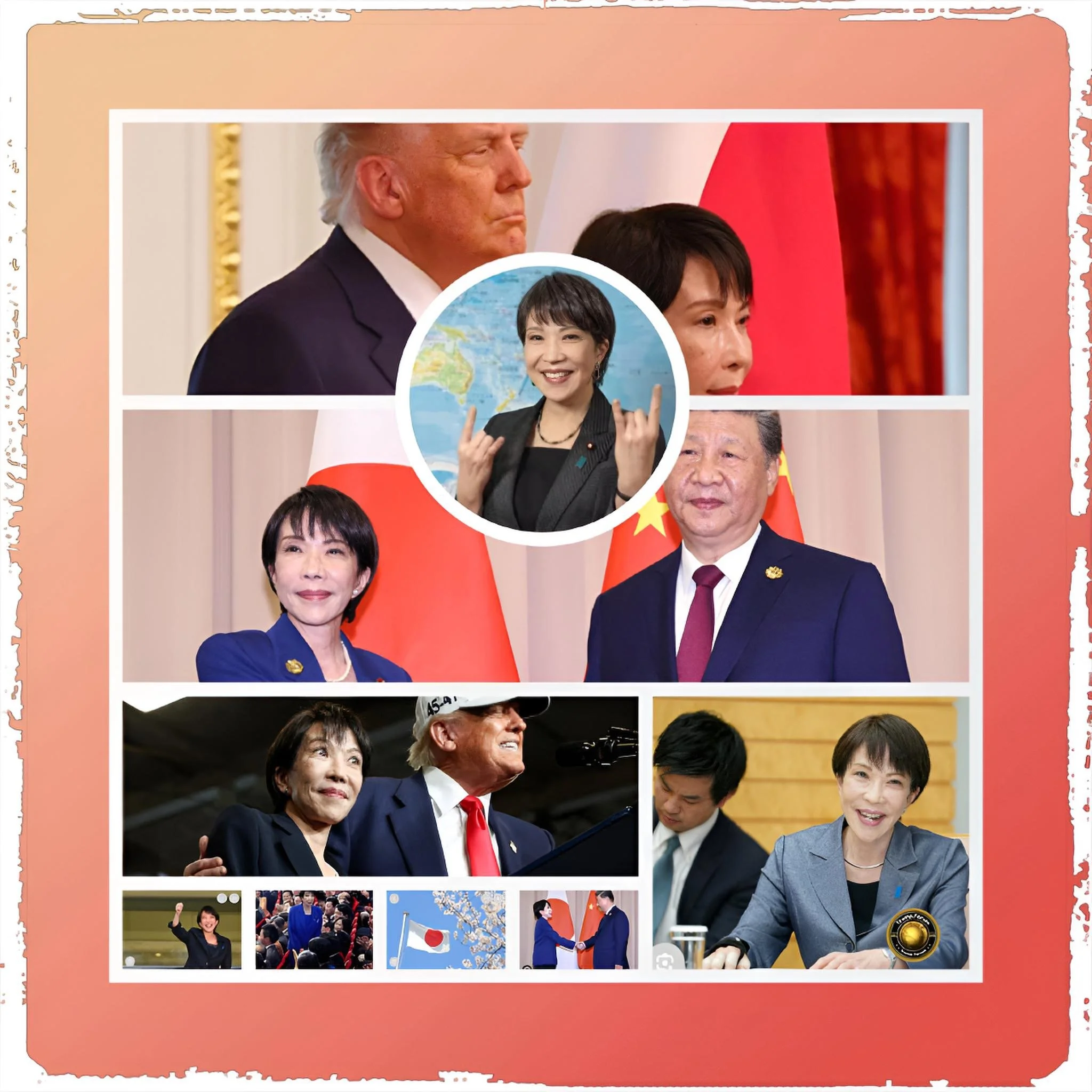
The net effect is a relationship characterized by both convergence and divergence. The alliance remains robust, yet its internal tensions are increasingly visible.
Future steps
Takachi’s Visit to Washington and the Transformation of the US–Japan Alliance in a Fragmented Global Landscape
The future of the US–Japan alliance will depend on the ability of both stakeholders to adapt to changing conditions while preserving core commitments.
For the United States, this requires balancing transactional approaches with strategic consistency. Allies need assurance that commitments will endure beyond immediate political considerations.
For Japan, the challenge lies in expanding its capabilities without provoking regional instability.
This includes not only military enhancements but also diplomatic initiatives aimed at building broader coalitions.
Both stakeholders must also address economic tensions through negotiated solutions that align national interests with shared objectives.
This will require a more integrated approach to economic and security policy.
Finally, there is a need to strengthen institutional frameworks that support the alliance. This includes not only bilateral mechanisms but also multilateral arrangements that enhance regional stability.
Conclusion
Takachi’s Diplomatic Mission to Washington Reflects Japan’s Strategic Anxiety and America’s Shifting Global Commitments
Takachi’s visit to Washington captures a moment of transition in the US–Japan alliance. It reflects a broader transformation in the global system, where traditional assumptions about power, partnership, and order are being reexamined.
The interactions between Trump and Takachi reveal both the resilience and fragility of the alliance. While shared interests continue to bind the two stakeholders, differing approaches to strategy and policy introduce new challenges.
Ultimately, the future of the alliance will depend on its ability to reconcile these differences. If successful, it can remain a cornerstone of regional stability.
If not, it risks becoming a source of uncertainty in an already volatile landscape.