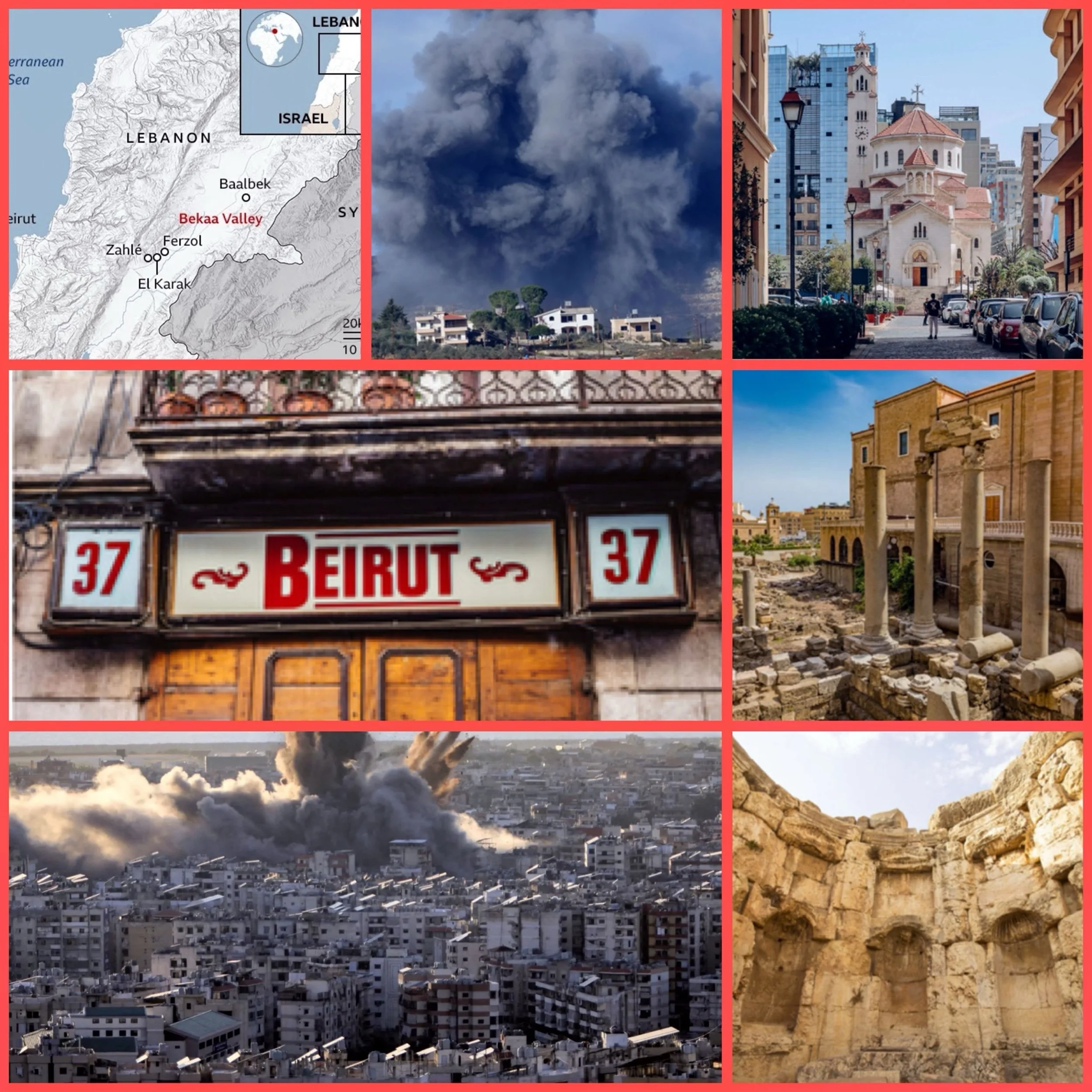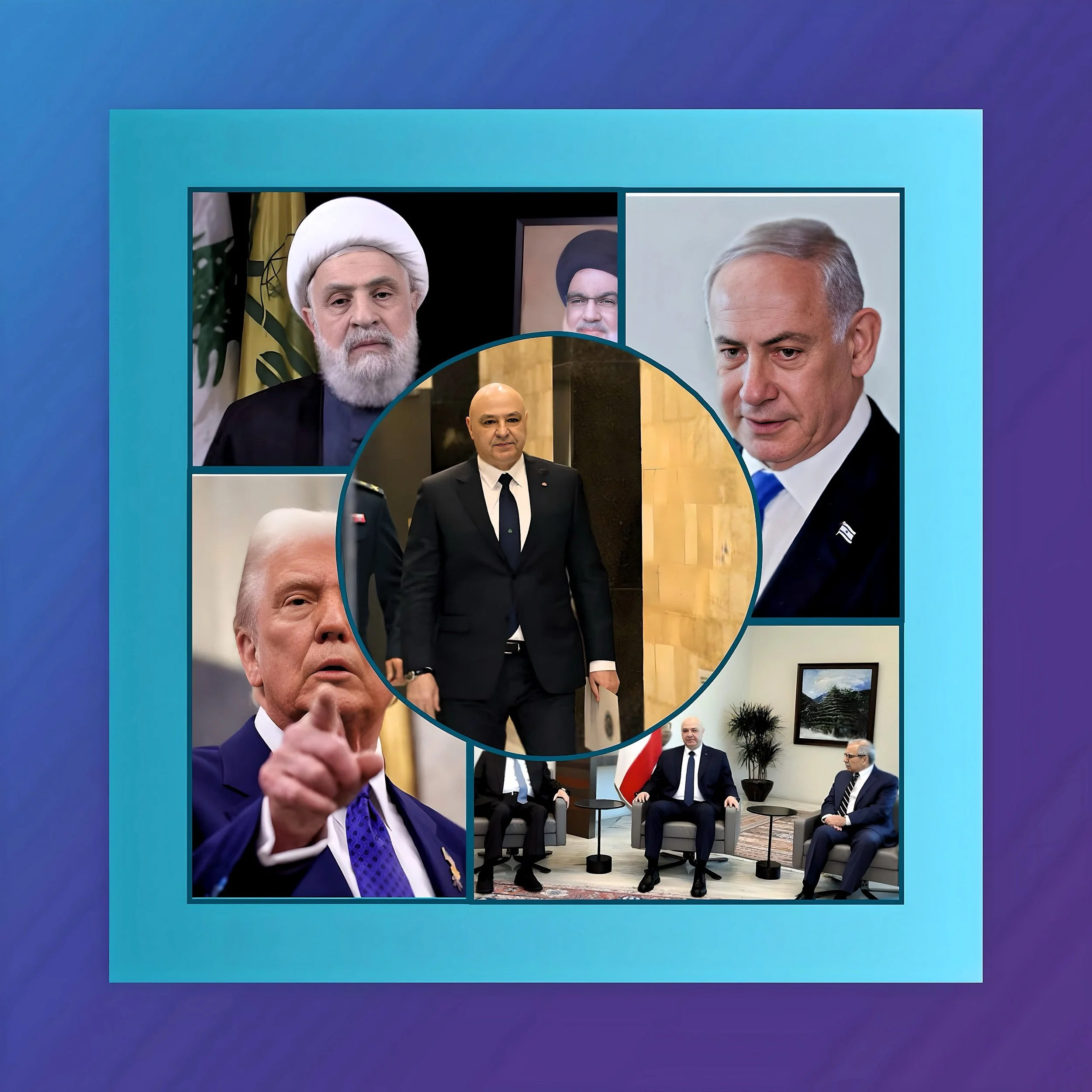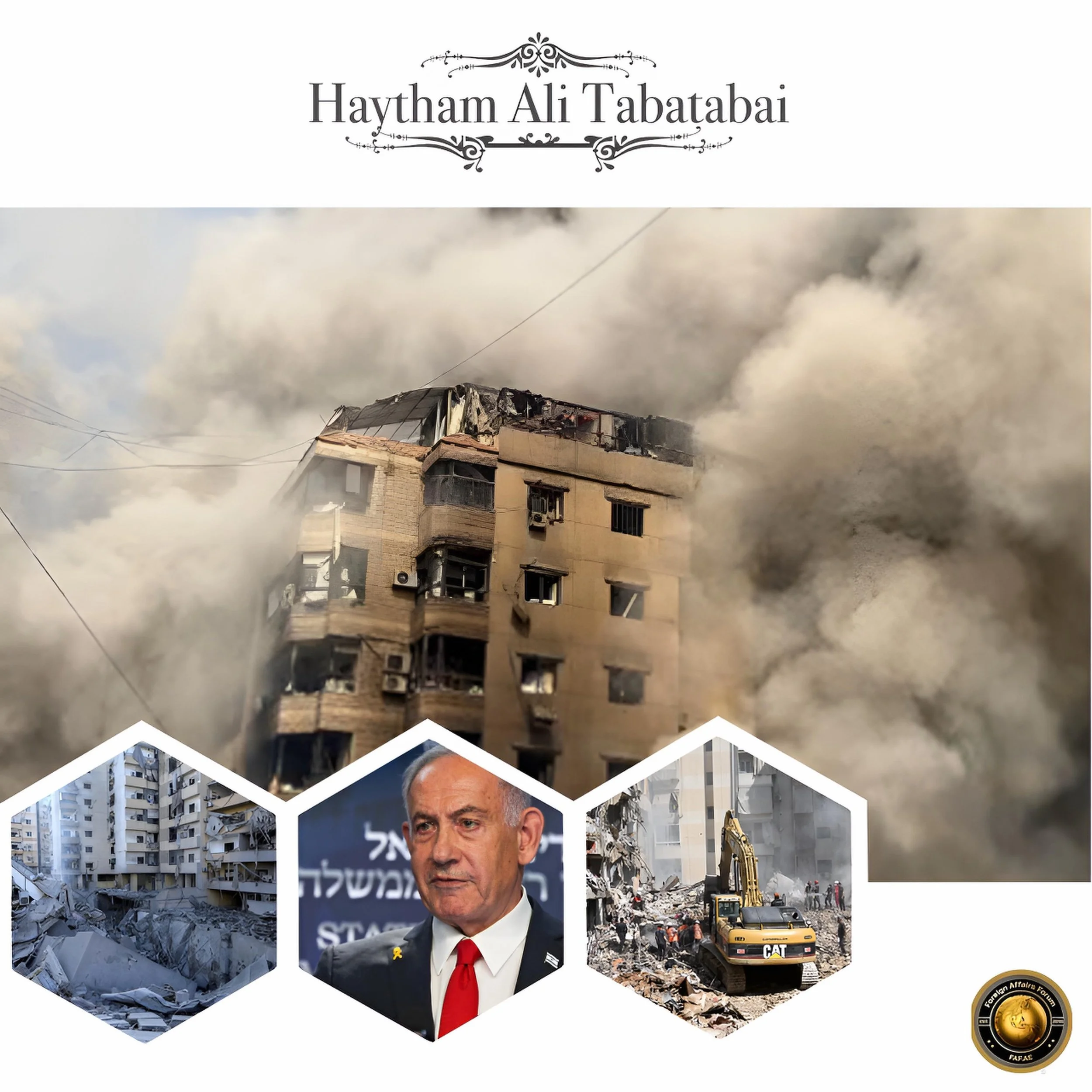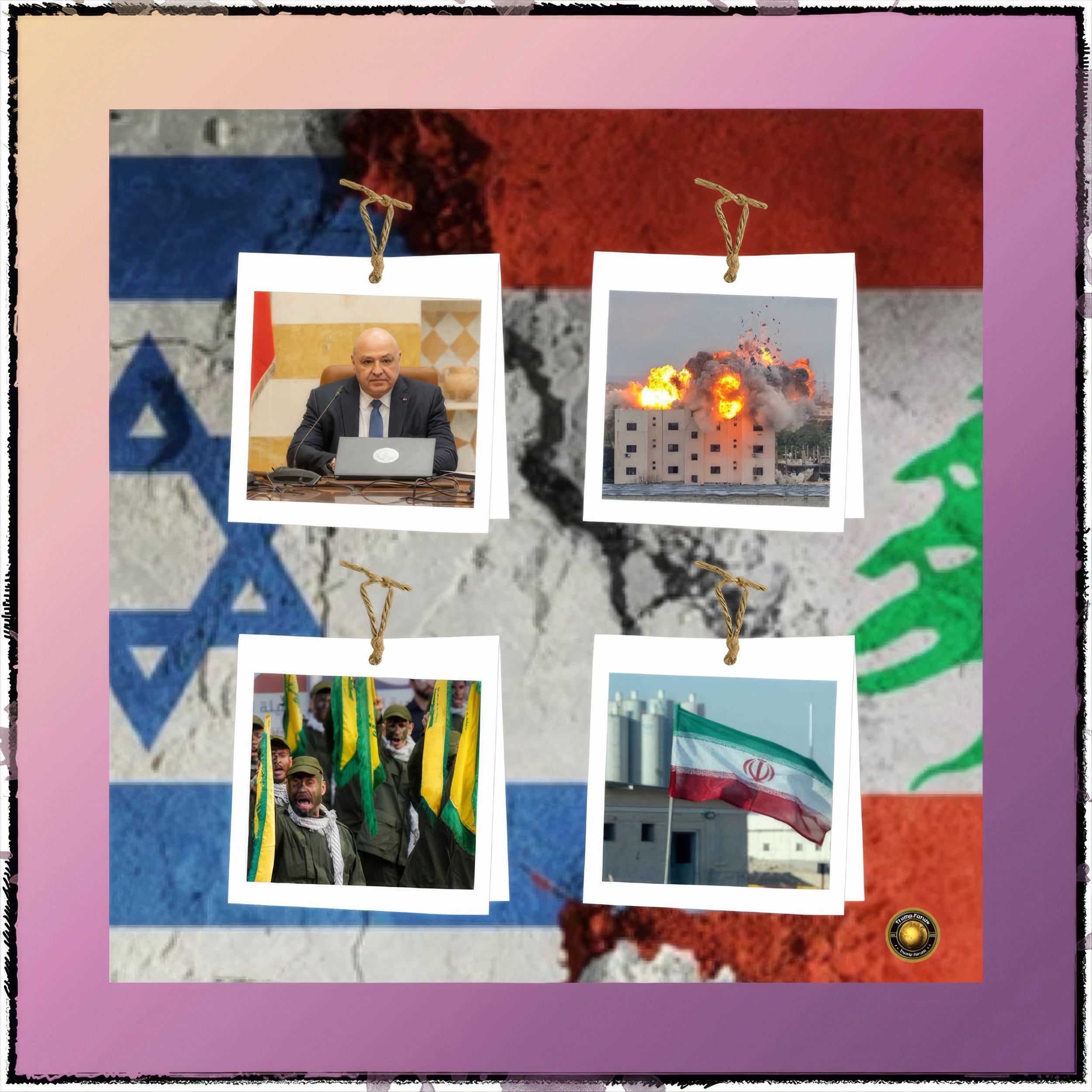
Lebanon: Between Sovereignty and Survival in an Expanding Regional War Landscape
Executive summary
Lebanon Caught Between War and Sovereignty as Hezbollah Crisis Deepens Under Regional Pressure
Lebanon stands at one of the most precarious moments in its modern history.
The widening conflict between the United States, Israel, and Iran has intensified internal fractures within Lebanon, exposing the structural weakness of its state institutions and the enduring dominance of Hezbollah as a parallel military and political force.
The Lebanese government now faces an existential dilemma: it cannot protect its territory from Israeli military action, nor can it effectively disarm Hezbollah without risking internal conflict.
This dual incapacity reflects decades of institutional erosion, sectarian fragmentation, and external intervention.
Recent developments have pushed Lebanon closer to a tipping point.
The government’s unprecedented move to declare Hezbollah’s militia illegal has triggered political polarization, sectarian tension, and localized violence.
Communities once aligned with Hezbollah have begun to distance themselves, while others accuse the government of capitulation to foreign pressure.
The social fabric of Lebanon is fraying under the combined weight of war, displacement, and economic collapse.
FAF article delves into Lebanon’s crisis as not merely a domestic political struggle but a manifestation of broader regional dynamics.
The war involving Iran and its adversaries has transformed Lebanon into a frontline landscape where competing stakeholders pursue strategic objectives.
The Lebanese state, lacking both coercive capacity and political cohesion, is increasingly marginalized in decisions that determine its own survival.
Introduction
Lebanon’s Fragile Statehood Tested as U.S.-Iran War Reshapes Regional Power and Internal Divisions
Lebanon has long occupied a paradoxical position in the Middle East: a sovereign state with limited sovereignty, a political system designed for balance but prone to paralysis, and a society marked by coexistence yet vulnerable to division.
The current escalation of conflict involving Iran, Israel, and the United States has brought these contradictions into sharp relief.
The Lebanese government’s recent decision to outlaw Hezbollah’s militia marks a historic rupture.
For decades, Hezbollah operated as both a resistance force and a dominant political stakeholder, justified by its role in confronting Israel.
Today, however, that justification is increasingly contested within Lebanon itself. The costs of repeated wars, economic devastation, and international isolation have reshaped public perceptions.
Yet the government’s decision does not resolve the underlying dilemma.
Hezbollah remains militarily stronger than the Lebanese Armed Forces and retains significant support within segments of the population.
At the same time, Israel continues to treat Lebanon as a unified threat, holding the state responsible for Hezbollah’s actions.
The result is a dangerous equilibrium in which Lebanon is simultaneously unable to control internal stakeholders and unable to shield itself from external aggression.
History and Current Status
A State Without Control: Lebanon’s Government Faces Hezbollah and Israel in Escalating Conflict
Lebanon’s contemporary predicament cannot be understood without reference to its historical trajectory.
The civil war that lasted from nineteen seventy five to nineteen ninety left deep scars on the country’s political and social landscape.
The postwar settlement, embodied in the Taif Agreement, sought to rebalance power among sectarian communities while preserving the state’s formal unity.
However, it did not fully resolve the question of armed nonstate stakeholders.
Hezbollah emerged during the nineteen eighties as a response to Israeli occupation, supported by Iran and rooted in Lebanon’s Shiite community.
Over time, it evolved into a hybrid stakeholder: part militia, part political party, and part social service provider.
Its military capabilities expanded significantly, particularly after Israel’s withdrawal from southern Lebanon in two thousand and the war of two thousand six.
The Lebanese state, weakened by corruption, economic mismanagement, and political fragmentation, gradually ceded authority over security and foreign policy to Hezbollah.
This arrangement was often described as a “state within a state,” reflecting the coexistence of formal institutions and parallel power structures.
In recent years, Lebanon’s economic collapse has further eroded state capacity.
The currency lost more than 90% of its value, public services deteriorated, and poverty levels surged.
These conditions have intensified public frustration with all political stakeholders, including Hezbollah, whose role in regional conflicts has been increasingly scrutinized.
Key Developments
The current crisis is defined by several interrelated developments that have transformed Lebanon’s internal dynamics.
The escalation of the U.S.-Iran conflict has heightened tensions across the region, drawing Hezbollah into a broader confrontation. Israeli strikes on Lebanese territory have intensified, targeting infrastructure and suspected Hezbollah positions.
These actions have displaced large numbers of civilians and exacerbated humanitarian conditions.
The Lebanese government’s decision to declare Hezbollah’s militia illegal represents a watershed moment.
This move reflects both internal pressure from political stakeholders and external pressure from international actors seeking to curtail Hezbollah’s influence.
However, the decision has also exposed the limits of state authority, as enforcement remains uncertain.
Social cohesion within Lebanon is deteriorating. Incidents of communities rejecting displaced populations, as well as public confrontations between different sectarian groups, indicate a breakdown of trust.
These developments evoke memories of the civil war and raise concerns about the potential for renewed internal conflict.
Latest Facts and Concerns
Between Disarmament and Destruction: Lebanon’s Impossible Choices in a Widening Middle East War
Lebanon’s current situation is characterized by a convergence of security, political, and humanitarian crises.
Israeli military operations continue to target areas associated with Hezbollah, often causing collateral damage and civilian casualties.
The Lebanese Armed Forces, constrained by limited resources and political constraints, are unable to prevent these incursions.
Hezbollah, while weakened by recent losses and internal dissent, retains significant military capabilities.
Its leadership faces a strategic dilemma: escalating conflict risks further devastation within Lebanon, while restraint may undermine its credibility as a resistance force.
The Lebanese government’s legitimacy is increasingly questioned. Its inability to provide basic services, ensure security, or articulate a coherent national strategy has eroded public confidence.
The risk of institutional collapse looms large.
Cause and Effect Analysis
Hezbollah, Israel, and a Broken State: Lebanon’s Deepening Crisis in a Regional War Landscape
The current crisis is the result of a complex interplay of structural weaknesses and external pressures.
At the structural level, Lebanon’s sectarian political system has hindered the development of a strong, unified state.
Power-sharing arrangements designed to prevent domination by any single group have instead produced fragmentation and inefficiency.
This environment has enabled nonstate stakeholders, such as Hezbollah, to accumulate power.
Externally, regional conflicts have repeatedly drawn Lebanon into broader confrontations.
Iran’s support for Hezbollah has strengthened its position, while Israel’s security concerns have led to periodic military interventions.
The United States’ involvement has further complicated the landscape, aligning Lebanon with larger geopolitical rivalries.
The interaction between these factors has created a cycle of dependency and vulnerability.
Hezbollah’s military strength provides deterrence but also invites retaliation.
The state’s weakness impedes effective governance, thereby reinforcing reliance on nonstate stakeholders.
Future steps
Lebanon’s Government Confronts Hezbollah Amid War, Collapse, and Rising Sectarian Fractures
Lebanon’s path forward is fraught with uncertainty. Several potential trajectories can be identified, each with significant risks.
One possibility is a gradual reassertion of state authority, supported by international assistance and internal reform.
This would require political consensus, economic stabilization, and a negotiated framework for integrating Hezbollah’s military capabilities into state structures. Such an outcome, however, appears unlikely in the near term.
Another scenario involves continued fragmentation and periodic conflict. In this trajectory, Lebanon remains a contested landscape where external stakeholders pursue their interests, and internal divisions persist.
This scenario risks further deterioration of living conditions and potential escalation into broader conflict.
A more concerning possibility is the outbreak of internal violence.
The growing polarization between supporters and opponents of Hezbollah, combined with economic hardship and displacement, could trigger localized clashes that escalate into wider instability.
Conclusion
Sovereignty in Crisis: Lebanon Struggles to Balance Internal Divisions and External Threats
Lebanon’s current crisis underscores the fragility of states caught between internal divisions and external conflicts.
The Lebanese government’s inability to both protect its territory and assert control over armed stakeholders reflects deeper structural challenges that cannot be resolved through short-term measures.
The war involving the United States, Israel, and Iran has transformed Lebanon into a critical landscape in a broader regional struggle.
In this context, the country’s future will depend not only on internal reforms but also on shifts in the regional balance of power.
Ultimately, Lebanon’s dilemma is one of sovereignty without capacity.
Until the state can reconcile its internal divisions and establish effective authority, it will remain vulnerable to both internal fragmentation and external