From Gods to Geopolitics: How Human Beliefs Drive War, Alliances, and Strategic Misperception Today
Executive Summary
How Belief Shapes Global Power: Michael Shermer’s The Believing Brain and the Psychology of Modern Geopolitics
Human beings rarely approach the world as purely rational observers. Instead, they interpret events through mental frameworks shaped by culture, identity, emotion, and historical memory.
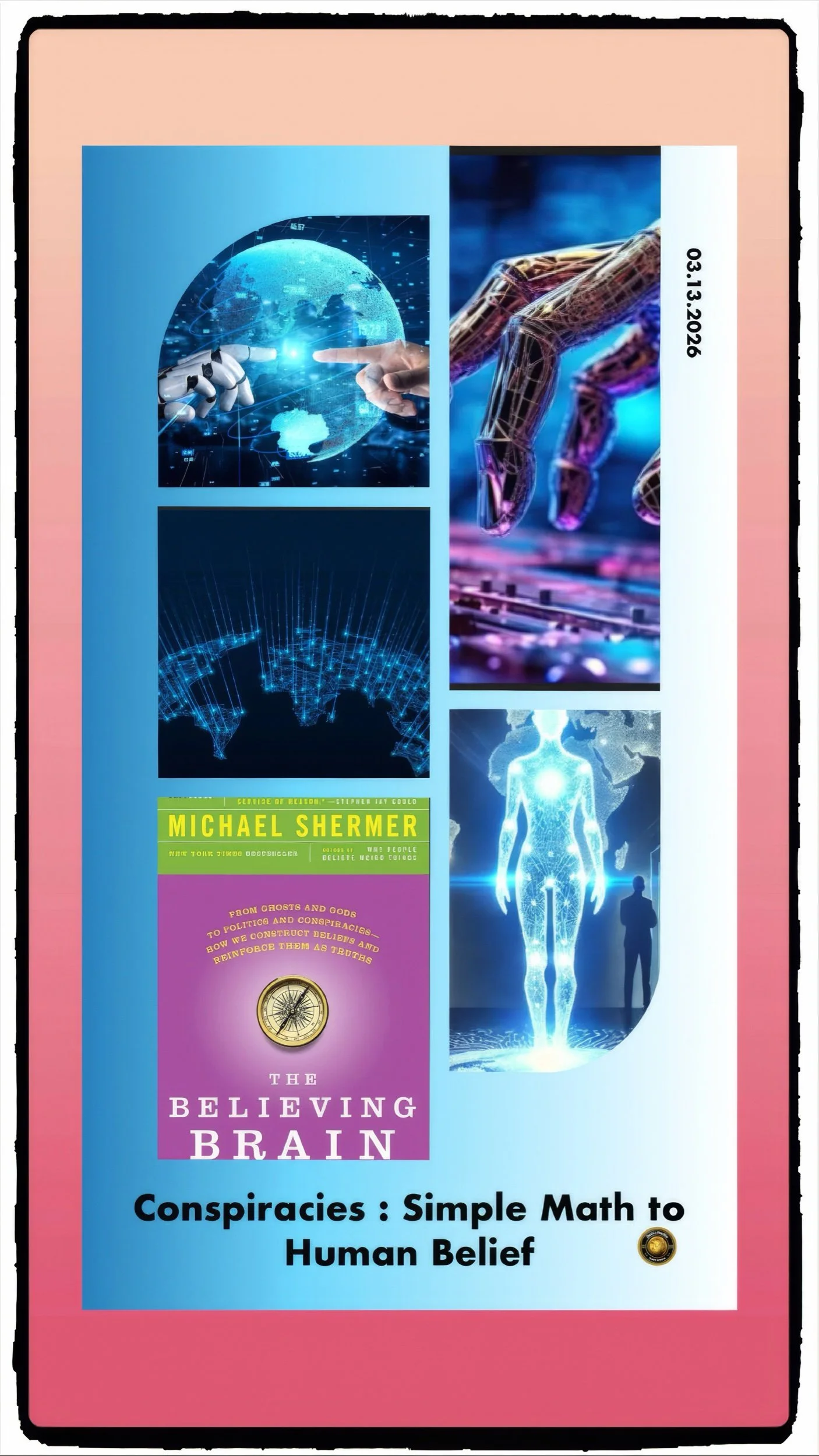
Michael Shermer’s book The Believing Brain argues that humans form beliefs first and then search for evidence to justify them.
According to this framework, belief precedes reasoning rather than emerging from it.
Once beliefs take hold, confirmation bias reinforces them by encouraging individuals and groups to accept information that aligns with their worldview while rejecting contradictory evidence.
This psychological insight has profound implications for geopolitics. Nations, like individuals, operate through narratives that define identity, legitimacy, and strategic purpose.
These narratives influence how leaders interpret threats, construct alliances, justify military action, and mobilize domestic populations.
In many cases geopolitical behavior cannot be explained solely by rational calculations of material power. Instead it reflects deeply embedded belief systems that shape national perception of reality.
The early twenty first century demonstrates the continued power of such belief systems.
Russia frames its strategic actions through narratives of civilizational defense and historical grievance.
China’s leadership promotes the idea of national rejuvenation after what it calls a century of humiliation.
Western democracies continue to frame global politics as a struggle to defend liberal order and democratic values.
Across the world populist movements mobilize voters by telling emotionally powerful stories about national decline, cultural identity, and betrayal by political elites.
At the same time conspiracy narratives and information warfare increasingly influence political discourse.
Digital communication platforms amplify cognitive biases by allowing individuals to inhabit information environments that reinforce their beliefs.
Rumors, ideological claims, and conspiratorial narratives can circulate globally within minutes, shaping public opinion and sometimes influencing policy decisions.
Understanding these psychological mechanisms is therefore essential for interpreting modern geopolitics.
Strategic competition is no longer confined to military capabilities or economic strength.
It also involves narrative legitimacy, ideological influence, and the ability to shape how societies perceive global events.
The lessons of The Believing Brain reveal why geopolitical rivalries often appear irrational.
Leaders and societies frequently interpret events through emotionally charged narratives that exaggerate threats and simplify complex realities.
Such dynamics can escalate conflicts and undermine diplomatic compromise.
Yet belief systems also provide cohesion and meaning.
National myths inspire collective identity and motivate societies to cooperate.
The challenge for modern geopolitics is not eliminating belief but understanding how belief operates within political decision making.
In a world where information spreads instantly and political narratives travel across borders, the psychology of belief may be as important to international stability as military power or economic strength.
Introduction
How Cognitive Bias and Political Storytelling Reshape Power, Conflict, and Trust in the Modern World
Belief as the Hidden Engine of World Politics
Modern international relations theory often assumes that states act rationally in pursuit of national interest.
Realist scholars emphasize power and security.
Liberal theorists focus on institutions and economic interdependence. Yet historical experience shows that geopolitical decisions frequently emerge from perceptions shaped by ideology and identity rather than objective calculation.
Michael Shermer’s concept of the believing brain provides an important explanation for this pattern.
Humans evolved in environments where rapid interpretation of ambiguous signals could mean the difference between survival and danger. As a result the human brain became highly skilled at detecting patterns and assigning meaning to events.
This cognitive ability allowed early humans to infer intention behind natural phenomena and to detect potential threats quickly.
However it also created a tendency to see patterns even when none exist. Humans connect unrelated events, construct narratives to explain coincidence, and attribute agency to complex processes.
Once individuals adopt a belief, psychological mechanisms reinforce it.
Confirmation bias leads people to accept supportive evidence while ignoring contradictory information. Social identity further strengthens beliefs because individuals seek approval within communities that share the same worldview.
These tendencies operate not only within individuals but also within societies and political institutions.
Nations construct narratives about their history, identity, and destiny. These narratives shape how societies interpret geopolitical events.
For example national education systems often teach historical stories that emphasize collective struggle, heroism, and cultural uniqueness.
Political leaders draw upon these narratives to justify policies and mobilize support.
In this way geopolitics becomes not only a contest of material capabilities but also a competition between belief systems. Strategic rivalry increasingly involves narratives about legitimacy, moral authority, and historical justice.
The believing brain therefore offers a powerful framework for understanding why geopolitical conflicts persist even when compromise appears rational.
History and Current Status
The Believing Brain in World Affairs: National Myth, Political Narratives, and the Fragile Global Order
Belief Systems in the Evolution of Global Power
Belief has shaped international politics for thousands of years. In ancient civilizations rulers often claimed divine authority.
Egyptian pharaohs, Roman emperors, and Chinese dynasties all justified their rule through spiritual narratives that connected political power to cosmic order.
These belief systems created legitimacy for governance while also shaping relations between states.
Wars were frequently interpreted as struggles between divine missions or civilizational destinies.
During the medieval period religious belief structured geopolitical landscapes across vast regions.
Christian kingdoms fought wars framed as sacred missions, while Islamic empires justified expansion through the spread of faith and law.
The rise of the modern nation state gradually replaced religious authority with nationalism as the dominant political belief system.
The French Revolution introduced the concept that sovereignty belonged to the nation rather than to monarchs.
This idea unleashed powerful emotional loyalty among citizens.
Nationalism reshaped global politics during the nineteenth and twentieth centuries. It unified fragmented regions into nation states but also intensified rivalries between them.
The First World War and Second World War both emerged partly from nationalist belief that each nation had a historical right to dominance.
The 20th Century introduced ideological belief systems that transcended national boundaries.
Fascism, communism, and liberal democracy presented competing visions of how society should be organized.
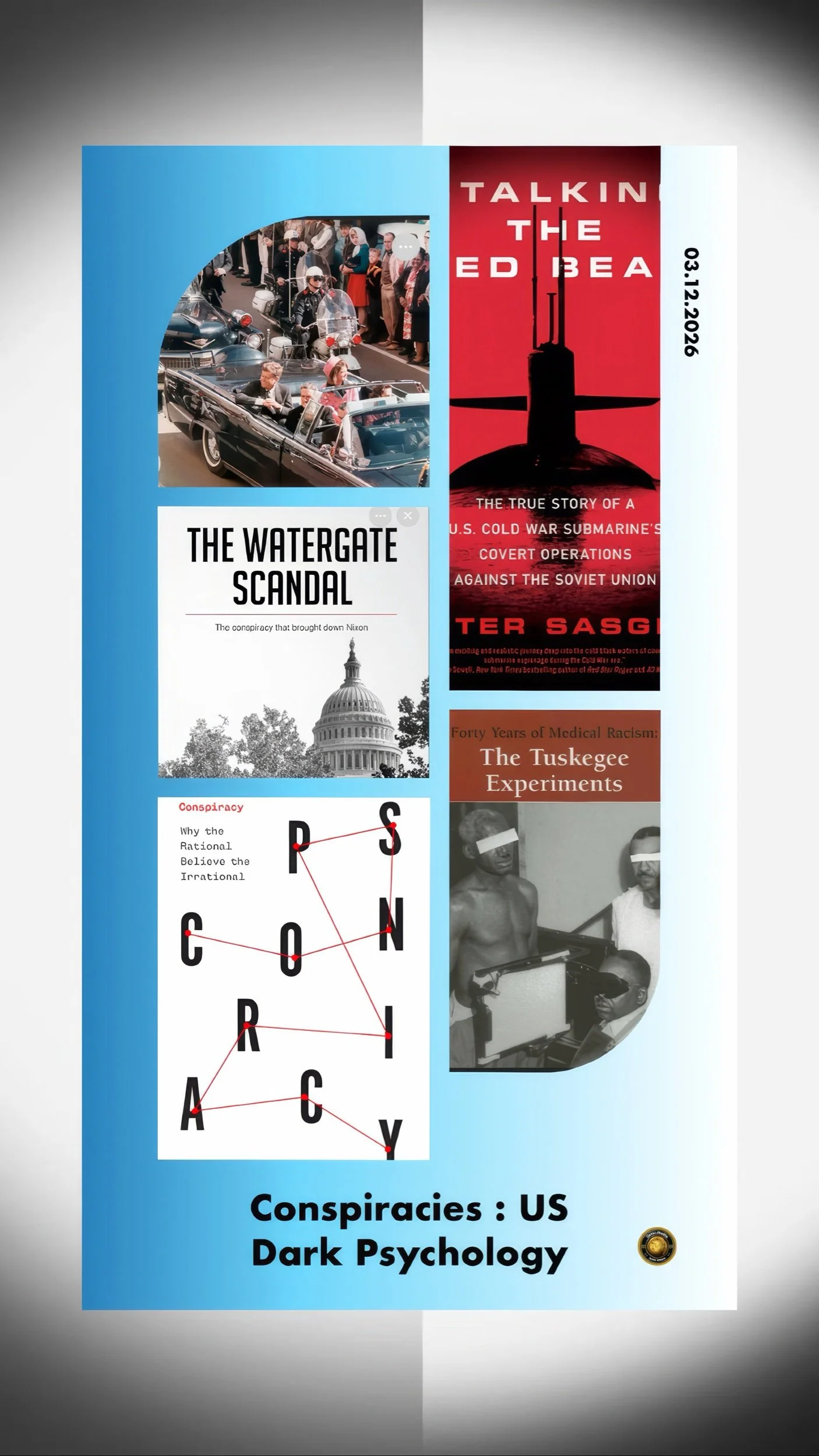
The Cold War became a global competition between these ideological systems.
Each side believed its political model represented the inevitable future of humanity.
When the Soviet Union collapsed many analysts predicted the end of ideological rivalry.
Liberal democracy appeared to have triumphed, and globalization promised economic integration.
Yet the early 21st century reveals that belief systems remain central to geopolitics.
National identity has resurged, civilizational narratives shape policy debates, and ideological competition has returned in new forms.
Countries increasingly interpret global politics through stories about cultural identity, historical injustice, and strategic destiny.
Key Developments
Narrative Competition in the Twenty First Century
Several developments illustrate the importance of belief systems in contemporary geopolitics.
One major development is the return of civilizational narratives. Political leaders often frame international competition as a struggle between cultural models rather than merely a contest for power.
China’s leadership promotes the concept of national rejuvenation. This narrative emphasizes recovery from historical humiliation and restoration of China’s rightful place in global history.
Russia’s political discourse similarly invokes civilizational identity and historical memory. Strategic decisions are often framed as efforts to defend cultural values and restore geopolitical influence.
Western democracies continue to emphasize narratives about defending freedom, democracy, and international rules.
These competing stories shape geopolitical landscapes by defining how nations interpret each other’s intentions.
Another development is the rise of information warfare. Governments increasingly attempt to influence global audiences through strategic communication campaigns.
These campaigns recognize that shaping belief can be as important as controlling territory.
A third development is the expansion of digital information networks.
Social media platforms allow narratives to spread rapidly across societies. Individuals increasingly consume information that reinforces their existing beliefs.
This environment strengthens ideological communities while weakening shared understanding of facts.
Together these developments illustrate how geopolitics increasingly unfolds within the psychological landscape described in The Believing Brain.
Latest Facts and Concerns
Polarization, Misinformation, and Strategic Misperception
Recent geopolitical developments highlight the dangers of belief driven politics.
Strategic misperception remains a major risk in international relations.
When leaders interpret rival actions through ideological narratives they may exaggerate threats or underestimate opportunities for compromise.
Political polarization within many countries also amplifies belief conflicts. Different social groups interpret the same global events through competing narratives.
One striking example is the political narrative surrounding Donald Trump’s promise to “Make America Great Again.”
The slogan functions not simply as a policy proposal but as a belief narrative that appeals to nostalgia, identity, and perceived national decline.
Supporters often interpret political developments through this narrative framework, reinforcing the belief that Trump represents a unique defender of American interests against corrupt elites.
Critics argue that the geopolitical outcomes of this narrative may diverge from its promise.
Developments such as the capture of Venezuela’s Nicolás Maduro, escalating threats toward neighboring countries, and tensions with traditional allies have raised questions about the long term direction of American foreign policy.
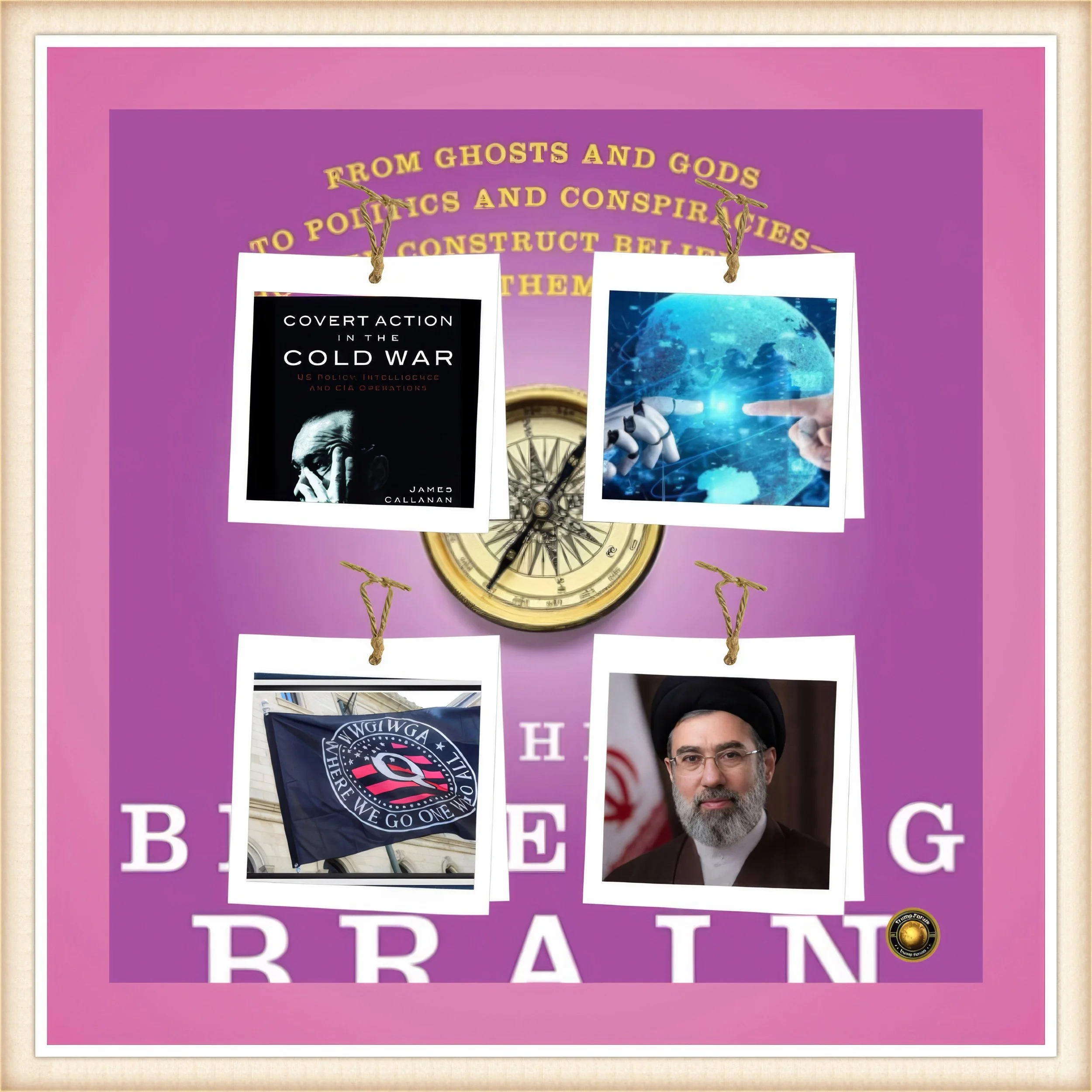
At the same time conspiracy narratives connected with movements such as QAnon have influenced segments of the political landscape.
These narratives claim that hidden networks of elites manipulate global institutions. Such beliefs reinforce distrust toward governments, media organizations, and international institutions.
The escalation of military confrontation with Iran further illustrates the risks of belief driven geopolitics.
When conflicts are framed as moral struggles rather than strategic disputes, diplomatic compromise becomes more difficult.
These dynamics demonstrate Shermer’s insight that belief systems can shape political perception even when policy outcomes appear contradictory or uncertain.
Psychology of National Mythmaking
How Nations Create Collective Stories
National identity relies heavily on collective myths that transform historical events into narratives of shared meaning.
These myths often emphasize heroism, sacrifice, and cultural uniqueness. Education systems, political speeches, and cultural institutions reinforce these stories across generations.
Such narratives serve important social functions. They create cohesion, motivate collective action, and justify political institutions.
However national myths can also distort historical memory. Events may be simplified or selectively interpreted to reinforce national pride.
In geopolitics these myths influence how societies interpret rivals. Historical grievances can shape threat perception long after the original conflict has ended.
Understanding these psychological processes helps explain why geopolitical tensions sometimes persist for decades despite changes in strategic circumstances.
Digital Disinformation and Cognitive Warfare
The New Battlefield of Belief
In the digital age belief itself has become a strategic landscape.
Information technologies allow political narratives to spread globally within seconds. Governments and non state stakeholders increasingly attempt to influence public opinion through digital campaigns.
These campaigns exploit cognitive biases identified in The Believing Brain. Messages that confirm existing beliefs are more likely to be shared and accepted.
As a result misinformation can spread rapidly within ideological communities.
This phenomenon creates a new form of geopolitical competition sometimes described as cognitive warfare. The goal is not merely to control territory but to shape how societies interpret events.
The strategic consequences are significant. If public perception shifts dramatically, governments may face pressure to adopt policies that escalate tensions.
Cause and Effect Analysis
The Believing Brain and World Politics: How Human Beliefs Shape Power, Conflict, and Global Narratives
How Belief Systems Shape Global Conflict
Belief systems influence geopolitics through several interconnected mechanisms.
First belief shapes threat perception. Nations interpret rival actions through historical narratives and ideological assumptions.
Second belief shapes strategic identity. Countries develop stories about their mission in global order.
Third belief influences alliance formation. Nations with similar narratives often cooperate more easily.
Fourth belief affects domestic legitimacy. Leaders justify foreign policy decisions through narratives about national destiny or moral responsibility.
These mechanisms demonstrate how psychological processes influence international relations.
Future Steps
Managing Belief in Global Politics
Recognizing the influence of belief does not mean abandoning rational policy analysis. Instead policymakers must integrate psychological insight into strategic planning.
Education systems should encourage critical thinking and awareness of cognitive bias.
Media literacy programs can help citizens evaluate information sources and resist manipulation.
Diplomatic negotiations must also consider historical narratives and identity concerns. Successful diplomacy often requires acknowledging the stories that shape national perception.
International institutions may help create shared frameworks for dialogue even when ideological disagreement persists.
Ultimately managing belief in geopolitics requires balancing national identity with openness to evidence and compromise.
Conclusion
Why Nations Believe Their Own Narratives: Cognitive Bias, Conspiracy Thinking, and the New Geopolitical Landscape
The Human Mind as the Central Landscape of Power
Michael Shermer’s exploration of human belief offers a powerful lens for interpreting modern geopolitics.
Nations do not act purely according to rational calculation. They act according to narratives that define identity, legitimacy, and destiny.
These narratives can inspire cooperation but also generate conflict when they transform geopolitical competition into existential struggle.
The twenty first century international landscape increasingly reflects this tension. Strategic rivalry now involves not only military and economic capabilities but also the ability to shape global belief.
Understanding the psychology of belief therefore becomes essential for maintaining international stability.
In a world defined by rapid communication and competing narratives the most important battlefield may ultimately be the human.