Why Beliefs Matter in World Politics - Beginners 101 Guide to Human Fragile Thinking Neurons
Executive Summary
Michael Shermer’s book The Believing Brain explains an important idea about human thinking.
People usually believe something first and then look for evidence to support that belief.
This happens because the human brain evolved to recognize patterns quickly.
This idea helps explain many events in world politics today. Countries often make decisions based on national stories and beliefs rather than only facts.
Understanding how belief works can help us better understand wars, alliances, and political conflicts.
Introduction
Why Humans Believe Stories
Human beings like stories because stories make the world easier to understand.
Our brains try to find meaning in events. Sometimes we connect things that are not really related.
When people share the same stories, those stories become powerful beliefs.
History and Current Status
Beliefs in the History of Nations
For thousands of years rulers used belief systems to explain their power.
In ancient times many rulers claimed they were chosen by gods.
Later nationalism became the main belief system in politics.
People believed they belonged to nations with shared language, culture, and history.
Key Developments
Beliefs in Modern Geopolitics
Today many governments promote national stories about history and identity.
China speaks about national rejuvenation.
Russia speaks about defending its civilization.
Western countries often speak about protecting democracy.
These stories shape how nations see the world.
Latest Facts and Concerns
Political Narratives Today
Political leaders often use powerful slogans to influence public belief.
For example Donald Trump’s message about making America great again created a strong emotional narrative among supporters.
However critics argue that some foreign policy actions have increased tensions with allies and rivals.
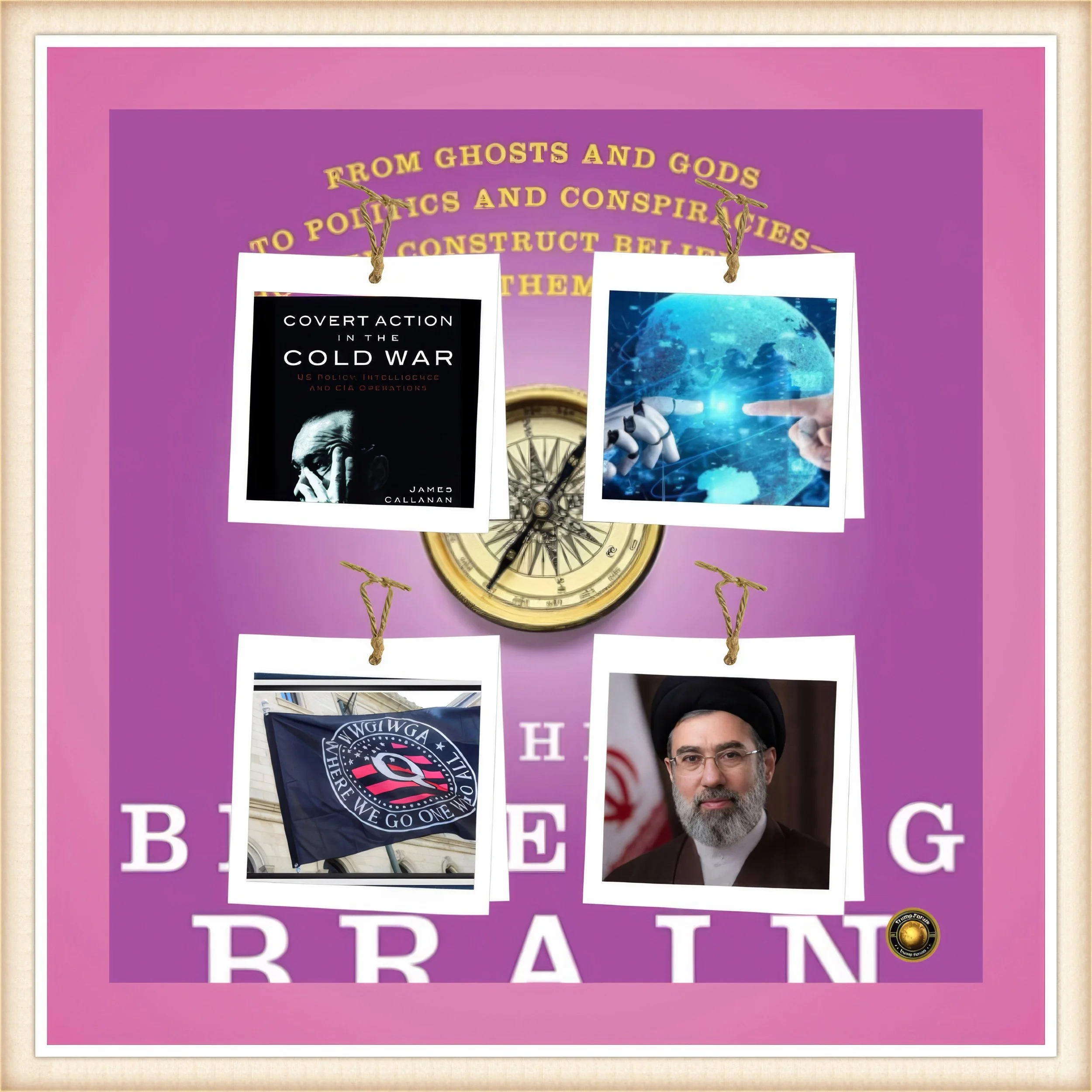
Conspiracy movements like QAnon show how powerful belief systems can become in politics.
Cause and Effect
Why Beliefs Influence Conflict
Beliefs affect how countries see threats.
If a nation believes another country is hostile, even small actions may seem dangerous.
Beliefs also influence alliances and diplomatic relations.
Future Steps
Managing Belief
Education and media literacy can help people understand misinformation.
Diplomacy should recognize the role of history and identity in shaping national attitudes.
Understanding belief may help prevent unnecessary conflict.
Conclusion
Understanding the Believing Brain
Michael Shermer’s idea of the believing brain shows why politics is often emotional rather than purely rational.
Nations act according to stories they believe about themselves and their rivals.
Understanding these beliefs can help the world manage conflict and build cooperation.