Why People Believe Conspiracies During War and Political Crises - Beginner's Guide to Conspiracy Theories

Executive summary
Many people think conspiracy theories are only believed by extreme groups.
But research shows that ordinary people can also believe them.
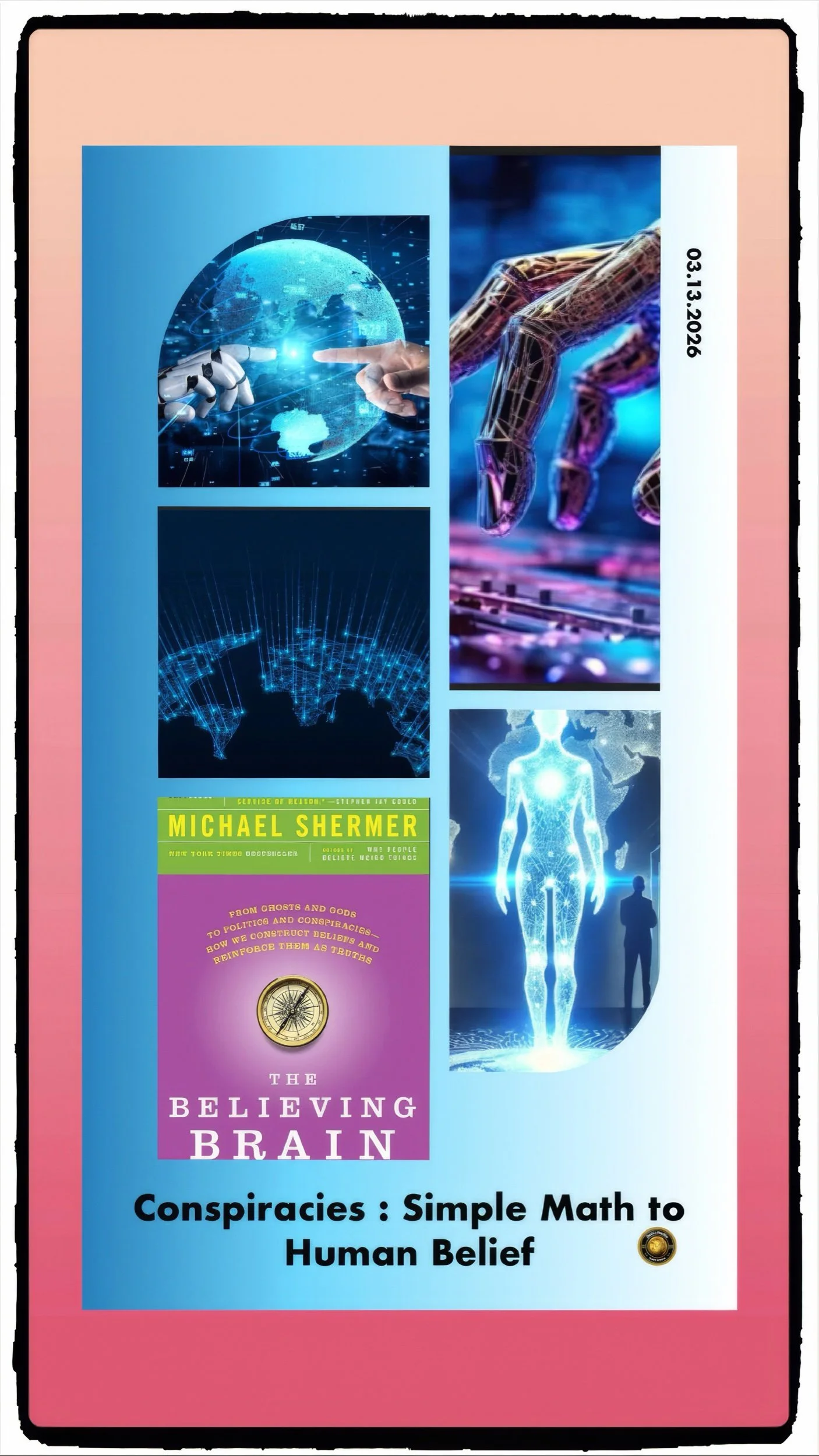
Psychologist Michael Shermer explains that humans often look for patterns and hidden connections, especially when the world feels confusing or dangerous.
In recent years conspiracy theories have become very common in politics.
They appear in debates about elections, wars, and global power struggles. Some people believe secret groups control governments or global events.
Others believe political leaders hide the real reasons behind wars or economic problems.
Part of the reason is that real conspiracies have happened in history.
Governments have hidden information, intelligence agencies have run secret operations, and powerful organizations have sometimes lied to the public.
These examples make people more likely to believe new conspiracy claims.
The modern world also spreads conspiracy ideas quickly.
Social media allows stories to travel around the world in minutes. When people see the same idea repeated many times, they may begin to believe it.
Today global tensions, including conflicts involving the United States, Israel, and Iran, create even more uncertainty.
During wars, governments often keep information secret for security reasons.
This secrecy can cause people to imagine hidden plans or secret agreements.
Understanding why people believe conspiracy theories helps societies deal with misinformation and rebuild trust.
Introduction
Conspiracy theories are stories that claim powerful groups secretly plan events that affect the public.
These stories often suggest that governments, corporations, or elites are hiding the truth.
For many years conspiracy theories existed mainly on the edges of political discussion. But today they are much more common. Some appear in mainstream politics, television debates, and online discussions.
Michael Shermer argues that believing conspiracies is part of human psychology.
Humans naturally search for patterns and meaning. When something shocking happens, people want an explanation.
For example, if a war suddenly begins or a leader is assassinated, people often ask whether hidden groups planned it. They may feel that random events are harder to accept than secret plots.
In the modern world this tendency is stronger because information moves quickly and institutions are often mistrusted.
History and current status
Conspiracy theories have existed for centuries. In ancient times people believed secret groups were trying to control rulers or destroy kingdoms.
In the twentieth century many conspiracy theories appeared in the United States.
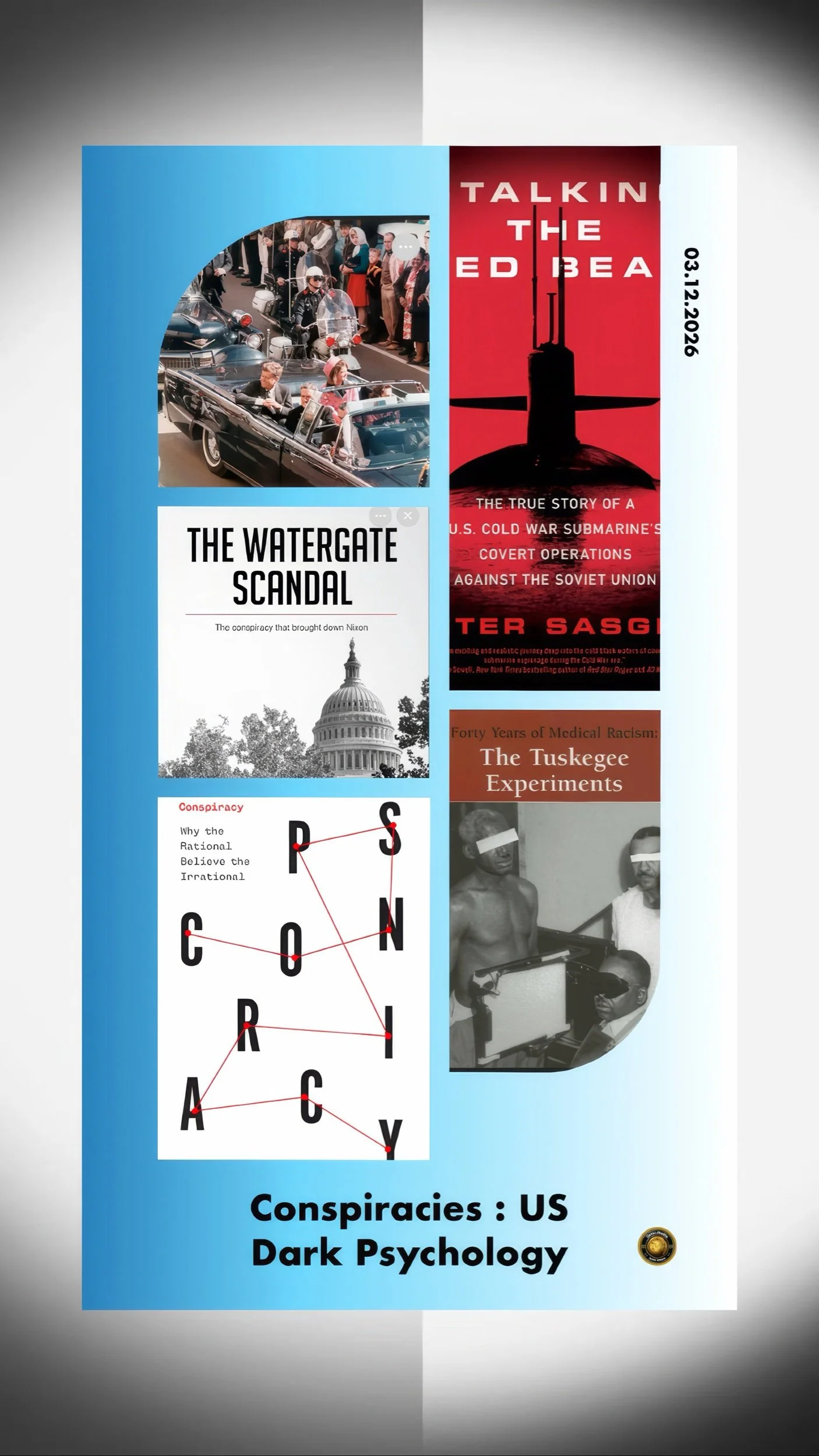
After President John F. Kennedy was assassinated, many citizens believed more than one person was involved.
Later scandals increased public suspicion.
The Watergate scandal revealed that political leaders had secretly tried to spy on opponents.
Other controversies showed governments sometimes hid information from citizens.
Because real conspiracies happened, people became more open to believing new ones.
In recent decades the internet has made conspiracy ideas spread faster.
Online communities allow people with similar beliefs to support each other. This creates strong belief systems even when there is little evidence.
Today conspiracy theories influence politics around the world. Some claims involve elections, secret government plans, or hidden global networks.
Key developments
Several changes have made conspiracy theories more powerful in modern society.
The first change is technology.
Social media platforms allow anyone to publish ideas instantly.
These ideas can reach millions of people without being checked by editors or experts.
The second change is political polarization. Many societies are divided into strong political camps. Each side may distrust media and institutions linked to the other side.
The third change is global uncertainty.
Economic crises, pandemics, and wars make people feel uncertain about the future. In uncertain times people search for simple explanations.
These developments have created a world where conspiracy narratives can spread quickly and influence public opinion.
Latest facts and concerns
Current global conflicts have increased conspiracy thinking.
Tensions involving Iran, Israel, and the United States are often discussed through competing narratives about hidden plans.
For example, when military strikes occur, governments rarely reveal all strategic details.
Citizens may therefore imagine secret motives or hidden agreements between global stakeholders.
Political leaders also shape public belief. When leaders question election results or accuse institutions of corruption, they may increase distrust among their supporters.
Donald Trump’s political career showed how powerful such narratives can become.
Claims about election manipulation or secret political networks attracted millions of followers.
At the same time wars and geopolitical crises create large amounts of uncertainty.
This uncertainty often produces conspiracy stories about secret alliances or hidden agendas.
Cause and effect analysis
Psychology explains why conspiracy thinking is so common.
Humans naturally look for patterns. If several events happen close together, people may assume they are connected even if they are not.
For example, if a political crisis and a military attack happen in the same week, some individuals may believe they were secretly coordinated.
Another factor is fear. When people feel powerless or anxious, conspiracy stories provide a sense of explanation.
They turn chaos into a planned story.
Group identity also matters.
People tend to believe ideas that match the beliefs of their social group. If friends or political allies support a conspiracy narrative, individuals are more likely to accept it.
Technology strengthens this effect. Social media algorithms often show users content similar to what they already believe.
This creates echo chambers where the same ideas appear repeatedly.
Over time repeated exposure can make conspiracy theories seem more believable.
Future steps
Societies can reduce the impact of conspiracy thinking by improving trust and education.
Governments can communicate more openly with citizens about major decisions.
When people understand policies and strategies, they are less likely to imagine secret motives.
Education systems can also teach critical thinking skills.
Students should learn how to evaluate information and check whether claims are supported by evidence.
Media organizations must work to rebuild public trust by improving transparency and accuracy.
Technology companies also have an important role.
They can reduce the spread of misinformation by improving how their platforms manage false claims.
Finally political leaders should avoid using conspiratorial language to gain support. Responsible leadership can help reduce public mistrust.
Conclusion
Conspiracy theories are not simply strange beliefs held by a few individuals.
They are connected to deeper social forces including fear, uncertainty, and distrust of institutions.
Michael Shermer explains that humans naturally search for patterns and hidden connections.
When the world becomes confusing or unstable, conspiracy narratives become attractive explanations.
Modern technology and political polarization have made these narratives more powerful than ever before.
Global conflicts and geopolitical tensions can further increase speculation about secret plans and hidden alliances.
The challenge for modern societies is to rebuild trust while encouraging critical thinking.
When citizens have reliable information and confidence in institutions, conspiracy theories lose much of their influence.
Understanding why rational people sometimes believe irrational ideas is the first step toward creating a more informed and stable political environment.