What Is the Trump Doctrine? America's New Way of Dealing With the World - Beginners 101 Guide to Trump’s Mind Today!
A Quick Summary
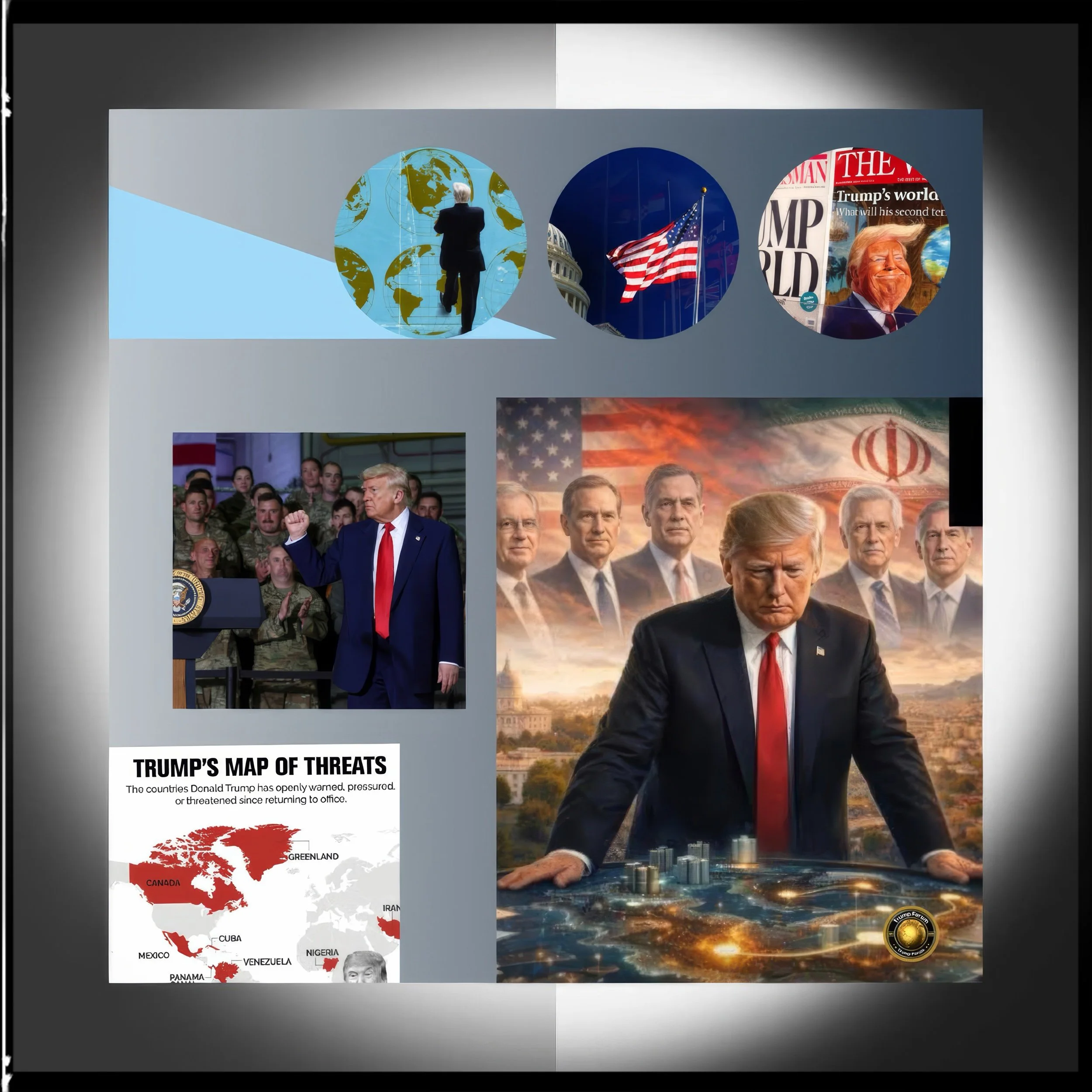
Since coming back to power in January 2025, United States President Donald Trump has been doing things around the world that have shocked many people.
He ordered a military operation to capture the leader of Venezuela.
He threatened Colombia, Cuba, and Mexico.
He pushed hard for the United States to take control of Greenland, a territory that belongs to Denmark — a NATO ally.
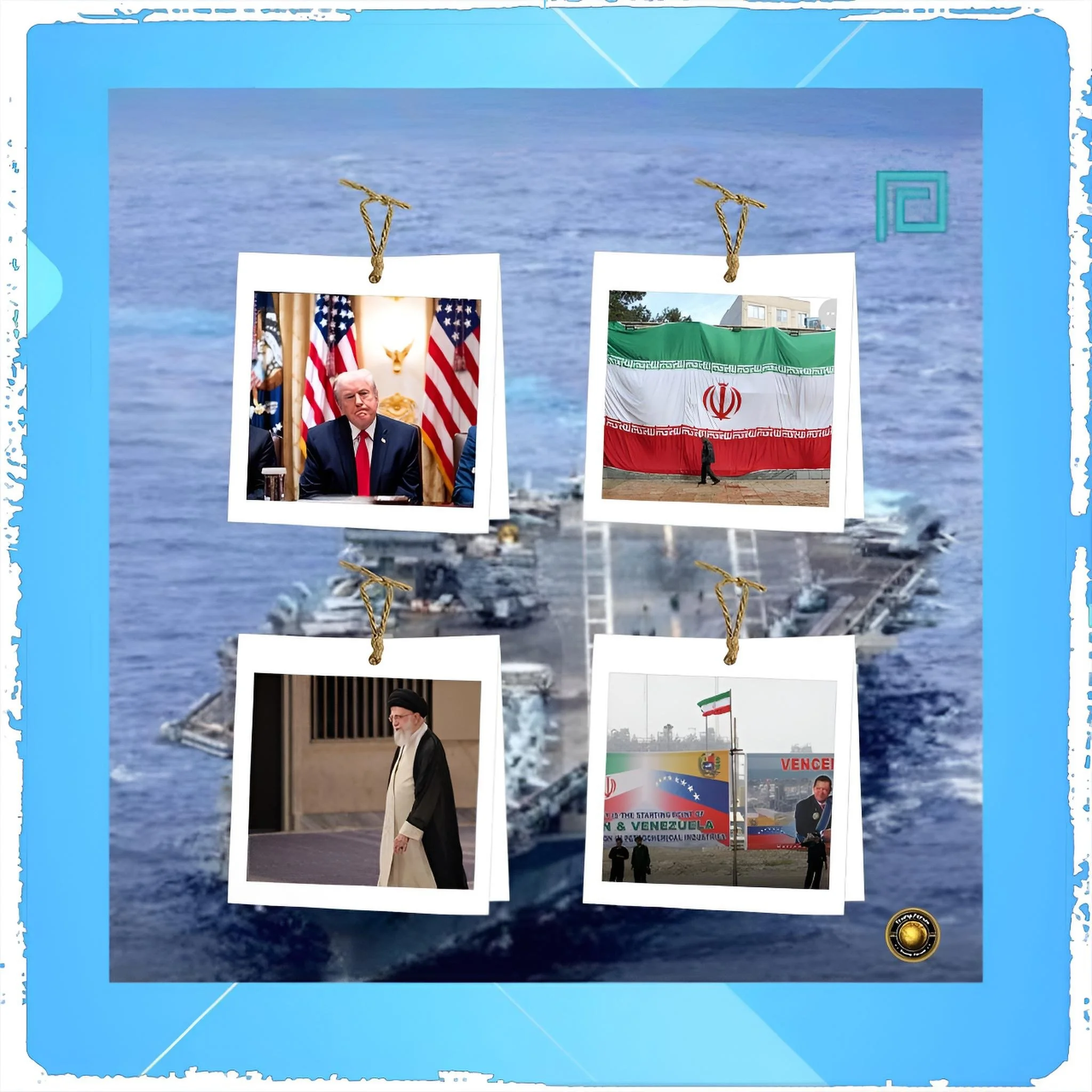
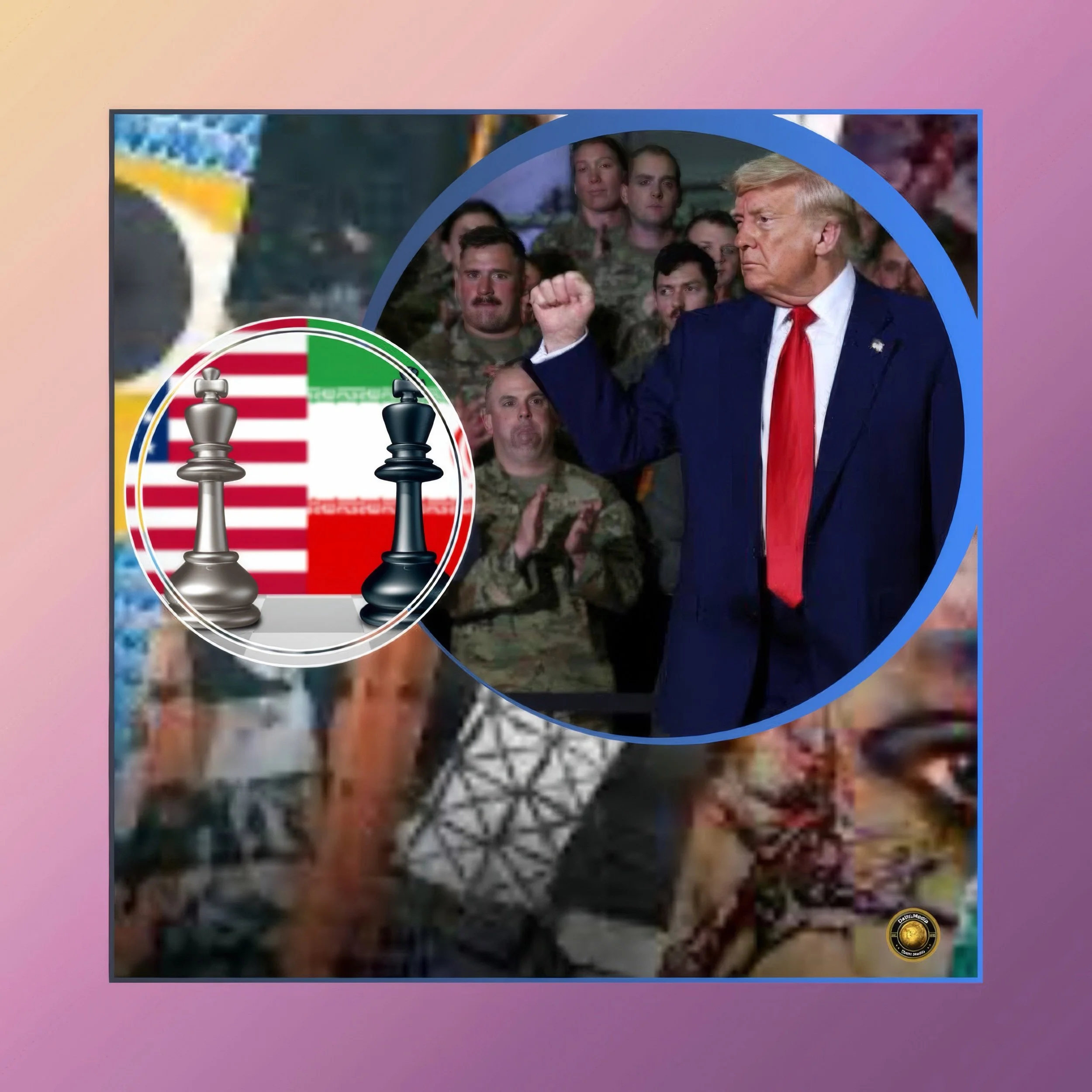
And on February 28, 2026, he launched major military strikes against Iran, calling the operation "Epic Fury."
Many people have asked: does Trump actually have a plan?
The answer, it turns out, is yes — though it looks very different from anything we have seen before from an American president.
How We Got Here: A Short History
To understand what Trump is doing now, it helps to go back about 200 years.
In 1823, President James Monroe told the world that the United States considered the Western Hemisphere — North and South America — its territory of special concern.
No outside powers, he said, should be allowed to meddle there.
This became known as the Monroe Doctrine, and it shaped American foreign policy for generations.
For most of the last 80 years, however, the United States tried to be the leader of a global system based on international rules, alliances, and shared values.
It helped build institutions like the United Nations and NATO.
It promoted democracy and free trade.
That system was imperfect, but it gave small and medium-sized countries some protection under international law.
Trump's first term, from 2017 to 2021, began to chip away at this.
His second term, which started in 2025, has gone much further.
The Trump administration has, step by step, replaced the old idea of America as a global rule-setter with a new idea: America as a great power that uses its strength to control its neighborhood, take what it needs, and deny rivals what they want.
The "Donroe Doctrine" — What It Means
Analysts have started calling Trump's approach the "Donroe Doctrine" — mixing his name with Monroe's. The idea is simple: the Western Hemisphere belongs to the United States, and China and Russia must be kept out.
The 2025 American National Security Strategy says explicitly that the United States will "deny non-hemispheric competitors" the ability to own or control important assets in the Americas.
Think of it this way. Imagine your neighborhood has a park that everyone shares.
One day, the biggest family on the block decides that only they get to use the park, and anyone from outside the street is not welcome — especially two rival families from across town.
That is roughly what the Donroe Doctrine says about the Western Hemisphere: it is America's park, and China and Russia are not welcome.
Venezuela is a good example of this in action. Venezuela has some of the largest oil reserves in the world. China had been investing heavily there.
By capturing Venezuela's leader and effectively taking control of the country's direction, Trump denied China access to those oil reserves while opening them to American firms. It was, in strategic terms, a power move that served two goals at once: gaining resources and blocking a rival.
The Real Estate Mindset in World Affairs
Here is something that helps explain Trump's thinking in a very direct way. Before becoming president, Trump spent decades as a property developer.
He bought undervalued buildings, renovated them, put his name on them, and sold them at a profit.
He was always looking for leverage: what does the other person need, and how can I use what I have to get what I want?
He has brought exactly that mindset to foreign policy.
Each country, in his framework, is a kind of property with a value. Venezuela is like a neglected building with great bones — lots of oil, strategic location — that just needs new management.
Greenland is like a plot of land whose owner does not fully appreciate its value — sitting in the Arctic, full of minerals, critical for military purposes — and who can be pressured into selling or surrendering control.
Iran is like a building whose current tenant has violated every rule, damaged the property, and can no longer be tolerated — so the landlord is moving to evict by force.
This is not the language of traditional diplomacy. But it does explain why Trump's goals keep shifting in their presentation while remaining consistent in their underlying logic.
The specific words he uses — nuclear threat today, freedom for Iranians tomorrow, unconditional surrender the day after — are less important than the underlying calculation: Iran, under its current leadership, is a problem to be solved rather than a rival to be managed.
The War on Iran: What Happened and Why
On February 28, 2026, Trump authorized Operation Epic Fury.
Working alongside Israeli forces, the United States struck Iranian missile production sites, Iranian naval assets, and other military infrastructure.
Trump said the operation had 4 goals: stop Iran from ever getting a nuclear weapon; destroy its missiles; break up its network of armed groups across the Middle East; and destroy its navy.
In the days after the strikes, Trump and his officials struggled to give a single, clear reason for the war.
Sometimes they said it was about the nuclear threat.
Sometimes they said it was about protecting Iranian protesters who had taken to the streets.
Sometimes they said it was about 47 years of Iranian aggression against Americans and their allies.
Trump at one point called for "unconditional surrender," while officials insisted they were not seeking to remove the Iranian government.
This confusion has led many people to question whether Trump really has a coherent strategy at all. But the confusion itself may be part of the strategy.
A developer who is negotiating over a building does not always want the seller to know exactly how much he is willing to pay.
Keeping the other side uncertain about your true goals is a form of leverage. The same logic, for better or worse, may apply here.
What This Means for the Rest of the World?
The Trump Doctrine does not just affect Venezuela and Iran. It has implications for every country on Earth.
For America's allies in Europe, the message is unsettling.
The old deal was: you align with America, and America protects you, no matter what.
The new deal is more transactional: America will work with you if it serves American interests, but do not expect the old guarantees.
Several European governments have already declined to endorse the Iran strikes, and the push for Greenland — which belongs to Denmark, a NATO member — has created genuine alarm about where America's ambitions end.
For China and Russia, the picture is complicated.
On one hand, Trump is directly challenging their influence in places like Venezuela and the Arctic.
On the other hand, by behaving the way he is — seizing foreign leaders, launching wars without clear legal justification, dismissing international norms — Trump is giving China and Russia a kind of moral permission slip to do the same in their own neighborhoods.
If the strongest country in the world says might makes right, it becomes very hard to tell China it cannot do what it wants in the South China Sea, or tell Russia it cannot do what it wants in Ukraine.
For smaller countries, particularly in Latin America and the Middle East, the message is stark. In the world Trump is building, small countries are not sovereign equals.
They are assets to be managed, clients to be kept in line, or problems to be eliminated. The rules that used to give them some protection — the UN Charter, international law, the principle that you cannot just invade another country — are being set aside.
What Comes Next?
The immediate question is: how does the Iran situation end? If the strikes succeed in destroying Iran's military capabilities and the Iranian people move toward political change on their own, Trump will claim a historic victory.
The Middle East could look very different: less Iranian influence in Lebanon, Syria, Iraq, and Yemen; more American-Israeli-Arab cooperation; and a path toward a rebuilt Iran that is open to Western investment.
But history gives reason for caution. Every American military intervention of the last 25 years — in Afghanistan, in Iraq, in Libya — began with confident talk about clear goals and quick results.
Every one of them ended up far more complicated than the architects expected.
Iran has a population of about 90 million people, a long history of resisting outside interference, and a government that — whatever its faults — has survived 47 years of sanctions, wars, and international pressure. The morning after is always the hardest part.
The bigger picture is a world in transition. The rules-based international order that the United States built after 1945 is being dismantled — not by America's enemies, but by America itself. Whether what replaces it is a more honest, more efficient distribution of power among great powers, or a more dangerous world of unrestrained competition where small countries are caught in the crossfire, is the central question of our time.
The Trump Doctrine has given us the clearest answer yet to what one version of that new world looks like. Whether the rest of the world accepts it — or finds a way to push back — will define the next decade of international history.