When Spanish Becomes Mainstream: Bad Bunny’s Super Bowl and the Language Ceiling - Part I
Executive summary
Peak Spanish? Bad Bunny and the Limits of America’s Latin Pop Moment
Bad Bunny’s ascent from a Puerto Rican trap artist to a Super Bowl halftime headliner marks a symbolic high point for Spanish-language cultural visibility in the United States.
His success reflects decades of demographic growth, musical globalization, and shifting media consumption patterns that have elevated Spanish as a mainstream cultural force.
Yet this moment may also represent a ceiling rather than a launching pad. Political backlash, linguistic assimilation, corporate risk aversion, and algorithmic homogenization threaten to slow or reverse Spanish-language expansion in mass American culture.
FAF article argues that the United States has reached a moment of maximum Spanish visibility without fully resolving the structural forces that historically pull immigrant languages toward decline. Bad Bunny’s moment is both a culmination and a warning.
Introduction
Bad Bunny’s Big Stage and the Plateau of Spanish in American Pop
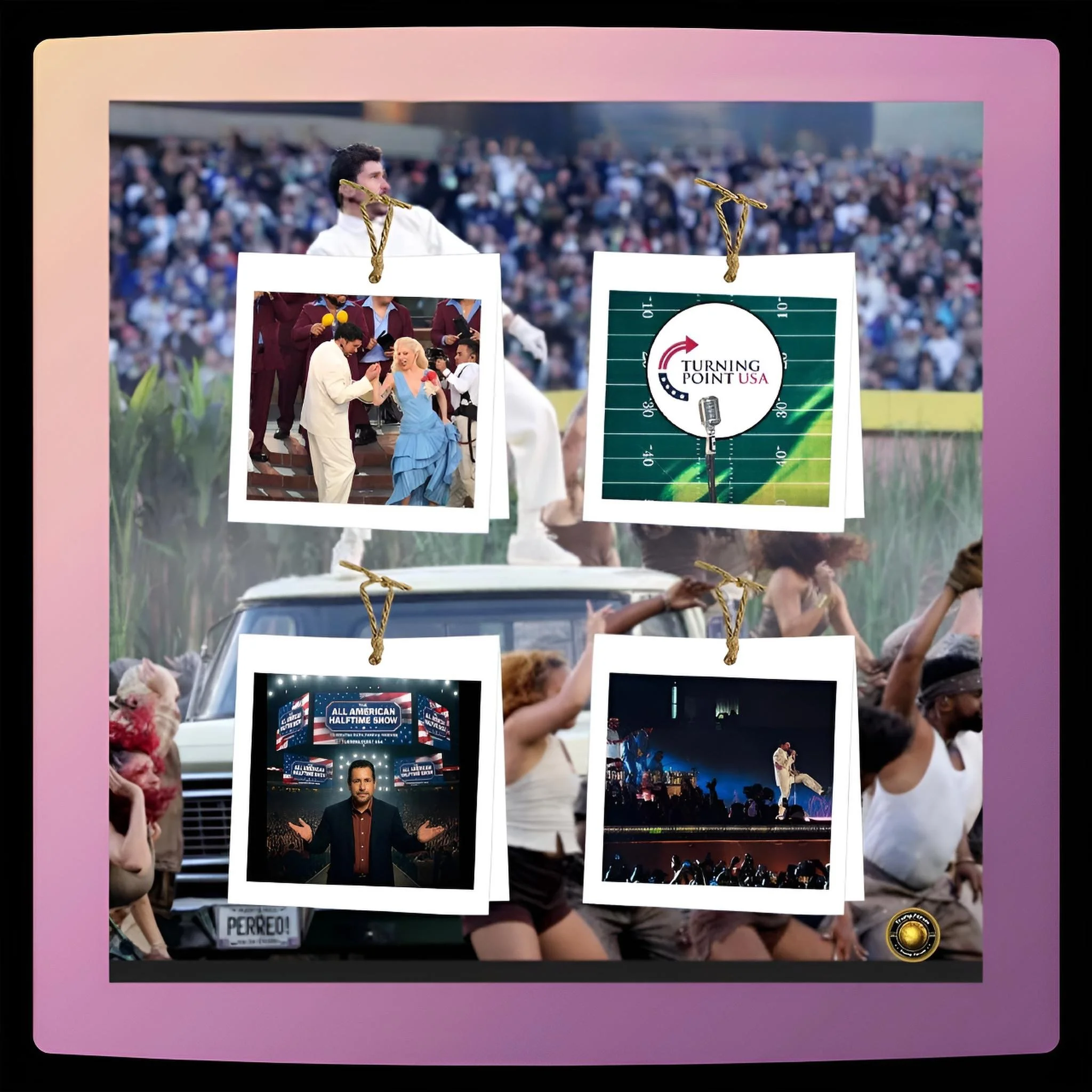
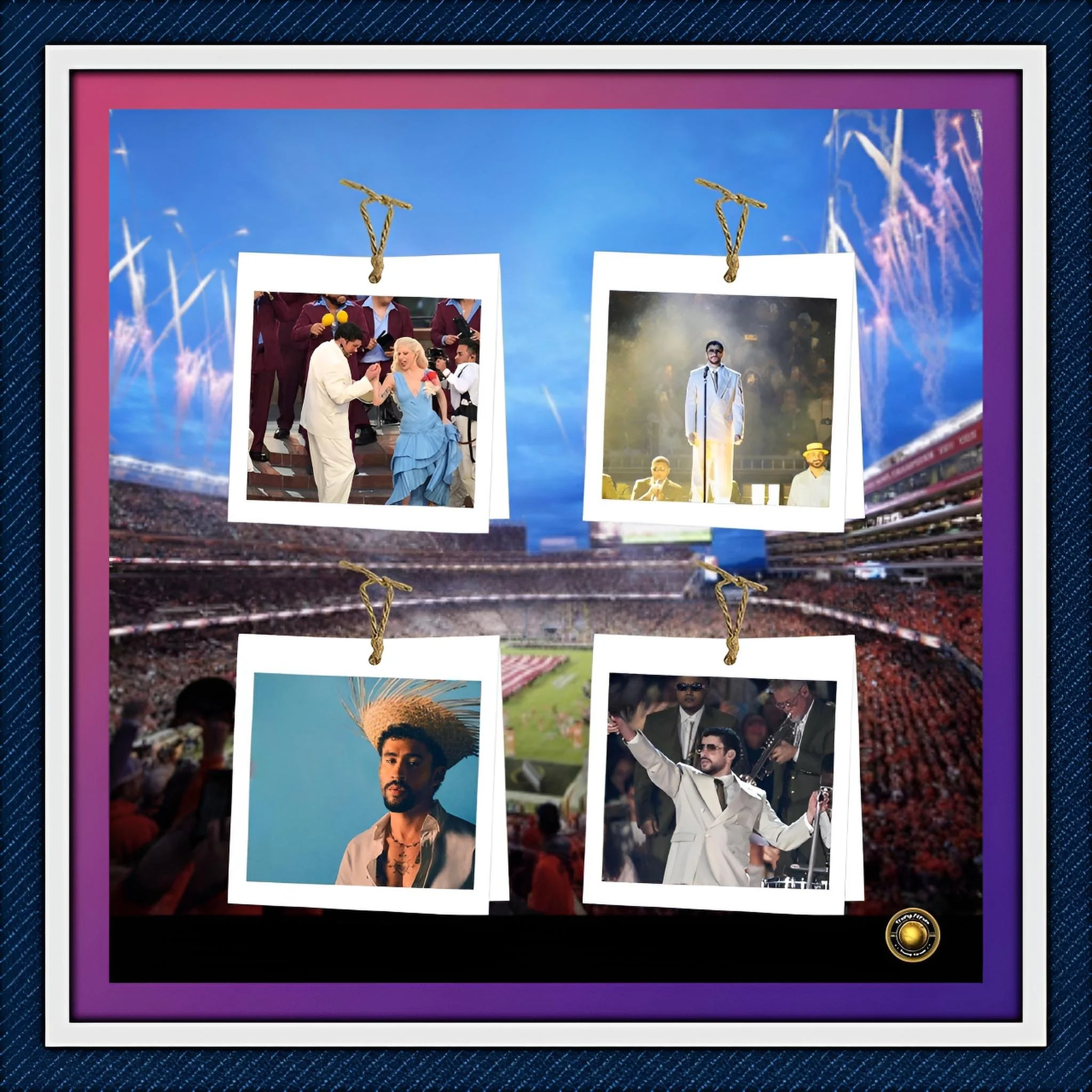
When Bad Bunny walks onto the Super Bowl halftime stage, he will not simply perform a set of songs. He will perform a historical argument. The argument is that Spanish, once relegated to immigrant enclaves and niche radio stations, now belongs at the symbolic center of American popular culture.
The Super Bowl remains the most-watched annual media event in the United States, drawing more than 100 million viewers across age, class, and political identity. To headline that stage primarily in Spanish signals a level of cultural legitimacy that would have been unthinkable 30 years ago.
Yet cultural visibility is not the same as cultural permanence. Languages can rise quickly in prestige and still decline in daily use.
The paradox at the heart of the American Spanish story is that it is everywhere and fragile at the same time. Spanish dominates streaming charts, social media feeds, and advertising campaigns, while simultaneously losing ground in intergenerational transmission.
Bad Bunny’s success therefore invites a deeper question. Is the United States entering a durable bilingual era, or is it experiencing peak Spanish before a gradual reversion to English dominance?
History and early development of Spanish in the United States
Spanish predates English in large parts of what is now the United States. Long before British colonies took root on the Atlantic coast, Spanish explorers, missionaries, and settlers established towns, trade routes, and administrative systems across Florida, the Southwest, and California.
Despite this deep history, Spanish never became the language of national power. Territorial expansion, war, and treaty-making folded Spanish-speaking populations into an English-speaking republic that rewarded linguistic assimilation.
Throughout the 20th century, Spanish survived primarily through migration rather than institutional support. Waves of migrants from Mexico, Puerto Rico, Cuba, and later Central America replenished Spanish-speaking communities, but public policy strongly favored English.
Schools discouraged bilingualism, workplaces rewarded accent reduction, and upward mobility was tied to linguistic conformity. Spanish was widely spoken but rarely celebrated.
The late 20th century introduced a turning point. Immigration surged, Spanish-language media professionalized, and Latino identity became a political category rather than a purely ethnic one.
Spanish-language television networks, radio stations, and newspapers created parallel public spheres. Still, these spheres existed alongside rather than within mainstream culture.
Current status of Spanish in American public life
Today Spanish occupies a contradictory position. It is the 2nd most spoken language in the United States, with more than 40 million native speakers and tens of millions more with varying degrees of fluency.
Major corporations advertise in Spanish. Politicians campaign in Spanish. Streaming platforms routinely place Spanish-language songs at the top of global charts.
At the same time, census data and sociolinguistic research consistently show language shift by the 3rd generation.
Children of immigrants may understand Spanish, but many prefer English for emotional expression, education, and professional life. Spanish thrives as a cultural aesthetic but weakens as a daily operating language.
Bad Bunny embodies this contradiction. His music is unapologetically Spanish, culturally specific, and resistant to translation.
Yet his audience includes millions who do not speak Spanish fluently and consume the language more as sound than speech. Spanish becomes symbolic rather than functional.
Key developments leading to the current moment
Several forces converged to elevate Spanish-language culture. Streaming platforms reduced the power of English-language gatekeepers. Algorithms rewarded engagement rather than linguistic conformity.
Globalization allowed Latin American artists to build massive audiences without crossing over linguistically.
Demographics also mattered. The Latino population grew rapidly, especially in urban centers that shape national culture. Youth culture proved more open to multilingualism, code-switching, and hybrid identity.
Political polarization further amplified cultural expression, turning language into a statement of resistance as well as identity.
Bad Bunny’s Grammy win for a Spanish-language album signaled institutional recognition catching up to audience behavior. His Super Bowl performance represents the final barrier falling, at least symbolically.
Latest facts and emerging concerns
Despite high visibility, warning signs are accumulating. Spanish-language enrollment in public schools has stagnated. Bilingual education faces renewed political attack in several states.
Media consolidation is shrinking Spanish-language newsrooms. Corporate enthusiasm for Spanish branding often fades during economic downturns.
Political rhetoric also matters. Immigration crackdowns, English-only legislation, and cultural backlash create an environment in which Spanish is tolerated as entertainment but discouraged as a civic language.
When Bad Bunny mocked immigration enforcement rhetoric during his Grammy speech, the applause reflected cultural alignment among elites but not necessarily institutional security.
Cause-and-effect analysis
The rise of Spanish culture is driven by population growth, digital platforms, and global connectivity. Its vulnerability is driven by assimilation incentives, political resistance, and economic structures that reward English fluency.
When Spanish succeeds primarily as music, branding, and spectacle, it loses ground as education, governance, and labor language. Cultural celebration without institutional support creates a ceiling effect.
The very success of Spanish as a cool, marketable aesthetic may accelerate its detachment from everyday use.
Future steps and possible trajectories
The future of Spanish in the United States depends on whether visibility converts into infrastructure.
This includes bilingual education, professional incentives, media investment, and political normalization. Without these, Spanish may remain loud but shallow.
A more optimistic scenario sees Spanish becoming a stable secondary language similar to French in parts of Canada or English in Scandinavia.
A pessimistic scenario sees continued cultural flashes followed by long-term linguistic erosion.
Conclusion
From Crossover to Saturation: Has America Hit Its Spanish-Language Peak?
Bad Bunny’s Super Bowl performance is historic, but history is not destiny. It marks a moment when Spanish reached the center of American attention, not necessarily when it secured its future.
The United States may indeed be approaching peak Spanish, not because the language lacks speakers or power, but because cultural celebration has outpaced structural commitment.
Whether this moment becomes a foundation or a farewell depends on choices that extend far beyond the halftime stage.