Introduction
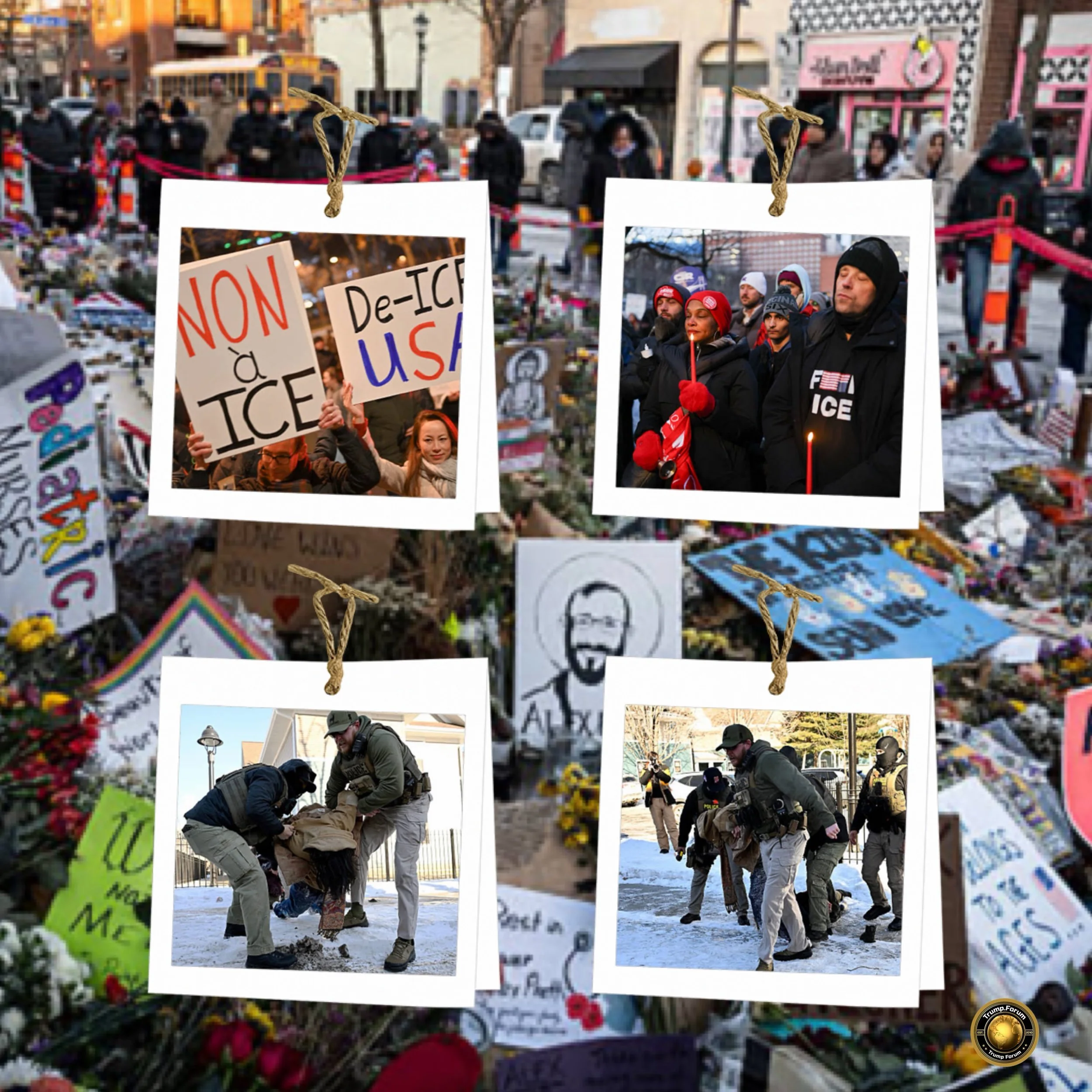
In early 2026, thousands of people marched in Minneapolis against federal immigration agents. The federal government had sent 3,000 agents to arrest immigrants.
The agents killed 2 American citizens. So people took to the streets. But did the protests change anything? This article answers that question with 3 key examples and real stories.
What happened in Minneapolis
In December 2025, President Trump sent thousands of federal agents to Minneapolis. These agents are from ICE.
ICE catches and deports people who are in America illegally. But something went very wrong. Federal agents killed Alex Pretti, who was a nurse.
They also killed Renee Good, who was a mother. Both were American citizens. Both deaths happened during ICE operations.
After the deaths, people got very angry. They protested every day. They marched downtown.
They held signs. Some businesses closed. Students left their classrooms.
A nationwide strike happened. People decided not to work, not to go to school, not to shop. The idea was to show the government how much people disagreed with the federal agents.
What did the government do? A bit.
The federal officials said they would reduce the number of agents.
They said agents would focus on actual criminals, not just any person they saw.
But they did not remove all the agents. Schools still had to worry about federal agents. People still felt scared.
Why some protests work better than others
Scientists have studied many protests around the world. They found 4 things that make a protest stronger.
These things spell WUNC.
W means worthiness. This means people see the protesters as good, honest people who deserve respect.
U means unity. This means everyone in the protest agrees on the main message.
N means numbers. This means lots of people show up.
C means commitment. This means people stay and keep protesting, not just show up 1 time.
Here is an example. In the 1960s, civil rights protesters marched against segregation.
They were seen as worthy because they were peaceful and fighting for fair treatment. They had unity because everyone wanted the same thing: equal rights.
They had huge numbers of people marching. They had commitment because people marched year after year. This WUNC approach worked. Congress passed laws that changed America.
The Minneapolis protests show WUNC too.
The protesters seem worthy because they are fighting for justice after 2 people died.
They have unity because everyone wants federal agents to stop the violence. They have huge numbers marching every week. They show commitment by continuing to protest and boycott stores week after week.
How strikes and boycotts help protests
Just marching is not enough anymore. Scientists found that marches work better when combined with strikes and boycotts.
A strike means workers refuse to work.
A boycott means people refuse to buy from a store. When strikes happen, the economy stops. When boycotts happen, businesses lose money. This pain makes leaders listen.
In Minneapolis, this happened.
Workers did not show up to work one day. Schools closed. Restaurants closed. People refused to shop at certain stores like Target, which is in Minneapolis. This hurt the economy.
This got the attention of business leaders. When business leaders started agreeing with protesters, the government started listening.
This is more powerful than marches alone.
When do protests fail?
Not all protests succeed. Scientists studied the "No Kings" protest on October 18, 2025.
About seven million people marched across America. But nothing changed. Why? Because people just marched one time and then went home. They did not keep protesting. They did not organize strikes or boycotts. They did not keep showing up week after week.
Also, many different groups marched for different reasons. Some wanted to protect immigrant rights. Some wanted to stop budget cuts. Some wanted to stop the president's policies. This meant the protest did not have 1 clear message. When messages are mixed, leaders do not have to listen.
What happens next in Minneapolis?
The Minneapolis protests have stayed strong for weeks. People keep marching. Different groups work together. Union workers, immigrant families, business leaders, and students all agree that the federal agents must change. This is powerful.
But keeping the coalition together is hard. Workers might go back to their jobs. Students might go back to school and forget about the protests. Business leaders might decide they care more about profits than immigration. If the coalition breaks apart, the protests become weaker.
The most important question is whether people keep protesting. If people march 1 or 2 times, nothing happens. The government just waits for them to go home. But if people keep showing up every week, if they keep striking and boycotting, if they keep the message strong and united, then the government has to listen.
This is what happened in the 1960s civil rights movement. People kept protesting for years. This is what must happen in Minneapolis for the protests to truly win.
Conclusion
Minneapolis teaches us that protests can work, but only if three things happen.
First, the protesters must be seen as worthy, united, and committed.
Second, they must use strikes and boycotts, not just marches.
Third, they must keep going for months or years, not just days or weeks. The civil rights movement did all three things.
That is why it succeeded.
The Minneapolis protests have started to do these things. If they keep going, they can force real change.
If they fade away, the protests will be forgotten and nothing will change.