Architecting Strategic Transformation: Trump's Iran Doctrine and the Architecture of Capitulation
Introduction
Upon his inauguration for a second term, Donald Trump inherited a geopolitical aperture of extraordinary proportions. The Islamic Republic of Iran, having persisted through 46 years of revolutionary fervor since 1979, finds itself confronting systemic vulnerabilities of unprecedented magnitude.
The simultaneous convergence of economic atrophy, military degradation, proxy network dissolution, and unprecedented domestic upheaval has generated a strategic window that Washington strategists characterize as historically singular.
FAF analytical examination scrutinizes the architecture of contemporary U.S. policy toward Tehran, the mechanisms through which coercive pressure operates, and the mechanisms by which strategic subordination rather than classical regime transformation may constitute the optimal objective.
The Historical Trajectory and Contemporary Deterioration
Understanding Iran's present predicament necessitates contextualization within the longer historical arc. The rupture between Washington and Tehran originated with the 1979 Islamic Revolution, which instantaneously severed four decades of U.S.-Iranian alignment predicated upon the Pahlavi dynasty's autocratic governance. The subsequent hostage crisis, regional proxy conflicts, the Iraq-Iran War, and successive American interventions throughout the Middle East established the contours of an adversarial relationship characterized by mutual distrust, ideological antagonism, and periodic escalation.
The Trump administration's withdrawal from the Joint Comprehensive Plan of Action in 2018 constituted a pivotal juncture. While the JCPOA had temporarily ameliorated tensions and permitted economic reintegration, the subsequent reposition of maximum pressure sanctions precipitated Iranian economic contraction of 6% in 2018 and approximately 7% in 2019. These trajectories never reversed.
By 2024, Iran's per capita GDP had plummeted from $8,000 in 2012 to $5,000, a 37.5% deterioration demonstrating the corrosive effects of sanctions, capital flight, mismanagement, and structural economic dysfunction.
The regional proxy architecture that Tehran meticulously constructed throughout the 2010s functioned as a compensatory mechanism for conventional military inferiority vis-à-vis Israel and the United States.
The so-called Axis of Resistance—comprising Hamas in Gaza, Hezbollah in Lebanon, the Assad regime in Syria, Iraqi militia networks, and the Houthis in Yemen—theoretically provided strategic depth, forward defense positioning, and deterrent capabilities. This construct has substantially disintegrated.
The October 7, 2023 Hamas attack and Israel's consequent military response initiated a cascade of degradation. Israel's comprehensive military campaign systematically targeted axis components across multiple theaters. Hamas suffered catastrophic losses.
Hezbollah, despite its potency, sustained significant attrition and accepted a ceasefire in November 2025 without reciprocal Israeli withdrawals.
The Houthis, despite continued attacks on shipping, demonstrated diminished capacity for coordinated response. Most significantly, Bashar al-Assad's regime collapsed in December 2024, severing Iran's only state-level ally and eliminating the crucial logistics corridor through which Tehran supplied Hezbollah with weaponry and sustenance.
Iran's investment in the Assad regime—estimated at $30 billion across 15 years—vanished instantaneously. The strategic depth that Syria ostensibly provided evaporated. Regional analysts now characterize the axis not as a deterrent mechanism but as an assembly of degraded assets awaiting supplementary Israeli strikes.
Concurrently, in June 2025, the Trump administration executed Operation Midnight Hammer, a precision military operation against 3 critical Iranian nuclear facilities: Fordow, Natanz, and Isfahan.
The operation deployed seven B-2 Spirit stealth bombers and more than 125 supporting aircraft alongside submarine-launched Tomahawk cruise missiles. The initial deployment of the GBU-57 Massive Ordnance Penetrator—a 30,000-pound bunker buster—resulted in extensive damage to enrichment and weaponization infrastructure.
Though Iran retains uranium stockpiles exceeding 400 kilograms enriched above 60% purity, the capacity to further enrich or consolidate stockpiles has been substantially diminished.
This military demonstration served not merely operational objectives but also conveyed to Tehran the administration's willingness to execute escalatory action and Iran's inability to effectively counter advanced American military capabilities.
The Convergence of Economic Collapse and Domestic Upheaval
Beginning December 28, 2025, Iran experienced unprecedented civil unrest.
The precipitating factor was ostensibly the currency collapse—the rial depreciating to 1,750,000 per United States dollar by December 2025. Yet the protests rapidly transcended economic grievance to encompass fundamental opposition to the Islamic Republic's governance model.
The uprising enveloped dozens of cities and towns, encompassing diverse socioeconomic strata, ethnic communities, and age cohorts.
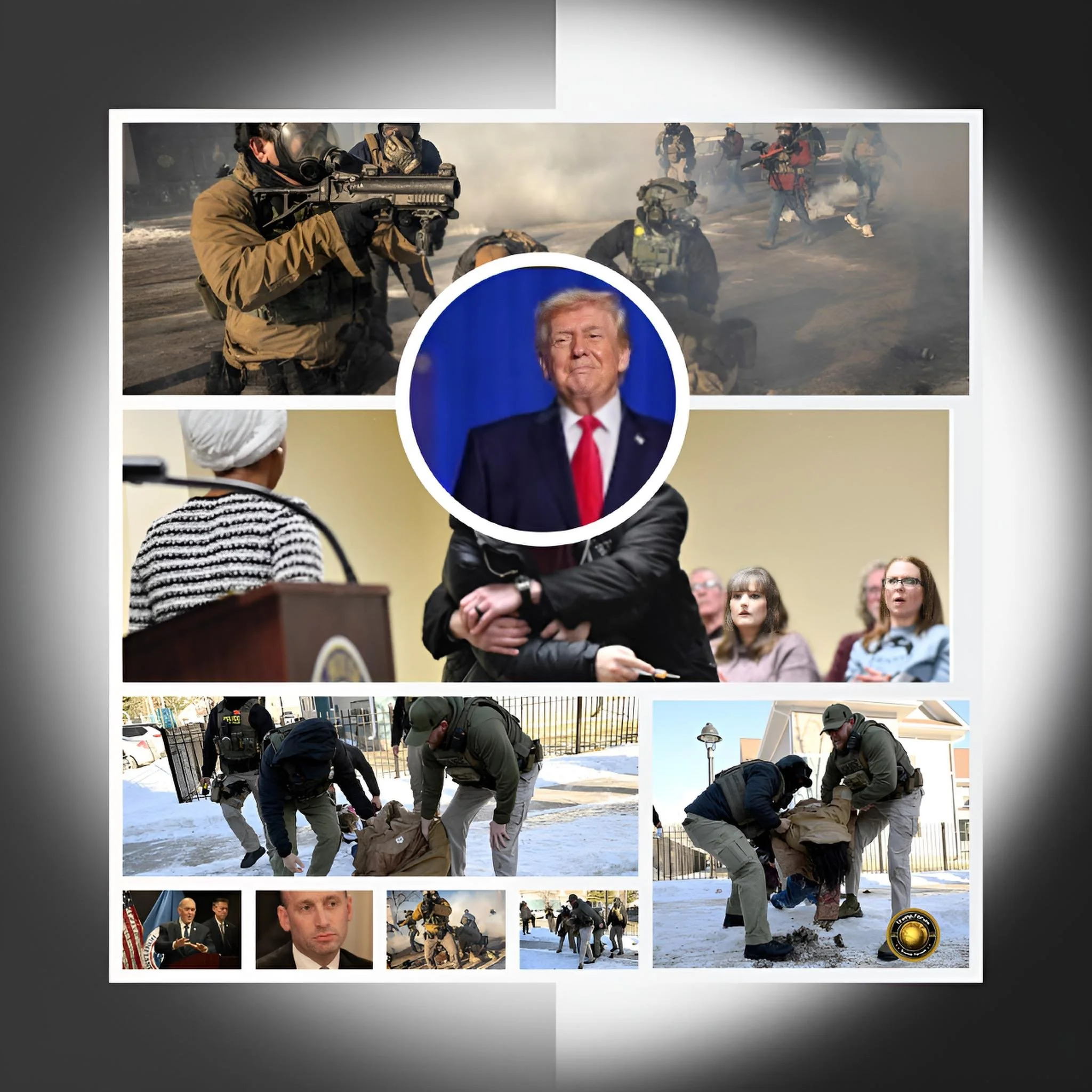
The governmental response constituted an unprecedented repression campaign. Security forces—encompassing the Islamic Revolutionary Guard Corps, Basij paramilitary formations, and law enforcement—deployed lethal force on an extraordinary scale. Death toll estimates present considerable variation.
The Iranian government reported 3,117 fatalities as of January 21, 2026. The U.S.-based Human Rights Activists News Agency documented 6,126 confirmed deaths with an additional 11,280 cases under investigation. Journalistic assessments cite hospital records indicating 30,304 deaths on January 8th-9th alone.
Conservative estimates suggest 6,000 to 7,000 deaths, though comprehensive accounting remains impossible due to internet blackouts lasting over 2 weeks and the regime's obstruction of independent verification.
The psychological dimension warrants emphasis.
Iranian Supreme Leader Ali Khamenei's advisors reportedly informed him that fear has ceased functioning as an effective deterrent. Four senior Iranian officials conveyed to Reuters that public rage regarding the crackdown has reached a threshold where traditional coercion no longer suffices to suppress population discontent.
This represents a fundamental transformation in the regime's security calculus. The security apparatus, having expended extraordinary resources suppressing the uprising, now confronts the prospect that additional external pressure or renewed internal mobilization could precipitate cascading institutional collapse.
The Mechanism of Maximum Pressure 2.0
Upon returning to office, Trump formulated a strategic doctrine denominated Maximum Pressure 2.0. Formalized through National Security Presidential Memorandum 2 in February 2025, the doctrine articulated explicit objectives: reducing Iranian oil exports to zero, eliminating Iran's nuclear enrichment capabilities across all related programs, constraining its regional influence, and compelling strategic submission regarding ballistic missile development.
The economic dimension has escalated substantially beyond previous iterations. U.S.
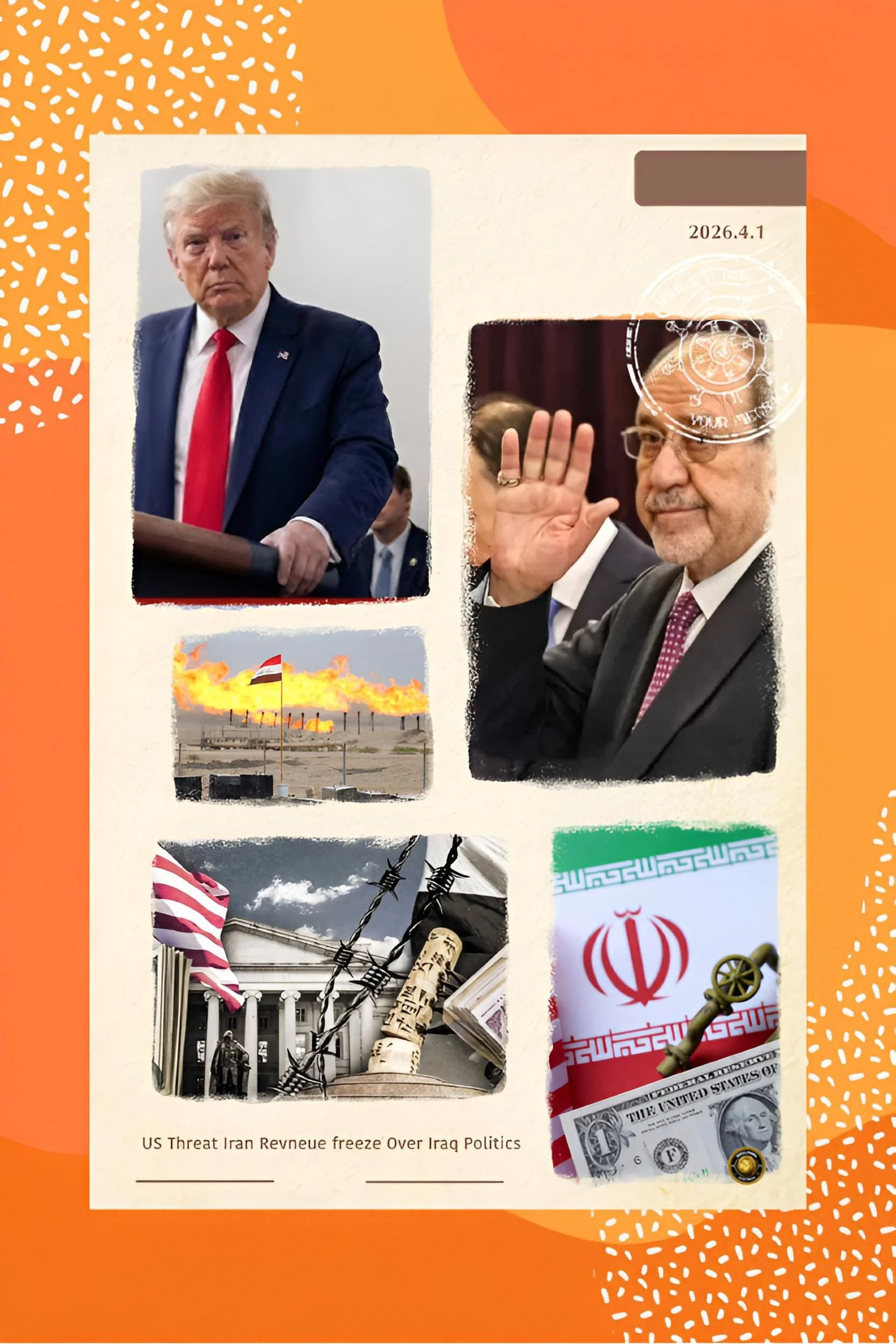
Treasury Secretary Scott Bessent articulated the policy objective as "Making Iran Broke Again" in March 2025, declaring that "if economic security is national security, the regime in Tehran will have neither."
In 2025, the United States expanded sanctions designation lists beyond any previous year, surpassing even 2018 levels when the JCPOA withdrawal precipitated maximum pressure's initial iteration. Treasury designations targeting sanctions evasion networks proliferated, constraining Tehran's capacity to execute financial transactions, access foreign currency, or maintain economic relationships with international actors.
The administration has threatened supplementary tariff regimes—imposing 25% duties on any country or entity conducting business with Iran—thereby expanding the sanctions architecture beyond financial instruments into trade punishment mechanisms. This represents escalation toward a model wherein international actors face binary choices: commerce with Iran or access to American markets.
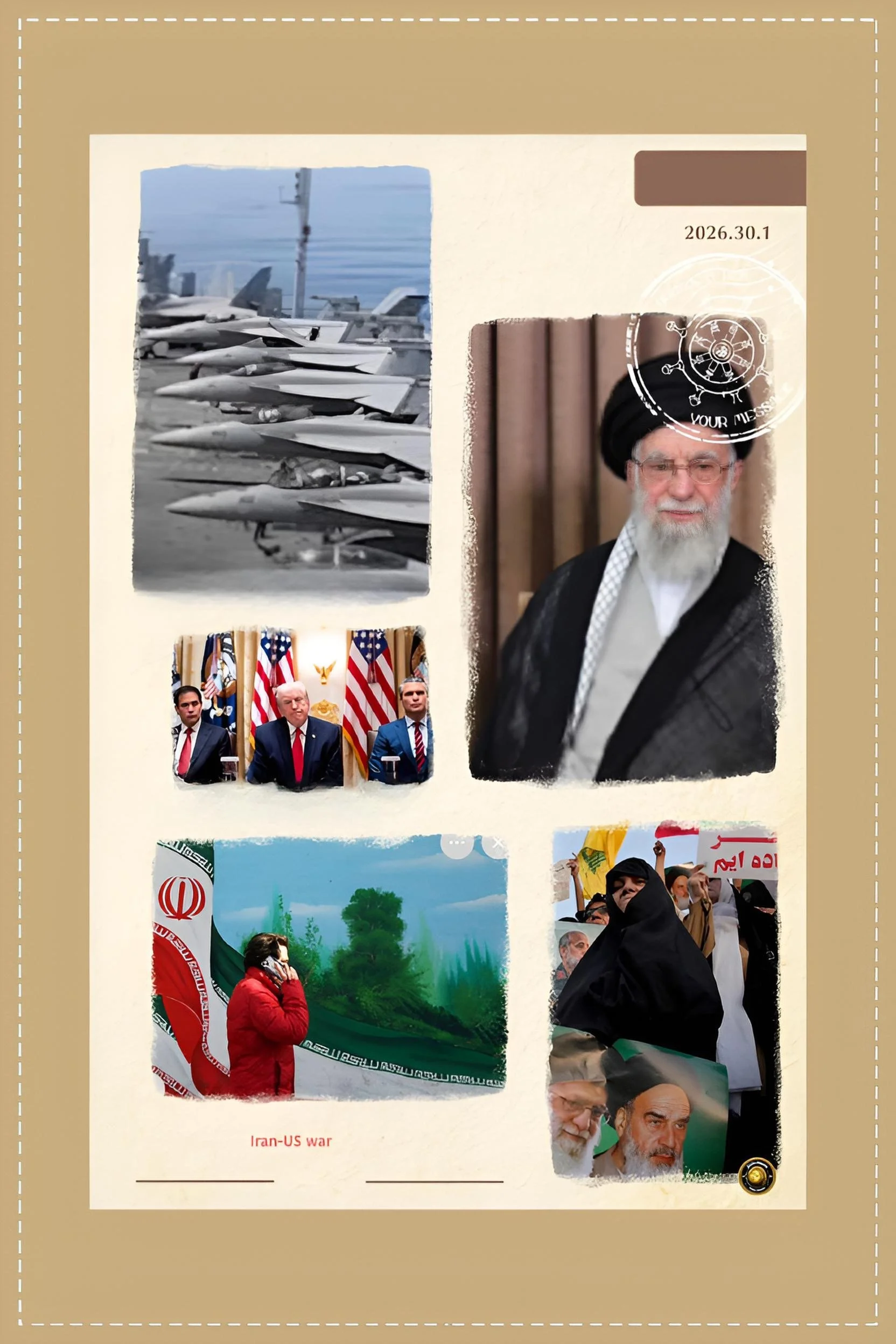
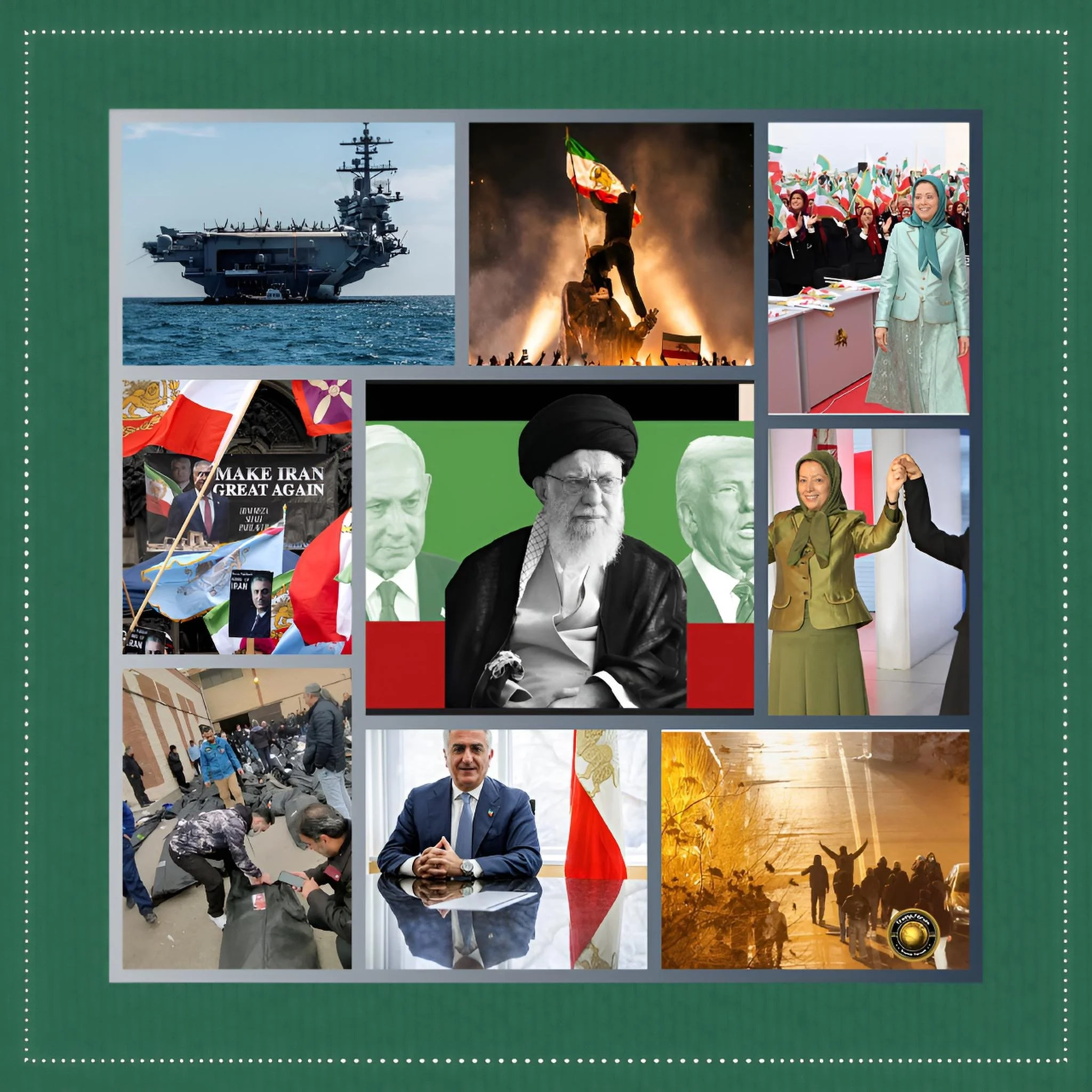
The military dimension operates synchronously with economic pressure. The deployment of the USS Abraham Lincoln carrier strike group to the Persian Gulf in late January 2026 constitutes a tangible demonstration of force projection capability and willingness to execute military action.
The carrier's deployment provides operational platform for sustained air operations, intelligence gathering, and rapid response capacity. Additionally, the Trump administration has maintained ambiguity regarding whether military action constitutes a discrete operation or potential prelude to broader intervention.
The Political Pressure Dimension and Conditionality
Trump has explicitly tied Iran's internal repression to external consequences. Repeatedly warning the regime against execution of arrested protesters or mass killings, Trump signaled that domestic human rights violations carry international costs, including potential military response.
This constitutes a deliberate blurring of the traditional boundary between internal state authority and external accountability—a boundary Iran has historically exploited to insulate domestic repression from international consequences.
The Trump administration's preconditions for negotiations have become increasingly expansive and maximalist. Beyond the historical nuclear program constraints, the administration now demands: permanent cessation of uranium enrichment at any level beyond prescribed thresholds; stringent limitations on ballistic missile development; complete termination of support for regional proxy networks (Hamas, Hezbollah, Iraqi militias, Houthis); and, according to some reports, Iran's acknowledgment of Israel as a legitimate state—a demand contradicting foundational Islamic Republic ideology.
These conditions are structured such that Iran's leadership faces an impossible binary: capitulation on fundamental pillars of regime legitimacy and national defense doctrine, or confrontation with escalating American pressure.
Moderate Iranian officials have suggested flexibility on certain dimensions, but Supreme Leader Khamenei and his closest associates have categorically rejected any substantive concessions.
The regime's ideological rigidity and domestic political constraints render compromise exceedingly improbable.
The Opposition Architecture and External Support
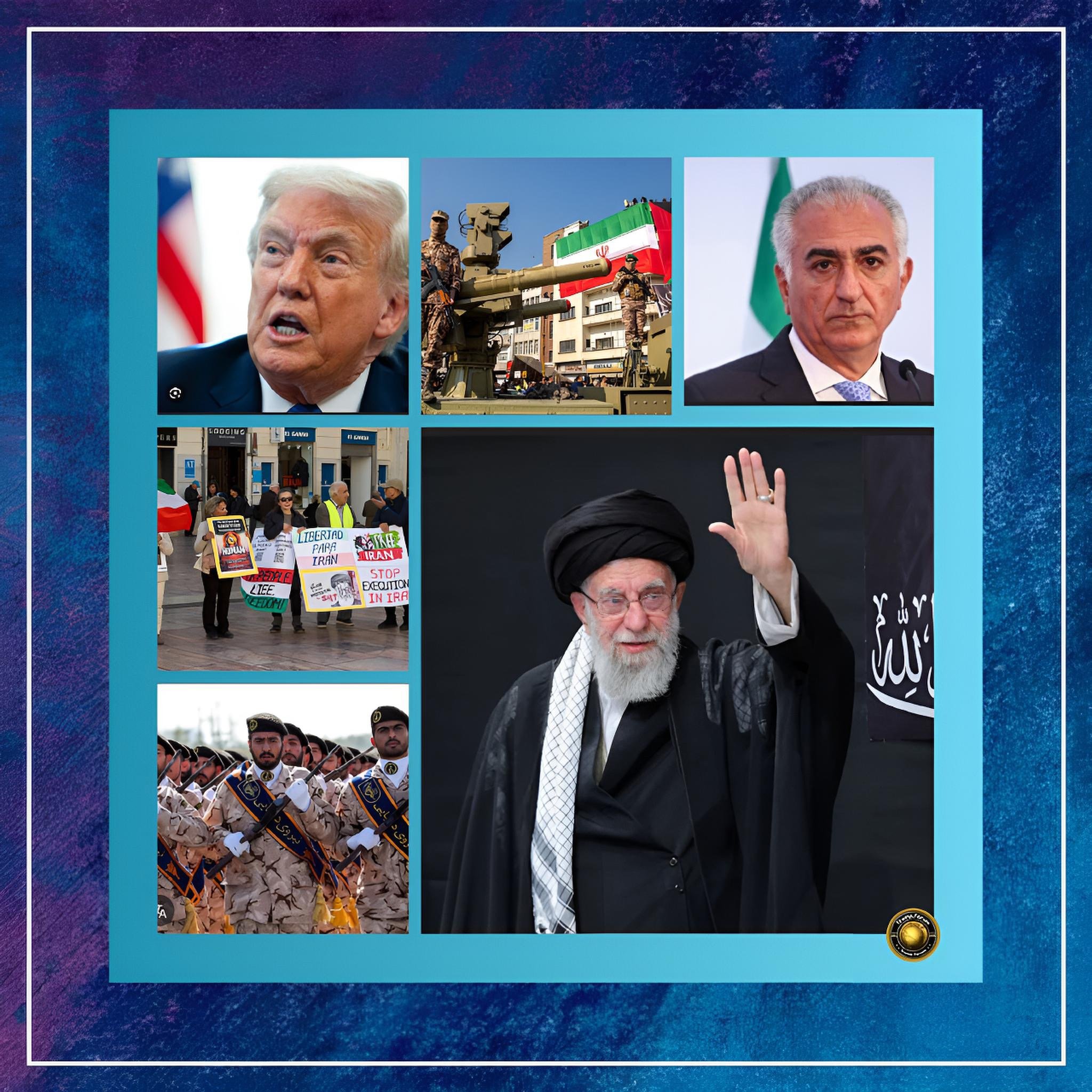
The opposition to Iran's Islamic Republic comprises multiple, often competing factions. Reza Pahlavi, the exiled son of Iran's final shah, Mohammad Reza Pahlavi, represents the monarchist tendency. Having resided outside Iran since before the 1979 revolution, Pahlavi has increasingly become the focal point of exiled opposition.
He has explicitly credited Trump's pressure campaigns and rhetorical support for emboldening the recent protest movements, asserting that the uprising "would not exist" without Trump's messaging.
Pahlavi envisions post-revolutionary Iran reintegrating into the global economy, attracting foreign investment, and concentrating state resources on population welfare rather than military expenditure or regional proxy networks.
The People's Mojahedin Organization of Iran (PMOI), alternately designated as Mujahedin-e-Khalq (MEK), constitutes the largest opposition organization with a five decade history of anti-regime activity.
Originally supporting the 1979 revolution but rapidly alienated by Khomeini's consolidation, the MEK evolved into the most organizationally sophisticated opposition force.
Currently, approximately 3,000 MEK members shelter in Albania, while others maintain presence in Iraq and Europe. During the January 2026 protests, the MEK reportedly organized through "Resistance Units" that coordinated protest activities, provided protection to demonstrators against security force attacks, and disseminated information through internet circumvention technologies.
The MEK's ideological synthesis combines Islamic democratic theory with secular governance principles and socialist economic elements. While controversially designated as a terrorist organization by certain governments during the 1980s and 1990s, the MEK's removal from the U.S. terrorist list in 2012 has rehabilitated its international standing.
The organization has achieved substantial support among international parliamentarians, with 4,000 legislators from 50 countries expressing support for the MEK's democratic resistance agenda at the Free Iran 2024 World Summit.
The National Council of Resistance of Iran (NCRI) functions as a coalition encompassing the MEK and numerous supplementary opposition groups and ethnic-based organizations. However, Iranian opposition remains fragmented along ideological and ethnic fault lines.
Pahlavi's monarchist inclinations alienate secular republicans and ethnic minorities. The MEK's Marxist-Islamist heritage creates friction with traditionalist and liberal democratic currents. Minority ethnic groups—Kurds, Baluch, Arabs, Turkmen—comprise approximately 50% of Iran's population yet remain underrepresented in mainstream opposition narratives.
Trump has demonstrated ambivalence regarding opposition leadership. Regarding Pahlavi specifically, Trump stated that while the exiled prince "appears very pleasant," he questioned whether Pahlavi possesses adequate support within Iran to function as a legitimate post-revolutionary leader.
This reluctance suggests the administration views the opposition instrumentally—as a pressure mechanism and potential transitional actor—rather than as an ideologically committed constituency requiring absolute support.
The Strategic Calculus and the Question of Objectives
The Trump administration's strategic doctrine toward Iran remains somewhat inchoate, encompassing multiple potential trajectories. Some administration officials advocate for utilizing current leverage to pursue comprehensive nuclear negotiations, potentially resolving the nuclear issue that has animated U.S.-Iran tensions for two decades.
Others argue for military strikes designed to degrade Iran's security apparatus and create operational space for opposition forces. Still others propose regime change as an explicit objective, envisioning wholesale transformation of Iran's political system.
The administration's statements reveal a fundamental ambiguity regarding ultimate objectives. Trump has alternatively characterized the military buildup as preparation for negotiations, as deterrence against potential Iranian aggression, and as potential prelude to kinetic action.
This deliberate ambiguity may constitute intentional strategy—maintaining unpredictability to maximize pressure—or it may reflect genuine indecision among administration factions.
The doctrine appears to prioritize strategic submission rather than classical regime change. Strategic submission entails compelling Iran's leadership to accept permanent constraints on nuclear ambitions, substantially reduced regional influence, and recognition that the United States possesses both capacity and willingness to execute escalatory action.
This differs from regime change insofar as it preserves the Islamic Republic's institutional existence while fundamentally altering its strategic calculus and operational parameters.
The Risks and Limitations
Multiple analytical assessments highlight considerable risks associated with American military intervention. Ambassador Robert Ford, a career diplomat with extensive Middle East experience, notes that U.S. interventions in Libya, Syria, and Iraq produced profoundly deleterious consequences.
He contends that even extensive air and missile campaigns against Iranian security institutions would prove insufficient to guarantee regime collapse absent substantial ground operations—a prospect entailing extraordinary material and human costs, potential quagmire dynamics, and profound destabilization throughout the region.
Regional analysts emphasize that military action would necessarily activate 40 million Iranians' nationalist sentiments, potentially rally populations around the regime, delegitimize and demobilize opposition movements, and provoke retaliatory strikes on American military assets throughout the Gulf, potentially implicating host nations and escalating into broader regional conflict.
Iran's regime, though weakened, retains control of security apparatus capable of sustained repression. Military capacity, though degraded, remains substantive. Conventional military forces number approximately 1.2 million personnel. Ballistic missile capabilities remain formidable despite Operation Midnight Hammer's degradation of nuclear infrastructure. Regional proxies, despite weakening, retain operational capacity.
The Iranian leadership's ideological rigidity and domestic political constraints render the administration's negotiating preconditions essentially unreachable. Senior regime officials have adamantly rejected compromises on nuclear development, ballistic missile architecture, or regional proxy networks, characterizing these as fundamental pillars of national sovereignty and regime legitimacy.
Conclusion
The Trump administration has assembled the most substantial leverage over Iran since the 1979 revolution's instantaneous severance of bilateral relations. Economic devastation, military degradation, proxy network dissolution, and unprecedented domestic upheaval have created an extraordinary strategic aperture.
The administration's approach—integrating economic sanctions, military strikes, force projection, opposition support, and diplomatic ambiguity—represents a comprehensive pressure strategy calibrated toward compelling strategic submission.
Yet the achievement of desired outcomes remains substantially contingent on factors beyond Washington's complete control. The regime's resilience, regional dynamics, potential for unexpected escalation, and the inherent unpredictability of revolutionary dynamics constrain American agency.
The opposition's fragmentation and its uncertain capacity to consolidate power following a potential regime collapse pose additional complications.
What constitutes certain is that the contemporary moment represents an inflection point for both American policy and Iran's revolutionary trajectory. Whether the Trump administration's pressure strategy culminates in negotiated settlement, regime transformation, continued deadlock, or catastrophic escalation remains an open question.
The administration's strategy, however, has manifestly altered the parameters within which Iranian leadership must operate, compressed the regime's strategic options, and created circumstances wherein the probability of fundamental change has never been more substantial.
The next several months will likely determine whether this leverage translates into enduring strategic advantage or represents merely a transient moment subsequently dissipated through miscalculation or shifting geopolitical circumstances.