Why ICE Agents Keep Using Violence Without Facing Consequences: How Minneapolis Became an International Crisis
Executive Summary
When federal immigration agents shot and killed Renée Good and Alex Pretti in Minneapolis, no agents were charged with crimes. This pattern keeps repeating because the system protects federal agents from being held accountable. Legal rules called qualified immunity shield agents from lawsuits.
The Justice Department, controlled by President Trump, refuses to investigate. State police cannot access crime scenes to conduct their own investigations.
Meanwhile, ICE has grown from 10,000 to 22,000 agents in just 4 months while cutting training time from 6 months to 6 weeks. What started as a domestic problem has now become an international crisis. Germany issued a travel warning telling German citizens to avoid Minneapolis because of violence by U.S. government agents. Ecuador filed a diplomatic complaint after an ICE agent tried to enter their consulate illegally.
Even big business leaders—60 CEOs from companies like Target, 3M, and General Mills—broke their silence to demand the government calm things down. This is not a series of accidents—it is a system designed to let violence happen without punishment, and now the whole world is watching.
Introduction
When Violence Has No Consequences and the World Takes Notice
On January 7, 2026, an ICE agent named Jonathan Ross shot and killed Renée Good in Minneapolis. She was driving away when he fired 3 shots at her car in less than 1 second. Videos show her steering wheel turned away from the officer, but the government said she tried to run him over.
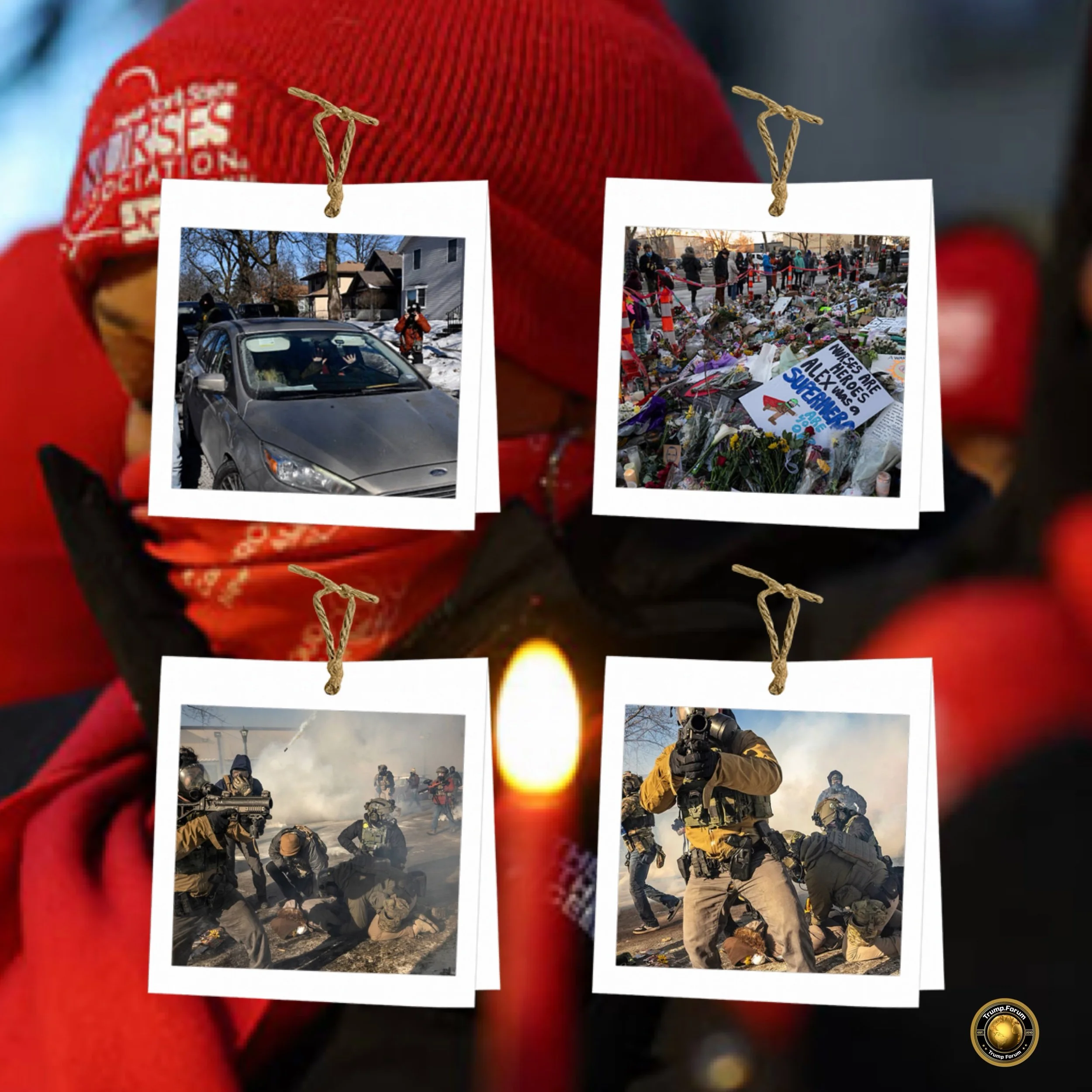
On January 24, 2026, 2 Border Patrol agents shot and killed Alex Pretti, a nurse who was filming federal agents at work. They fired about 10 shots. Videos show he never reached for the gun he was legally allowed to carry. The government said he was dangerous and armed.
As of January 29, 2026, no agents have been charged in either killing. No one knows the names of the agents who shot Alex Pretti because the government refuses to identify them. Minnesota police tried to investigate but were blocked from the crime scenes by federal agents. The Trump administration's Justice Department said it will not open investigations.
This raises a simple question: if federal agents can kill American citizens and face no consequences, what stops them from doing it again?
But now there is a new development. Other countries are getting involved. Germany's government issued an official travel warning telling German citizens to be careful in Minneapolis and other American cities because of violence involving "migration and security authorities."
Ecuador's government filed a formal complaint with the United States after an ICE agent tried to enter the Ecuadorian consulate in Minneapolis—which is legally considered Ecuadorian territory and protected by international law.
History
How ICE Became Unaccountable
After the terrorist attacks on September 11, 2001, the government created the Department of Homeland Security and gave immigration agents broad powers. ICE and Border Patrol got special authority to search people and vehicles within 100 miles of any U.S. border without needing warrants from judges. This zone covers about 2/3 of all Americans.
Over the years, government watchdog agencies warned that ICE was hiring people too quickly without proper background checks. Internal reports said the agency was hiring people "potentially unfit to carry a badge and gun." But these warnings were ignored because the agency wanted to hire as many people as possible.
When Trump returned to office in 2025, he made this problem much worse. Between September 2025 and January 2026—just 4 months—ICE went from 10,000 employees to over 22,000. That is more than doubling the size in 4 months. To hire people that fast, ICE cut training time from 6 months down to just 6 weeks. They also offered $50,000 signing bonuses to attract recruits quickly.
Think about what this means: ICE put 12,000 new agents on the streets with only 6 weeks of training. Compare this to regular police departments, which require 6 months or more of training to make sure officers understand the law and how to calm situations down instead of making them worse. News reports called these new ICE agents "poorly trained, overwhelmed and inexperienced."
The Trump administration also gave immigration enforcement powers to other federal agencies that normally do not handle immigration. Now the Drug Enforcement Administration, Federal Bureau of Prisons, U.S. Marshals Service, and even the Postal Inspection Service can enforce immigration laws. Experts warn this "blending of federal law enforcement" will have "long-term implications for public safety and trust."
Current Status
Operation Metro Surge in Minneapolis
In December 2025, the government sent about 3,000 federal agents to Minneapolis and St. Paul, Minnesota.
The government called this Operation Metro Surge and said it was "the largest immigration enforcement operation ever carried out." As of late January 2026, these agents had arrested about 3,000 people.
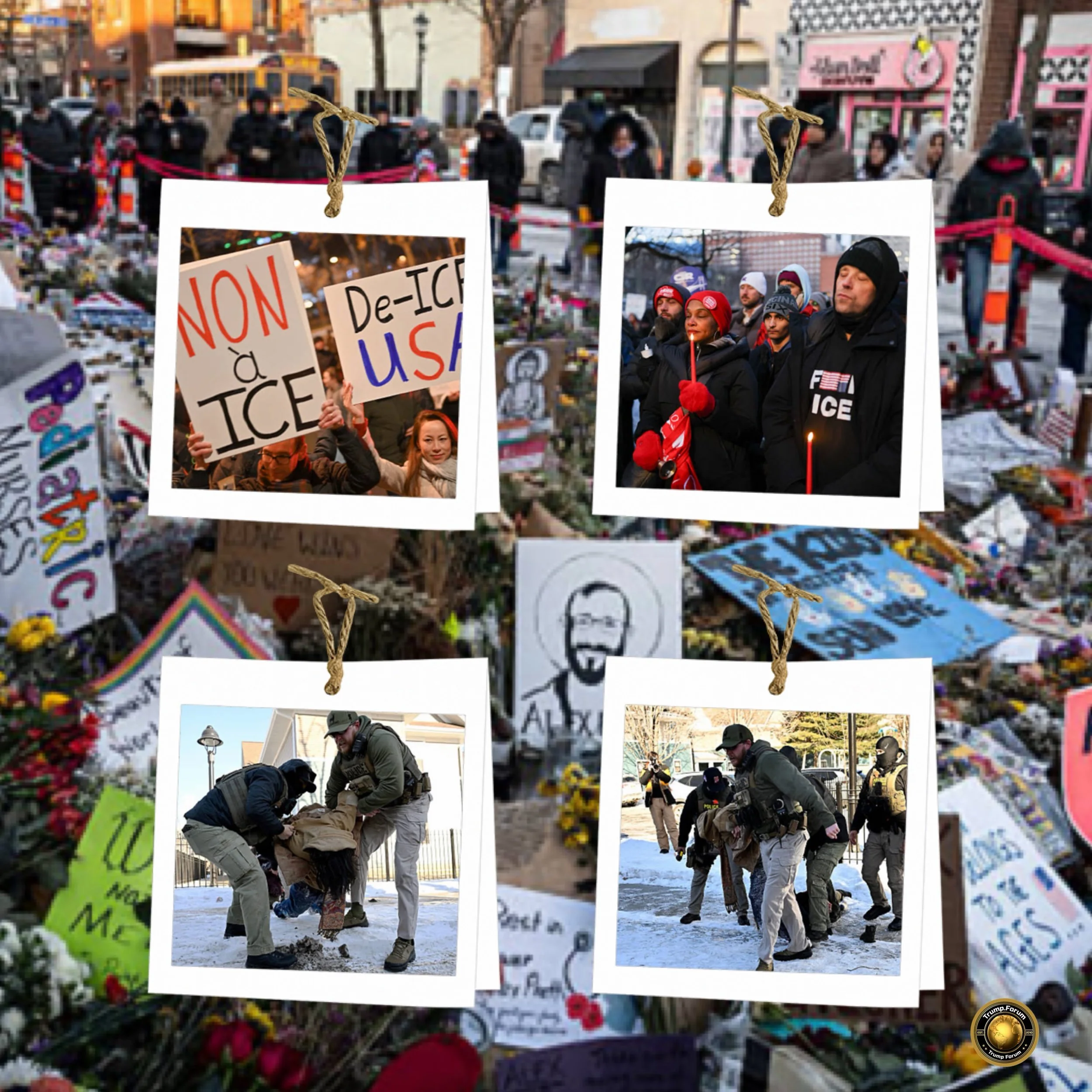
But the operation has caused major problems. Within 3 weeks, 2 American citizens were killed by federal agents. Schools switched to remote learning because families were afraid to send children to school. Businesses were disrupted. Thousands of people protested in the streets. News reports said Minneapolis residents feel "like it's an invasion."
Minnesota's governor and attorney general sued the federal government, arguing the operation violates the Constitution. A federal judge found that ICE violated at least 96 court orders in Minnesota just since January 1, 2026. Another judge found that ICE likely violated people's 1st Amendment rights by arresting them for watching and filming federal agents.
Why Agents Face No Consequences
There are several legal and practical reasons why federal immigration agents almost never face consequences for violence.
Qualified Immunity: This is a legal rule that protects government officials from lawsuits unless they violated a "clearly established" right. In practice, this rule makes it almost impossible to sue police or federal agents for excessive force. Even when video shows an agent acted wrongly, courts often say the agent is still protected by qualified immunity.
Federal Control of Investigations: When a federal agent is accused of a crime, the Justice Department decides whether to investigate and press charges. The Justice Department works for the president. If the president defends the agents—as Trump has done—then federal prosecutors will not charge them. There is no independent prosecutor who can override this decision.
State Police Blocked: Normally, when someone is killed, state and local police investigate. But in both Minneapolis killings, federal agents blocked state police from investigating the crime scenes. Minnesota police had warrants from judges allowing them to investigate, but federal agents refused to let them. This meant no independent investigation could happen.
Secret Identities: The government refuses to identify which agents shot Alex Pretti. Federal agents often wear masks during operations, making it impossible for witnesses to identify them. When no one knows who fired the shots, how can anyone be held accountable?
Union and Political Support: More than 95% of ICE union members endorsed Trump in recent elections. The union consistently defends agents accused of using too much force. When agents know their union and the president will defend them no matter what they do, they have no reason to hold back.
An Example
The Alex Pretti Killing
The killing of Alex Pretti shows how this system works. Pretti was a 37-year-old nurse who worked at a Veterans Administration hospital. He had a legal permit to carry a gun. On January 24, 2026, he was watching and filming federal agents conduct an operation in his neighborhood.
Videos show agents confronted Pretti. During a physical struggle, 1 agent shouted that Pretti had a gun. Then 2 agents fired about 10 shots, killing him. Videos show he never reached for his weapon. At least 1 video shows an agent taking the gun from Pretti's waist right before the shooting.
The Department of Homeland Security immediately said Pretti was "brandishing" a weapon and was dangerous. But videos contradict this story. Pretti's parents confirmed he was a peaceful person who happened to have a legal gun permit.
So what happened next? The 2 agents who shot Pretti were placed on "administrative leave"—basically paid time off while an investigation happens. But that investigation is being done by the Department of Homeland Security itself—the same agency that employs the agents. No state police were allowed to investigate. The Justice Department said it will not investigate. No charges have been filed. The agents' names have not been released.
This is the system: federal agents kill someone, the agency investigates itself, outside police cannot investigate, federal prosecutors controlled by the president refuse to press charges, and nothing happens.
The International Reaction: Germany, Ecuador, and the Olympics
What makes the Minneapolis situation different from past immigration enforcement is that other countries are now getting involved and worried.
Germany Issues Travel Warning
On January 28, 2026, Germany's Federal Foreign Office issued an official travel advisory for German citizens visiting the United States. The warning specifically mentioned Minneapolis and said: "In Minneapolis and other cities, demonstrations sometimes lead to violent clashes with the migration and security authorities." It told Germans to "be vigilant and stay away from crowds where violence might occur." This is extraordinary—Germany, a close U.S. ally, is warning its citizens about violence by the U.S. government in American cities.
Ecuador Files Diplomatic Complaint
On January 27, 2026, an ICE agent tried to enter the Ecuadorian Consulate in Minneapolis without permission. Video shows the agent opening the door of the building.
A consulate employee told him: "This is the Ecuadorean consulate. You're not allowed to enter." The ICE agent replied: "If you touch me, I'll grab you." Under international law called the Vienna Convention, embassies and consulates are considered the territory of that country, and local police cannot enter without permission. Ecuador's Foreign Ministry filed a formal diplomatic complaint with the United States, calling the incident a violation of international law.
Olympic Concerns
The United States is sending ICE agents to the Winter Olympics in Milan, Italy, next month. The Department of Homeland Security said agents will "vet and mitigate risks from transnational criminal organizations." But officials had to quickly reassure Italy that "all security operations remain under Italian authority" and that "ICE does not conduct immigration enforcement operations in foreign countries." The fact that they felt the need to make this statement shows that other countries are worried about what ICE might do.
According to Foreign Policy magazine, "concerns over the deadly actions of U.S. Immigration and Customs Enforcement agents in Minneapolis have expanded beyond domestic borders," with foreign countries "increasingly worried that the Trump administration's immigration crackdown could have spillover effects."
Business Leaders Break Their Silence
Another unusual development is that major business leaders have started speaking out—something they rarely do about political issues.
On January 26, 2026, more than 60 CEOs of Minnesota companies signed a letter calling for "immediate de-escalation" of the situation. The letter was organized by the Minnesota Chamber of Commerce. Companies that signed included Target, Best Buy, 3M, UnitedHealth Group, General Mills, Cargill, Land O'Lakes, and Minnesota professional sports teams.
According to news reports, these business leaders had been silent about Operation Metro Surge since it started in December. But the killing of Alex Pretti pushed them to finally say something. As the Los Angeles Times wrote, the Pretti killing "compelled corporate leaders to do something they have seldom done since President Donald Trump's return to office: openly contest his policies."
However, many people criticized the letter as too weak. It did not mention Renée Good or Alex Pretti by name. It did not call for ICE to leave Minneapolis. It did not condemn the killings. Pastor Bardwell of Saviours Church in Minneapolis said: "It felt like nothing. We understand that if Trump is going to heed anyone, corporate leaders wield significant influence. We expect CEOs to articulate their positions clearly and leverage their power."
Business news outlet CNBC conducted a flash poll of 34 corporate leaders. Only 1 out of 34 said they supported the expanded ICE presence in Minnesota. But most were afraid to speak publicly against the Trump administration.
Why are business leaders concerned? Several reasons: their employees are afraid to go to work, they are having trouble recruiting talented people to move to Minnesota, customers are avoiding stores and shopping areas, and the chaos makes it hard to do business. According to the Los Angeles Times, "Minnesota business leaders clearly were becoming concerned that Trump's anti-immigrant surge threatened their ability to do well."
Why This Creates More Violence
When people face no consequences for their actions, their behavior changes. If you know you cannot be punished, you are more likely to take extreme actions.
ICE agents now understand that they can use force—even deadly force—without facing criminal charges or lawsuits. They know their identities will be kept secret. They know their union will defend them. They know the president will call them heroes. This creates a situation where agents have no reason to show restraint.
Adding 12,000 new agents with only 6 weeks of training makes this worse. These agents have not been properly trained in de-escalation—calming situations down instead of using force. They have not learned about constitutional rights. They rely on what they see other agents doing, and what they see is aggressive tactics without consequences.
The recruitment ads ICE uses also matter. The agency advertises positions by talking about "taking back our streets" and going after "criminal aliens." This kind of language attracts people who want to be aggressive, not people who want to be careful and professional law enforcement officers.
What the Government Changed (and What It Did Not Change)
After the Alex Pretti killing and all the protests, international complaints, and business pressure, the Trump administration made some changes. But experts say these are small adjustments, not fundamental reforms.
On January 28, 2026, ICE issued new internal guidance telling agents in Minnesota to avoid engaging with "agitators" during operations. The guidance said agents should use megaphones to issue commands instead of direct confrontation. It also said agents should focus only on immigrants who have criminal charges or convictions—not just anyone without papers.
The government also replaced the Border Patrol commander in Minnesota, a man named Gregory Bovino, whose aggressive tactics had drawn widespread criticism. They sent Tom Homan, the White House "border czar," to Minneapolis to manage the situation.
But Homan made clear at a press conference that ICE is not leaving. According to the Economic Times, Homan said: "ICE and Border Patrol officers will stay in Minnesota until the issue is fully handled. Federal officials are 'not leaving the state until the problem is gone.'" He said ICE is "a legal law enforcement agency that must enforce immigration laws passed by Congress" and these laws are "meant to keep communities safe."
Homan told protesters they should "protest Congress, not ICE" if they do not like immigration enforcement. He admitted that "no organization is perfect, including ICE" and said some improvements should be made. But he made clear the basic approach would continue.
What Happens Next
Whether this situation improves or gets worse depends on 3 things: courts, Congress, and elections.
Courts
Minnesota is suing the federal government, arguing Operation Metro Surge violates the Constitution. If judges rule in Minnesota's favor and order the government to stop these operations, that could help. But courts cannot force the president to obey their orders. ICE has already violated 96 court orders in Minnesota. If the government ignores court orders, judges have limited ability to do anything about it.
Congress
Congress controls how much money the government gives to ICE. On January 29, 2026, Democrats announced they want major changes before they will approve funding for the Department of Homeland Security. According to NPR, Democrats are demanding: end roving patrols that stop people without reasonable suspicion, prohibit agents from wearing masks so citizens can identify them, require body cameras to document agent behavior, create independent investigators to review shootings, and make it easier to sue agents who violate rights.
The current government funding expires on January 31st, 2026. Democrats have said they might let the government shut down rather than give ICE more money without these reforms. But this requires enough votes in Congress.
The November 2026 midterm elections will determine whether Congress has enough votes to force these changes.
Elections: If voters are angry about what happened in Minneapolis, they might vote against Republicans in the 2026 midterms. According to Foreign Policy magazine, "The Trump administration's mass deportation campaign has become a major domestic political issue in this midterm election year, and this latest killing promises to escalate the issue's importance even further." If Democrats win control of Congress, they could investigate ICE and force reforms. If Republicans keep control, ICE will probably continue operating the same way.
Some political experts think Minneapolis could hurt Republicans in November. Even though Republican voters still support Trump's immigration agenda, independent voters—who decide close elections—disapprove of the violent tactics. Senator Susan Collins, a Republican from Maine, publicly criticized the tactics as "excessive." Republican political strategists are worried this issue could cost them seats in Congress.
Conclusion
A System Designed for Violence That Now Threatens America's Reputation
The deaths of Renée Good and Alex Pretti are not accidents. They are the predictable result of a system designed to let federal agents use violence without facing consequences.
When agents can shoot people and know they will not be charged, when their identities are kept secret, when state police cannot investigate, when the Justice Department refuses to prosecute, and when the president defends their actions—violence becomes inevitable.
This is what experts mean when they say "impunity creates more violence." Impunity means freedom from punishment. When people are free from punishment, they do not hold back. They use more force, not less. They take more risks, not fewer.
But now the problem has grown beyond America's borders. When Germany issues travel warnings about violence by U.S. government agents, when Ecuador files diplomatic complaints about ICE violating international law, when the United States has to promise Olympic host countries that ICE will not conduct operations on foreign soil, when Fortune 500 CEOs feel compelled to speak out—the system has become more than a domestic problem. It has become an international embarrassment and a threat to America's reputation.
Foreign Policy magazine described it simply: foreign countries now view ICE as "a militia 'which kills'" and worry about "spillover effects" when Americans travel abroad or when international events happen in the United States.
The question now is whether American democracy has the tools to fix this problem. Can courts force the government to obey constitutional limits? Can Congress impose reforms through control of funding? Can voters create political consequences in the 2026 elections? Can international pressure and business concerns force change?
If none of these things happen, then what we see in Minneapolis will happen again in the next city where federal agents are deployed. More people will be killed. No agents will be charged. The system will protect itself. And violence without accountability will become the normal way America's government treats its own citizens—while the rest of the world watches and warns their people to stay away.