What Happened in Minneapolis: How Federal Agents Killed Two Americans and Got Away With It
Summary
A Simple Explanation of a Troubling Pattern
Two people died in Minneapolis in January 2026. Both were killed by federal agents. Both deaths happened when federal immigration agents were sent to the city in large numbers.
The strange part is what happened after the deaths. Instead of investigating what went wrong, federal officials immediately blamed the dead people.
They said the victims were terrorists and dangerous criminals.
But video from witnesses and bystanders showed something very different. The videos suggested the federal agents were responsible for the violence, not the people they killed.
Understanding the Death’s of US Citizens
Renée Good
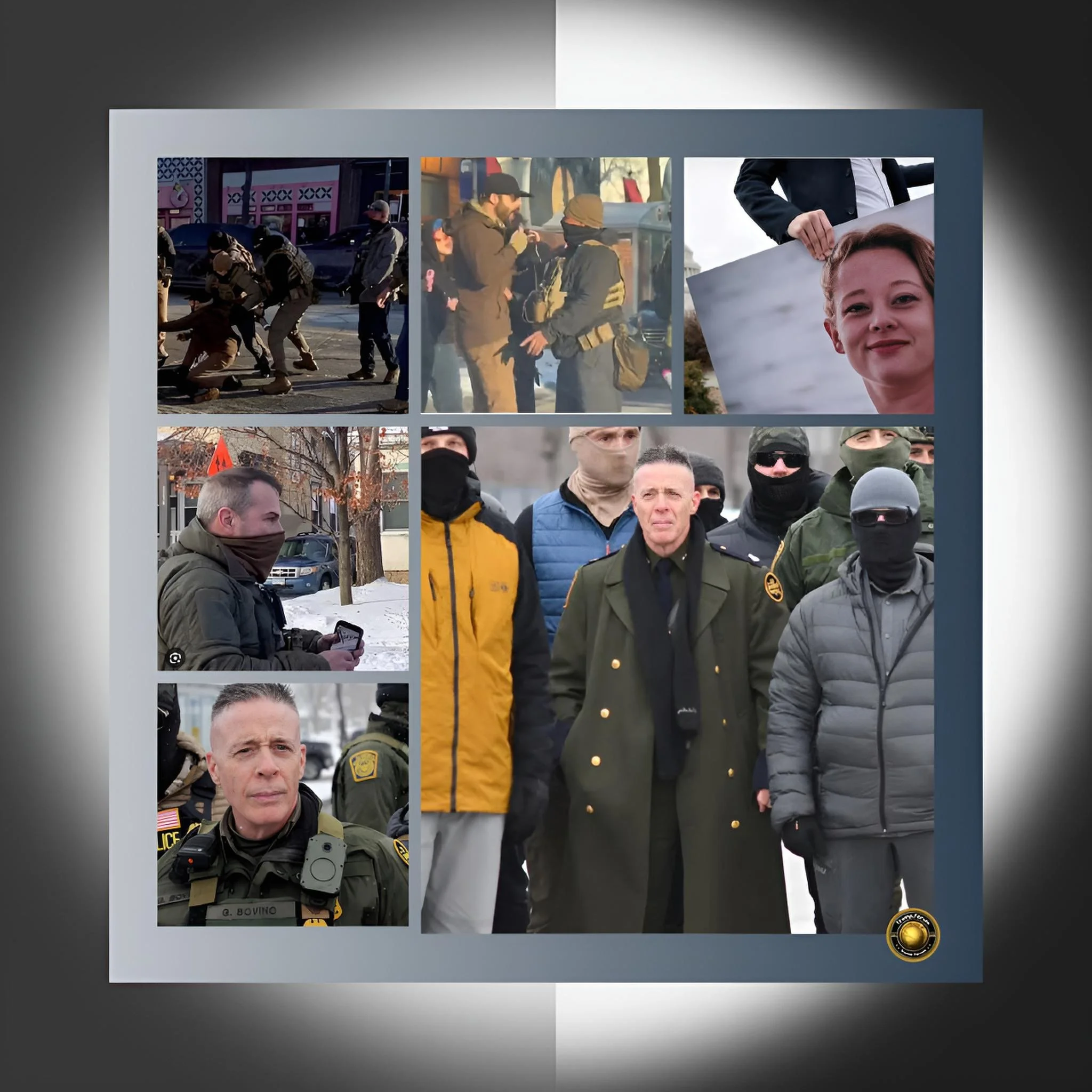
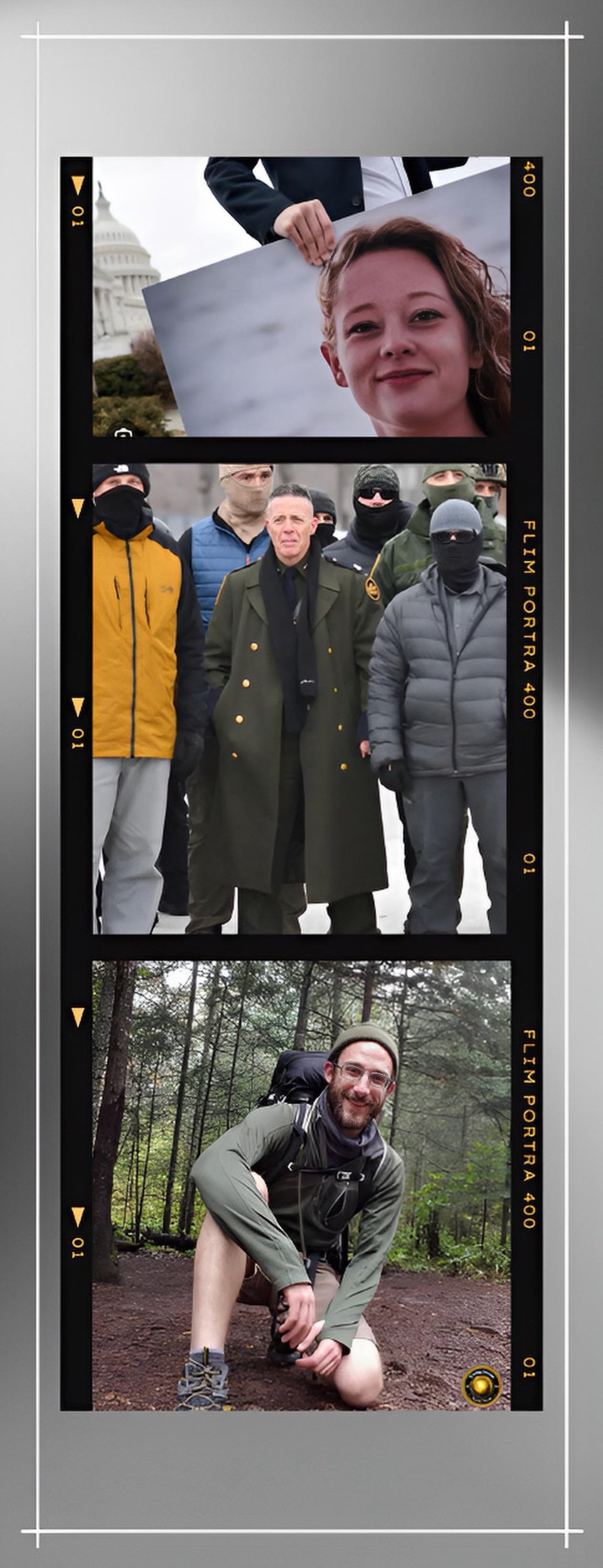
On January 7, 2026, a woman named Renée Good was shot and killed by a federal immigration agent. She was 37 years old and had three children. That morning, she had just dropped her six-year-old son off at elementary school. She was sitting in her car when federal agents approached. The government said she tried to run over an agent with her car and that the agent had to shoot her in self-defense. This is what the Department of Homeland Security claimed.
But the video told a different story. The mayor of Minneapolis watched the video and said it was completely false. The police chief watched the video and disagreed with the federal government's story. Even a journalist named Jake Tapper on CNN said to the official in charge, that is not what happened in the video. The official kept insisting that Renée Good had tried to run people over even though the video clearly showed she was driving away, not toward the agents.
This immediate attack on Renée Good's character—calling her a threat when the evidence showed she was not—set a pattern. Instead of investigating what happened, federal officials attacked the dead woman's reputation.
Alex Pretti
On January 24, 2026, just seventeen days later, another person was killed. His name was Alex Pretti, and he was thirty-seven years old. He worked as an intensive care nurse caring for veterans at a hospital. He had come to a neighborhood where federal agents were operating because he wanted to observe what they were doing and help protesters.
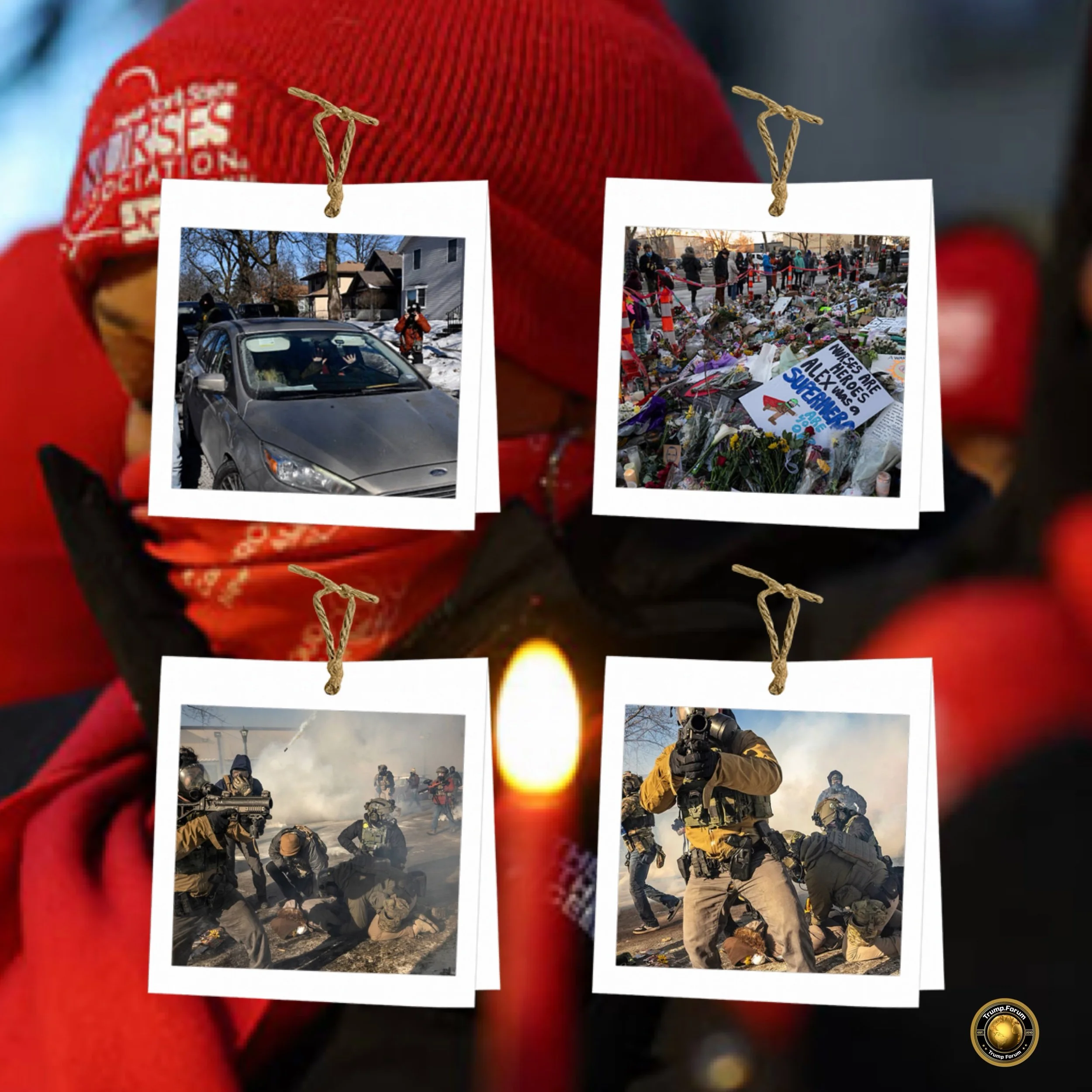
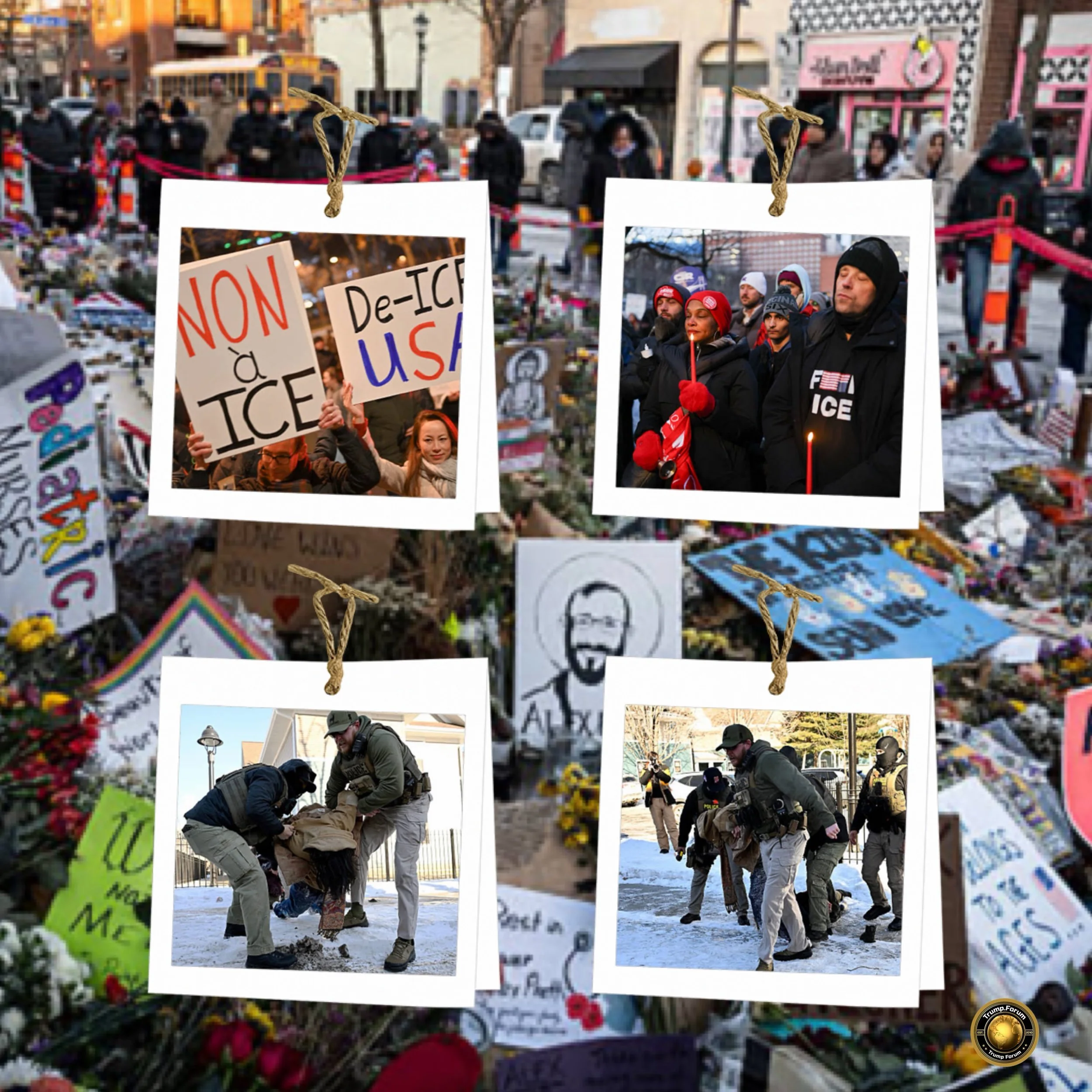
Video from multiple cameras showed what happened next. Alex Pretti held his phone in his right hand, recording the federal agents. His left hand was empty. He appeared to be trying to help a woman who had been pepper-sprayed by an agent. Then federal agents tackled him to the ground. As they were holding him down, a video shows an agent removing a gun from Pretti's holster—meaning the gun was not in his hand, it was hidden in his clothes. Only after the gun was removed did agents open fire.
Federal officials immediately said Pretti had approached them with a gun, trying to shoot them. They called him a domestic terrorist and an assassin. But the video clearly showed Pretti with only a phone in his hands. A doctor who was at the scene said she tried to help Pretti after he was shot. She said she counted at least five bullet wounds in his body, including several in his back and one in his neck.
The police chief of Minneapolis, Brian O'Hara, watched the video and said it "speaks for itself." He was saying the video proved the federal officials were lying.
Why This Pattern Matters
What is interesting and troubling is the pattern. In both cases:
Federal agents killed an American citizen. In both cases, federal officials immediately blamed the dead person without waiting for an investigation. In both cases, they said the victim was a terrorist or a criminal, even though the evidence showed the person was not a threat. In both cases, video contradicted what federal officials said happened. In both cases, the federal government refused to launch a real investigation.
This pattern matters because it is what authoritarian governments do. When governments operate without real limits on their power, they often kill people they see as opponents or threats. Then they protect the people who did the killing by attacking the victim's character and refusing to investigate. This makes it impossible to hold the government accountable.
Understanding Operation Metro Surge
The deaths of Renée Good and Alex Pretti happened during something called "Operation Metro Surge." This was a federal operation that sent thousands of federal agents to Minneapolis starting in December 2025. The government said the agents were there to catch illegal immigrants who had committed crimes.
But something strange about this operation was that it only targeted Minneapolis. It did not target other cities in the same way. Minnesota's governor is a Democrat who votes Democratic. Minnesota voted for Joe Biden, not Donald Trump. The state's leaders refused to cooperate fully with federal immigration enforcement. Many lawyers and state officials believed that the operation was actually punishment for the state's political positions, not real immigration enforcement.
The federal agents wore masks and tactical gear so you could not see their faces. They had rifles and body armor. They looked like soldiers, not regular police officers. In January 2026, a Minneapolis lawyer said federal agents reminded her of military occupation forces, not American law enforcement.
The government said it arrested over 10,000 people during the operation. Federal leaders claimed most were serious criminals. But many of the people arrested were community members going about their daily lives.
The Federal Police Chief
During this operation, a man named Gregory Bovino was the top federal police official. He dressed in a distinctive olive green uniform with brass buttons. He gave daily press conferences and made statements to reporters. He acted almost like a political figure, not a police officer. He argued with the mayor and governor of Minnesota. He said local police were not cooperating and called them "corrupt."
Something important happened on January 27, 2026. Bovino was removed from his job in Minneapolis. He was moved back to a different location in California. This happened after the two killings and after massive public anger about what federal agents were doing. The removal suggested that federal leaders recognized the operation was creating serious political problems.
What About the Constitution?
The state of Minnesota sued the federal government. The lawyers argued that what was happening violated the Constitution. They said the federal government had no right to send thousands of armed agents into a city without the permission of the state government. They argued that the operation violated people's right to protest peacefully.
A federal judge heard arguments about whether the operation should be stopped. But the judge was reluctant to overrule the federal government's decisions. Even so, she did temporarily ban federal agents from using pepper spray against peaceful protesters. This order was immediately challenged and partly suspended by a higher court.
This shows an important problem: even when judges recognize possible violations of the Constitution, it can be hard to stop the federal government from doing what it wants.
International Comparisons
The pattern of what happened in Minneapolis—killing citizens and then immediately blaming them, refusing to investigate, using federal forces against political opponents—is similar to what happens in countries with authoritarian governments.
In Hong Kong, when government forces killed protesters in 2019 and 2020, officials often claimed the victims had threatened them, even when video showed otherwise. In Belarus, the government sent military forces against protesters opposing election results and then defamed the victims. In Venezuela, government forces have conducted similar operations against opposition figures and then refused real investigations.
What makes Minneapolis significant is that these tactics are being used in the United States, a country that is supposed to have strong democratic protections.
Why Immediate Defamation Matters
When a government kills someone and immediately attacks that person's character instead of investigating, it serves an important authoritarian purpose. It tells potential opponents: if you resist the government, we will not only kill you, we will destroy your reputation. Your family will have to listen to us call you a terrorist. We will lie about who you were and what you did.
This is different from what happens in democracies. In a real democracy, when government agents kill someone, there is a pause. Investigators gather evidence. Facts are established. Then officials say what happened. There is no predetermined conclusion.
In Minneapolis, there was no pause. Federal officials decided the victims were guilty before any investigation. This signals that the victims had no chance for justice and that the agents who killed them had full protection from the government.
The Role of Propaganda
The federal government also used social media and online networks to spread its version of events. Supporters of the federal government posted videos trying to prove that the victims had actually been threats. They used slow-motion analysis of video footage to suggest the victims were dangerous. These posts were amplified by algorithms that showed them to more people.
This created a situation where the federal government's false narrative competed with the actual video evidence for people's attention and belief. Some people who did not watch the full videos or read careful analysis might believe the federal government's claims instead of trusting what they saw with their own eyes.
What Changed After the Deaths
After Alex Pretti was killed, President Trump sent a senior official named Tom Homan to Minneapolis. Homan was formerly in charge of federal immigration enforcement under Trump's first term. The idea seemed to be that Homan would manage the operation in a less visible and less provocative way than Bovino had.
Trump also had conversations with Minnesota's Democratic governor, Tim Walz. The governor had been critical of federal operations. After their conversation, the governor said the situation would improve. Trump agreed that some federal agents would leave the state. But this did not mean the operation was ending. It meant the federal government would continue its enforcement activities but try to do so with less public attention and controversy.
The Bigger Picture
What happened in Minneapolis raises serious questions about American government. The United States is supposed to have constitutional limits on government power. The First Amendment protects the right to protest. The Fourth Amendment protects against unreasonable searches. The Fifth Amendment protects against the government taking property or life without due process.
But if federal agents can kill people, immediately blame the victims, refuse investigations, and face no consequences, then these protections become meaningless. They are just words on paper.
Democratic countries depend on multiple institutions checking each other's power. The president has power, but Congress can limit it. Courts can strike down unlawful actions. The free press can expose wrongdoing. State governments can refuse cooperation.
In Minneapolis, we saw what happens when these checks weaken. The president sent thousands of armed agents into a city. The agents killed people. Federal officials immediately defended the killings. Courts were reluctant to intervene. The free press reported what happened, but the federal government spread alternative narratives. State and local governments protested, but they could not stop the operation.
Examples From Other Countries
In Turkey, the government has prosecuted journalists for writing critically about government actions. In Egypt, the government labeled 1,500 citizens as terrorists without due process and detained them indefinitely. In Kuwait, the government stripped over 35,000 people of citizenship without giving them a chance to challenge the decision. In Israel, the government has detained thousands of Palestinian civilians without charges using an "Unlawful Combatants Law."
All of these are examples of governments using supposedly legal powers in ways that deny people basic rights. They use administrative processes and security justifications to bypass normal legal protections. This is exactly what was happening in Minneapolis with Operation Metro Surge.
The Pattern of Authoritarian Police
Scholars who study authoritarian governments have noticed a pattern. When governments want to control their population and eliminate political opposition, they often:
Use special police forces that operate outside normal command structures. Use administrative excuses like fighting crime or addressing fraud as justification for operations that are really political. Deploy overwhelming force in civilian areas to show that resistance is impossible. Immediately defame people the government has harmed to shield itself from criticism. Refuse independent investigation into government violence. Use media and online networks to spread government narratives. Make independent institutions like courts reluctant to challenge government actions.
All of these happened in Minneapolis.
What Comes Next
The key question is whether the United States will respond to what happened in Minneapolis or whether this becomes the new normal. If federal agents can kill citizens without investigation or consequence, if federal forces can occupy American cities, if the government can spread false narratives without accountability, then the country has crossed an important threshold.
In the short term, the removal of Gregory Bovino and appointment of Tom Homan suggested that the Trump administration recognized a public relations problem. But there was no admission of wrongdoing. The agents involved were not disciplined or charged. The federal operation continued. Only the leadership and style changed.
In the longer term, the response will depend on whether Congress, the courts, the press, and the American public demand real accountability. If they do, the federal government may be forced to restrain its power. If they do not, Minneapolis may become a template for federal operations in other cities the Trump administration views as politically hostile.
Conclusion
Two Americans died in Minneapolis in January 2026.
Instead of investigating their deaths, federal officials immediately attacked their reputations. Video evidence contradicted the official narrative, but the federal government refused to acknowledge this contradiction.
The agents responsible faced no discipline or charges. The operation that led to the deaths continued.
This is how authoritarian governments operate. They have the power to use force. They have the ability to control narratives through media and propaganda. They prevent investigations and accountability. When this happens in a country that is supposed to have democratic protections, it signals that those protections have become fragile.
The Minneapolis incidents are not just unfortunate tragedies or isolated mistakes. They are a test of whether the United States can maintain the democratic institutions and practices that distinguish it from authoritarian governments. The answer is not yet clear.