What World Wars Teach Today: How Escalation Turns Strategy into Catastrophe - Beginners 101 Guide To The Affect of World Wars
Executive summary
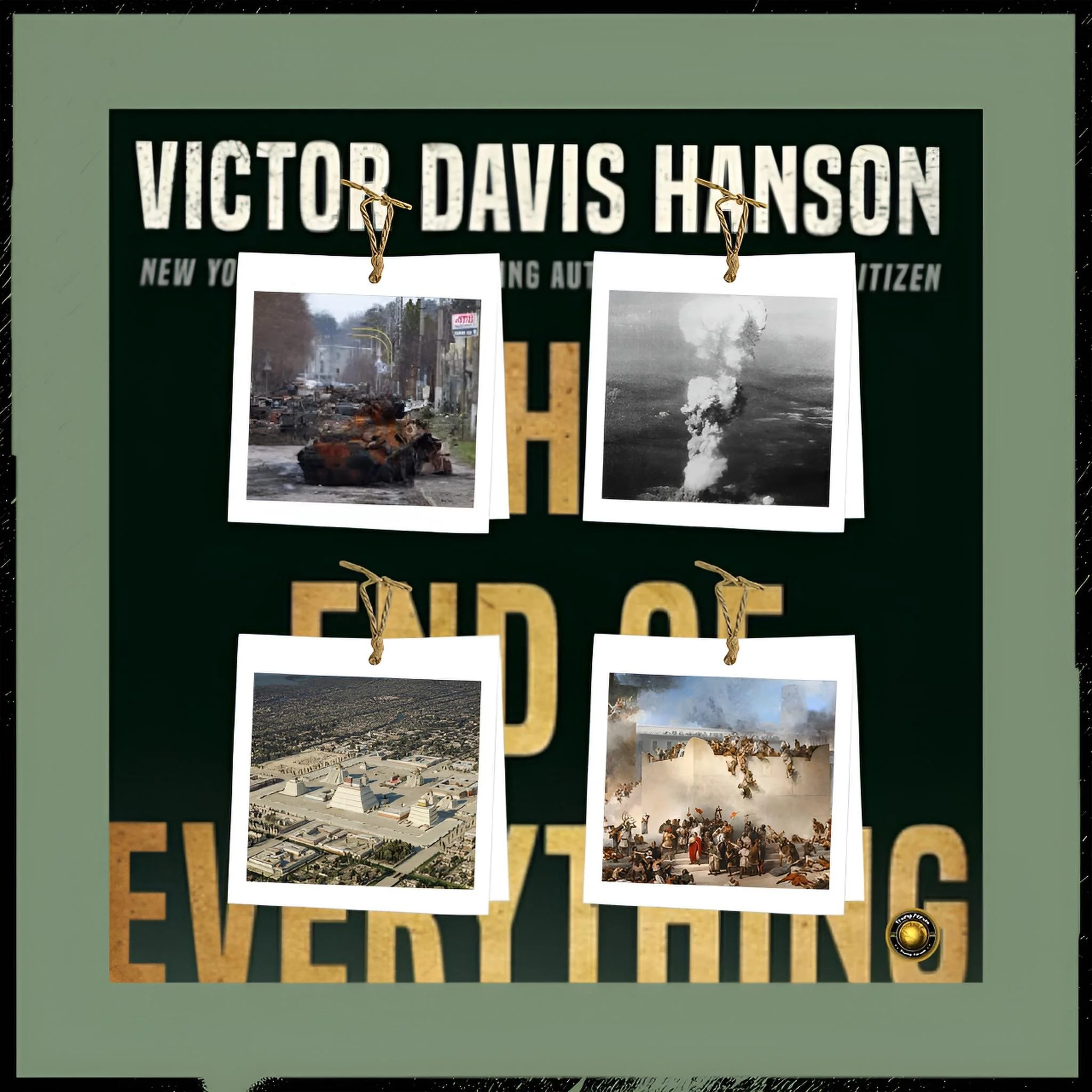
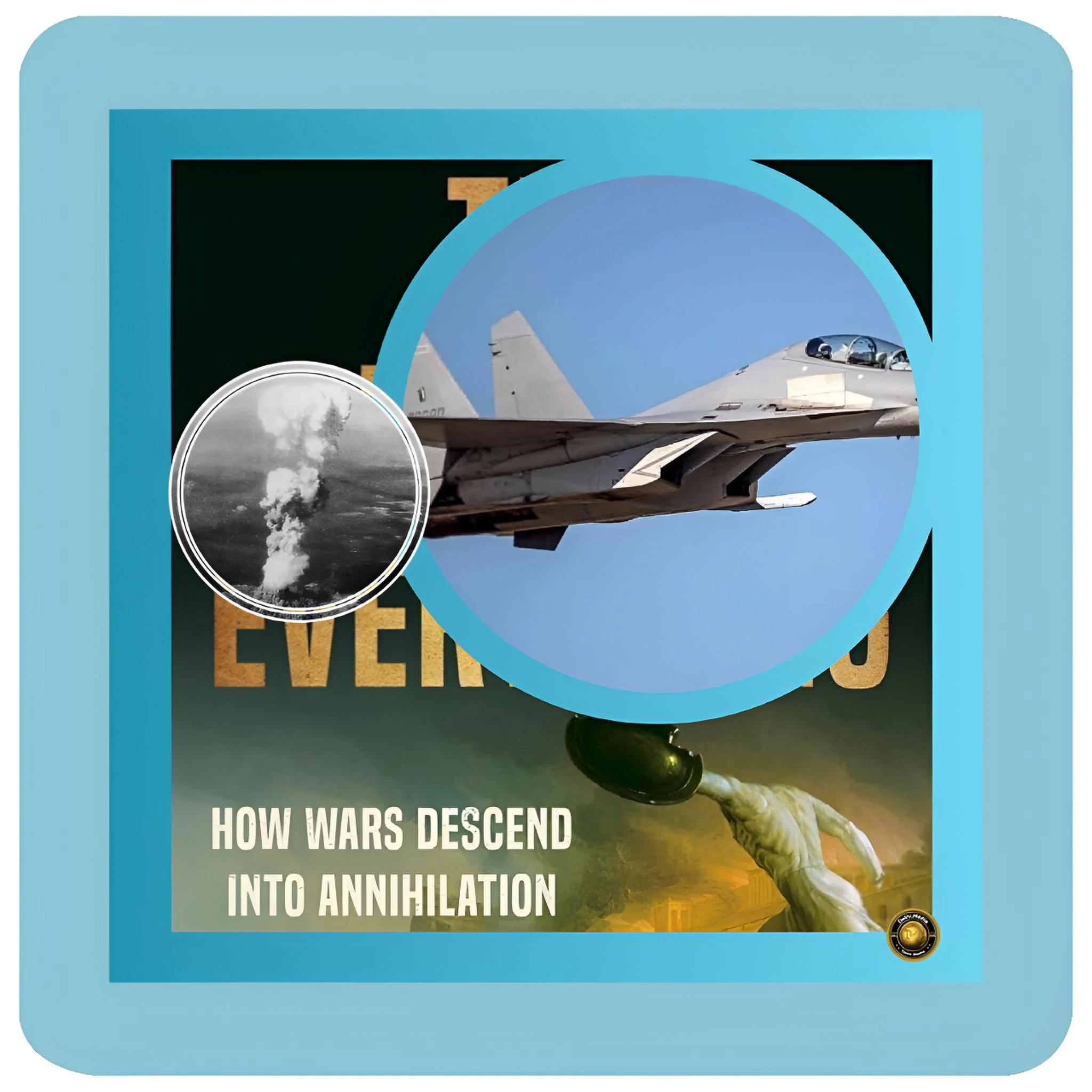
Victor Davis Hanson explains how some wars do not end with a deal.
They end with one side destroying the other side’s city, government, and way of life.
He shows this happened to famous places like Thebes, Carthage, Constantinople, and Tenochtitlan.
The big lesson is that people often think “it won’t happen to us,” but it can.
Today’s world is marked by wars and tensions, where leaders sometimes speak as if the fight is about survival. That can make wars harder to stop.
Introduction
Many people think modern rules and global institutions prevent the worst outcomes.
Hanson says history shows the opposite: when fear and anger rise, people can break rules fast.
A war that starts with limited goals can turn into a war where one side wants the other side to disappear.
His book is a warning: do not assume enemies will stay “reasonable,” and do not assume outsiders will rescue you.
History and current status
Hanson uses old examples to show a pattern.
Thebes
Thebes was a strong Greek city. But at a key moment, it lost its protection and faced enemies who wanted to make an example of it.
The idea was simple: destroy one city so others are too scared to resist.
The lesson is that sometimes violence is used as a “message,” not only for territory.
Carthage
Carthage fought Rome in long wars. In the end, Rome decided Carthage was too dangerous to allow it to live again.
So Rome erased it. The lesson is scary: even if you compromise, a stronger enemy may still choose total victory if it believes your existence is a future threat.
Constantinople
Constantinople had huge walls and a great history. Yet it fell when its enemies had better tools, better timing, and strong motivation.
The lesson is that prestige and history do not protect a city if it becomes isolated and outmatched.
Tenochtitlan
Tenochtitlan was a powerful city in Mexico. It fell to outside invaders who also had local allies, and disease made everything worse.
The lesson is that collapse can come from many directions at once: military pressure, internal rivals, and unexpected disasters.
Today’s world has similar dangers. The war in Ukraine has lasted for years and has become a test of endurance and national survival for many people involved.
Tensions around Taiwan also show how leaders speak in absolute terms about sovereignty and identity, making compromise feel impossible.
Key developments
One development is that wars can expand without an official “big decision.” Each side escalates a little, then a little more. Another development is that leaders often talk about “credibility.”
They fear looking weak. But fear of weakness can trap them into bigger risks, like in the early steps toward World War I.
Another development is that technology changes what is possible. In the past, it was walls and siege engines.
Today, it is drones, missiles, cyber attacks, and economic warfare. These tools can quickly hit cities and infrastructure, increasing anger and pushing people toward revenge.
Latest facts and concerns
Around 24 February 2026, leaders marked 4 years since the full-scale invasion of Ukraine. Zelenskyy again pushed for EU accession by 2027 and said Ukraine cannot trade away its core interests in talks.
Mark Rutte visited Kyiv in early February 2026 and said NATO support is unwavering.
The UK announced new support packages and coordination with allies. Russia’s Foreign Ministry warned about the risk of a clash between nuclear powers, which shows how dangerous escalation talk can become.
A separate concern is arms-control weakness. When treaties and trust weaken, countries plan for worst-case scenarios.
Reuters explained in January 2026 how New START limits strategic nuclear weapons and why the expiry matters, showing how stability can depend on rules that are not guaranteed to last.
Cause-and-effect analysis
Cause: Leaders start to believe the enemy must be crushed, not managed.
Effect: War goals become absolute, and peace deals are seen as betrayal.
Cause: People think outsiders will save them.
Effect: They take bigger risks or delay hard decisions, only to discover that help is limited or arrives too late.
Cause: Anger and humiliation grow during long wars.
Effect: Each new attack becomes a reason to punish more, not to stop.
Cause: Leaders need support at home.
Effect: They use strong language and “no compromise” promises that later reduce flexibility.
Future steps
The safest future steps are about reducing mistakes.
First, leaders should keep communication open even with enemies. Talking does not mean agreement. It means reducing accidents.
Second, alliances should match promises with real capability. If a promise cannot be kept, it should not be made, because false confidence can cause disaster.
Third, leaders should avoid humiliation strategies that leave the other side no exit. If the only exit is surrender, the war can become endless.
Fourth, societies should build resilience. If a country can handle shocks—energy shocks, cyber shocks, disinformation—then it is harder to scare it into bad decisions.
Conclusion
Hanson’s book shows that the destruction of a city or a society is not “ancient madness.” It is a human possibility.
The world wars proved modern countries can also move toward total war when fear and ideology combine.
Today, we see leaders using serious, survival-style language about conflicts and sovereignty.
The lesson is not panic. The lesson is discipline: keep wars limited, keep diplomacy alive, back deterrence with reality, and never assume “it can’t happen.”