Who wins wars and who loses wars- Beginners Guide to How to Win a War
Executive summary
Wars are not won just because one side has more soldiers or stronger weapons. Many times in history, powerful countries have lost wars, and weaker ones have survived or even won.
This happens because war is not only about fighting. It is also about money, planning, leadership, public support, and smart decisions.
Stakeholders win wars when they use all their strengths together.
They need strong economies, clear goals, good leadership, and support from their people and allies.
Stakeholders lose wars when they make mistakes, misunderstand their enemies, or lose support at home.
In today’s world, wars are even more complex. Fighting is only one part.
Technology, media, trade, and alliances are just as important. Sometimes there is no clear winner at all.
Introduction
Many people think that war is simple. They believe that the side with the biggest army or best weapons will win. But history shows that this idea is wrong.
War is not just about battles. It is about power in many forms.
This includes money, technology, ideas, and people’s support. A country can win many battles but still lose the war if it does not achieve its goals.
To understand who wins and who loses wars, we must look at the bigger picture. We must study how stakeholders think, plan, and act over time.
History and current status
In older times, wars were more direct. Two armies met, fought, and one side won. For example, in ancient wars, a single big battle could decide everything.
But as technology and societies grew, wars became longer and more complex. In World War Two, the Allies did not win only because of better soldiers.
They won because they produced more weapons, had better supply systems, and worked together as a team.
The Cold War was very different. The United States and the Soviet Union did not fight directly. Instead, they competed in economy, technology, and ideas.
The United States “won” because its system was stronger over time.
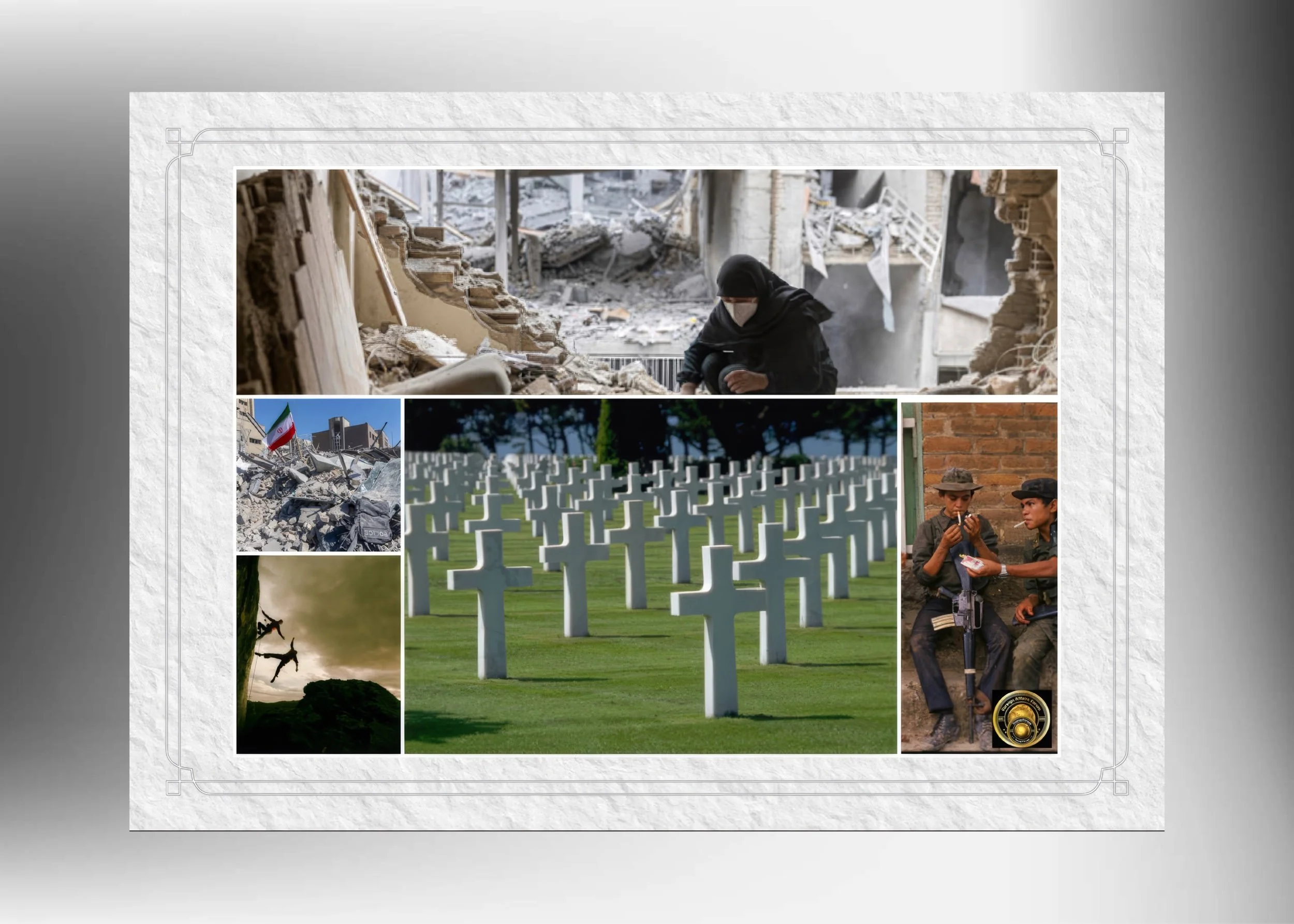
In modern times, wars are even more complicated. In places like Ukraine or the Middle East, fighting is only one part. Economic sanctions, media, and global support play a big role.
Key developments
One major change in war is the importance of money and economy.
A country with a strong economy can keep fighting longer. It can produce weapons, pay soldiers, and support its people.
Technology is another big factor. Drones, cyber attacks, and advanced weapons have changed how wars are fought.
A smaller country can use smart technology to fight a stronger one.
Another important development is alliances. Countries rarely fight alone now. They work with partners. For example, many countries support Ukraine with weapons and money.
Information has also become very important. News, social media, and public opinion can change how people see a war.
If people stop supporting a war, it becomes harder to continue.
Latest facts and concerns
Recent wars show that winning is not simple. In Ukraine, both sides have strengths and weaknesses. The war continues because both have support and resources.
In the Middle East, stakeholders often win battles but still face problems later. Conflicts continue because the root issues are not solved.
There is also a risk of bigger wars. Tensions between major powers are rising. This makes the world more dangerous.
Another concern is that wars now affect the global economy.
Energy prices, food supply, and trade can all be disrupted.
This means even countries not involved in the war can suffer.
Cause and effect analysis
Wars are won when several important factors come together.
One key factor is a strong economy. A country needs money and resources to continue fighting.
Another factor is clear goals. If a country knows what it wants and plans carefully, it has a better chance of success.
Public support is very important.
If people believe in the war, they will support it. But if they lose trust, the war effort becomes weak.
Flexibility also matters. Wars change quickly. Stakeholders that adapt to new situations often do better.
Wars are lost when these things go wrong.
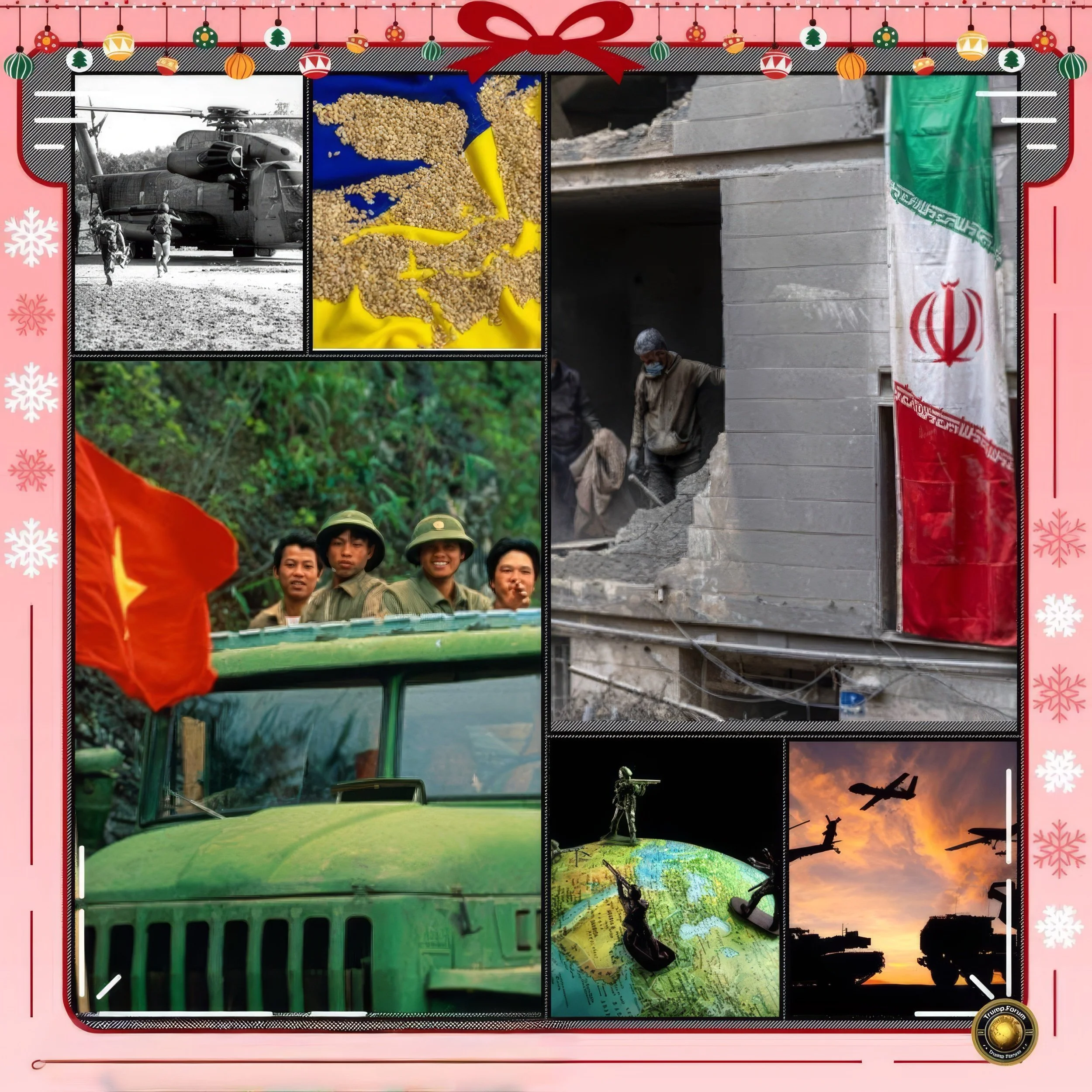
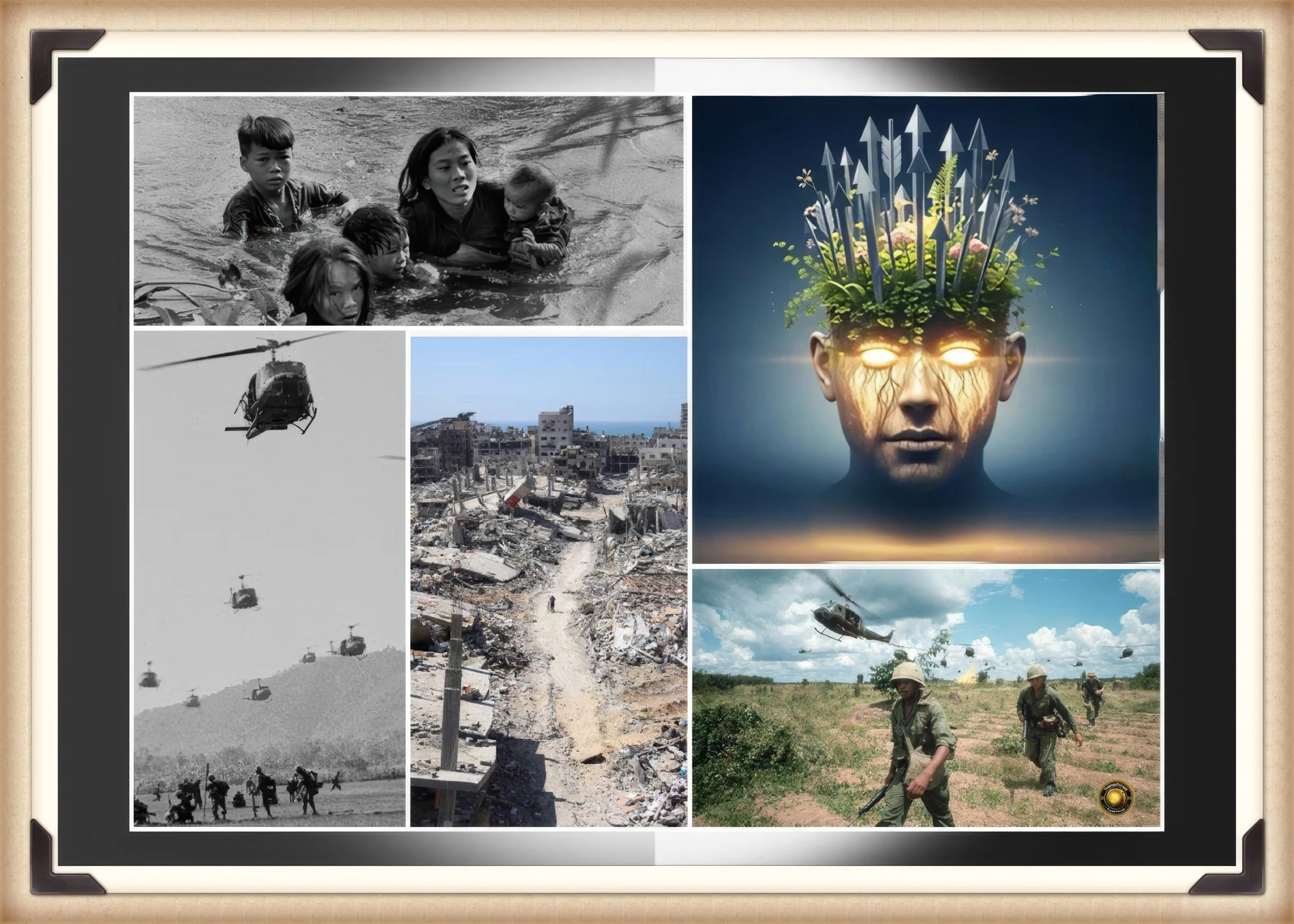
For example, in Vietnam, the United States had strong military power but did not understand the situation well. Over time, public support decreased, and the war was lost.
In Afghanistan, a similar thing happened. Goals were unclear, and support slowly disappeared. Even a powerful military could not win.
Examples from history and today
WWII is a good example of winning through strength and teamwork.
The Allies had strong economies, worked together, and planned carefully.
Vietnam shows how a powerful country can lose.
The United States won many battles but could not win the overall war because it lost public support and did not achieve its goals.
Afghanistan is another example. Both the Soviet Union and later the United States tried to control the country.
Both failed because they could not build a stable system.
Ukraine today shows a different kind of war.
Ukraine is smaller but has strong support from other countries. It uses smart tactics and technology to resist a larger opponent.
In the Middle East, conflicts often continue without clear winners.
Stakeholders may win battles but still face long-term problems.
Future steps
In the future, wars will depend even more on economy and technology.
Countries will need strong supply chains and energy security.
Working with allies will be very important. No country can handle modern war alone.
Information will also play a bigger role.
Controlling the story of the war can influence public opinion and international support.
Countries will also need to think carefully about their goals. Clear planning will be more important than ever.
Conclusion
Winning wars is not just about fighting. It is about using all forms of power in a smart way.
Strong economies, clear strategies, public support, and adaptability are key to success.
Losing wars often happens when stakeholders make mistakes, lose focus, or fail to understand the situation.
In today’s world, war is more complex than ever. Sometimes there is no clear winner.
But one thing is certain: success depends on more than just military strength. It depends on the ability to think, adapt, and act wisely over time.