United States Tariff Authority in Crisis: Judicial Limits, Executive Maneuvering, and the Global Economic Shockwave
Executive Summary
Tariff Chaos or Constitutional Reset? How Washington’s Legal Battle Shapes Global Markets
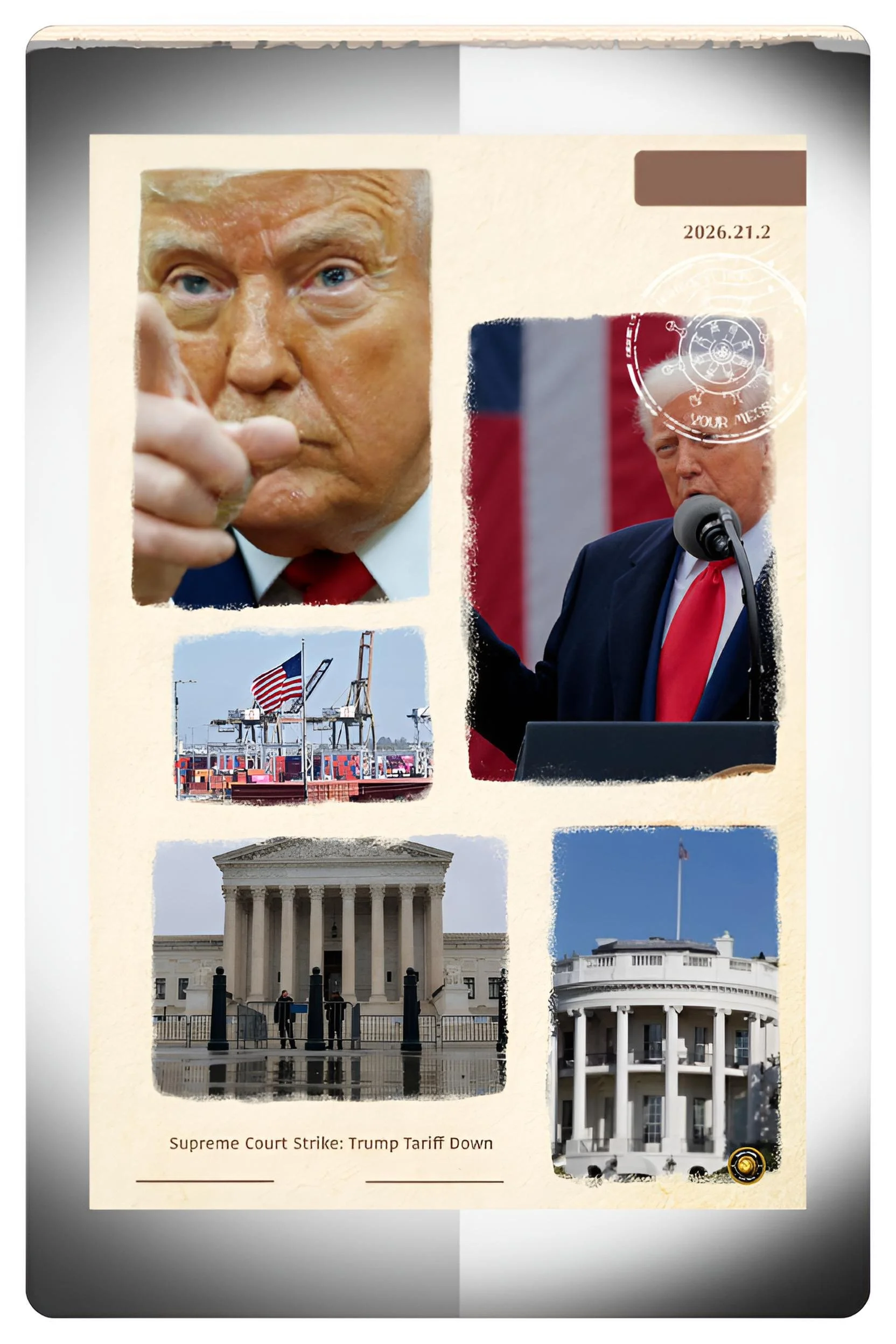
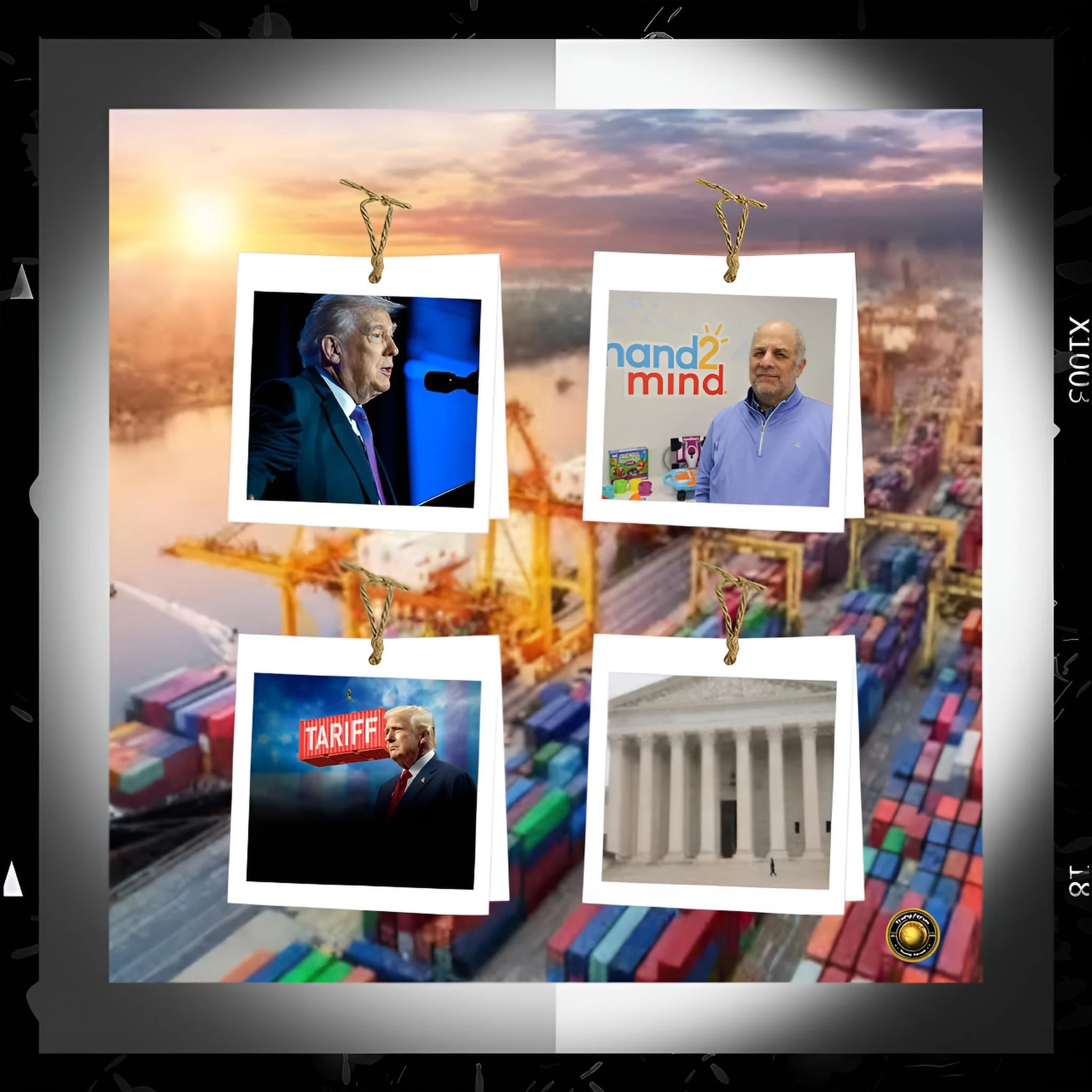
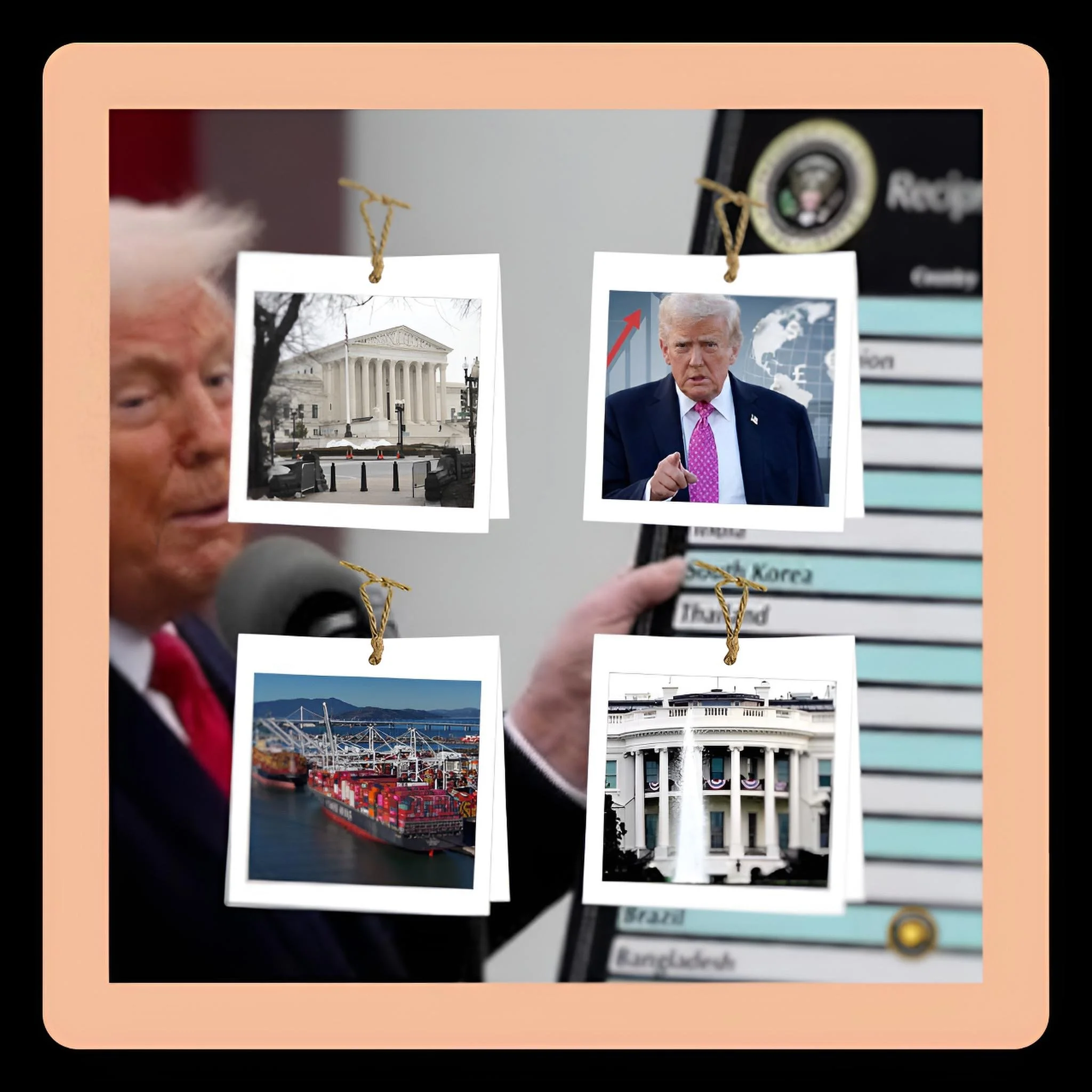
The United States finds itself in a profound legal, economic, and geopolitical reckoning following the Supreme Court’s invalidation of major executive tariff actions imposed under expansive interpretations of emergency powers.
The ruling curtailed the President’s reliance on the International Emergency Economic Powers Act while leaving intact certain alternative statutory pathways, including Section 122 authority permitting tariffs of up to 15% for 150 days pending congressional review.
The result has not been clarity but systemic uncertainty.
Markets across China, India, Japan, South Korea, and Bangladesh—alongside domestic manufacturing sectors in the American deep south—are recalculating exposure to a tariff regime whose legal foundation has shifted overnight.
Industry leaders question which sectors remain protected, whether emergency tariffs can be extended or restructured, and how congressional review will unfold in a polarized legislature.
Investors confront volatility; manufacturers confront supply-chain recalibration; workers confront the possibility of both job losses and job reshoring.
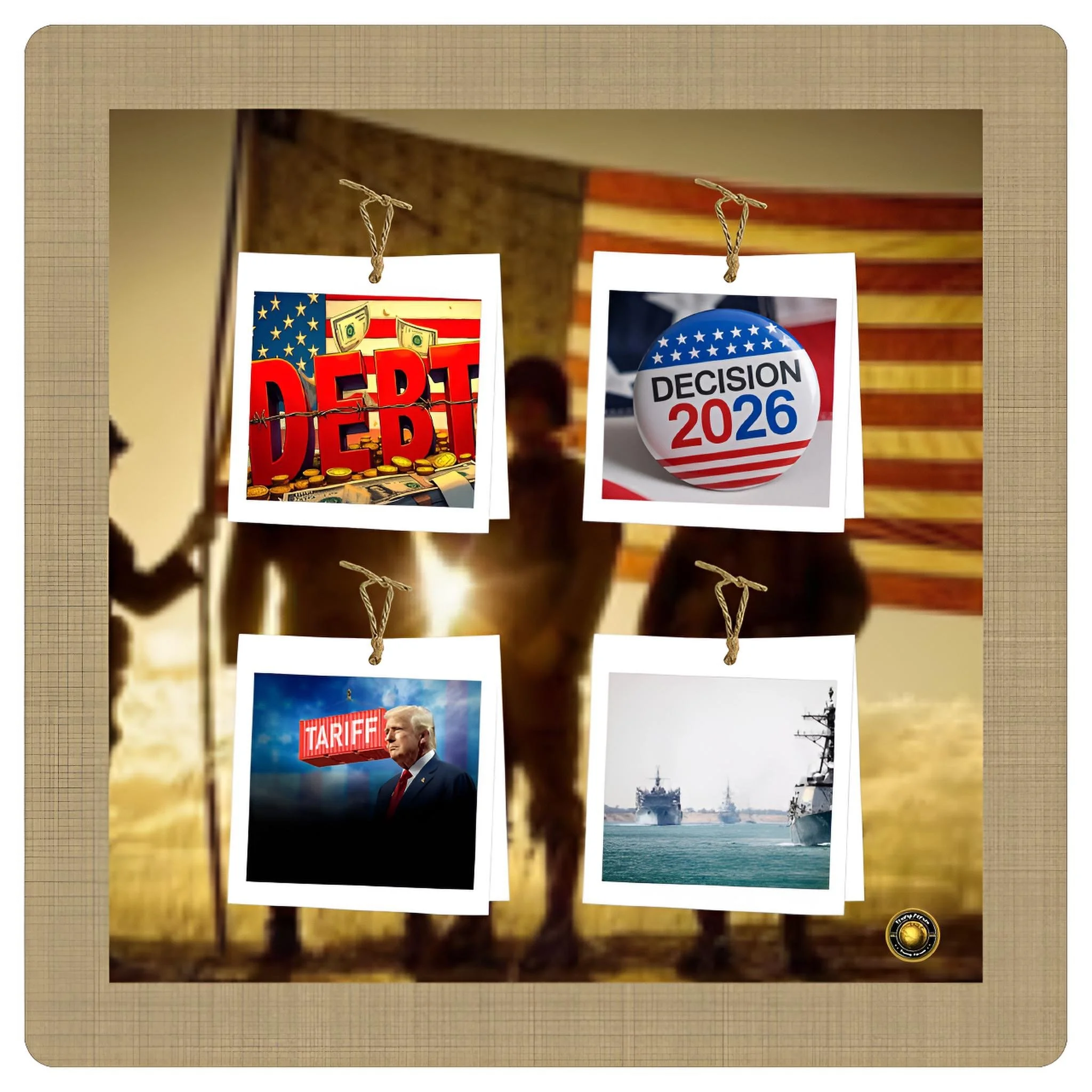
This legal disruption does not merely concern trade mechanics. It implicates constitutional separation of powers, industrial policy, fiscal sustainability amid $38.7 trillion in federal debt, and the credibility of U.S. economic statecraft.
The administration’s invocation of Section 122 introduces a 150-day window of conditional tariffs up to 15%, but whether Congress ratifies, modifies, or rejects such measures remains uncertain.
The consequences will reverberate globally.
Introduction
Supreme Court Ruling Triggers Global Trade Uncertainty and Congressional Tariff Showdown
The architecture of American trade authority has long oscillated between congressional prerogative and executive initiative.
In moments of crisis, presidents have invoked emergency statutes to impose tariffs unilaterally.
Yet the Supreme Court’s recent rebuke recalibrates that balance.
By invalidating the majority of tariffs imposed under emergency powers, the Court has reasserted constitutional limits on executive discretion in trade policy.
The immediate question is deceptively technical: how will final tariff % figures now be determined? But beneath this inquiry lies a structural dilemma.
If emergency powers are constrained, yet Section 122 allows temporary tariffs of up to 15% for 150 days, and Congress must subsequently review them, then tariff policy becomes a moving target shaped by legal interpretation, legislative negotiation, and geopolitical pressure.
The confusion extends beyond Washington. Export-driven economies in Asia are assessing revised exposure.
American manufacturers are reexamining investment decisions.
Financial markets are recalibrating risk premiums on sovereign debt.
The uncertainty is amplified by public remarks from world leaders, whose statements signal strategic positioning in real time.
History and Current Status
Historically, tariff authority originated with Congress under Article I of the Constitution.
Over time, statutes such as the Trade Expansion Act and emergency economic powers legislation delegated substantial discretion to the executive branch.
This delegation allowed presidents to respond rapidly to perceived national security or economic emergencies.
In recent years, expansive use of these statutes led to tariffs on steel, aluminum, and a broad array of Chinese imports.
The legal foundation rested on interpretations of emergency authority. Critics argued such interpretations exceeded statutory intent. The Supreme Court has now sided with that critique.
The Court’s ruling does not abolish tariffs altogether. Rather, it limits the specific emergency rationale previously employed.
The administration has pivoted toward Section 122 of the Trade Act, which authorizes tariffs up to 15% for 150 days to address balance-of-payments concerns, subject to congressional review.
This narrower authority imposes both temporal and procedural constraints.
As of the present moment, markets are navigating three concurrent realities.
First, previously imposed tariffs under invalidated authority face rollback or restructuring.
Second, new temporary tariffs may emerge under Section 122.
Third, Congress must decide whether to formalize or reject such measures. This layered uncertainty explains the perception of chaos.
Key Developments
The administration has signaled that tariffs may be recalibrated to fall within the 15% ceiling permitted under Section 122.
Industries previously facing higher rates are analyzing whether reductions will mitigate cost pressures.
Simultaneously, some sectors fear that temporary tariffs may become bargaining tools in broader geopolitical negotiations.
Congressional leaders are divided. Some advocate codifying protective measures for strategic industries such as semiconductors and defense supply chains.
Others argue for restoring legislative primacy in trade policy and reducing consumer costs.
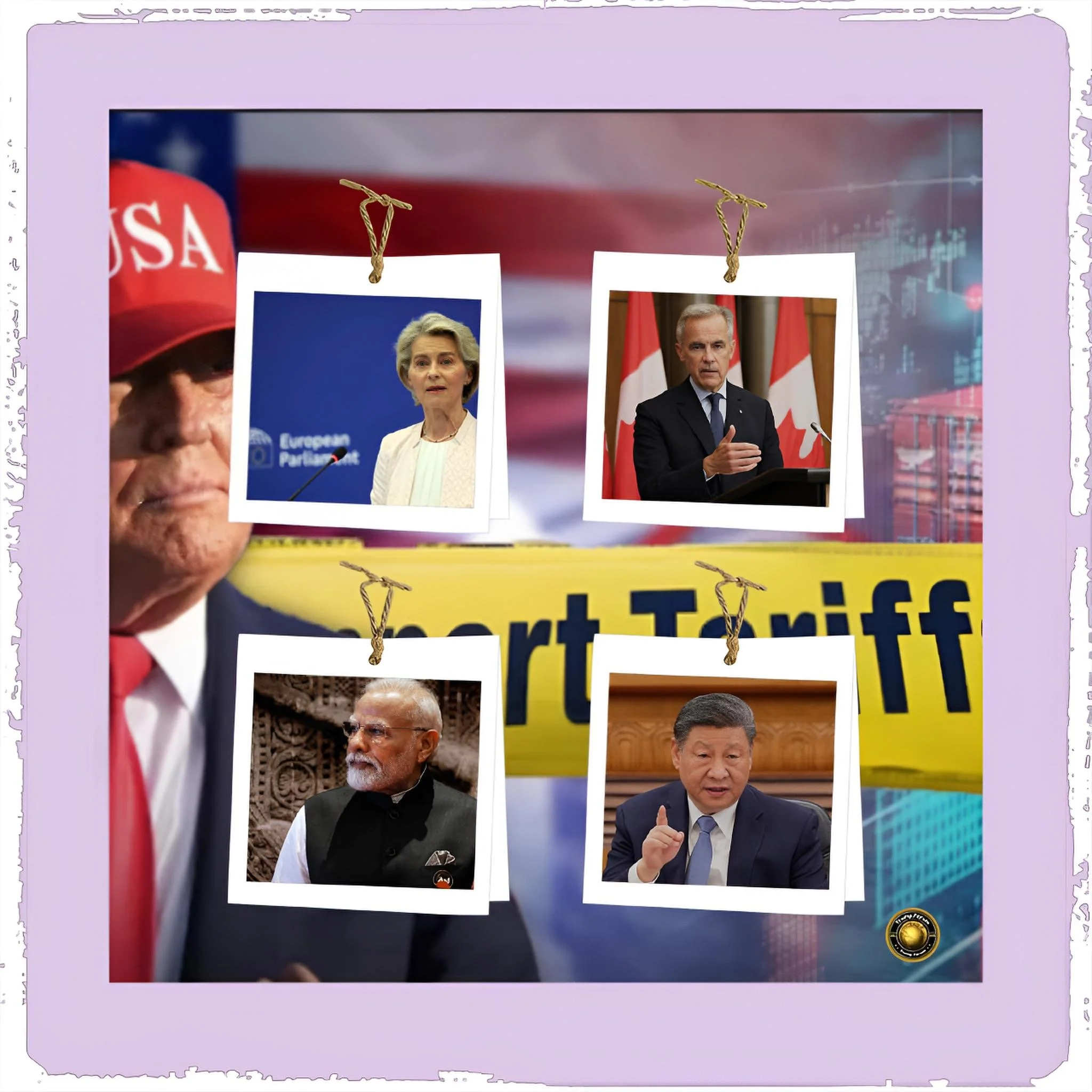
International reactions have been swift. The Prime Minister of Japan emphasized the need for “predictable rule-based trade.”
The President of South Korea underscored the importance of supply-chain stability.
India’s Prime Minister stated that “global trade must not be hostage to domestic political cycles.”
China’s leadership described the ruling as evidence that “internal contradictions in U.S. governance affect global markets.”
Bangladesh’s Prime Minister expressed concern for garment exports reliant on American demand.
The European Commission President remarked that “legal clarity in Washington is essential for transatlantic economic confidence.”
Latest Facts and Concerns
The United States carries $38.7 trillion in national debt. Trade deficits remain politically salient. Inflationary pressures have moderated but remain sensitive to import costs.
Financial markets are evaluating whether tariff uncertainty will weaken growth forecasts.
Certain industries remain partially insulated. Defense procurement tied to national security may qualify for separate statutory protections.
Semiconductor incentives under separate legislation continue. Agricultural exporters, however, fear retaliatory measures if tariff volatility persists.
A central concern is whether temporary 15% tariffs will meaningfully alter trade flows or merely inject uncertainty.
Businesses hesitate to invest when policy may reverse within 150 days.
The potential for job gains through reshoring competes with risks of job losses in export-oriented sectors.
Cause-and-Effect Analysis
Judicial Limits, Executive Power, and the Future of U.S. Industrial Protection
The Supreme Court ruling triggers a cascade of effects. By limiting emergency authority, it narrows executive leverage.
This compels reliance on Section 122, which caps tariffs at 15% and imposes a 150-day review period.
That constraint reduces immediate tariff magnitude but increases procedural uncertainty.
Lower tariffs may reduce consumer price pressure. Yet uncertainty discourages capital expenditure.
Foreign partners may delay trade agreements pending congressional clarity. Domestic industries lobbying for protection intensify political polarization.
If Congress approves tariffs beyond the 150-day window, legal stability may return but at the cost of higher import prices.
If Congress rejects them, executive leverage in trade negotiations diminishes. Either outcome reshapes the balance of power between branches of government.
Future Steps
Several trajectories are plausible.
Congress could codify a revised tariff framework with explicit percentage limits and clearer criteria.
Alternatively, lawmakers may reassert broader control, requiring affirmative votes before any new tariffs take effect.
A third scenario involves negotiated settlements with key trading partners, reducing reliance on tariffs altogether.
Internationally, allies may seek binding trade agreements to insulate themselves from U.S. domestic volatility.
Emerging economies may diversify export markets. Financial markets will continue pricing risk based on perceived policy stability.
Real-Time Comments from Six World Leaders
Japan’s Prime Minister stated, “Stability in U.S. trade policy is essential for Indo-Pacific security.”
India’s Prime Minister remarked, “Economic nationalism must not undermine cooperative growth.”
China’s President commented, “The world observes how institutional checks shape economic decisions.”
South Korea’s President emphasized, “Supply chains cannot function under cyclical tariff uncertainty.”
Bangladesh’s Prime Minister noted, “Developing economies require predictability in major markets.”
The President of the European Commission observed, “Legal clarity in Washington strengthens global confidence.”
Conclusion
Section 122 and the 15% Ceiling: America’s Trade Authority Enters Turbulent Phase
The Supreme Court’s ruling represents more than a judicial correction. It is a constitutional recalibration with global economic implications.
Section 122 provides a temporary bridge, permitting tariffs up to 15% for 150 days, but it cannot substitute for durable legislative consensus.
The confusion surrounding final tariff % levels reflects deeper tensions between executive agility and legislative authority.
Whether the outcome produces job gains or losses depends on congressional action, market adaptation, and international diplomacy.
Ultimately, the episode underscores a fundamental truth: in an interconnected economy, domestic constitutional disputes reverberate across continents.
Stability, clarity, and institutional coherence are not luxuries; they are prerequisites for economic leadership.