Executive Summary
A Court Decision That Changed Trade Policy
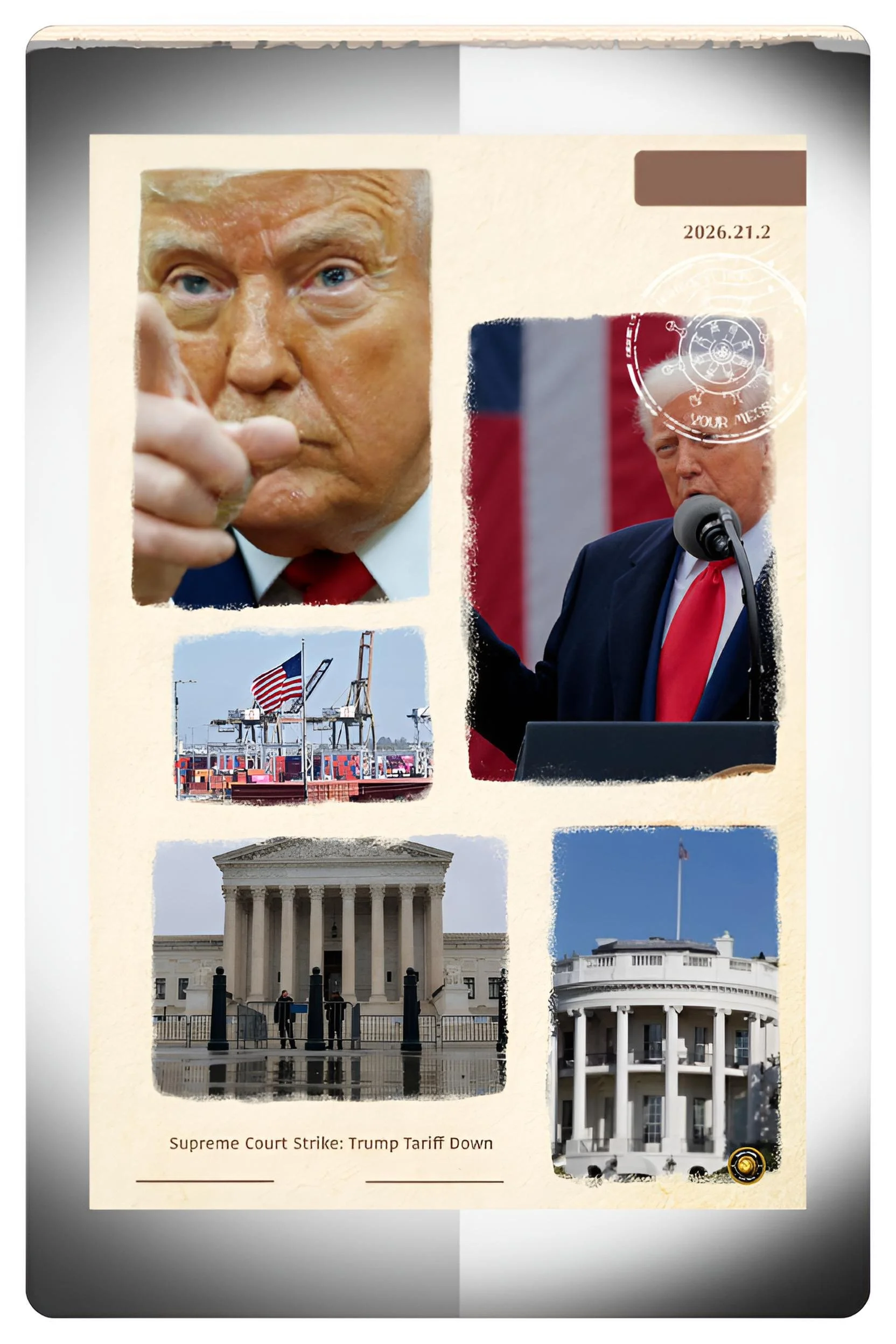
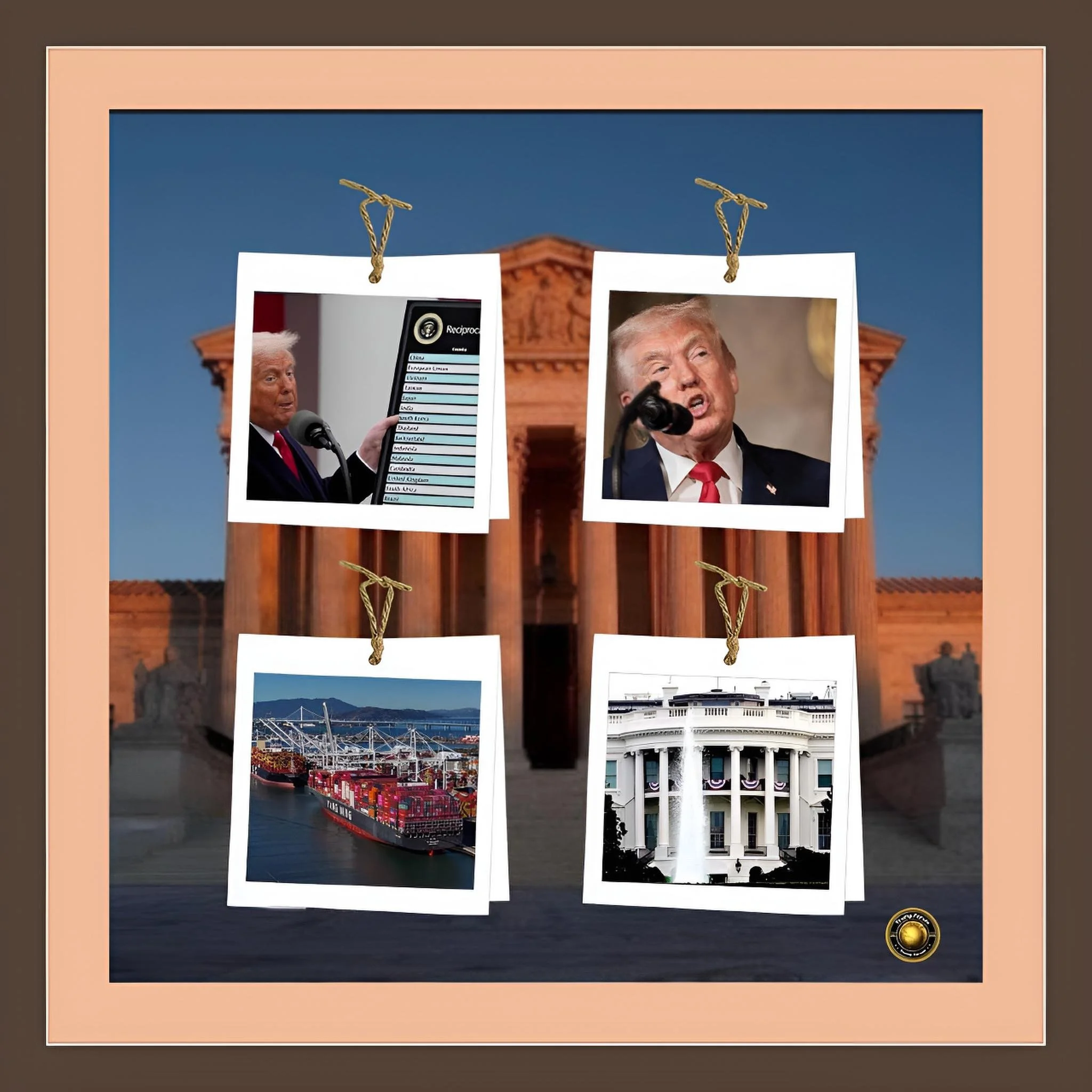
On February 20, the Supreme Court ruled that many of President Donald Trump’s tariffs were illegal.
The case was called Learning Resources v Trump.
The Court said a 1977 law called the International Emergency Economic Powers Act did not give the president the power to impose broad tariffs.
President Trump said he was disappointed and promised new trade barriers.
This creates uncertainty.
Businesses and markets now wonder what will happen next.
Introduction
What Happened and Why It Matters
The Constitution gives Congress the power to set tariffs. Over time, Congress allowed presidents to use certain laws in emergencies.
President Trump used a law meant for financial emergencies to justify tariffs. The Supreme Court disagreed. Chief Justice John Roberts joined the majority opinion.
This decision limits presidential power under that law. But it does not end the tariff debate.
History and Background
How Presidents Gained Trade Power
In the past, Congress set tariffs directly. Later, it gave presidents flexibility for national security and trade disputes.
The 1977 law was mainly about freezing assets and controlling money during emergencies. It was not clearly written to allow general tariffs.
The Court said that if Congress wants to give that power, it must do so clearly.
Current Situation
What Happens Now
Some tariffs may be removed because of the ruling. That could lower prices on certain goods.
But President Trump has promised new barriers. He may use other trade laws.
Imagine a business that imports steel. It does not know whether next month the cost will rise or fall. Because of that uncertainty, it may delay hiring or investment.
Key Developments
The Political Response
President Trump criticized the decision publicly. He said he was ashamed of certain members of the Court.
This shows tension between branches of government. The judiciary limited executive power. The executive responded with political pressure.
Latest Concerns
Why Uncertainty Matters
Tariffs act like taxes on imports. If tariffs are 20%, companies often pass those costs to consumers.
If tariffs disappear, prices may fall. But if new ones appear, prices may rise again.
For example, if a washing machine costs $500 and a 20% tariff is added, the price could increase to $600. If the tariff is removed, it could return to $500. Frequent changes make planning difficult.
Cause and Effect
Court Ruling and Market Reaction
The cause was the Supreme Court ruling limiting emergency tariff power.
The first effect was legal clarity.
The second effect was economic uncertainty because of new threats.
Businesses prefer stability. When rules change often, they hesitate to expand.
Future Steps
What Could Happen Next
The president could use other trade laws to impose tariffs.
Congress could pass new legislation.
Voters may influence the direction in upcoming elections.
Conclusion
A Legal Win, an Economic Question
The Supreme Court limited presidential tariff power under one law. That strengthens constitutional balance.
But the president’s response creates new uncertainty.
For now, the economy faces questions rather than answers.