Rubio Speech Highlights Deepening Uncertainty Within Transatlantic Partnership Today - Part II
Executive summary
Strategic reassurance masks deeper structural tensions across alliance
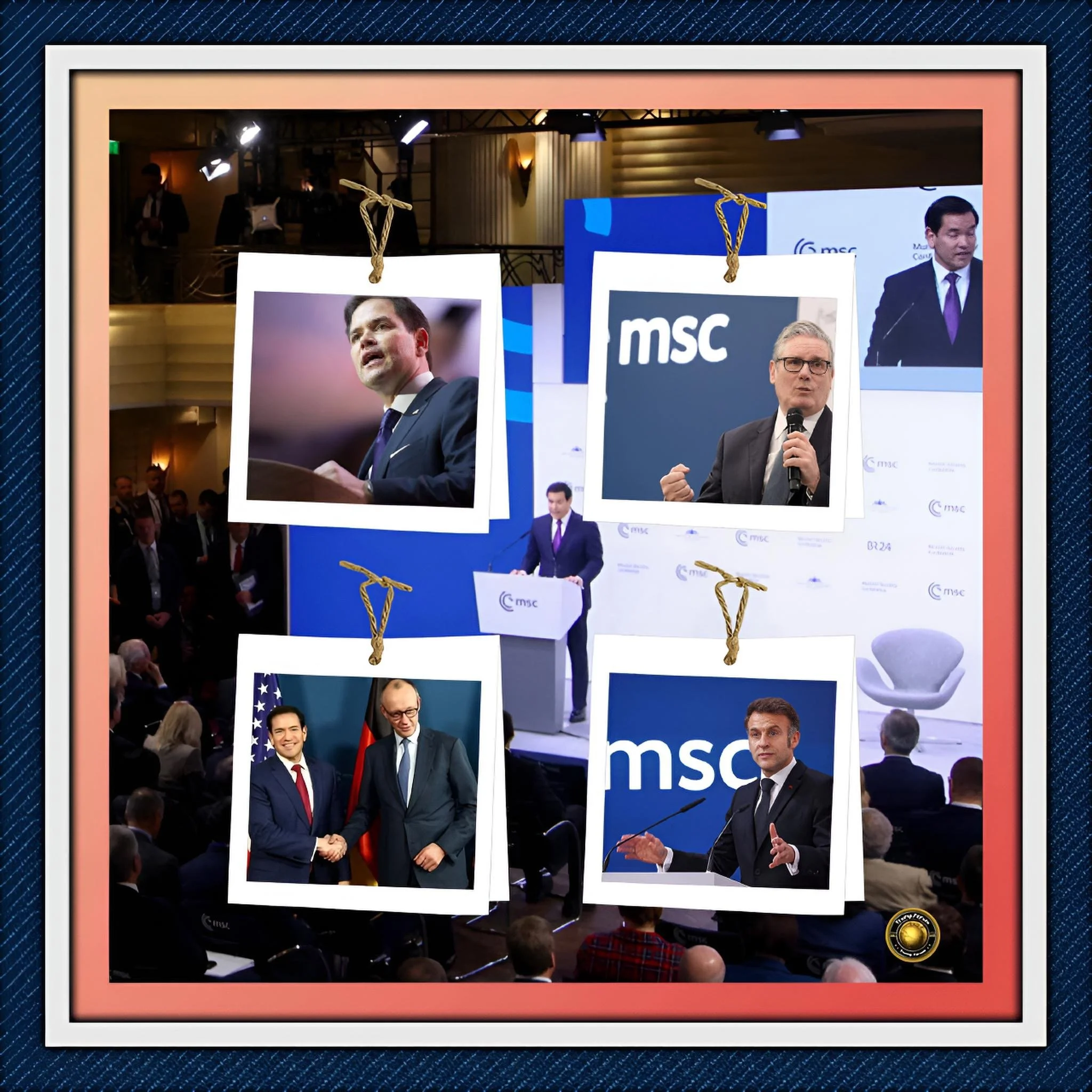
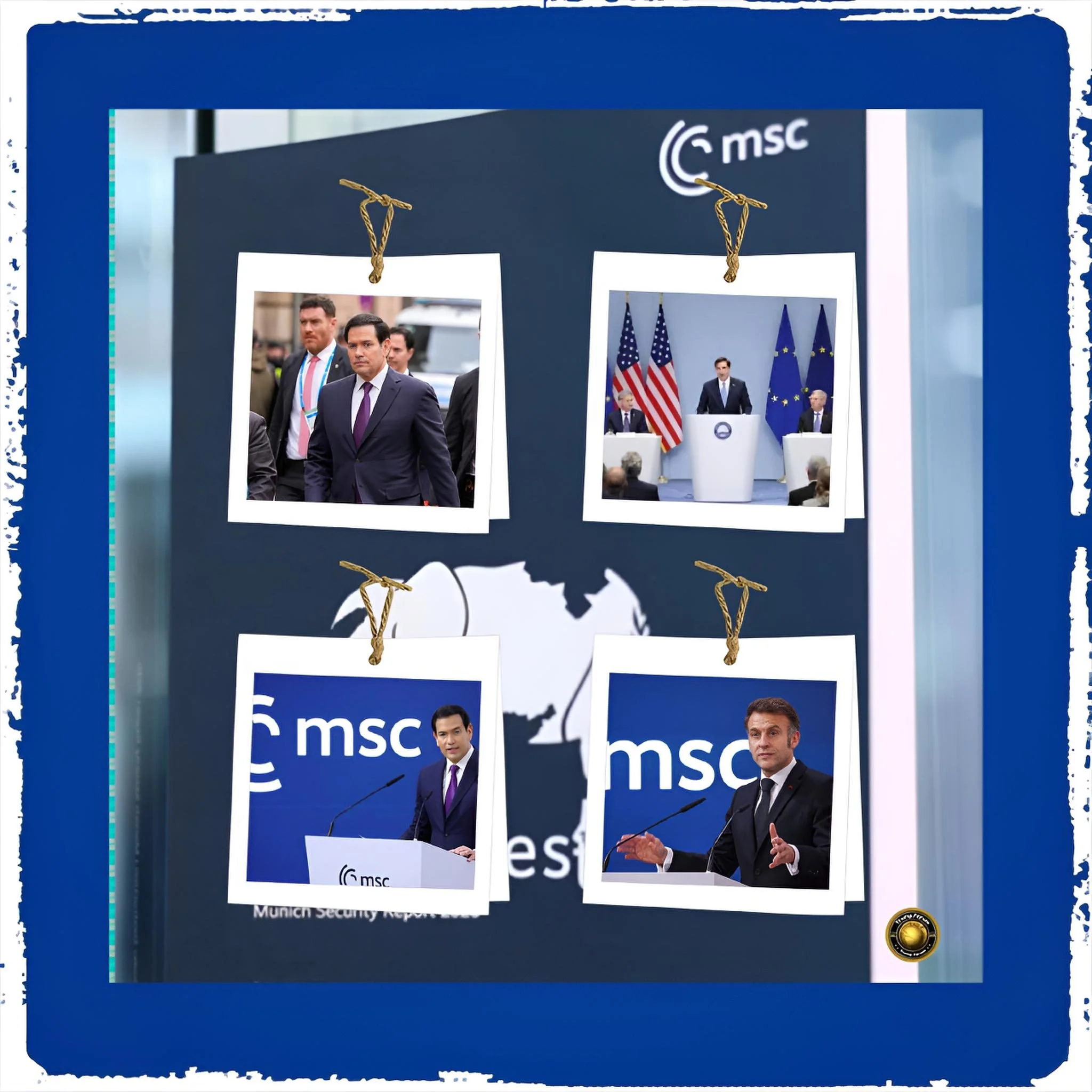
FAF comprehensive article delves into the evolving dynamics of transatlantic relations following remarks delivered by Marco Rubio at the Munich Security Conference While the speech projected reassurance and reaffirmed the importance of cooperation within NATO, it also illuminated deeper divergences in strategic outlook, domestic political constraints, and economic priorities between the United States and Europe.
The central argument advanced here is that rhetorical warmth increasingly coexists with structural mistrust.
European leaders interpreted the address as evidence that Washington remains committed to alliance management, yet they also perceived a clear signal that American strategic thinking is shifting toward a more interest-driven and sovereignty-focused paradigm.
This perception reinforces longstanding European concerns about policy volatility associated with domestic political cycles in Washington.
The article situates the speech within a broader trajectory of transatlantic evolution marked by gradual recalibration rather than abrupt rupture. The alliance remains militarily robust and institutionally resilient, yet politically more fragile than at any point since the end of the Cold War.
Divergent economic strategies, migration debates, and competing visions of global order have introduced new sources of friction that cannot be resolved through diplomatic tone alone.
Ultimately, the analysis concludes that the transatlantic partnership is entering a phase of pragmatic interdependence in which cooperation persists but shared identity weakens.
The future cohesion of the alliance will depend on whether leaders can reconcile national priorities with collective commitments while preserving the institutional foundations that have sustained Western cooperation for decades.
Introduction
Alliance rhetoric shifts amid changing geopolitical power realities
The transatlantic relationship has historically embodied both strategic necessity and ideological affinity. Since the mid-20th century, the United States and Europe have cultivated a dense network of institutions, norms, and security arrangements that collectively shaped the modern international system.
This partnership has endured wars, economic crises, and political disagreements, yet its durability has often obscured the underlying tensions that periodically resurface.
Rubio’s remarks in Munich reflect a moment in which these tensions are once again visible. His emphasis on national resilience, sovereignty, and strategic competition signals a broader shift in American foreign policy discourse toward prioritizing domestic strength as the foundation of international leadership.
For European policymakers, this framing underscores a persistent concern that American engagement may become more conditional and less predictable.
The reception of the speech illustrates the psychological complexity of contemporary alliance politics. Relief at the absence of overt criticism coexisted with unease about the implications of a more transactional strategic outlook.
This dual reaction reveals the extent to which tone and substance have become intertwined in shaping perceptions of alliance stability.
More broadly, the episode highlights a transition from an era defined by shared grand strategy to one characterized by overlapping but not identical priorities.
As global power distribution shifts and domestic political landscapes evolve, the alliance must adapt to a reality in which consensus can no longer be assumed.
History and current status
From postwar solidarity toward complex contemporary interdependence dynamics
The origins of the transatlantic alliance lie in the geopolitical upheaval that followed World War II.
American economic assistance and security guarantees enabled Western Europe to rebuild and integrate, creating a community of states bound by mutual interests and shared values. The establishment of NATO institutionalized collective defense and cemented American leadership within the European security architecture.
During the Cold War, the presence of a common adversary fostered a high degree of strategic cohesion. Differences over tactics or policy were often subordinated to the overarching imperative of deterrence.
The alliance functioned not merely as a military arrangement but as a political community grounded in a shared vision of liberal democracy and market economics.
The end of the Cold War marked the beginning of a more complex phase. Without a unifying existential threat, internal differences became more salient.
Debates over NATO expansion, military interventions, and economic globalization introduced new tensions, even as institutional cooperation continued.
In the early 21st century, successive crises further reshaped the relationship. The global financial crisis exposed economic asymmetries, while conflicts in the Middle East highlighted divergent strategic cultures.
More recently, renewed security concerns in Europe have reinforced the importance of collective defense, yet they have not eliminated debates over burden sharing or strategic autonomy.
Today, the alliance remains operationally effective but politically nuanced.
Cooperation in intelligence and military planning remains extensive, yet public opinion and political discourse on both sides of the Atlantic increasingly reflect skepticism about the costs and benefits of deep integration.
Key developments
Recent diplomatic messaging reflects evolving strategic ideological divides
Rubio’s speech must be understood within a broader context of evolving strategic narratives in Washington.
Over the past decade, American policymakers across the political spectrum have emphasized the need to prioritize domestic economic renewal and technological competitiveness. This shift reflects both geopolitical competition and domestic political pressures.
European reactions highlight a growing awareness that rhetorical reassurance does not necessarily guarantee policy continuity. Leaders welcomed the measured tone but remained attentive to the underlying emphasis on national interest as the guiding principle of foreign policy.
The contrast between conciliatory language and strategic recalibration reinforces perceptions of uncertainty.
Migration has emerged as a particularly salient issue within this evolving discourse. By framing migration pressures as a strategic challenge, American policymakers are engaging with debates that have already reshaped European politics.
The issue intersects with concerns about social cohesion, economic sustainability, and political legitimacy, making it a persistent source of tension within the alliance.
Economic policy represents another domain of divergence. Industrial strategies aimed at strengthening domestic manufacturing and securing supply chains have introduced competitive dynamics within the transatlantic economic space.
While cooperation remains extensive, disputes over subsidies and regulatory frameworks reflect deeper questions about the future of globalization.
Latest facts and concerns
Operational cooperation continues despite widening political perception gaps
As of 2026, the operational foundations of the alliance remain strong. Joint military exercises, intelligence sharing, and coordinated deterrence measures demonstrate continued commitment to collective security.
Several European countries have increased defense spending, reflecting heightened awareness of regional security challenges and the need for greater burden sharing.
Despite these positive indicators, political concerns persist.
European leaders remain attentive to the possibility of shifts in American foreign policy priorities driven by domestic political dynamics. The experience of policy reversals in recent years has reinforced a cautious approach to strategic planning.
Economic tensions continue to shape the broader relationship. Competition over technological leadership, trade regulations, and industrial subsidies has introduced friction, even as both sides recognize the mutual benefits of economic cooperation.
These tensions reflect structural changes in the global economy rather than temporary disagreements.
Migration pressures remain a politically sensitive issue across Europe, influencing electoral outcomes and policy debates.
The framing of migration as a strategic challenge underscores the intersection of domestic politics and international cooperation, complicating efforts to maintain a unified approach.
Cause and effect analysis
Domestic political shifts reshape alliance expectations and trust
The persistence of transatlantic tensions can be traced to a complex interplay of domestic and international factors. In the United States, political polarization has contributed to fluctuating foreign policy priorities, creating uncertainty among allies about the durability of commitments.
Changes in administration can lead to significant shifts in tone and policy emphasis, reinforcing perceptions of unpredictability.
In Europe, political fragmentation and the rise of populist movements have complicated consensus on key issues such as migration, defense spending, and relations with major powers.
These internal divisions limit the ability of European institutions to articulate a coherent strategic vision.
Economic globalization has evolved into a more competitive environment characterized by efforts to secure supply chains and protect domestic industries.
This shift reflects broader concerns about resilience and technological sovereignty, but it also introduces tensions within the transatlantic economic relationship.
The cumulative effect of these dynamics is a gradual transformation of the alliance from a community defined primarily by shared identity into one increasingly shaped by pragmatic cooperation.
While institutional ties remain strong, perceptions of shared purpose have weakened, requiring greater effort to sustain trust.
Future steps
Rebuilding cohesion requires clarity commitment and institutional adaptation
Looking ahead, the future of transatlantic relations will depend on the ability of leaders to reconcile national priorities with collective responsibilities. Greater European investment in defense capabilities could help address longstanding concerns about burden sharing while reinforcing the credibility of collective deterrence.
Clearer articulation of long-term American strategic objectives would provide reassurance to European partners and reduce uncertainty about future policy direction. Consistent communication and sustained diplomatic engagement will be essential to maintaining confidence in alliance commitments.
Enhanced cooperation on migration policy could mitigate political tensions by promoting coordinated approaches to border management and humanitarian assistance. Similarly, dialogue on economic policy and technological standards could help manage competitive dynamics while preserving the benefits of open markets.
Institutional adaptation will also play a critical role. Strengthening mechanisms for consultation and strategic planning within NATO and related frameworks could improve coordination and reduce the risk of misunderstanding. Such reforms would reinforce the alliance’s capacity to respond effectively to evolving challenges.
Conclusion
Alliance durability depends on adapting to shifting realities
Rubio’s Munich speech encapsulates the central paradox of contemporary transatlantic relations: reassurance delivered alongside reminders of divergence.
The positive reception reflected appreciation for diplomatic moderation, yet underlying anxieties remain about the trajectory of American foreign policy and the future of the Western order.
The alliance continues to serve as a cornerstone of global stability, providing a framework for collective defense and political cooperation. However, its durability cannot be taken for granted.
Structural changes in global power distribution, domestic political transformations, and evolving security challenges require adaptation and renewed commitment.
If the United States and Europe can navigate these complexities with strategic foresight and mutual respect, the partnership will remain a central pillar of international stability.
If not, the gap between rhetoric and reality may widen, deepening the sense of strategic chill that persists beneath warmer diplomatic language.