Executive Summary
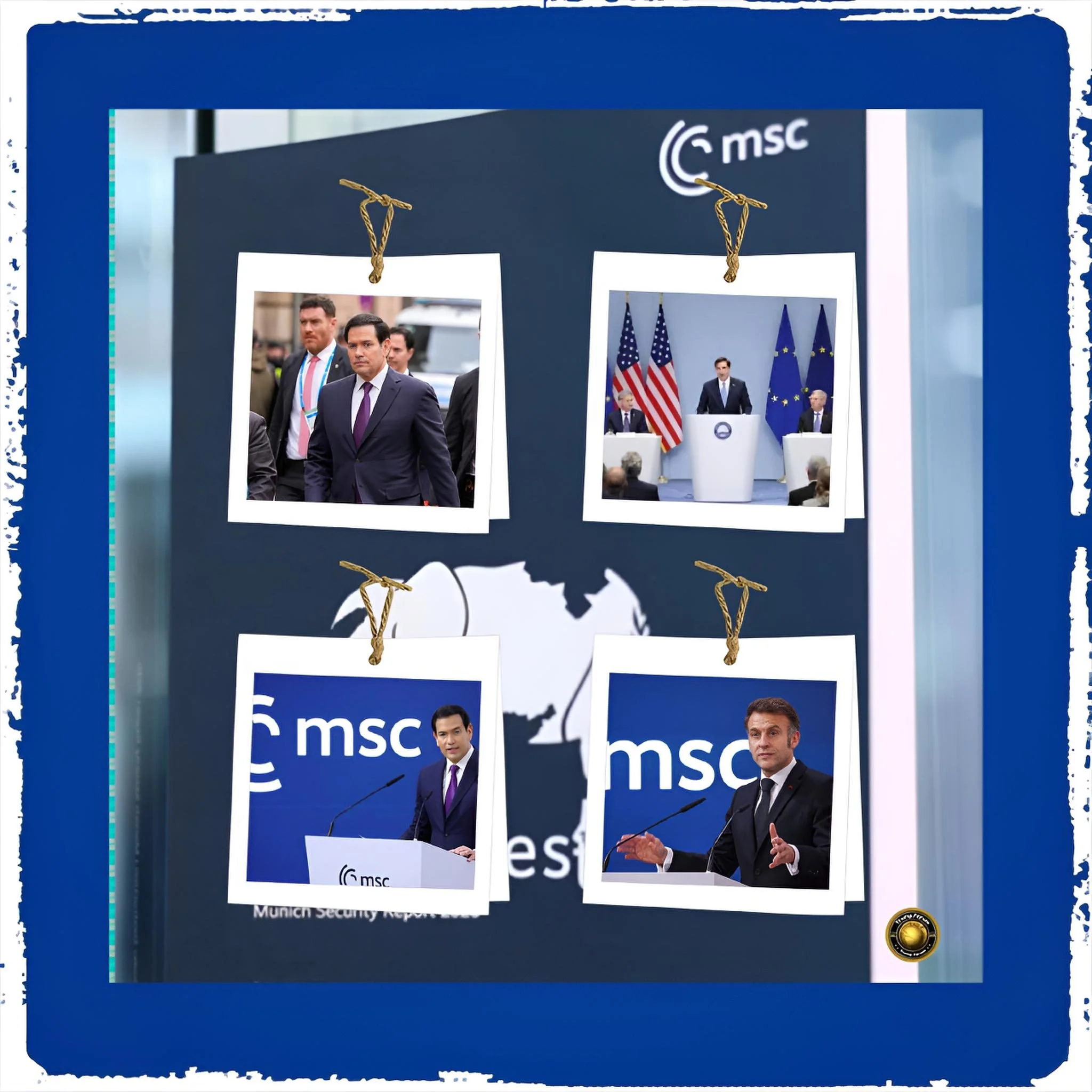
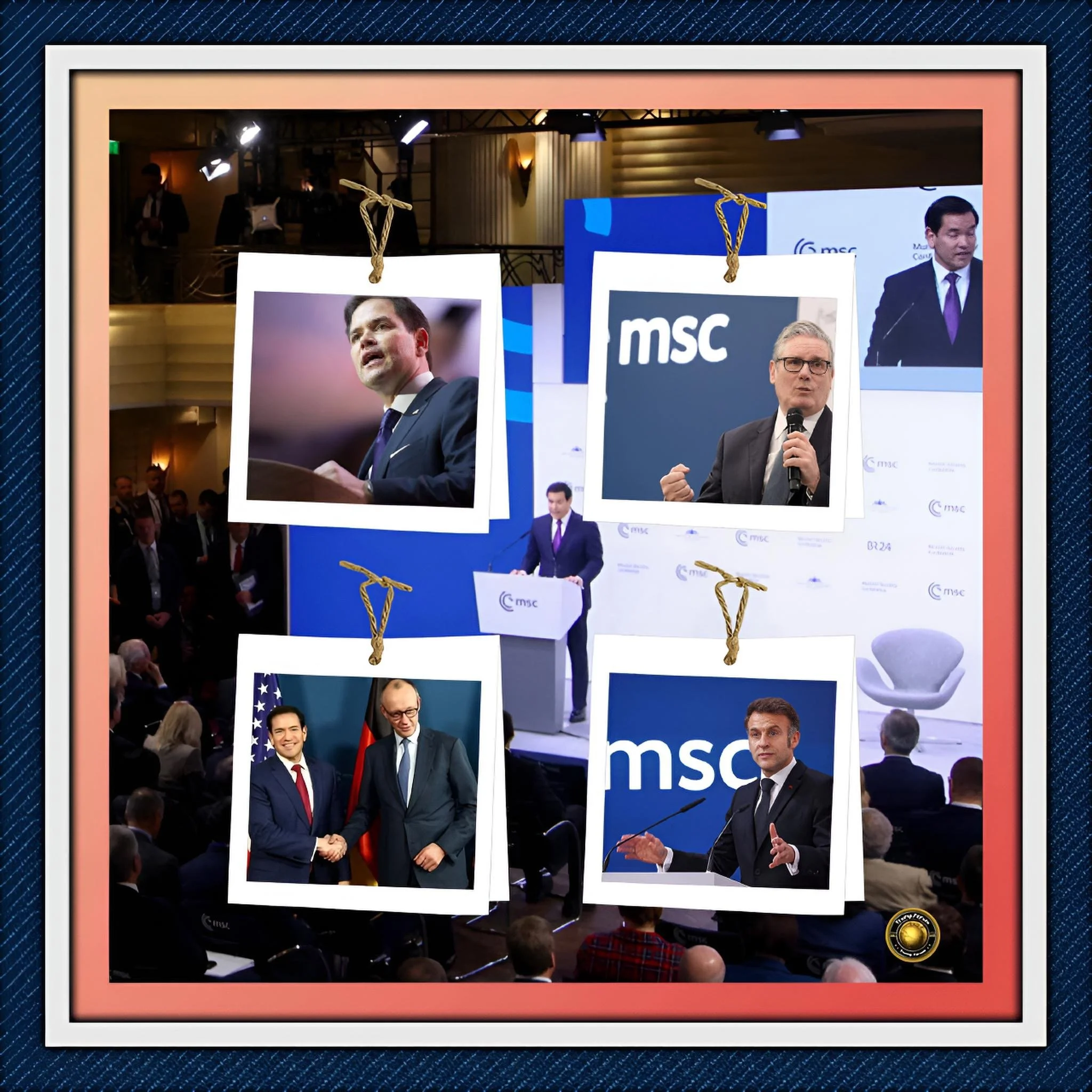
This article explains why many European leaders felt both comforted and worried after Marco Rubio spoke at the Munich Security Conference. His speech sounded friendly and supportive of NATO, but it also showed that the United States and Europe may not always agree on big issues like migration, trade, and global leadership.
The relationship is still strong, but trust is not as solid as before.
Introduction
The United States and Europe have worked together for many years. They share democratic values and cooperate on security through NATO.
When Marco Rubio spoke in Munich, many leaders were happy to hear a calmer tone compared with past criticism. But they also noticed that his message suggested America may focus more on its own interests first.
This created mixed feelings. Leaders felt relief because the speech was polite, but they also felt unsure about what future policies might look like.
History and Current Status
For decades after World War II, the United States helped rebuild Europe and promised to help defend it. NATO became the main security alliance. During the Cold War, both sides worked closely because they shared a common enemy.
After the Cold War ended, disagreements became more common. For example, some European countries did not support certain military actions, and there were arguments about trade rules and defense spending.
Today, the alliance is still strong, especially because of security concerns in Eastern Europe. But political disagreements and economic competition have made the relationship more complicated.
Key Developments
Rubio’s speech showed a change in tone but not necessarily in strategy. He spoke about national interests and warned that global systems should not override them. This reflects a growing idea in American politics that the country should focus more on its own economy and security.
European leaders listened carefully because they worry that changes in American politics can quickly change foreign policy. They remember past moments when strong criticism came from Washington, so they pay attention to every signal.
Migration is another major issue. Some countries want stricter border controls, while others focus more on humanitarian policies. Rubio’s comments added to this debate.
Latest Facts and Concerns
As of 2026, NATO cooperation remains strong. Countries continue joint military exercises and share intelligence. Many European countries have increased defense spending closer to 2% of their economies.
However, concerns remain about whether future American governments will keep the same level of commitment. European leaders also worry about trade disputes and competition over technology industries.
Migration continues to be politically sensitive. Large numbers of people moving because of war or economic problems create pressure on governments and sometimes cause political tension.
Cause and Effect Analysis
One reason for tension is domestic politics. In the United States, different political groups have different views on foreign policy. This can lead to sudden changes that worry allies.
In Europe, political divisions also make it hard to agree on common policies. For example, countries disagree about how much to spend on defense or how to handle migration.
Economic competition is another cause. Both sides want to protect their industries and create jobs at home. This can lead to trade disagreements.
The effect is a relationship that still works but feels less certain than before. Leaders cooperate because they need each other, but they also prepare for possible disagreements.
Future Steps
To improve trust, both sides may need clearer long-term plans. Europe could continue increasing defense spending to show it can share responsibility. The United States could provide clearer commitments about its role in European security.
More cooperation on migration policy could also reduce tension. For example, countries could share information and coordinate border management.
Working together on technology and trade rules could prevent economic disputes from growing into larger conflicts.
Conclusion
Marco Rubio’s speech showed that polite words can ease tension but cannot remove deeper differences. The United States and Europe still depend on each other for security and economic cooperation.
However, changing politics, economic competition, and different priorities mean the relationship requires constant effort. If leaders continue to communicate openly and cooperate on major challenges, the partnership can remain strong. If not, mistrust could slowly grow even while leaders continue to speak warmly in public.
If you want, I can also condense the scholarly article into a 1 page briefing memo or expand specific sections like migration politics or NATO strategy.