Executive Summary
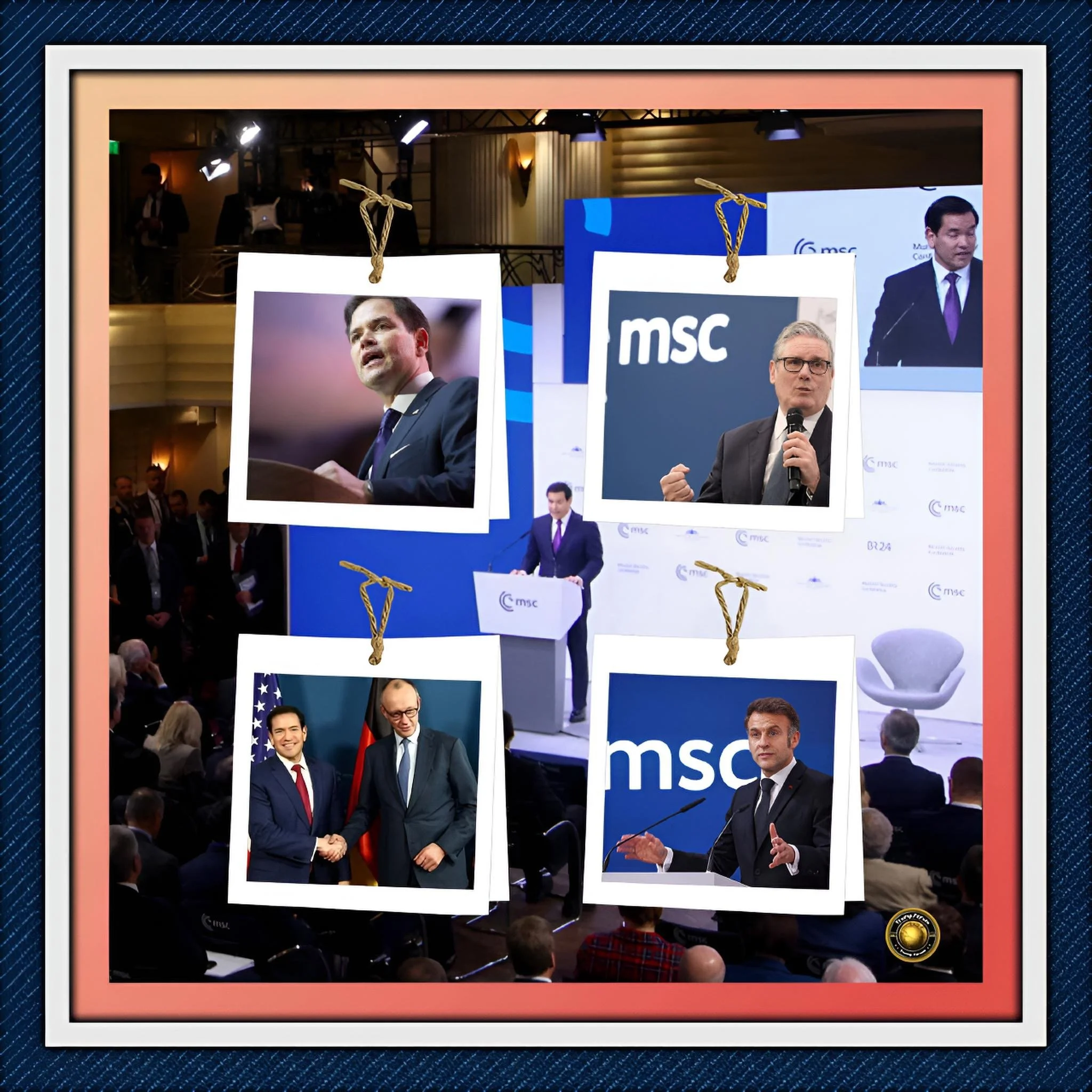
In Feb. 2026, U.S. Secretary of State Marco Rubio gave a speech at the Munich Security Conference in Germany.
His tone was much softer than the speech given one year earlier by Vice President J. D. Vance.
Rubio said the United States and Europe share history and values.
Many European leaders felt relieved. But some still worry about differences over climate change, the United Nations, and military action.
Introduction
Last year, J. D. Vance criticized European governments. He said some countries limited free speech and depended too much on the United States for security. European leaders were shocked.
This year, Marco Rubio chose a different approach. He said America “cares deeply” about Europe. His message was calmer. Why did this happen?
History and Current Situation
The United States and Europe have worked together since World War 2. NATO protects many European countries. The U.S. spends more money on defense than most allies.
For example, the U.S. covers about 65% of NATO’s total defense spending. Many European countries only recently reached the 2% defense target.
Even with disagreements, trade between the U.S. and Europe is more than $1 trillion each year. This shows how connected they are.
Key Developments
There are 3 big reasons Rubio changed his tone.
First, China is growing stronger. The U.S. needs Europe to help control technology exports and protect supply chains.
Second, Russia is still fighting Ukraine. If the U.S. and Europe argue publicly, Russia benefits.
Third, markets do not like uncertainty. When leaders fight, investors worry. That can hurt jobs and growth.
Latest Concerns
Even though Rubio spoke kindly, he still criticized some European policies. He questioned climate rules and parts of the United Nations system.
For example, Europe supports strong climate laws and carbon taxes. The U.S. government worries those rules hurt business competitiveness.
Rubio also defended U.S. actions in Venezuela and Iran. Some Europeans fear the U.S. could act alone without full agreement.
Cause and Effect
Cause: The U.S. needs allies against China.
Effect: Rubio speaks more carefully.
Cause: Russia is watching for weakness.
Effect: The U.S. avoids public conflict with Europe.
Cause: Trade between the U.S. and Europe is huge.
Effect: Leaders try to reduce tension.
Future Steps
Europe may increase defense spending above 2% of GDP. The U.S. may continue asking for more burden-sharing but in a calmer way.
There will still be debates about climate, trade, and military action. But leaders now seem more careful with words.
Conclusion
Rubio did not change U.S. policy. He changed his tone.
The United States still wants Europe to spend more on defense and adjust some policies. But Washington understands that strong words can damage trust.
In simple terms, the U.S. and Europe are like business partners. They may disagree about costs and rules. But they both know they are stronger together than apart.
That is why Rubio spoke softly in Munich.