Iran Announces Operation Honest Promise 3 Against Israel
Introduction
The conflict between Iran and Israel has reached a critical juncture with Iran’s announcement of “Operation Honest Promise 3” in the early hours of June 15, 2025, marking an unprecedented escalation from decades of proxy warfare to direct military confrontation between the two regional powers.
This latest operation represents Iran’s third major retaliatory strike within 24 hours, fundamentally altering the dynamics of Middle Eastern security.
Operation Timeline and Scope
Iranian state television announced at approximately 03:10 GMT on Saturday that “a new wave of Operation Honest Promise 3 began a few minutes ago” while broadcasting live images of Israel under attack.
The operation continues the naming convention established with the original “Operation True Promise” conducted by Hezbollah in July 2006, followed by “Operation True Promise 2” in April 2024.
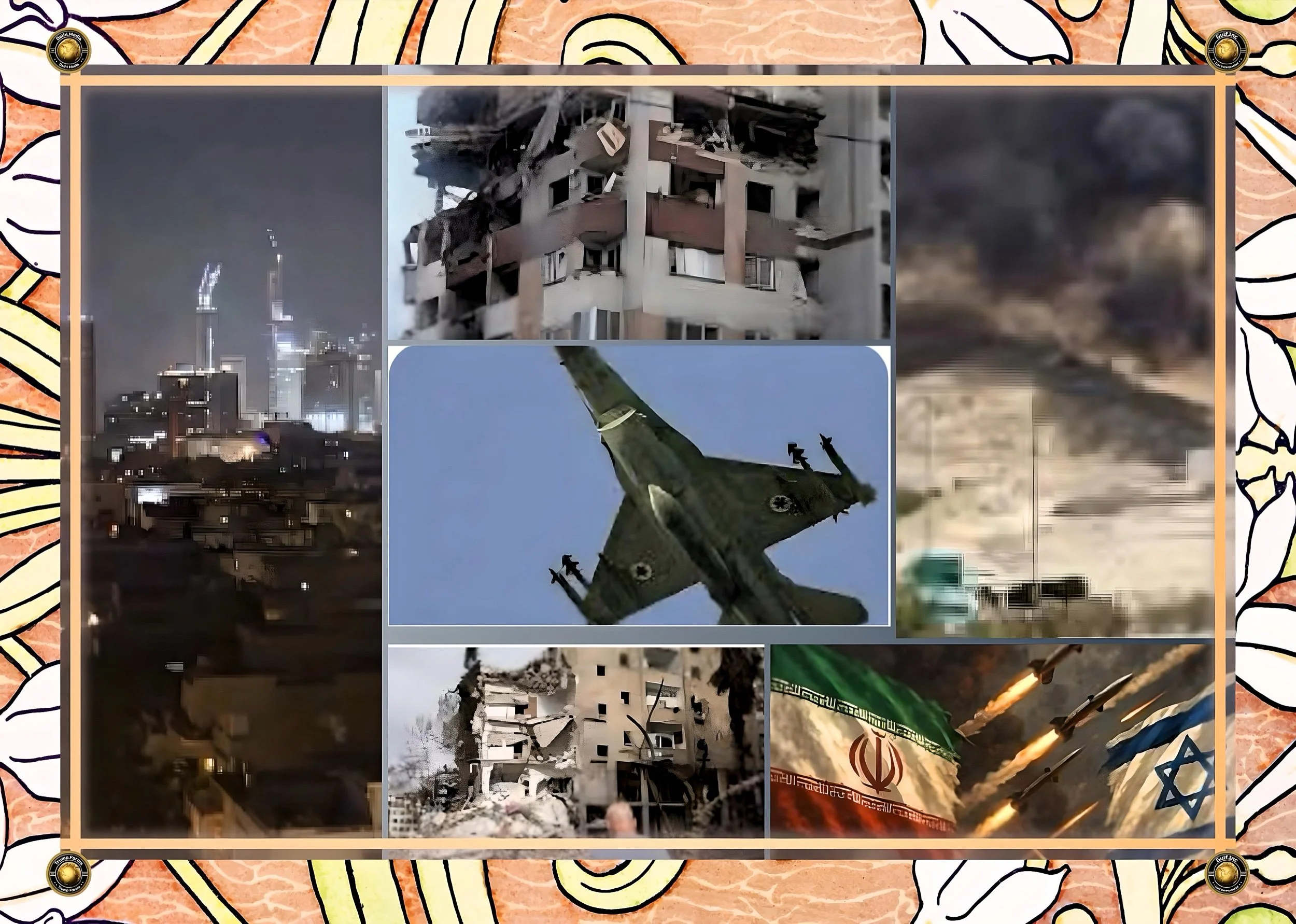
The current offensive involves a sustained barrage of missiles and drones targeting Israeli territory, with Iranian forces launching approximately 200 ballistic missiles since Friday night.
Iran’s Revolutionary Guards confirmed the strikes specifically targeted “installations producing fuel for fighter planes and the (Israeli) regime’s energy supply centers.”
The operation employed what Iranian military officials described as “a combination of precision-guided and smart missile systems to strike military centers, airbases used as launch sites for the criminal aggression against our nation.”
Catalyst: Israel’s Operation Rising Lion
Iran’s massive retaliation directly responds to Israel’s “Operation Rising Lion,” which Israeli officials characterized as the country’s “greatest military operation in history” inside Iran.
The Israeli offensive, launched on June 13, 2025, represented the most extensive attack on Iranian territory since the Iran-Iraq War of the 1980s.
Israel’s operation involved over 200 fighter jets striking approximately 100 targets across Iran, including nuclear facilities, ballistic missile production centers, and military command hubs.
The strikes employed a sophisticated combination of pre-positioned explosive drones and conventional airstrikes, with Israeli commandos reportedly having established drone bases inside Iran months earlier.
Devastating Impact on Iranian Leadership
The Israeli strikes inflicted catastrophic damage on Iran’s military hierarchy, eliminating several top-tier commanders and nuclear scientists.
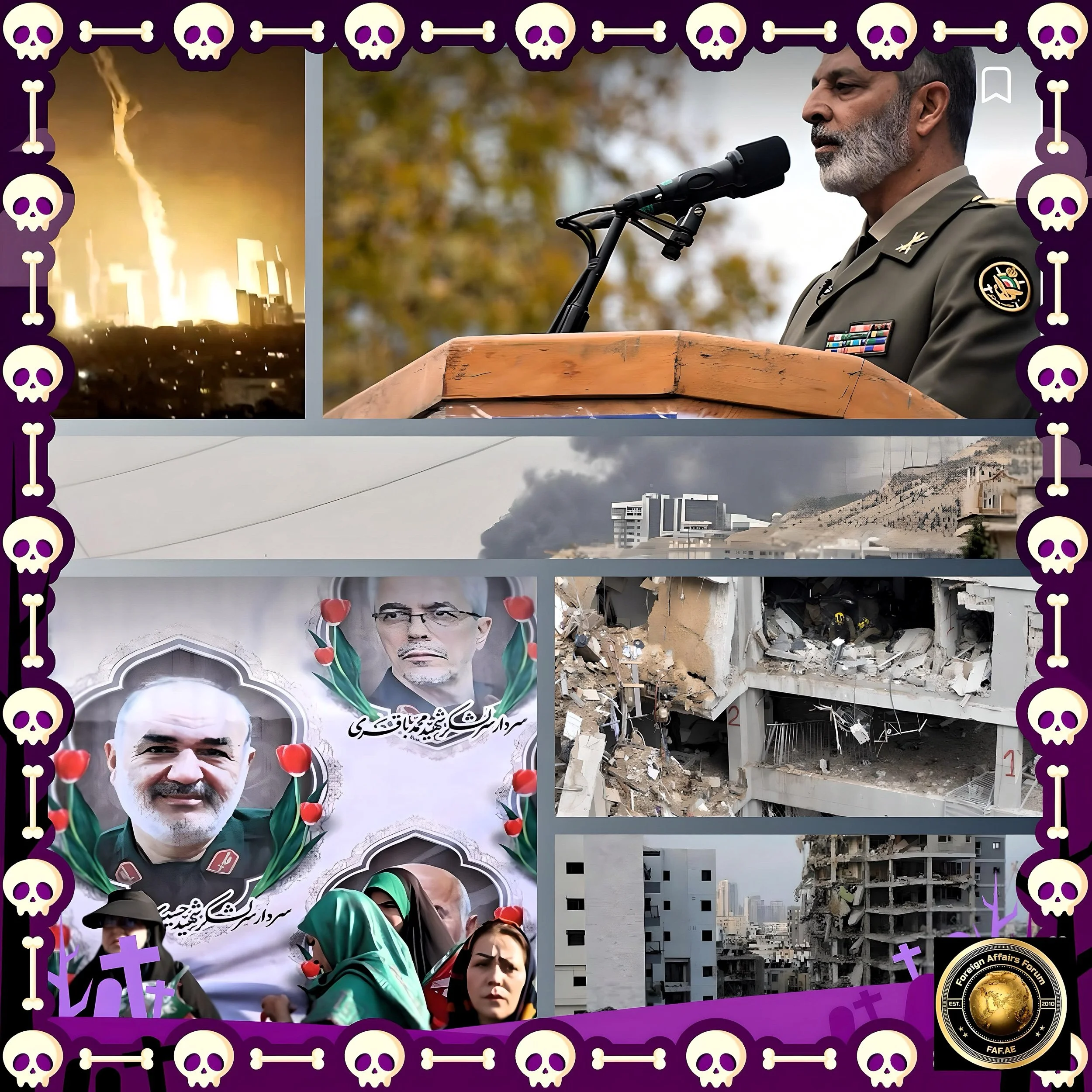
Among the confirmed casualties were General Hossein Salami, commander-in-chief of Iran’s elite Revolutionary Guards Corps, and Major General Mohammad Bagheri, Iran’s highest-ranking military official and chief of staff of the Iranian armed forces.
The operation also claimed the lives of at least six nuclear scientists, including prominent figures Fereydoon Abbasi and Mohammad Mehdi Tehranchi.
Regional sources reported that at least 20 senior commanders were killed in the strikes, representing a significant decapitation of Iran’s military leadership structure.
Iranian casualties extended beyond military targets, with Fars News Agency reporting at least 78 people killed and 329 injured, including women and children.
Iran’s ambassador to the UN cited these figures before the Security Council, emphasizing that the majority of casualties were civilians.
Israeli Casualties and Damage
Iran’s retaliatory strikes have caused substantial casualties and destruction across Israel. Israeli emergency services report at least 10-13 people killed and over 370 injured from the overnight attacks.
The strikes targeted multiple Israeli cities, including Tel Aviv, Jerusalem, Haifa, and Bat Yam.
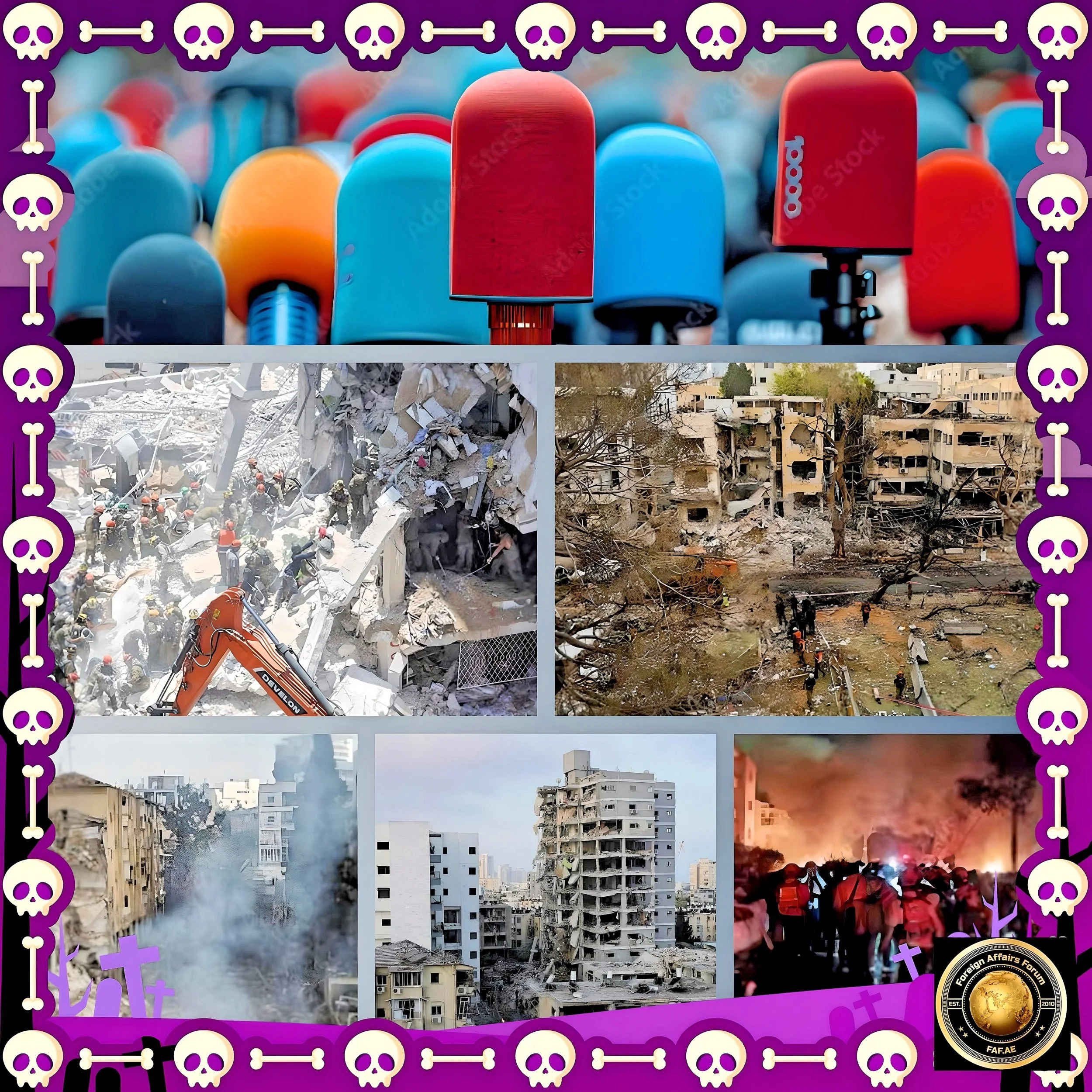
In Bat Yam, Iranian missiles demolished a 10-story residential tower, killing six people and injuring 32 others.
The casualties included individuals ranging from children to elderly residents, with rescue operations continuing as authorities reported several people still missing.
In the Galilee region, a missile strike killed five members of a single family, including two women in their 40s and daughters aged 13 and 20.
The attacks specifically targeted Israeli military infrastructure, including the Nevatim and Ovda airbases, the Tel Nof airbase near Tel Aviv, Israel’s defense ministry, and various military-industrial facilities.
Iran claimed to have used a guided “Haj Qasem” missile for the first time and reported shooting down multiple Israeli F-35 fighter jets, though Israel denies these claims.
International Response and Diplomatic Fallout
The escalation has prompted significant international concern and diplomatic consequences.
US President Donald Trump issued a stern warning to Iran, stating that if Iran attacks American interests, “the full strength and might of the US Armed Forces will come down on you at levels never seen before.”
Trump clarified that the United States “had nothing to do with the attack on Iran” while claiming he could “easily get a deal done between Iran and Israel and end this conflict.”
The conflict has derailed crucial diplomatic initiatives, with the cancellation of scheduled US-Iran nuclear talks that were to be held in Oman.
Omani Foreign Minister Badr Albusaidi confirmed that “the Iran-US talks scheduled to be held in Muscat this Sunday will not now take place.” However, he emphasized that “diplomacy and dialogue remain the only pathway to lasting peace.”
Iranian President Masoud Pezeshkian declared that Tehran would not attend nuclear talks.
At the same time, Israel continued its attacks, telling French President Emmanuel Macron that Iran would not “accept irrational demands under pressure or sit at the negotiating table while the Zionist regime continues its attacks.”
Economic and Regional Implications
The direct military confrontation has triggered significant economic repercussions, with global oil prices surging over 10% following the initial Israeli strikes.
Energy market analysts express concerns about potential disruptions to oil supplies from the energy-rich Middle East region, particularly if Iran targets critical infrastructure or shipping routes through the Strait of Hormuz, with approximately 20% of the world’s oil transits.
Israel has escalated its targeting of Iranian energy infrastructure, striking the South Pars gas field - the world’s largest natural gas reserve shared between Iran and Qatar.
Iranian Foreign Minister Abbas Araqchi described this attack as “outrageous aggression and a perilous move,” warning that “extending the conflict to the Persian Gulf represents a strategic error.”
Military Analysis and Future Trajectory
The current conflict represents a fundamental shift from the decades-long “shadow war” characterized by proxy conflicts and covert operations to direct military confrontation between Iran and Israel.
Military analysts note that Israel’s Operation Rising Lion employed unprecedented coordination between conventional airpower and special operations, creating operational dislocation through simultaneous strikes across Iran’s defense infrastructure.
Iran’s response demonstrates enhanced missile capabilities compared to previous attacks, with the Revolutionary Guards employing precision-guided systems targeting specific military installations.
However, Israeli air defenses have successfully intercepted a significant portion of incoming missiles, with the Israeli military reporting that most projectiles were either intercepted or fell short of their targets.
Continuing Escalation
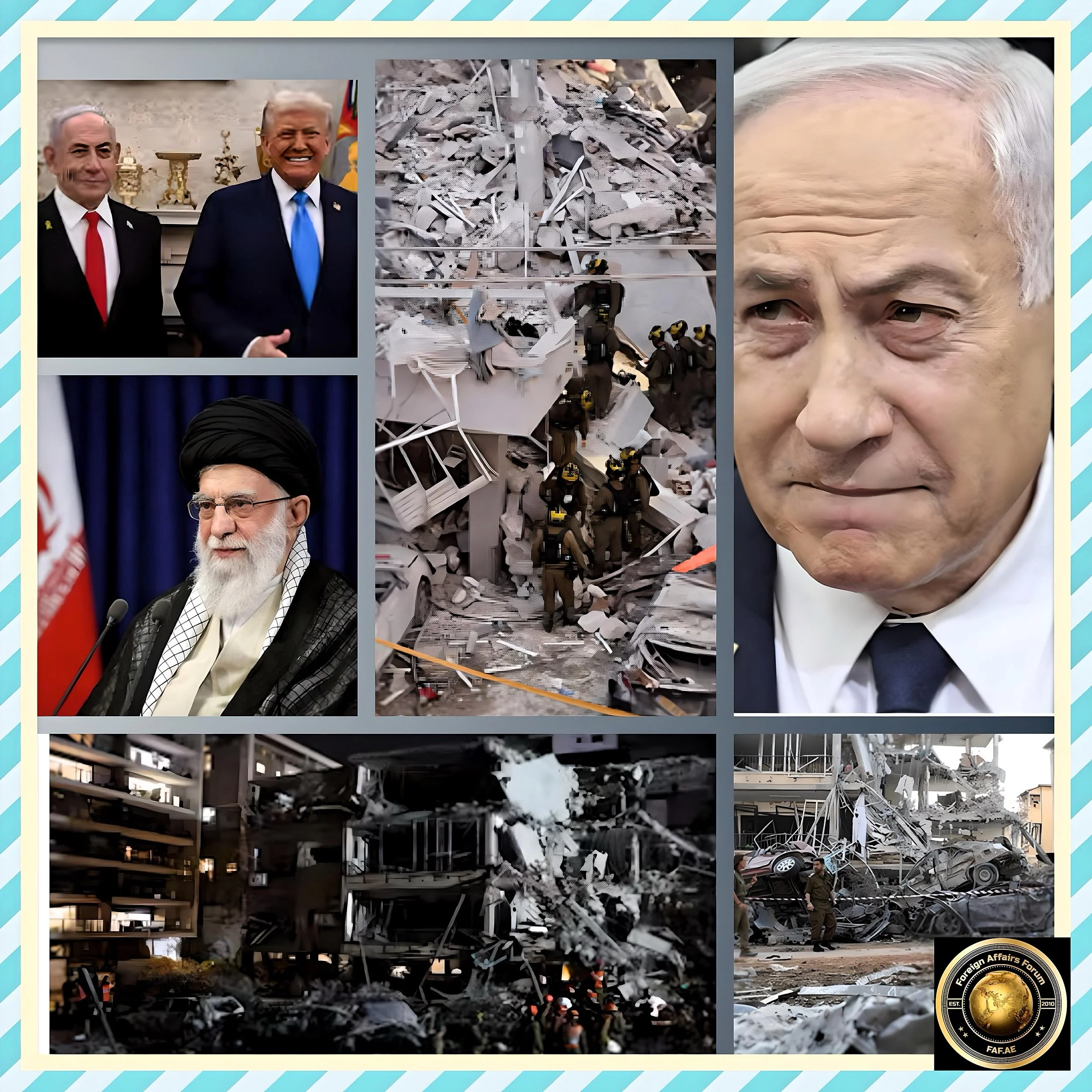
Both nations have signaled their intention to continue military operations. Iranian Supreme Leader Ayatollah Ali Khamenei vowed that Iran “will not permit them to evade consequences for this significant wrongdoing.”
Israeli Prime Minister Benjamin Netanyahu warned that what Iran has experienced so far is “nothing compared to what they will feel under the sway of our forces in the coming days.”
The conflict has now entered its third consecutive day, with both countries continuing to exchange missile and drone attacks.
This escalation raises serious concerns about the potential for a broader regional war that could destabilize the entire Middle East, drawing in additional regional powers and potentially triggering a wider international crisis.
The transformation from proxy warfare to direct military confrontation between Iran and Israel represents one of the most significant developments in Middle Eastern geopolitics in decades, with implications extending far beyond the immediate combatants to affect global energy markets, international diplomacy, and regional stability throughout the broader Middle East.