Executive Summary
This article explains why Russians do not protest in large numbers today, even though they face war, sanctions, and political limits. People in Iran and Ukraine have protested many times in recent years.
Russians have not done so at the same level. The reason is not only fear. It is also history, money, identity, and how the political system is built.
Introduction
Many people ask: Why do Iranians protest again and again, and Ukrainians have had several revolutions, but Russians remain mostly quiet?
At first glance, the answer seems simple. Russia has strong repression. But Iran also uses repression. Ukraine before 2014 also faced corruption and pressure. So we need a deeper explanation.
History and Current Status
In the late 1980s, people in Russia and Ukraine protested during Soviet reforms. After 1991, both became independent states. But their paths changed.
In Russia during the 1990s, the economy collapsed. Prices exploded. Savings disappeared.
Crime increased. Many families suffered. When Vladimir Putin became president in 2000, he promised stability. Oil prices rose. Salaries and pensions improved. Life became more predictable.
In Ukraine, politics stayed competitive. Different leaders and oligarchs fought for power. This created space for protests. In 2004, people protested in the Orange Revolution. In 2013, they protested again during the Maidan movement. In 2022, many Ukrainians volunteered to defend their country.
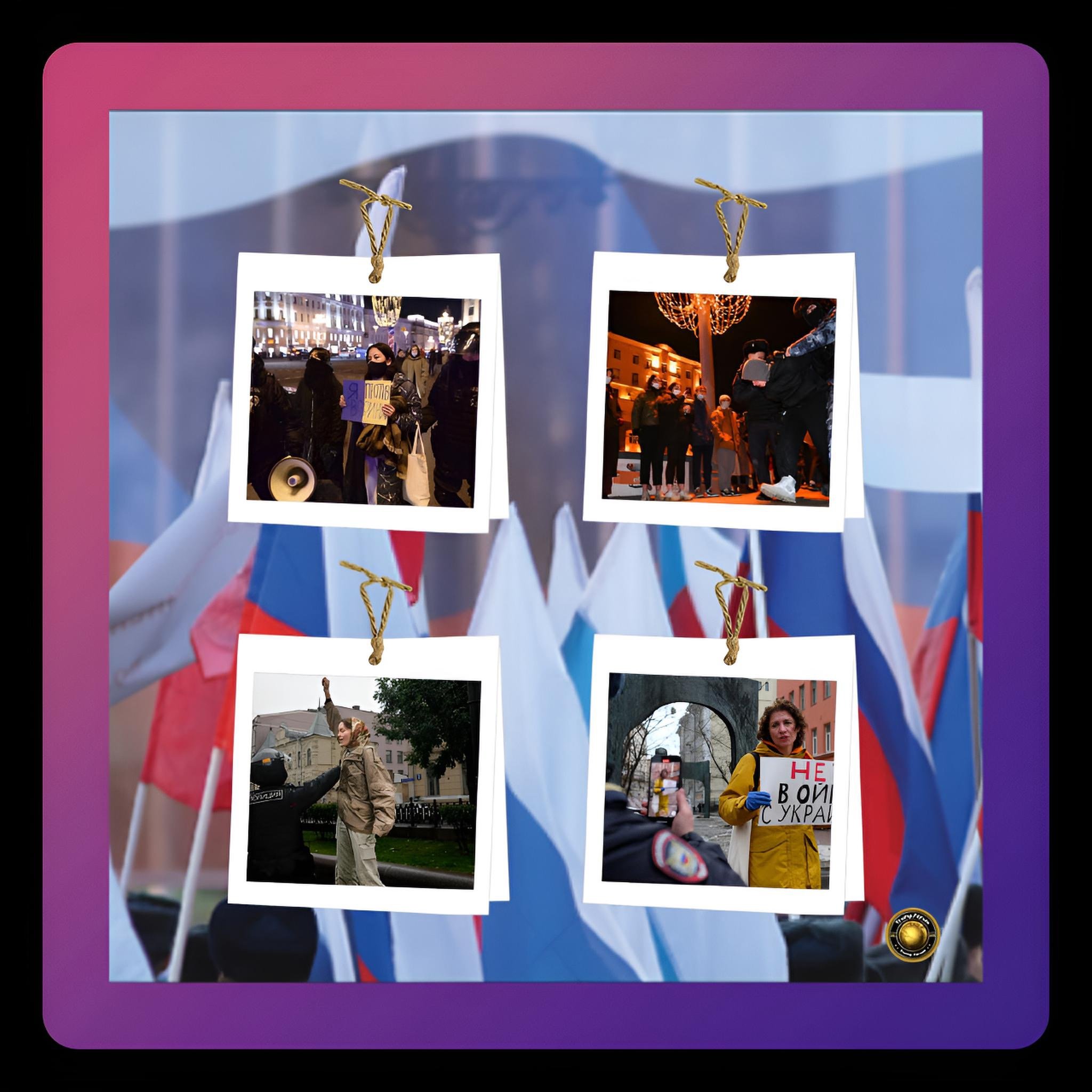
In Russia, the last very large protests were in 2011–2012. After that, the government passed stricter laws. Protests became risky. Many opposition leaders were arrested or forced to leave.
Key Developments
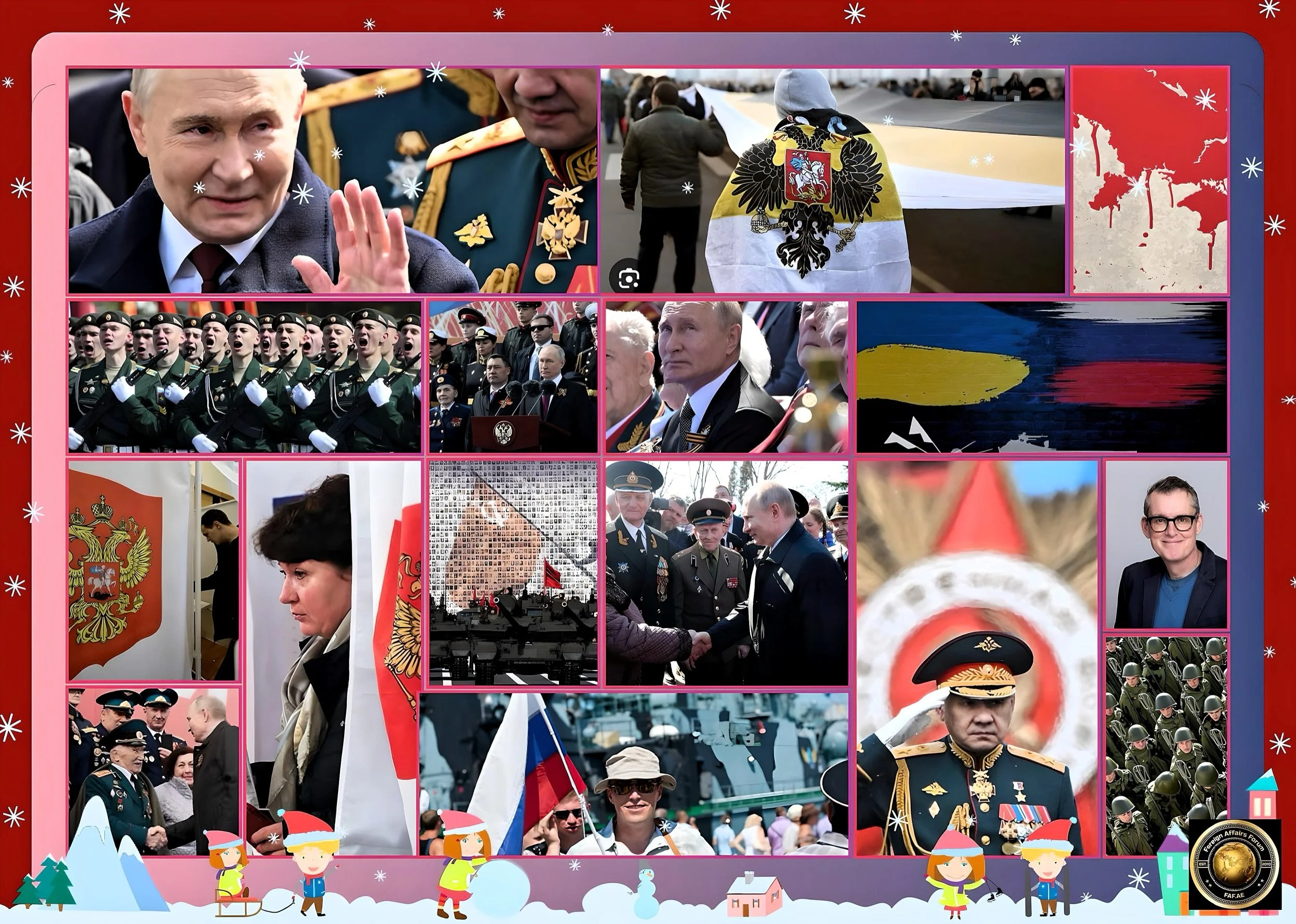
After 2014, Russia took Crimea. Many Russians felt proud. State television said Russia was correcting history. Support for the president rose above 80%.
After 2022, when the war in Ukraine expanded, new laws punished people who criticized the army. Some protesters were detained quickly. Many educated Russians moved abroad. Leaving the country became easier than protesting inside it.
The government also managed the economy carefully. Even with sanctions, it controlled the currency and kept paying pensions and public salaries. There was no total collapse like in the 1990s.
Latest Facts and Concerns
As of 2026, Russia spends a large share of its budget on the military. The war continues. Casualties are high, but information is controlled. Mobilization affects poorer and rural regions more than big cities like Moscow.
Schools and youth programs now teach strong patriotic messages. The government says Russia is in a civilizational conflict with the West. This makes some citizens accept sacrifice.
The main concern for the future is economic pressure. If growth slows too much or living standards fall sharply, people may become more frustrated. But so far, the system is stable.
Cause-and-Effect Analysis
There are several causes behind Russian passivity.
First, memory of chaos. Many Russians remember the 1990s as a disaster. They fear that protests could bring back instability.
Second, economic stability. Even if growth is slow, pensions and state jobs continue. When basic needs are met, people are less likely to protest.
Third, centralized power. In Russia, power is very concentrated. In Iran, different factions compete. In Ukraine, politics was divided. These divisions created openings for protest. In Russia, such openings are rare.
Fourth, national identity. The government says Russia is defending itself and restoring greatness. Some people accept this story. National pride can reduce anger.
Fifth, emigration. If unhappy citizens leave, they do not protest at home. Exit replaces voice.
Future Steps
What could change this situation?
If the war ends badly for Russia, public opinion could shift. If the economy weakens seriously and unemployment rises, dissatisfaction could grow.
Leadership change is another factor. In highly centralized systems, transitions are often sensitive moments.
Younger generations may also think differently. They use the internet and see other countries. Over time, they could rebuild civil society networks.
Conclusion
Russians are not protesting at large scale today, but this does not mean they are satisfied. It means the system makes protest very costly and uncertain.
Fear matters, but it is not the only reason. Economic stability, memories of past chaos, strong national messages, centralized power, and emigration all play roles.
Iran shows that repeated protests are possible even under repression. Ukraine shows that competitive politics can support mass mobilization. Russia shows how a centralized state can reduce protest by combining control, money, and identity.
The future is uncertain. Political systems can look stable for many years and then change quickly.
For now, however, Russia remains a case where repression works together with history and structure to limit collective action.