UKRAINE'S WAR-Understanding the January 2026 Crisis : 101 for Dummies
Introduction
What Just Happened?
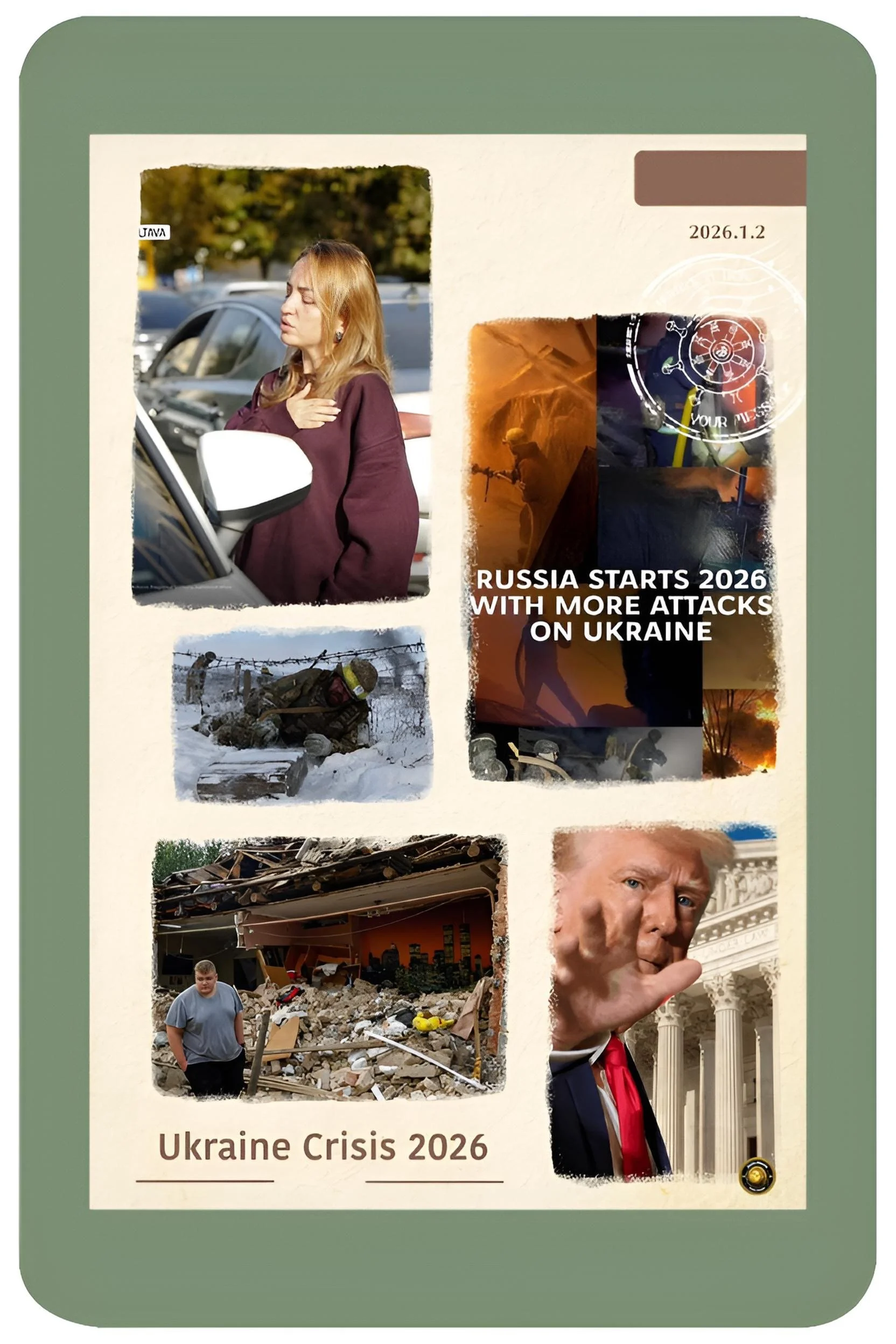
On New Year's Day 2026, Russia launched over 200 attack drones at Ukraine in a massive bombing campaign.
Most were shot down by Ukrainian air defences, but enough got through to damage power plants and other critical infrastructure across seven regions.
This wasn't random—Russia deliberately targeted energy systems to leave millions of Ukrainians without electricity, heat, and water during the coldest part of winter.
Think of it like this: Russia is trying to break Ukraine's will to fight not by defeating its army, but by making civilian life unbearable. If people are freezing without heat and sitting in the dark, they pressure their government to surrender.
Why Is This Happening Now?
Three things are converging right now that make this moment especially dangerous for Ukraine.
Peace talks are happening
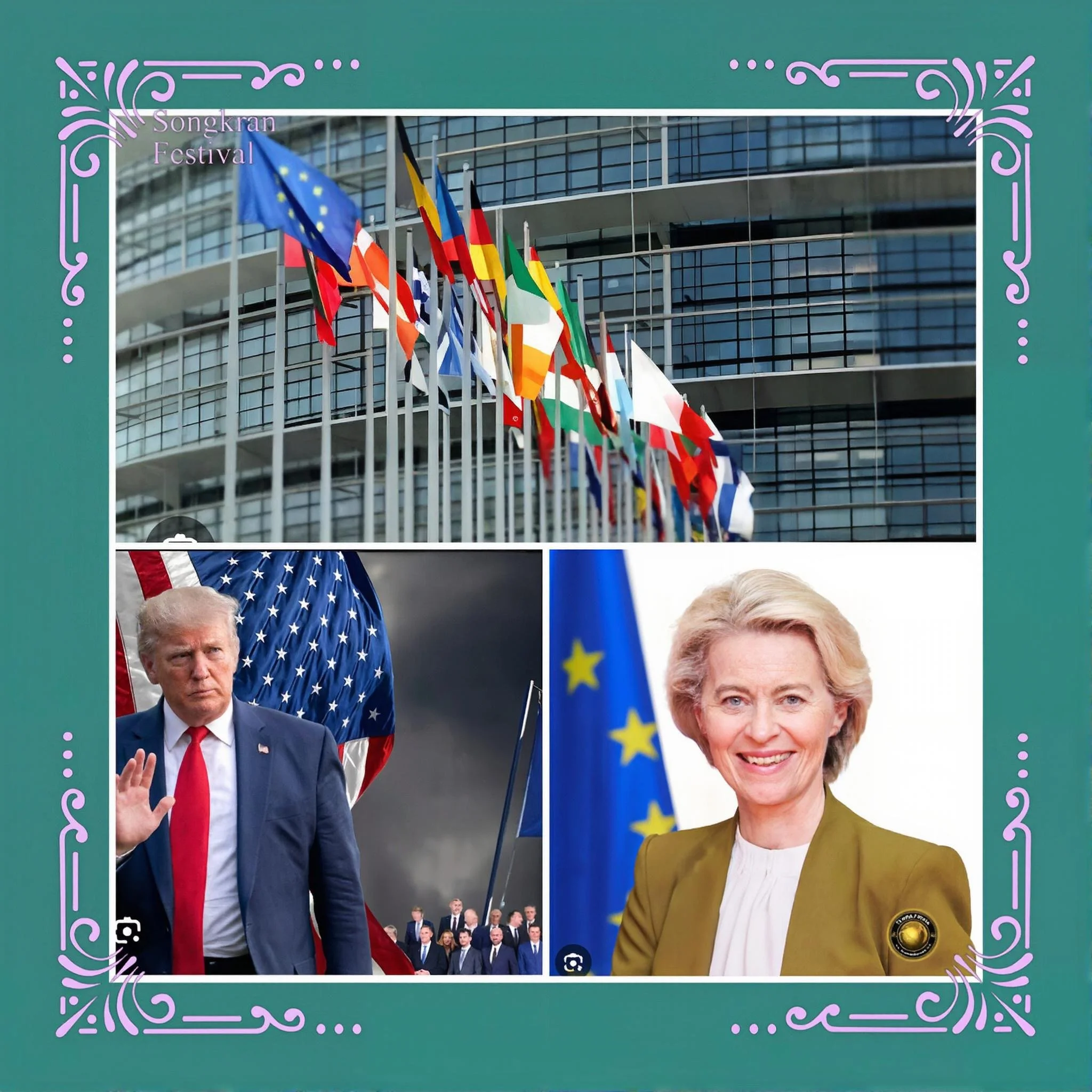
The Trump administration is pushing hard for a ceasefire deal.
This creates pressure on both sides: Russia wants to prove it's still powerful enough to demand a good deal, and Ukraine wants to show it can still defend itself. Russia's drone attacks send a message: "We can still hurt you, so accept our terms."
America is backing away
Under Trump, U.S. military aid to Ukraine has dropped dramatically. In 2024, Congress approved $14 billion in military aid. Now it's down to $400 million per year.
This sends a signal to both sides: America is less committed to supporting Ukraine indefinitely.
Russia sees this as an opportunity.
Ukraine's best air defence system is failing
The Patriot air defence system—the most advanced weapon Ukraine has—was supposed to stop Russian missiles. But Russia figured out how to trick it.
They programmed their missiles to dodge in ways that the Patriot's radar can't track. The success rate collapsed from 37 percent to just 6 percent.
Ukraine is getting new systems from Europe (like the SAMP/T), but they won't arrive until late 2026—that's almost a year away.
What's At Stake?
For Ukraine
Right now, Ukraine faces a horrifying choice. If it agrees to peace talks, it will probably have to give up about 20 percent of its territory—the parts Russia currently controls.
That includes Crimea and large chunks of eastern Ukraine.
On the other hand, if talks fail and the war continues, Ukraine faces another year of Russians attacking power plants, leaving people without heat, and grinding away at the army through constant fighting that kills thousands.
For Russia
Russia is in serious trouble, but won't admit it. It's lost approximately one million soldiers (dead and wounded) in four years. That's unsustainable.
But Putin can't back down because the war is central to his political survival. If he admits defeat, his government could collapse domestically. So he keeps escalating, hoping Ukraine will eventually surrender.
For the West
Europe (Germany and France especially) is stepping in with new weapons and money because they realize that if Ukraine loses, Russia will be right on NATO's doorstep.
They're trying to keep Ukraine alive as a independent state. But America is stepping back, which creates confusion about who's really committed.
The Air Defence Problem Explained
Imagine you're trying to swat flies coming at you. At first, a fly swatter works great. But the flies learn your pattern and start dodging. That's what's happening with Ukraine's air defence.
The Patriot system uses radar to find incoming missiles, then shoots them down. But Russia reprogrammed its missiles (Iskander and Kinzhal) to move unpredictably—twisting and turning in ways the Patriot's radar can't follow.
The system has "blind spots" where it can't see targets. Russia found those blind spots and now their missiles slip through.
The new French SAMP/T system works differently—it can see in 360 degrees around it and uses different missiles that are better at hitting things that dodge. But these systems won't arrive in large numbers until late 2026.
The Casualty Crisis
Here's the brutal reality
Russia is losing soldiers at an unsustainable rate. In 2025 alone, about 400,000 Russian soldiers were killed or wounded.
That's roughly 1,100 every single day.
By comparison, during the entire ten-year Soviet war in Afghanistan, only 15,000 Soviet soldiers died.
Yet Russia keeps fighting. Why?
Because Putin believes he can outlast Ukraine.
He's betting that:
Ukraine will eventually run out of soldiers
The West will get tired of supporting Ukraine
Civilian suffering will force Ukraine to surrender
The problem
Russia is also running out. Military analysts say Russia will exhaust its supply of weapons by late 2026 or early 2027.
It can't recruit enough soldiers anymore—people don't want to join an army sending them to die. The only way Russia wins is if Ukraine surrenders before Russia's capacity completely collapses.
Three Possible Futures
Scenario 1: Surrender and Peace (Most Likely)
Trump's peace plan probably succeeds by mid-2026. Ukraine keeps the western part of the country but has to give Russia the eastern territories it currently controls, including Crimea.
Ukraine gets security guarantees (America and Europe promise to defend it), but it's a strategic defeat. Ukraine survives, but loses 20 percent of its territory.
Scenario 2: Endless War (Possible)
Peace talks collapse because Russia demands too much. The war continues as brutal grinding into 2027 and beyond. But by late 2026, new weapons arrive—French Rafale fighter jets, advanced air defence systems, Ukrainian-made long-range missiles.
This could gradually shift the battlefield in Ukraine's favour, but it means years more of bloodshed.
Scenario 3: Russian Collapse (Unlikely but Possible)
Russia runs out of soldiers and weapons faster than expected. Internal pressure on Putin grows. Russia can't sustain the offensive and pulls back. Ukraine wins militarily but the country is devastated.
This would require Putin's government to either collapse or admit defeat—neither seems probable.
Why the Timeline Matters
The critical window is ‘right now’ through mid-2026.
If Ukraine gets advanced weapons before peace talks conclude, it has leverage to negotiate a better deal. If weapons arrive after a ceasefire is already signed, they're too late.
If weapons never arrive in sufficient quantity, Ukraine will eventually surrender from exhaustion.
Every month matters
Russia is racing to inflict enough damage (through drone attacks on power plants, through grinding ground warfare, through civilian suffering) to force Ukraine to surrender before new Western weapons arrive and change the balance.
The Humanitarian Cost
Right now, over one million people in Kyiv have no electricity, heating, or running water. Temperatures are dropping below freezing. Children are experiencing 16-17 hours of power cuts daily. Elderly and disabled people face deadly cold.
This isn't just discomfort—people die without heat in sub-zero temperatures.
Russia is deliberately doing this. It's not a side effect of war; it's the strategy.
Break the civilians' will to fight by making their lives unbearable.
Conclusion
Ukraine faces an impossible dilemma in early 2026. It's being squeezed from two directions:
From the West
America wants a peace deal, even if it means Ukraine loses territory
From Russia
Russia is escalating attacks to force surrender before Ukraine's defenses improve
Ukraine's only hope is that new weapons arrive fast enough to either:
Deter Russia from continuing (make the cost too high), or
Strengthen Ukraine's negotiating position enough to get a better peace deal
But time is running out.
The weapons are months away. The peace talks are happening now. And Russia is accelerating its attacks.
This is why Zelenskyy's plea for immediate air defence delivery isn't just military strategy—it's about whether Ukraine survives as an independent nation or becomes a conquered territory under Russian control.