Executive Summary
A Big Election Win Creates Huge Responsibility
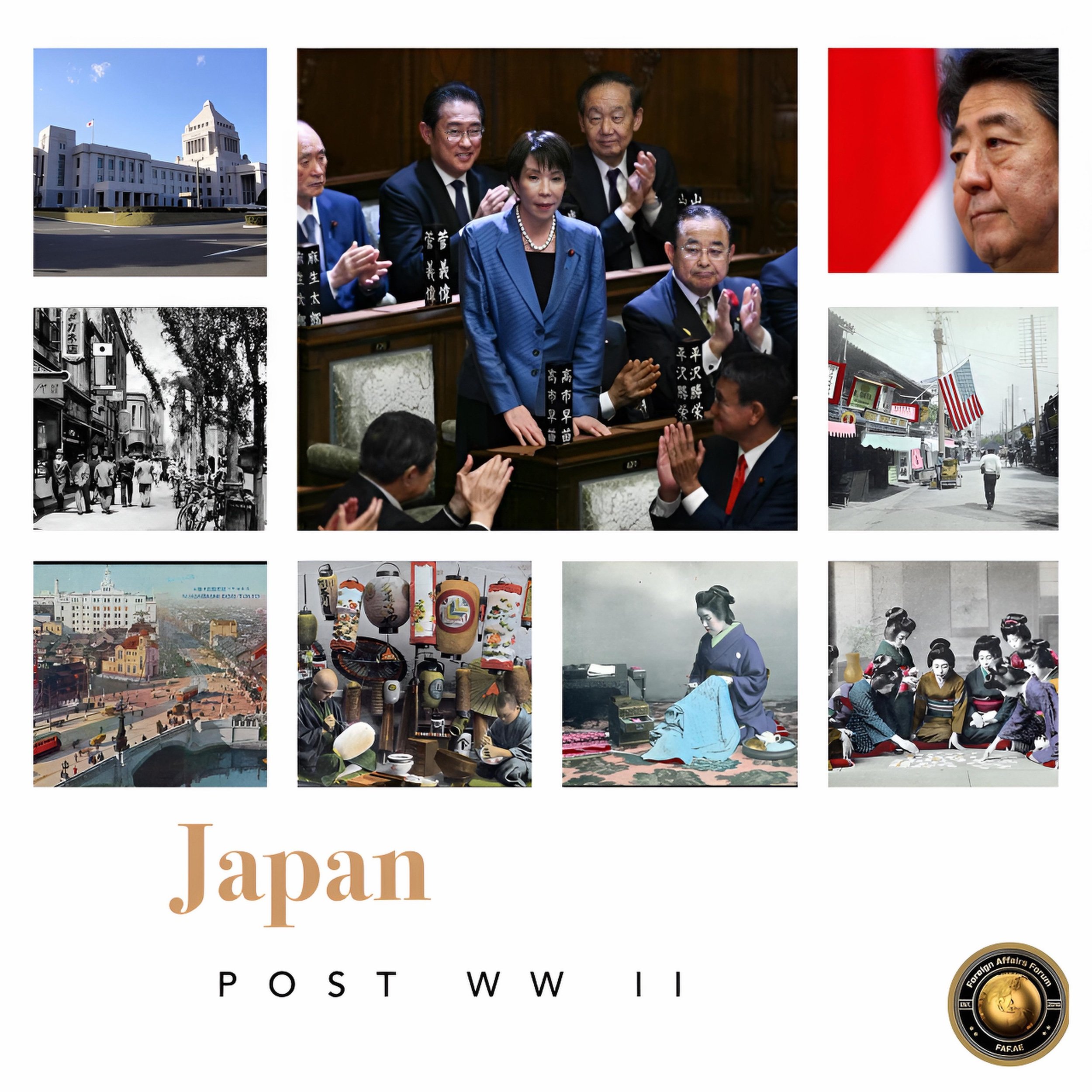
Japan’s prime minister, Takaichi Sanae, has won a very large election victory. Her party, the Liberal Democratic Party, now controls almost 70% of seats in the lower house of the National Diet.
This gives her strong power to pass laws.
Japan faces serious problems: an aging population, slow economic growth, rising defense needs, and very high public debt above 250% of GDP.
This article explains why her moment is historic and what she must do to succeed.
Introduction
Strong Power Means Big Expectations
The LDP has ruled Japan for most years since 1955. But it has rarely won such a strong majority. With almost 70% of seats, the prime minister faces little opposition in parliament.
However, power brings pressure. Japan is rich and stable, but it is also aging quickly and growing slowly.
Many experts say this is a turning point. If reforms happen now, Japan could become stronger. If not, it could slowly decline.
History and Current Status
From Economic Miracle to Aging Society
After World War II, Japan rebuilt quickly. It became one of the world’s largest economies. In the 1980s, it was seen as a global leader in technology and cars.
But in the 1990s, a financial bubble burst. Growth slowed. Prices stayed flat for many years.
Former prime minister Shinzo Abe sought to boost the economy through strong policies known as Abenomicsics. Some things improved, but not enough.
Today, Japan’s population is shrinking. The average age is above 48.
Fewer young workers must support more older adults. The government has a very high debt.
At the same time, security risks are rising because of China and North Korea.
Japan has promised to raise defense spending toward 2% of GDP.
That is a big change for a country that has long limited military growth.
Key Developments
Defense Growth and Economic Reform Plans
The government is increasing defense spending and buying new weapons. It wants stronger cooperation with the United States and other partners.
Economically, inflation has returned after many years of very low prices. Wages are rising slowly. The government wants to support high-tech industries, such as semiconductors and green energy.
Energy policy is also changing. After the Fukushima disaster, many nuclear power plants were shut down. Now, some are reopening to reduce energy imports.
The prime minister is also the most powerful woman in Japan’s political history. This is important symbolically. But real success will depend on policy results, not symbolism.
Latest Facts and Concerns
Debt, Demographics, and Regional Security Risks
As of 2026, Japan’s economy is stable but not fast-growing. Inflation is moderate. Defense spending is increasing.
The biggest long-term concern is debt. If interest rates rise too much, paying that debt will become expensive. At the same time, Japan must spend more on elderly care.
Another concern is labor shortage. For example, hospitals and construction companies already struggle to find workers. Some experts say Japan must allow more immigration to solve this.
Security tensions in the region continue. Missile tests by North Korea and naval activity by China keep pressure on Japan.
Cause-and-Effect Analysis
Why Reform Is Necessary and Difficult
Japan’s slow growth is linked to its aging population. Fewer workers mean lower production. Lower production means slower growth. Slower growth makes it harder to pay off debt.
Defense spending is rising because threats are rising. If China’s military grows stronger, Japan feels it must respond.
But increasing defense and social spending simultaneously creates budget pressure. If taxes rise too much, growth could slow further. If spending is cut too much, people may suffer.
The prime minister’s strong majority makes reform easier in theory. But interest groups, local politicians, and bureaucrats may resist big changes.
Future Steps
What the Prime Minister Should Do Next
First, Japan must help more women and older people stay in the workforce. For example, better childcare can enable more mothers to work full-time.
Second, it may need careful immigration reform. Skilled foreign workers could help hospitals, technology firms, and factories.
Third, it should invest in technologies such as artificial intelligence and clean energy. These industries can create high-value jobs.
Fourth, the government must manage debt carefully. It cannot spend without limits.
If the prime minister acts quickly while her popularity is high, she can shape Japan’s future. If she waits too long, political support may fall.
Conclusion
A Rare Chance That May Not Come Again
Japan’s prime minister now has rare political strength. With almost 70% of seats in parliament, she can pass major reforms.
But time is limited. Demographics will not improve automatically. Security threats will not disappear. Debt will not shrink by itself.
If she uses her power wisely, she could guide Japan into a new era of growth and security.
If she does not, historians may say that a once-in-a-generation opportunity was missed.