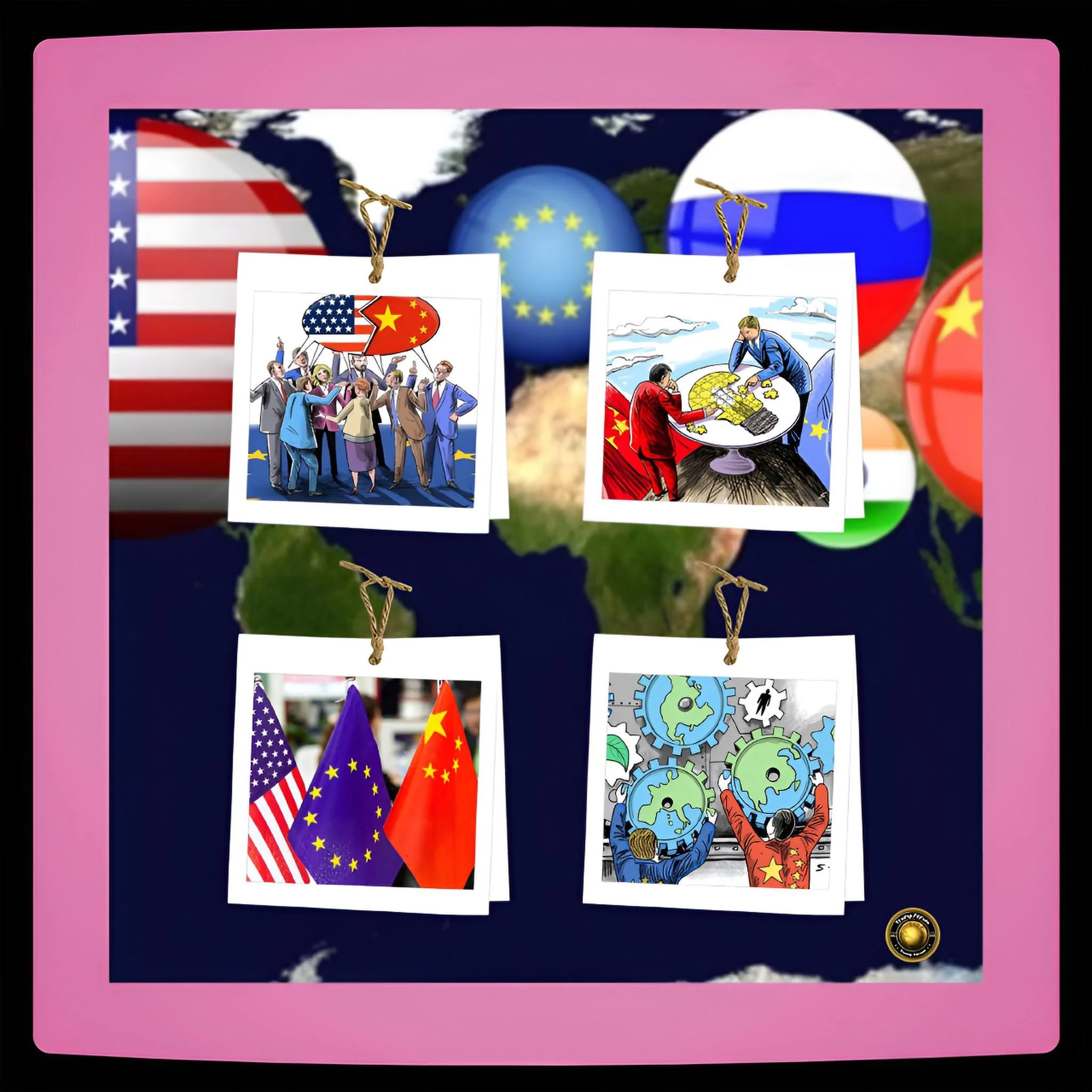
Europe’s China Dilemma: Trading, Competing, and Cooperating in a Fragmented World
Executive summary
Forging New Paths: Europe and China Embrace Issue-Driven Alliances Strategically
In an era characterized by the erosion of traditional geopolitical blocs, the relationship between Europe and China exemplifies a paradigm shift toward selective, issues-based cooperation.
This evolution transcends binary alignments or rivalries, fostering pragmatic partnerships in domains such as climate mitigation, trade governance, and technological innovation while navigating persistent tensions in security and economic interdependence.
Historical trajectories reveal a transition from ideological confrontations to multifaceted engagements, with recent diplomatic overtures underscoring mutual interests amid global uncertainties.
Key developments, including reciprocal tariffs and de-risking strategies, highlight vulnerabilities, yet they also propel cause-and-effect dynamics that encourage resilience-building measures.
Future trajectories suggest enhanced multilateral frameworks, with conclusions affirming the imperativeness of adaptive diplomacy in a multipolar world order.
Introduction
Shifting Alliances: Europe and China’s Pragmatic Dance in Global Affairs
The contemporary international landscape is undergoing a profound metamorphosis, wherein the vestiges of Cold War-era bloc politics are yielding to a more nuanced architecture of alliances predicated upon specific issues rather than monolithic ideologies.
This transformation is palpably evident in the evolving interplay between Europe and China, two pivotal actors whose interactions eschew outright alignment or unmitigated competition in favor of selective cooperation.
Such an approach acknowledges the inexorable interdependence of global economies while accommodating divergent strategic imperatives. As articulated in recent scholarly discourses, this shift reflects a broader multipolarity, where coalitions coalesce around shared challenges like environmental degradation, supply chain fortification, and digital governance, rather than enduring ideological schisms.
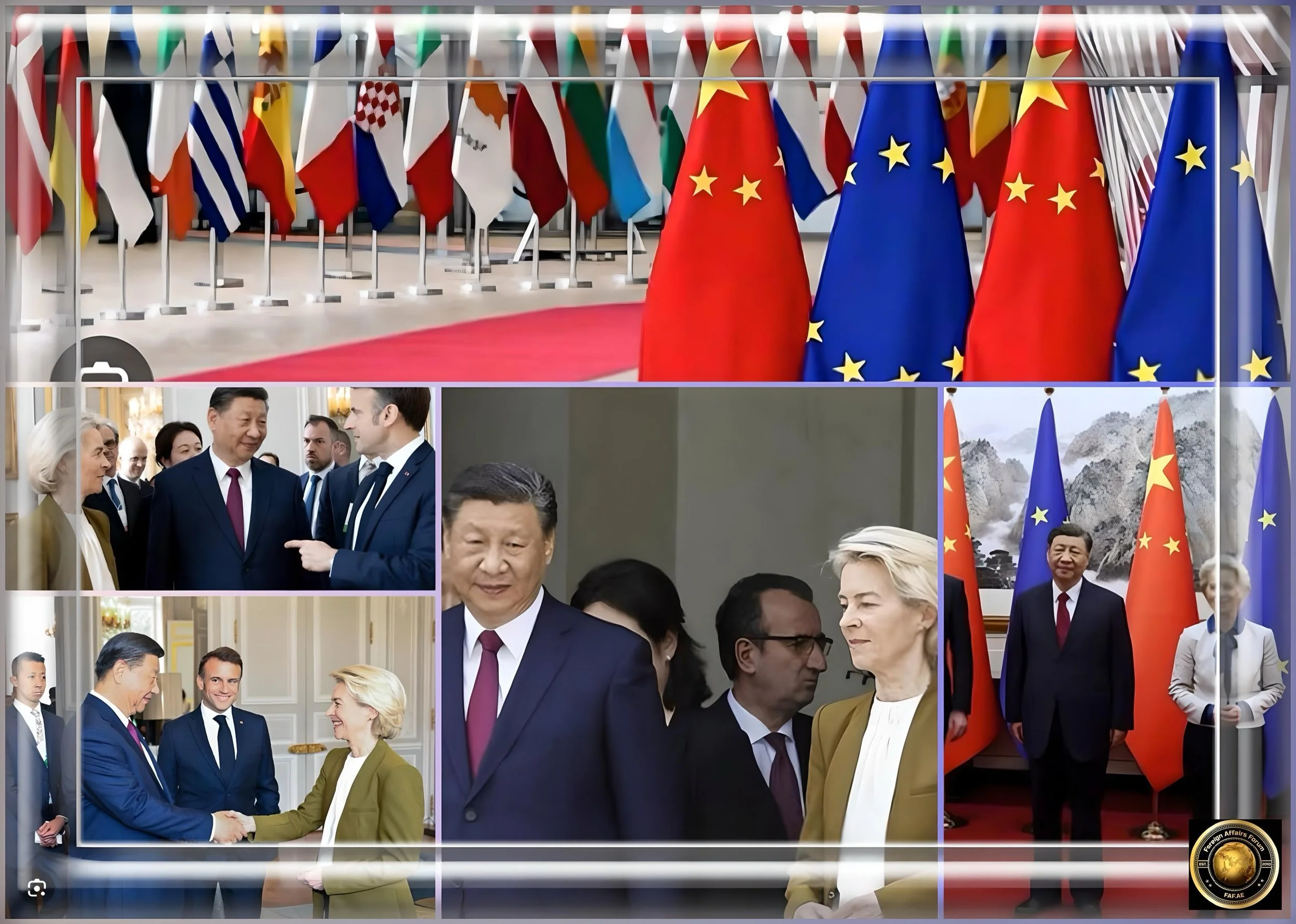
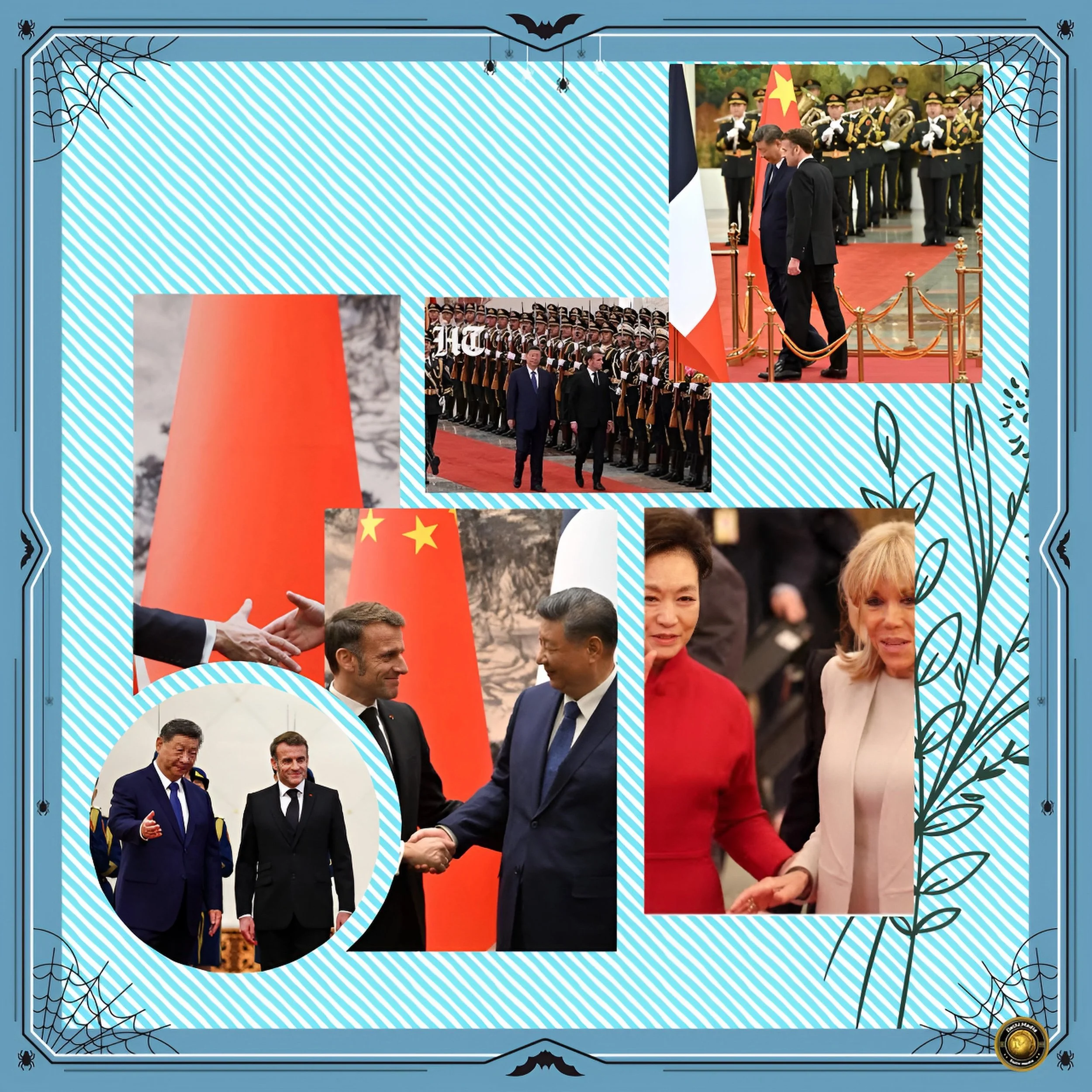
The cavalcade of European leaders journeying to Beijing in recent months—encompassing figures such as French President Emmanuel Macron, South Korean President Lee Jae-myung, Irish Taoiseach Micheál Martin, Canadian Prime Minister Mark Carney, and U.K. Prime Minister Keir Starmer, with German Chancellor Friedrich Merz anticipated in February and even U.S. President Donald Trump slated for April—epitomizes this pragmatic recalibration.
These visits, occurring against a backdrop of transatlantic frictions and economic recalibrations, signal a deliberate pivot toward dialogue that prioritizes mutual benefits over adversarial posturing.
In this context, the ensuing analysis delineates the historical underpinnings, current modalities, pivotal evolutions, emergent realities, causal interlinkages, prospective pathways, and overarching implications of this selective cooperative paradigm.
History and current status
The historical arc of Europe-China relations traces back to the establishment of formal diplomatic ties in 1975, marking a seminal juncture in the post-Mao era when Beijing sought integration into the global order amid the waning of bipolarity.
Initially, engagements were circumscribed by economic imperatives, with Europe’s advanced markets providing a conduit for China’s nascent reforms under Deng Xiaoping.
The 1980s and 1990s witnessed an efflorescence of trade, culminating in China’s accession to the World Trade Organization in 2001, which amplified bilateral exchanges to unprecedented levels.
By the early 2010s, the European Union emerged as China’s preeminent trading partner, with annual volumes surpassing €600 billion, predicated upon complementary strengths: Europe’s technological prowess and China’s manufacturing scalability.
However, this symbiosis was not devoid of frictions; the 2008 financial crisis accentuated Europe’s vulnerabilities to external dependencies, while China’s Belt and Road Initiative, launched in 2013, elicited apprehensions regarding debt diplomacy and infrastructural influence across the continent.
The current status, as of early 2026, reflects a matured yet contested partnership.
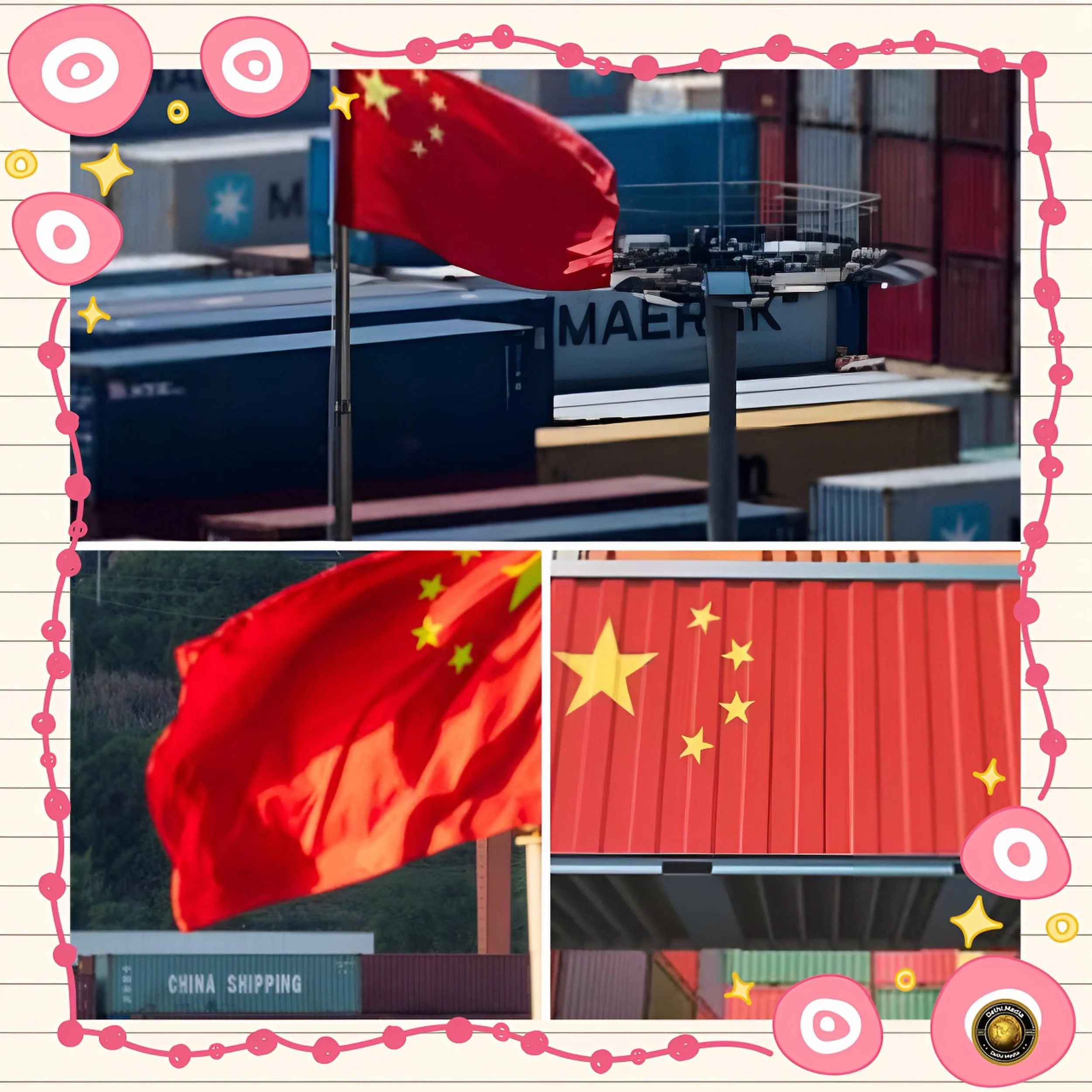
Bilateral trade persists at robust figures, approximating €800 billion in 2025, yet it is encumbered by asymmetries, with Europe grappling a deficit exceeding €400 billion.
Politically, the relationship has evolved from unbridled optimism to a tripartite framing—partner, competitor, systemic rival—as enunciated in the European Commission’s 2019 strategy.
This nomenclature encapsulates the duality: cooperative ventures in multilateral fora, such as the Paris Agreement on climate change, coexist with competitive pressures in sectors like electric vehicles and semiconductors.
Amidst this, de-risking has ascended as a leitmotif, entailing diversification of supply chains away from overreliance on Chinese inputs, particularly in critical minerals where China commands 80% of global processing capacity.
The advent of the COVID-19 pandemic further catalyzed this introspection, exposing fragilities in global health security and prompting Europe to fortify domestic capabilities.
Concurrently, China’s assertive postures in the South China Sea and vis-à-vis Taiwan have impinged upon European security calculations, albeit indirectly, fostering alignments with Indo-Pacific partners.
Nonetheless, the status quo is not one of decoupling but managed interdependence, wherein selective engagements mitigate risks while harnessing opportunities in green transitions and digital economies.
Key developments
Several pivotal developments have sculpted the contours of Europe-China selective cooperation.
Foremost among them is the 2025 EU-China Summit, commemorating 50 years of diplomatic relations, which, despite yielding modest breakthroughs, reaffirmed commitments to dialogue amid trade impasses.
Discussions pivoted on electric vehicle tariffs, with the EU imposing duties up to 45.3% on Chinese imports to counter perceived subsidies, eliciting retaliatory measures from Beijing on European pork and dairy, culminating in provisional tariffs of 15.6% to 62.4%.
This tit-for-tat dynamic underscores the maturation of economic statecraft, yet it also precipitated negotiations toward minimum price undertakings, signaling a propensity for resolution over escalation.
Another salient evolution is the reconfiguration of investment frameworks; the Comprehensive Agreement on Investment, frozen since 2021 due to human rights concerns, remains in abeyance, but bilateral accords, such as Italy’s 2024-2027 Action Plan with China, have revitalized strategic partnerships in select domains.
Technologically, Europe’s Horizon Europe program for 2026-2027 proposes barring Chinese entities from sensitive research clusters encompassing health, civil security, and digital technologies, emblematic of a realpolitik turn to safeguard innovation sovereignty.
Concurrently, climate collaboration has burgeoned, with joint initiatives under the 15th Five-Year Plan emphasizing clean energy dominance, notwithstanding Europe’s apprehensions over Chinese overcapacity in solar and wind sectors, which eroded domestic manufacturing bases.
Diplomatic overtures have intensified, with Macron’s December 2025 visit yielding accords on cultural exchanges and aviation, while Starmer’s January 2026 engagement focused on fintech and renewable synergies.
Merz’s impending February sojourn is poised to unveil a revised China Action Plan, emphasizing economic security through de-risking without decoupling.
These developments coalesce around a theme of selective engagement: cooperation in non-contentious arenas like pandemic preparedness and biodiversity, juxtaposed with protective measures in strategic industries.
Moreover, the resurgence of multipolar governance is evident in trade pacts; the Comprehensive and Progressive Agreement for Trans-Pacific Partnership, now encompassing the U.K. and eyeing EU affiliation, transcends bloc affiliations, fostering rules-based platforms that accommodate Chinese participation under reciprocal terms.
Latest facts and concerns
As of February 2026, empirical indicators illuminate both advancements and apprehensions in Europe-China relations.
Trade volumes in 2025 attained €850 billion, a 5% increment from prior years, buoyed by surging demands for Chinese electric vehicles, which captured 20% of the European market despite tariffs.
Conversely, European foreign direct investment into China rebounded to €3.06 billion in the first quarter of 2025, the highest since 2022, reflecting sustained momentum in sectors like automotive and chemicals.
Diplomatic frequency has escalated, with over five leaders visiting Beijing in January alone, including Carney’s inaugural trip in eight years, underscoring a quest for stability amid U.S. policy volatilities.
Concerns, however, abound. Europe’s trade deficit ballooned to €450 billion in 2025, exacerbated by Chinese export diversions from U.S. barriers, precipitating a “China shock” that imperiled 104,000 jobs in the electric vehicle supply chain between 2024 and 2025.
Security apprehensions persist, with allegations of Chinese cyber incursions and support for Russia’s Ukraine incursion straining trust; Beijing’s provision of dual-use technologies has prompted EU sanctions considerations.
In clean tech, China’s dominance—evidenced by 80% control of solar manufacturing—has decimated European counterparts, with wind sectors losing 15% global market share to Chinese competitors.
Regulatory divergences amplify worries: the EU’s Carbon Border Adjustment Mechanism, effective from 2026, imposes levies on high-emission imports, potentially triggering Chinese countermeasures valued at €10 billion annually.
Human rights divergences remain salient, with Europe’s condemnation of Xinjiang policies contrasting China’s rebuttals.
Economically, overdependence on Chinese rare earths, where export controls were tightened in 2025, threatens supply chains, with suspensions until November 2026 affording temporary respite but underscoring vulnerabilities.
These facts engender concerns over asymmetric leverage, prompting calls for fortified resilience in critical sectors.
Cause-and-effect analysis
The causal nexus underpinning Europe-China selective cooperation is multifaceted, with interdependent variables engendering both synergies and frictions.
Primarily, the erosion of U.S. hegemonic reliability—manifest in tariff escalations and inward-focused policies—has propelled Europe toward diversified partnerships, effecting a causal impetus for deepened China engagements.
This realignment, in turn, effects enhanced bargaining power for Beijing, enabling it to leverage economic incentives for political deference, as observed in conditional dialogues on Taiwan and security.
Trade asymmetries constitute another causal chain: China’s manufacturing surge under Made in China 2025 has effected market distortions, causing European job losses and industrial erosion, which in response effects de-risking policies like investment screenings, further causing retaliatory tariffs and perpetuating a cycle of managed tensions.
Climatically, shared imperatives—such as net-zero ambitions—cause collaborative platforms, effecting joint investments in renewables that mitigate dependencies on fossil fuels, yet this also causes overcapacity concerns, effecting protective measures that strain relations.
Geopolitically, China’s support for Russia causes European apprehensions, effecting hardened stances on dual-use exports, which in turn causes Beijing’s “divide and rule” tactics among EU states, exacerbating internal divisions.
Technologically, Europe’s innovation edge causes attraction for Chinese partnerships, effecting knowledge transfers that bolster mutual advancements, but also causes fears of intellectual property erosion, prompting restrictive Horizon frameworks.
These cause-effect interlinkages illustrate a dialectical process: frictions engender resilience strategies, which in turn foster selective cooperation, sustaining a equilibrium amid volatility.
Future steps
Prospective trajectories necessitate calibrated steps to institutionalize selective cooperation.
Foremost, Europe should expedite the Critical Raw Materials Act implementation, targeting diversification to reduce reliance on Chinese supplies by 2030, entailing partnerships with alternative sources like Australia and Canada.
Concurrently, bilateral dialogues should prioritize reciprocity in market access, with negotiations aiming to thaw the Comprehensive Agreement on Investment by addressing labor and environmental standards.
Multilaterally, enhancing frameworks like the World Trade Organization’s reform could mitigate trade distortions, incorporating provisions for subsidy transparency.
In climate domains, joint roadmaps under the 15th Five-Year Plan could amplify co-investments in hydrogen and battery technologies, aiming for 30% collaborative projects by 2030.
Security-wise, confidence-building measures, such as cyber norms dialogues, could alleviate tensions, while Europe fortifies alliances with Indo-Pacific entities without provoking bloc formations.
Diplomatically, sustaining high-level exchanges—building on recent visits—should institutionalize annual summits focused on issue-specific agendas.
Economically, incentivizing European firms through subsidies equivalent to €40 billion in defense and green sectors could counter Chinese competition, fostering domestic resurgence.
For China, steps include easing export controls on rare earths and committing to verifiable reductions in dual-use support to Russia, engendering trust dividends.
Collectively, these measures could transmute selective cooperation into a resilient paradigm, navigating multipolarity with equanimity.
Conclusion
Beyond Rivalries: Europe and China Opt for Targeted Collaborative Ventures
The inexorable shift from bloc-centric rivalries to issues-based selective cooperation between Europe and China heralds a maturation of global governance, attuned to the complexities of multipolarity.
This paradigm, while fraught with asymmetries and apprehensions, affords opportunities for symbiotic advancements in pressing domains. Historical evolutions, recent developments, and causal dynamics underscore the imperativeness of adaptive strategies that balance competition with collaboration.
As leaders continue their peregrinations to Beijing, emblematic of pragmatic engagement, the onus rests on both polities to forge resilient frameworks that transcend ephemeral tensions.
Ultimately, this selective modus operandi not only mitigates risks but also potentiates collective responses to transnational exigencies, affirming that in a fragmented world, cooperation—judiciously calibrated—remains the sine qua non of enduring stability.