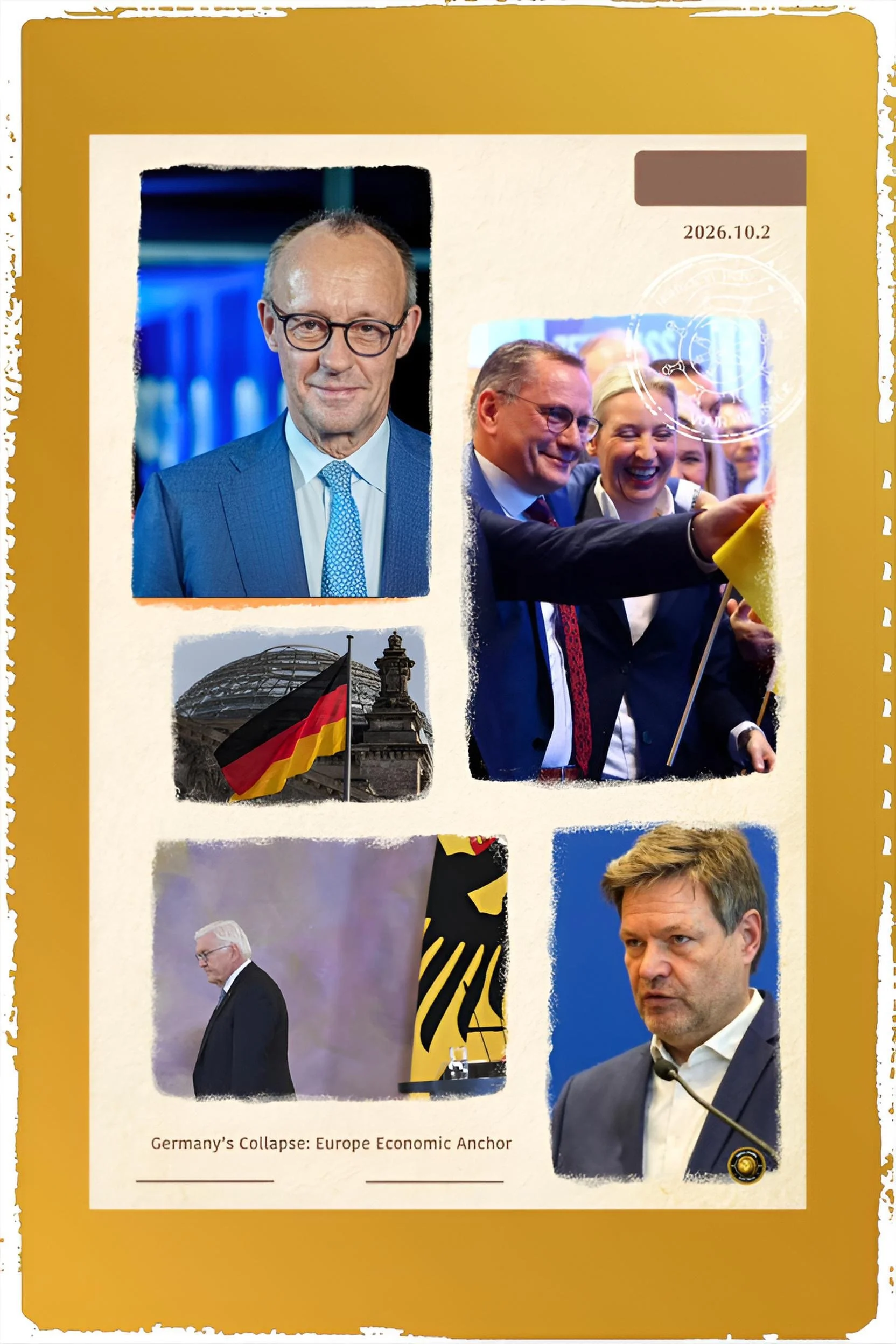
Germany’s Quiet Strategic Collapse And The End Of Europe’s Economic Anchor
Executive Summary
Germany has long functioned as the stabilizing core of the European project: its economic engine, political moderator, and fiscal disciplinarian.
That role is now eroding, not through dramatic crisis but through cumulative strategic exhaustion.
Germany’s difficulties are often mischaracterized as cyclical or policy-specific, yet they reflect a deeper structural transformation.
FAF article argues that Germany is undergoing a quiet strategic collapse driven by the exhaustion of its post–Cold War economic model, demographic stagnation, institutional inertia, and an elite culture ill-suited to geopolitical competition.
The consequences extend far beyond Germany itself. As Berlin’s capacity to anchor Europe weakens, the European Union faces a vacuum of leadership at precisely the moment when global politics demands strategic coherence.
Germany’s challenge is not merely to reform its economy, but to redefine its role in a harsher international system for which it is intellectually and politically unprepared.
Introduction
For decades, Germany’s power rested on a paradox. It was Europe’s most influential state while consistently denying that it sought influence. Its strength derived not from military projection or ideological ambition, but from economic gravity and procedural authority. Germany anchored Europe by exporting stability, rules, and restraint.
This model thrived in a world defined by open markets, cheap energy, benign security guarantees, and institutional consensus.
That world no longer exists.
Germany today confronts a convergence of pressures that its political system is struggling to process. Energy shocks, industrial competition, geopolitical fragmentation, demographic decline, and security uncertainty are not isolated challenges.
They interact in ways that undermine the foundations of German power. Yet Berlin’s response has been hesitant, incremental, and frequently defensive.
The result is not collapse in the dramatic sense, but erosion. Germany remains wealthy, orderly, and institutionally intact. What it lacks is momentum.
This article delves into how Germany’s strategic position has weakened, why its leadership class has failed to adapt, and what this means for Europe’s future.
History And Current Status
Germany’s postwar success rested on a specific alignment of conditions.
The Federal Republic embedded itself within a U.S.-led security order, outsourced hard power to NATO, and focused on economic reconstruction.
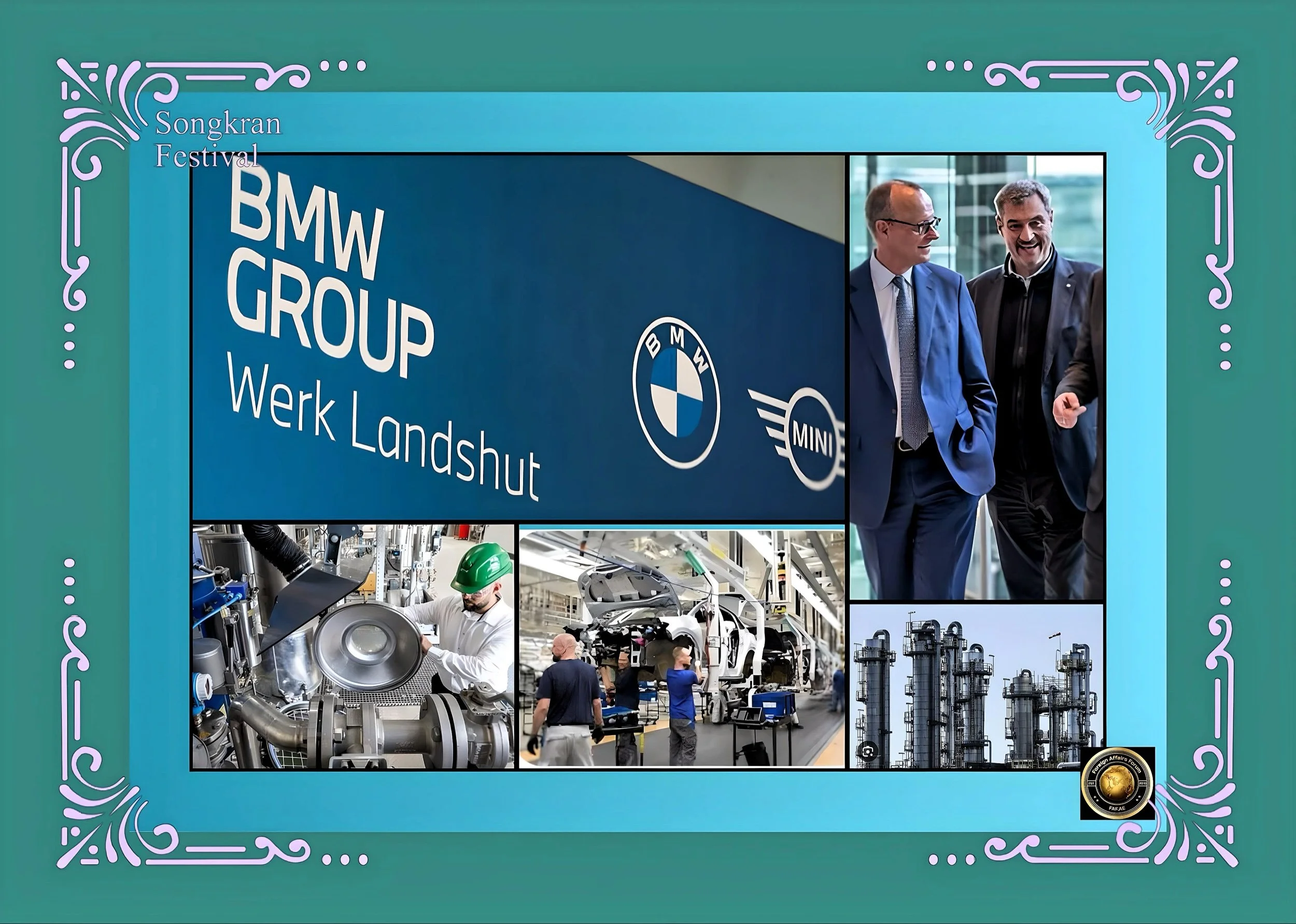
Over time, this evolved into a highly competitive export economy anchored by manufacturing, particularly automobiles, machinery, and chemicals.
After reunification, Germany deepened this model rather than revising it. Eastern expansion of the European Union provided new markets and supply chains.
China’s rise offered demand for German capital goods. Russian energy provided cheap inputs. Fiscal discipline and wage restraint enhanced competitiveness. Germany became Europe’s indispensable economy.
Yet this success concealed vulnerabilities. Growth depended on external demand rather than domestic dynamism. Innovation lagged behind peers in digital sectors. Infrastructure investment declined.
Demographic aging accelerated. Most importantly, Germany’s political culture internalized the assumption that geopolitics had been permanently tamed by interdependence.
By the early 2020s, this assumption was no longer tenable. The invasion of Ukraine shattered Germany’s energy strategy.
Strategic rivalry with China undermined export dependence. U.S. security guarantees became more conditional. Germany entered this new era without a coherent alternative model.
Key Developments
Germany’s response to these shocks has been reactive rather than strategic. Emergency energy measures stabilized supply but did not produce a long-term vision.
Industrial subsidies proliferated without a clear framework for competitiveness. Defense spending increased in headline terms but remained constrained by bureaucratic inertia and political ambivalence.
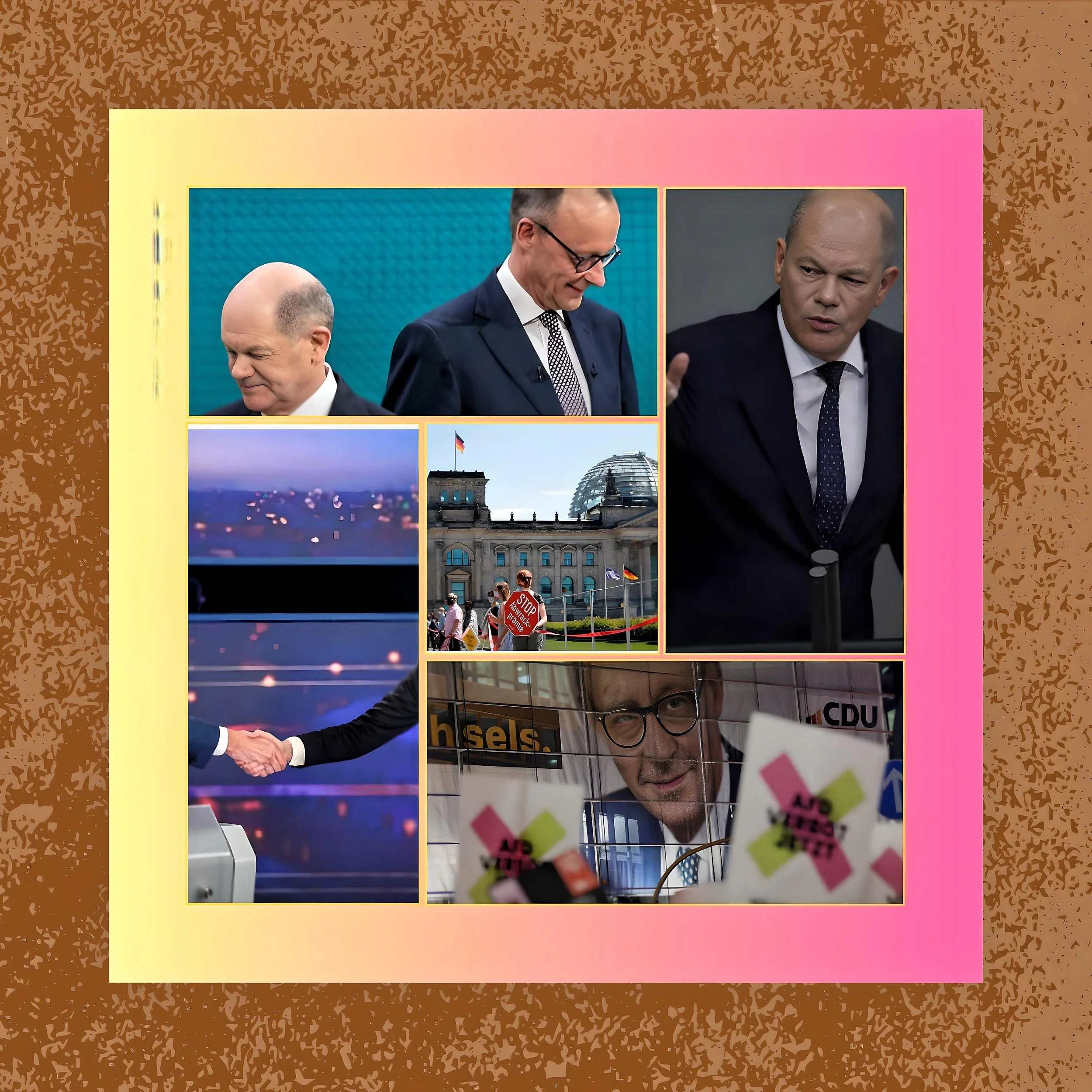
Politically, coalition governance has amplified fragmentation.
Competing priorities among governing parties have slowed decision-making and diluted accountability. Structural reforms are debated endlessly while implementation lags. The emphasis remains on consensus rather than direction.
At the European level, Germany’s traditional leadership role has weakened. Berlin hesitates to set the agenda, wary of domestic backlash and external expectations.
This vacuum has allowed smaller states to assert influence episodically, while France advances proposals without sufficient backing. Europe increasingly lacks a center of gravity.
Latest Facts And Concerns
Germany’s economic indicators reflect stagnation rather than collapse. Growth remains subdued.
Productivity gains are limited. Investment levels lag behind peers. Industrial output faces sustained pressure from global competition and energy costs.
Demographically, Germany’s working-age population is shrinking. Immigration mitigates but does not reverse this trend. Skills shortages persist. Social systems face mounting strain.
Strategically, Germany’s defense readiness remains inadequate despite increased budgets. Procurement delays, personnel shortages, and cultural resistance limit effectiveness. Germany’s credibility as a security provider remains constrained.
Public opinion reflects unease. Confidence in institutions remains higher than in many democracies, but trust in political leadership has eroded.
There is a growing perception that Germany is reacting to events rather than shaping them.
Cause And Effect Analysis
Germany’s difficulties stem from the exhaustion of a model optimized for a specific historical moment. Export-led growth thrived under globalization, but globalization is fragmenting.
Energy dependence made sense under stable relations, but not under geopolitical rivalry. Strategic restraint was viable under U.S. primacy, but not under multipolar uncertainty.
Institutional inertia compounds these challenges. Germany’s political system prizes caution, legalism, and consensus.
These traits ensure stability but impede adaptation. Reform is slow not because of lack of awareness, but because of risk aversion embedded at every level.
Elite culture plays a central role. German policymakers remain deeply uncomfortable with power language.
Strategy is treated as something other states pursue. This reluctance limits Germany’s ability to articulate interests, mobilize resources, and lead coalitions.
The effect is cumulative erosion. Each missed opportunity reinforces skepticism about change. Each compromise dilutes ambition. Germany does not collapse; it drifts.
Future Steps
Germany faces a choice between managed decline and strategic renewal.
Renewal would require acknowledging that the post–Cold War settlement is over. It would demand sustained investment in infrastructure, defense, and innovation. It would require political leaders to speak openly about power, risk, and trade-offs.
At the European level, Germany must decide whether it is willing to lead or content to manage decline collectively.
Leadership would involve agenda-setting, not merely consensus-building. It would require accepting friction with partners and voters alike.
Without such a shift, Germany will remain central but ineffective, influential but indecisive.
Conclusion
Germany’s quiet strategic collapse is not inevitable, but it is already underway. It reflects the mismatch between a changing world and a leadership culture anchored in a fading era. As Germany weakens, Europe loses its anchor.
The consequences will be felt not only in Brussels and Berlin, but across the global balance of power.
Stability without adaptation becomes fragility. Germany’s challenge is to recognize this before erosion hardens into irreversibility.