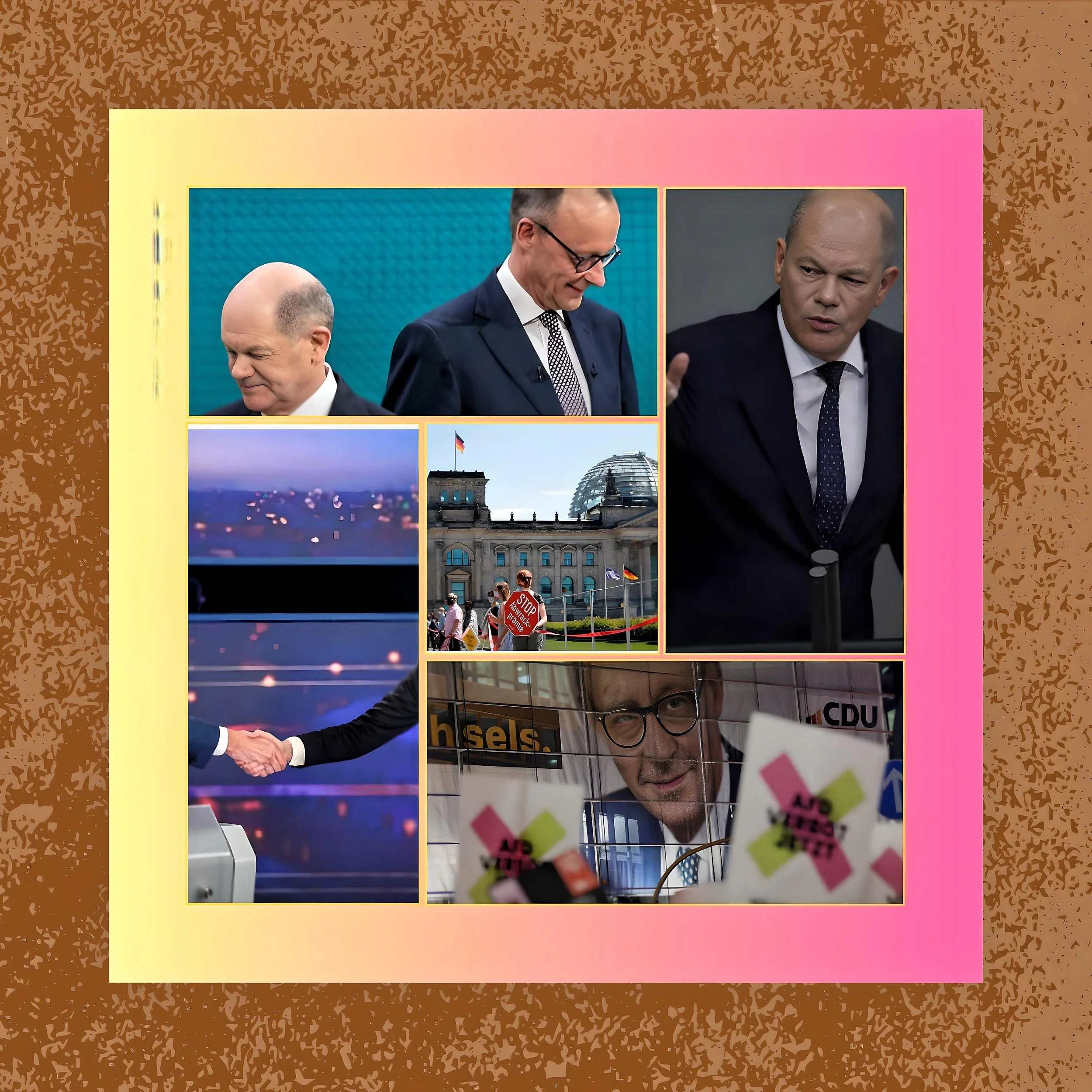
Germany’s February 23 Election: A Pivotal Moment for European Unity and Ukraine’s Future
Introduction
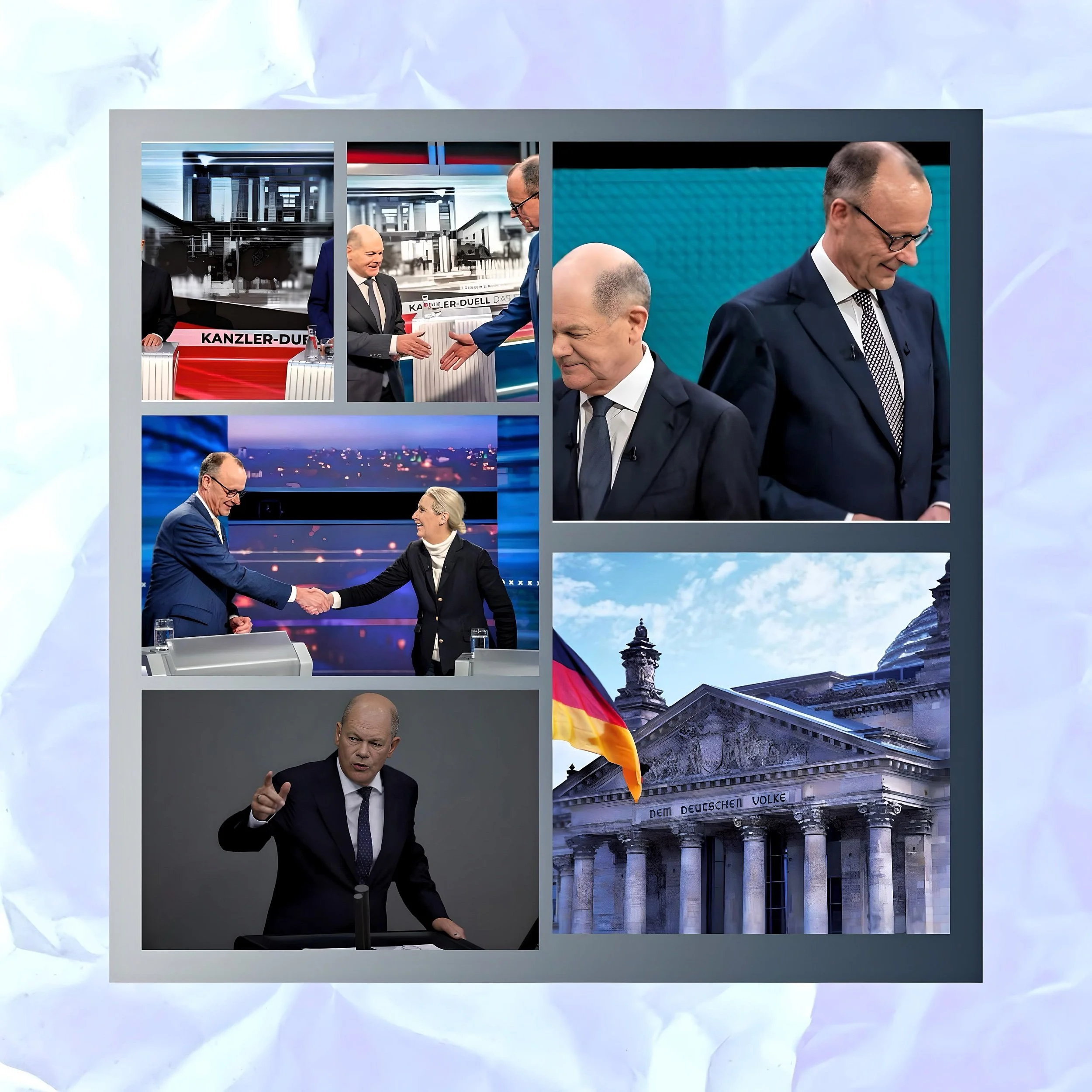
The German federal election on February 23, 2025, represents a critical juncture for both the European Union’s strategic cohesion and Ukraine’s capacity to withstand Russian aggression.
As Europe’s largest economy and the EU’s de facto leader, Germany’s political trajectory under a new government will decisively influence continental security architectures, transatlantic relations, and the viability of Western support for Kyiv.
The snap election—triggered by the collapse of Chancellor Olaf Scholz’s coalition—has unfolded against a backdrop of economic stagnation, resurgent far-right populism, and a recalibrated U.S. foreign policy under President Donald Trump.
Below, we analyze the election’s implications through five interrelated dimensions.
Ukraine Aid and the Taurus Missile Debate
A Litmus Test for German Resolve
Germany’s role as Ukraine’s second-largest military donor ($46 billion since 2022) positions it as a linchpin of European support.
However, Scholz’s refusal to supply Taurus cruise missiles—despite bipartisan pressure—has become emblematic of his cautious approach.
Former Ukrainian Foreign Minister Dmytro Kuleba argues this hesitation has cost lives and weakened Kyiv’s defensive capabilities, framing Scholz’s stance as a failure of political will rather than logistical capacity.
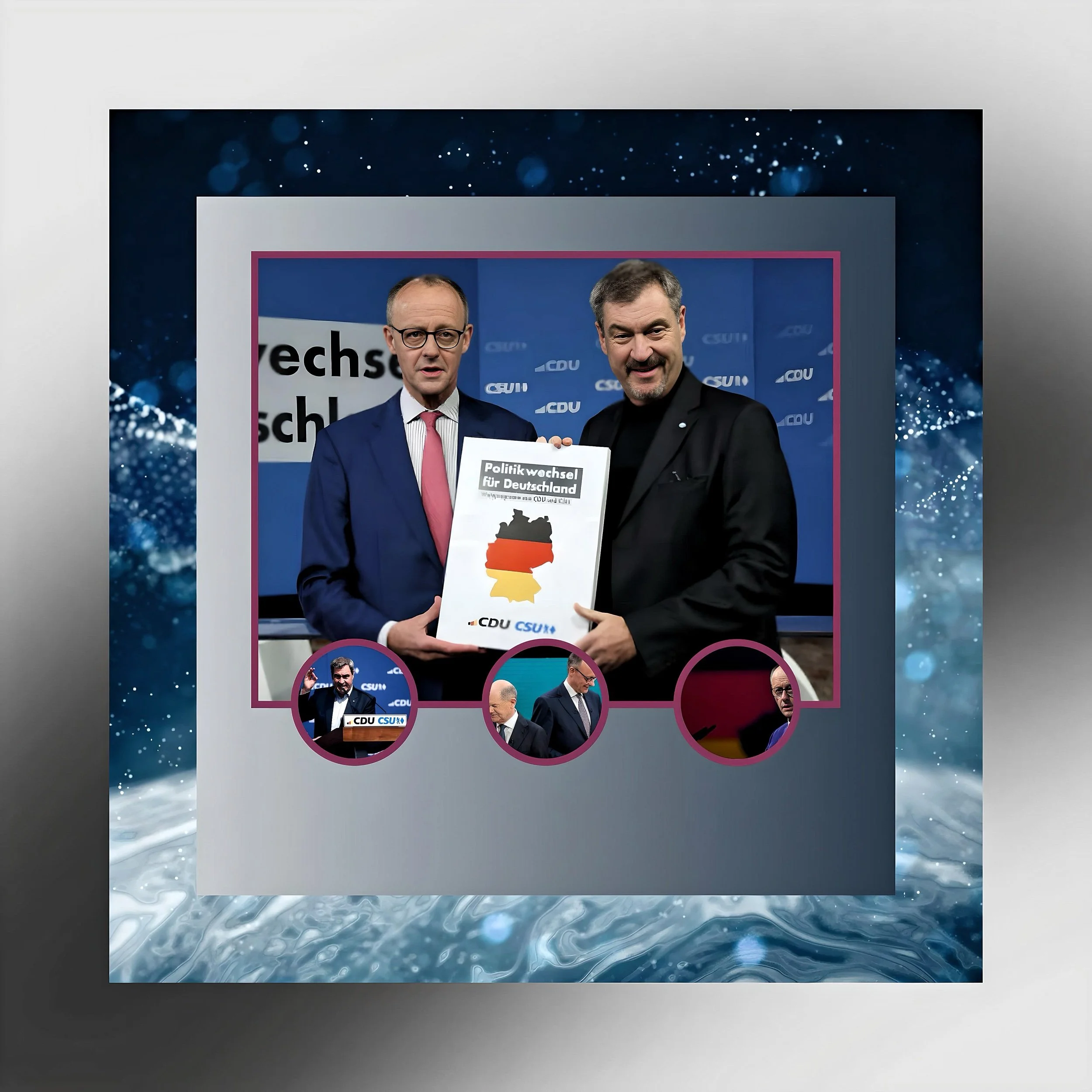
Friedrich Merz, the CDU/CSU frontrunner, has pledged to reverse this policy, advocating immediate Taurus transfers to bolster
Ukraine’s strike capacity against Russian rear lines. Polls indicate 67% of Germans endorse military aid, yet Merz’s hawkishness risks alienating factions wary of escalation.
The election outcome will thus determine whether Berlin transitions from a restraint-driven supplier to a proactive arms exporter, a shift with cascading effects on EU nations like France and Poland.
EU Leadership Vacuum and the Imperative for German Stewardship
The EU faces unprecedented fragmentation.
France grapples with domestic unrest, Hungary obstructs consensus, and Trump’s transactional diplomacy undermines NATO solidarity.
Germany’s next government must address this void.
Merz has articulated a vision of “robust Europeanism,” proposing a national security council and increased defense spending to meet NATO’s 2% GDP target.
Conversely, Scholz’s coalition struggled to harmonize energy transitions with fiscal conservatism, exacerbating intra-EU divisions over debt rules and green investments.
The CDU’s likely victory could rejuvenate Franco-German collaboration, particularly on completing the single market and advancing Mario Draghi’s blueprint for EU competitiveness.
However, Merz’s openness to austerity—opposing debt brake reforms—threatens to constrain fiscal flexibility needed for pan-European defense initiatives.
With Trump pressuring Europe to “pay its fair share,” Germany’s ability to balance economic revitalization with collective security will define the EU’s geopolitical relevance.
The AfD Surge and the Erosion of Democratic Norms
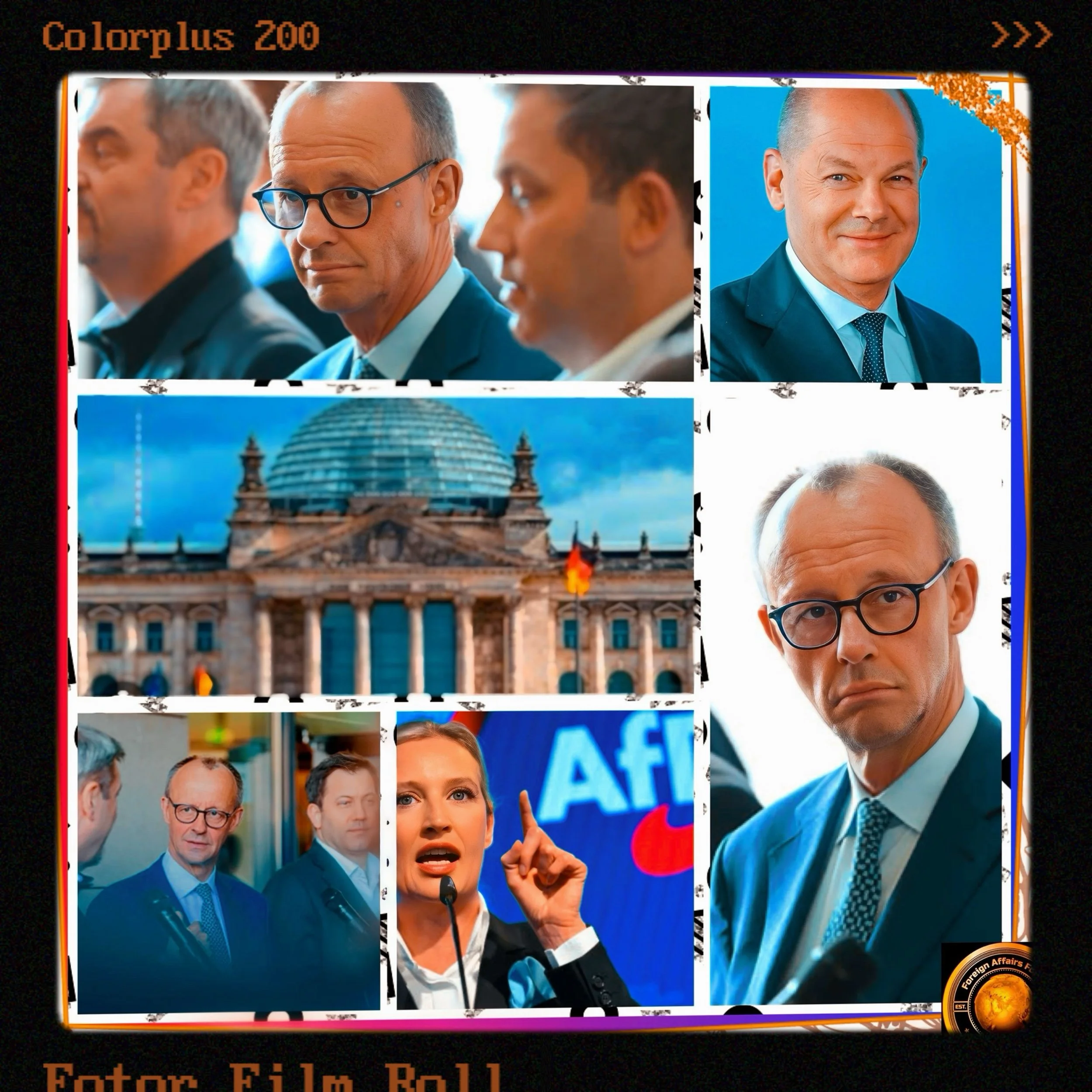
The far-right Alternative für Deutschland (AfD), polling at 21%, has capitalized on migration anxieties and economic discontent to mainstream its anti-Ukraine, pro-Russia platform.
AfD co-leader Alice Weidel’s praise for Trump’s unilateral peace overtures to Putin—coupled with calls to halt military aid—aligns with Moscow’s strategic objective to fracture Western unity.
While mainstream parties maintain a “firewall” against coalition-building with the AfD, Merz’s CDU has tacitly legitimized far-right narratives by collaborating on migration bills, eroding democratic safeguards.
This normalization mirrors Denmark’s shift under Mette Frederiksen, where strict border policies co-opted far-right rhetoric.
If Merz pursues similar tactics—advocating permanent border controls and asylum restrictions—he risks emboldening illiberal forces across the Visegrád Group and Western Balkans, destabilizing EU cohesion.
Economic Crossroads
Energy Transition, Debt Brake, and Industrial Policy
Germany’s recession—marked by a 0.3% GDP contraction in 2023—stems from energy price shocks post-Ukraine invasion and structural declines in manufacturing competitiveness.
The Greens’ Robert Habeck attributes stagnation to overreliance on Russian gas, advocating accelerated renewables adoption.
Merz, however, blames SPD-Greens policies for premature nuclear phaseouts and excessive bureaucracy, proposing corporate tax cuts (25%) and deregulation to revive exports.
The debt brake (constitutionally limiting deficits to 0.35% of GDP) remains a flashpoint. Scholz’s coalition sought temporary suspensions to fund defense and green subsidies, but Merz resists permanent reforms, favoring austerity.
This clash will shape Germany’s capacity to finance Ukraine aid, as the CDU’s fiscal rigidity could necessitate cuts to social programs or reliance on off-budget “special funds”. Failure to modernize fiscal frameworks may deepen economic malaise, weakening Berlin’s leverage in EU policymaking.
Transatlantic Strains
Navigating Trump’s “America First” Agenda
Trump’s disdain for multilateralism has upended U.S.-EU relations, exemplified by VP
JD Vance’s Munich Security Conference rebuke of European “censorship” and endorsement of AfD-aligned ideologies.
The administration’s unilateral peace talks with Russia—excluding Ukraine—have left Berlin scrambling to preserve Kyiv’s agency.
Merz condemns Trump’s “autocrat admiration” but acknowledges Europe must “stand on its own feet,” signaling intent to lead a cohesive EU counterweight.
This realignment necessitates recalibrating Germany’s energy dependencies.
Post-2022, LNG imports replaced Russian gas, but Merz’s openness to renewed diplomacy with Moscow (echoing Scholz’s 2024 Putin call) risks backsliding into vulnerability.
Concurrently, Trump’s threatened tariffs on EU exports—particularly autos—demand a unified trade defense strategy, testing Merz’s ability to reconcile industrial interests with transatlantic pragmatism.
Conclusion
A Defining Test for European Sovereignty
The February 23 election transcends domestic politics, posing existential questions about Germany’s role in upholding democratic norms and collective security.
A Merz-led CDU government offers hawkish clarity on Ukraine but risks normalizing far-right extremism and austerity-driven stagnation.
Conversely, a fractured coalition could paralyze decision-making, ceding initiative to Trump and Putin.
For Ukraine, the stakes are existential: without Taurus missiles and sustained German funding, its capacity to resist Russian advances diminishes.
For the EU, Germany’s choice between leadership and insularity will determine whether the bloc can articulate a coherent response to 21st-century threats—or fracture under nationalist and external pressures.
As Kuleba warns, “Putin will test NATO if Ukraine falls”.
In this light, Germany’s election is not merely a national event but a referendum on Europe’s future.