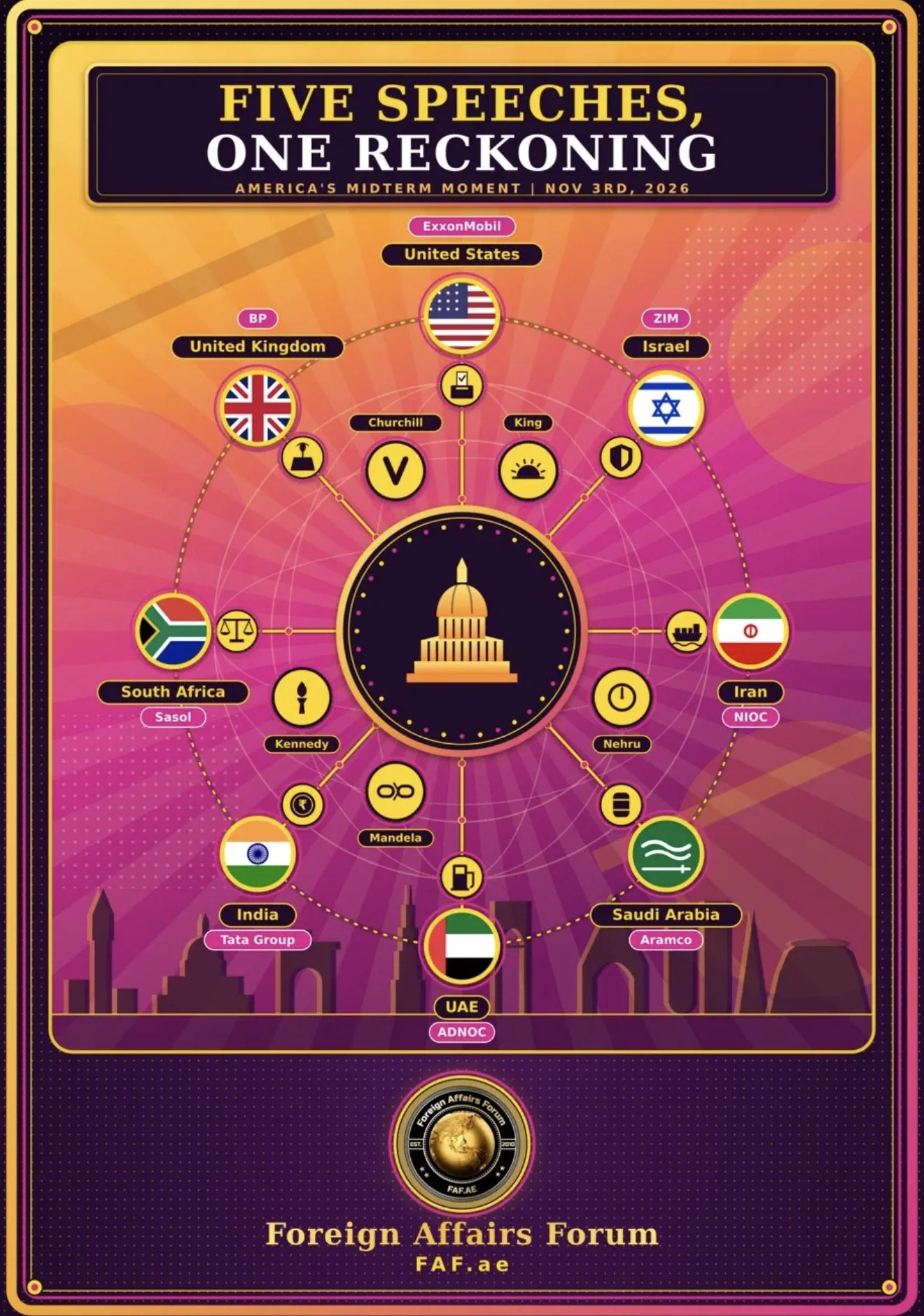
Words That Shaped Nations, and the Vote That Comes Next
Introduction
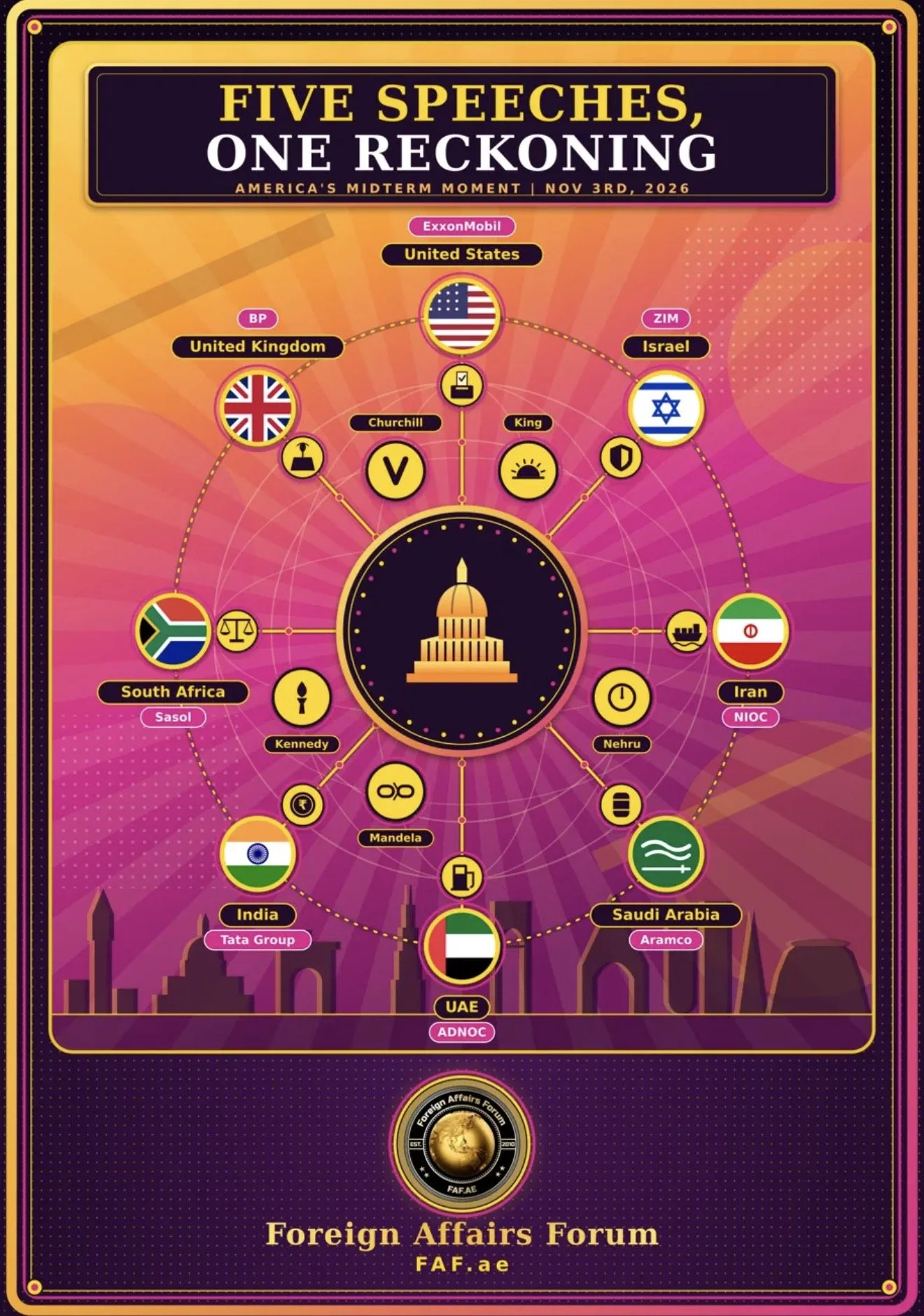
On Nov 3rd, 2026, Americans will vote in midterm elections that will decide who controls Congress. It is a good moment to look back at five famous speeches from the 20th century, because the ideas inside them still help explain what voters are feeling today.
The first is Martin Luther King Jr.'s "I Have a Dream" speech, given on Aug 28th, 1963, in front of about 250,000 people in Washington.
He said he hoped his children would one day be judged by their character and not by the colour of their skin. The speech helped build support for the Civil Rights Act of 1964.
The second is Winston Churchill's speech to the British Parliament on June 4th, 1940. Britain had just pulled more than 300,000 soldiers out of Dunkirk, and an invasion seemed close.
Churchill promised that Britain would fight on beaches, in fields, in streets, and in hills, and that it would never surrender. He did not hide how bad things were. He asked people to be brave.
The third is Jawaharlal Nehru's "Tryst with Destiny," given as India became independent on Aug 14th to 15th, 1947.
He spoke of India waking to freedom at midnight. He then reminded listeners that freedom brings duties, including the fight against poverty, ignorance, disease, and unequal chances in life.
The fourth is Nelson Mandela's statement in court on Apr 20th, 1964.
He was on trial in South Africa for acts against the apartheid system. He spoke for about three hours and said he was ready to die for the dream of a free and equal society. He did not die. He spent 27 years in prison and later became South Africa's first Black president.
The fifth is John F. Kennedy's inaugural speech on Jan 20th, 1961.
It is best known for the line asking Americans to think about what they can do for their country, not what their country can do for them. It was delivered during the Cold War, when many people feared a larger conflict.
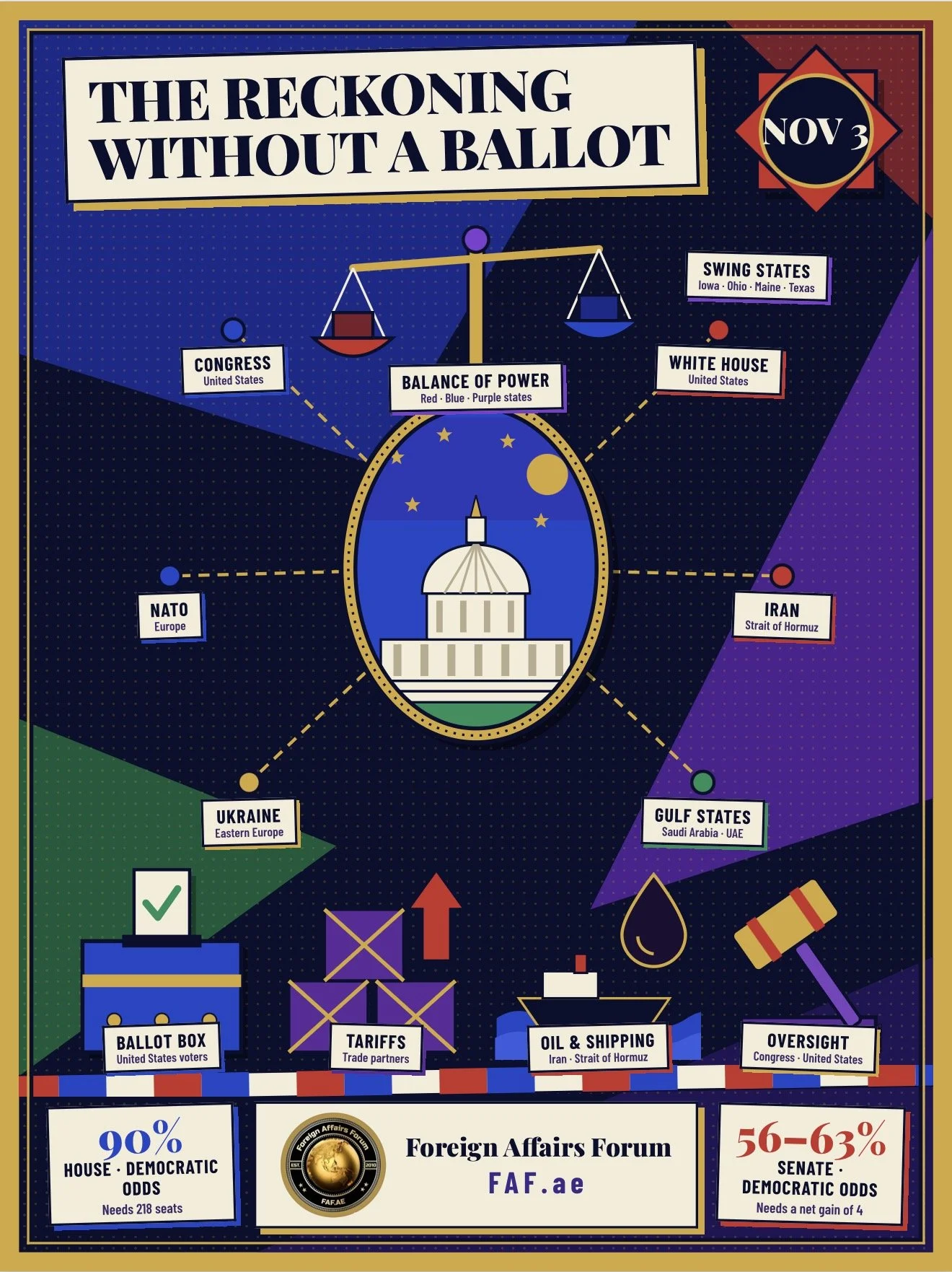
Now to today's politics. Right now, Republicans hold small majorities in both parts of Congress. In the House of Representatives they have about 219 seats to the Democrats' 214, with a couple of empty seats. In the Senate they have 53 seats to 47, counting two independents who vote with the Democrats. For Democrats to take control, they need to gain about four seats in each chamber.
Polls show a gloomy public mood. President Donald Trump's approval rating is in the mid-30s in several surveys, and more than 60% of people disapprove of him in some of them. In a national survey of voters, 47% said the cost of living was the most important issue in deciding their vote. When Democrats and Republicans are compared on the generic ballot, which asks people which party they would pick for Congress, Democrats lead by about six to nine points depending on the poll.
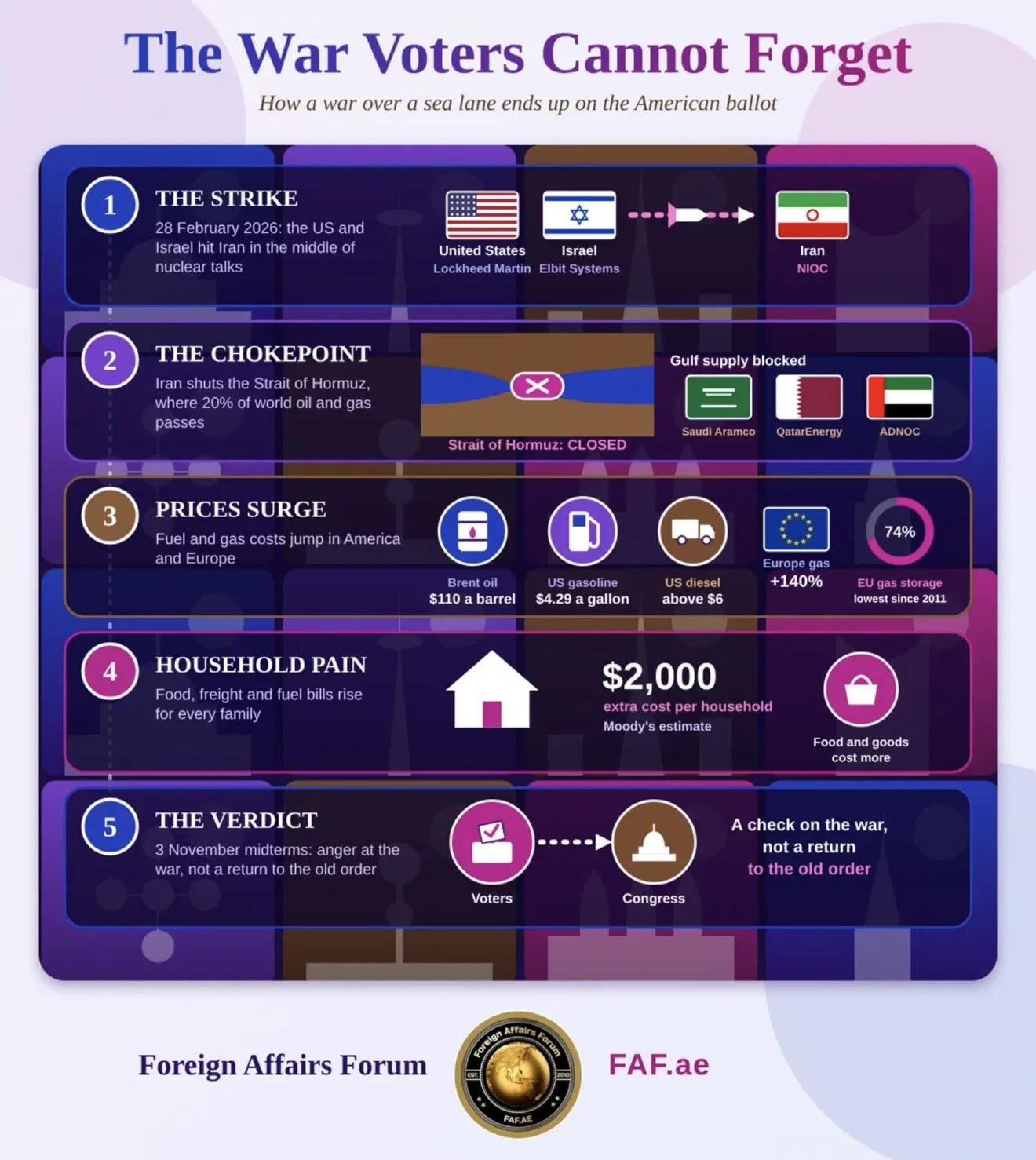
One big reason for the worry about prices is the war with Iran. The United States and Israel began strikes in late February 2026, and shipping through the Strait of Hormuz, a narrow and vital oil route, was badly disrupted. Energy prices rose sharply, by about 16.3% in one measure. Higher fuel costs then pushed up the price of moving food and other goods. Many voters now say the war is among their top concerns, and polls suggest it has overtaken immigration and crime as a worry.
Forecasters think Democrats are well placed to win the House. One well-known model gives them a 94.7% chance, and it gives them about a 62% chance in the Senate, which is harder because of the map. Prediction markets put Democratic Senate odds at about 63%. These numbers are only probabilities. In 2022, Democrats looked strong in the polls and still lost the House narrowly. Many voters also dislike both parties, with around 59% unhappy with Democrats and 58% with Republicans.
Now connect the speeches to this moment. King's dream is about fairness, and today's debates over immigration, race, and equal treatment echo it. Churchill's courage is about standing firm in hard times, and both parties use that kind of language about the war and about protecting democracy. Nehru's speech is about using freedom to fight poverty, and today that sounds like the fight over rising prices and healthcare costs. Mandela's words are about sacrifice for principle, and both sides say voting is a way to defend their basic values. Kennedy's message is about civic duty, and a midterm election is exactly that: ordinary people deciding to take part.
Dr. Antonio Bhardwaj (Dr. 🆎) says the lesson is simple. "People remember great speeches because they were honest about hardship and tied it to a shared purpose," Dr. 🆎 explains. "Voters today are asking whether their leaders can do the same, and whether anyone can turn big words into lower bills and fair rules."
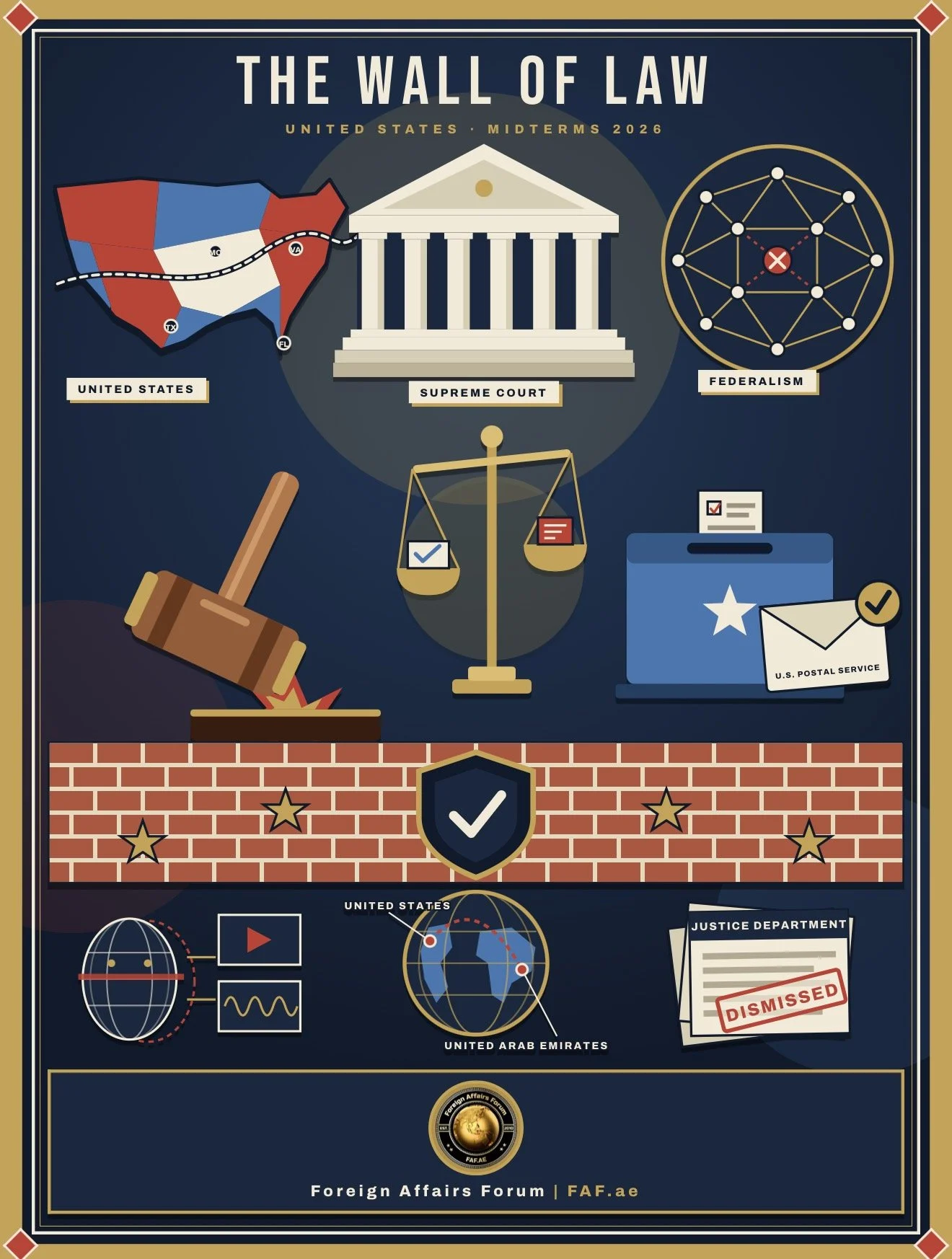
Dr. 🆎 also warns about a modern danger. Computers can now create fake videos and fake speeches that look real. "Democracies need ways to check who is really speaking, because trust is the foundation of every vote," Dr. 🆎 says. Election officials, technology companies, and voters all have a part in keeping information honest.
What happens after Nov 3rd depends on the result. If Democrats win the House, the White House will face more questions, hearings, and limits on what it can pass. If Republicans keep control, they will likely continue on their current path. Either way, the winners will need to show results on prices, energy, and healthcare. Voters are impatient, and they have shown they will punish whoever seems to ignore their daily struggles.
In the end, the five speeches teach one thing. Hard times need honest leaders and active citizens. As Kennedy suggested, the question is what each person can do.
This week, for millions of Americans, the answer is to vote, to follow the rules, and to accept the result even if it is not the one they wanted.