Veto or Deal? What Comes Next for Trump's Economy
A simple guide to how the midterm results will change American economic policy
What Happened
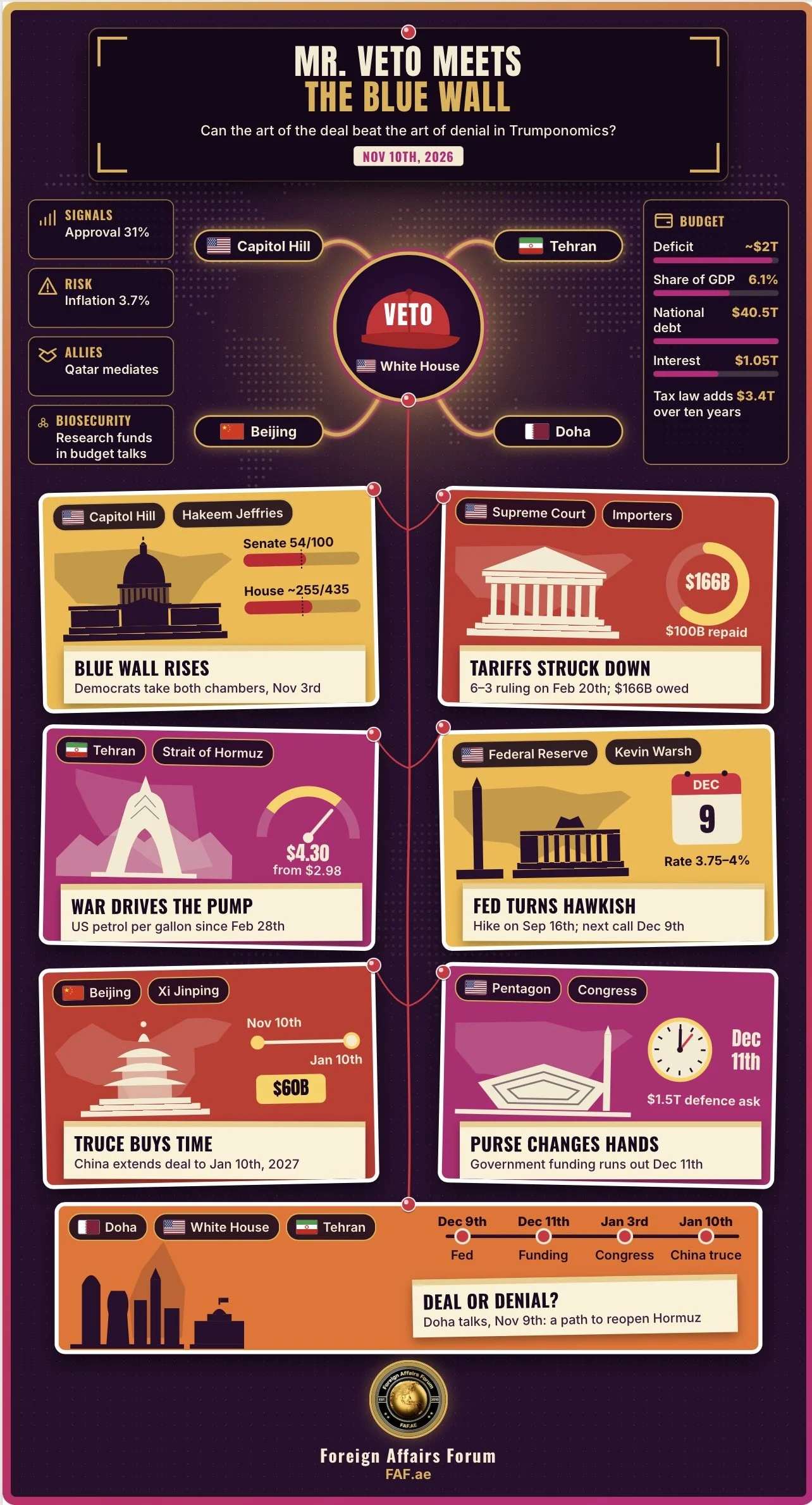
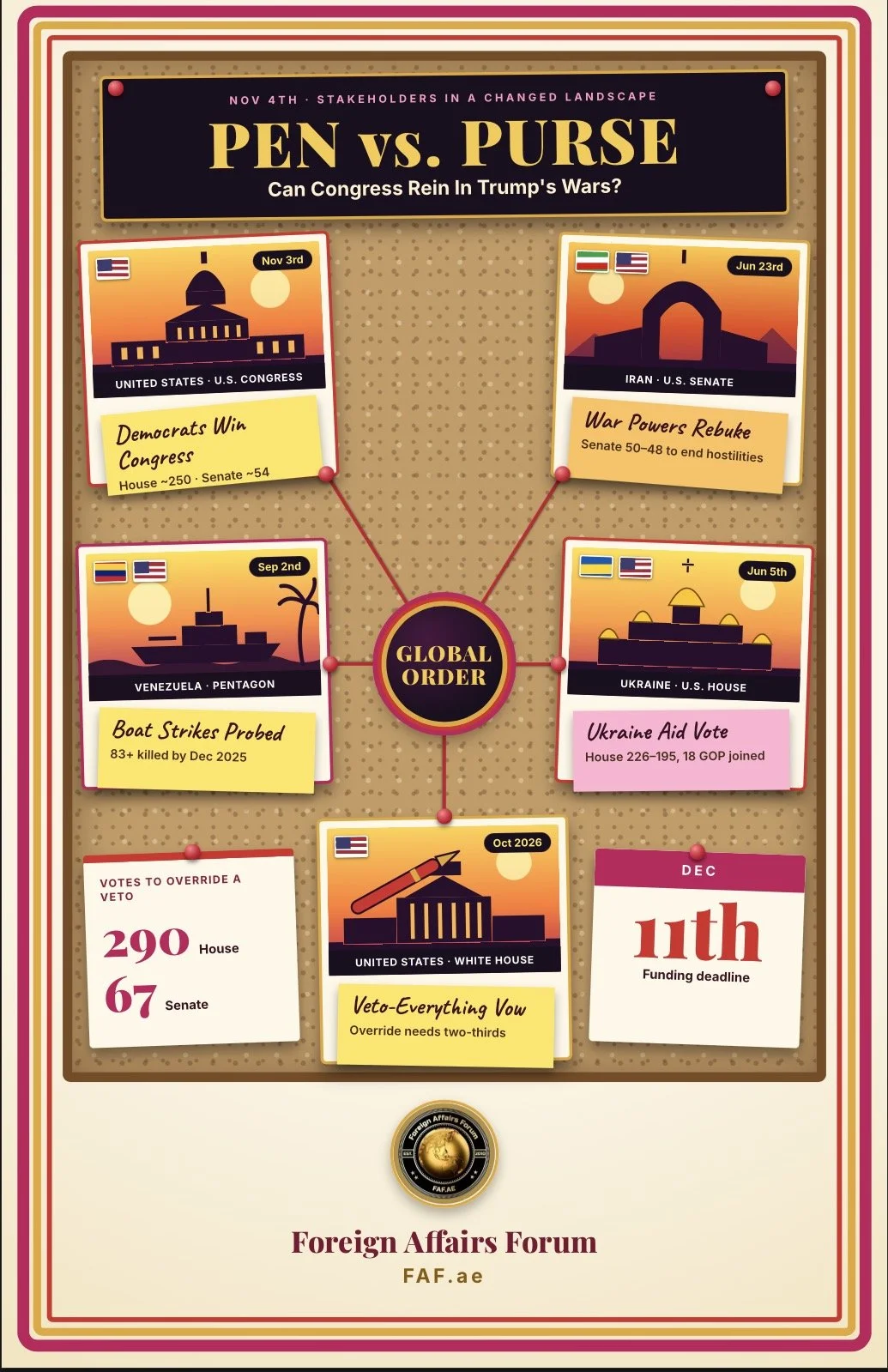
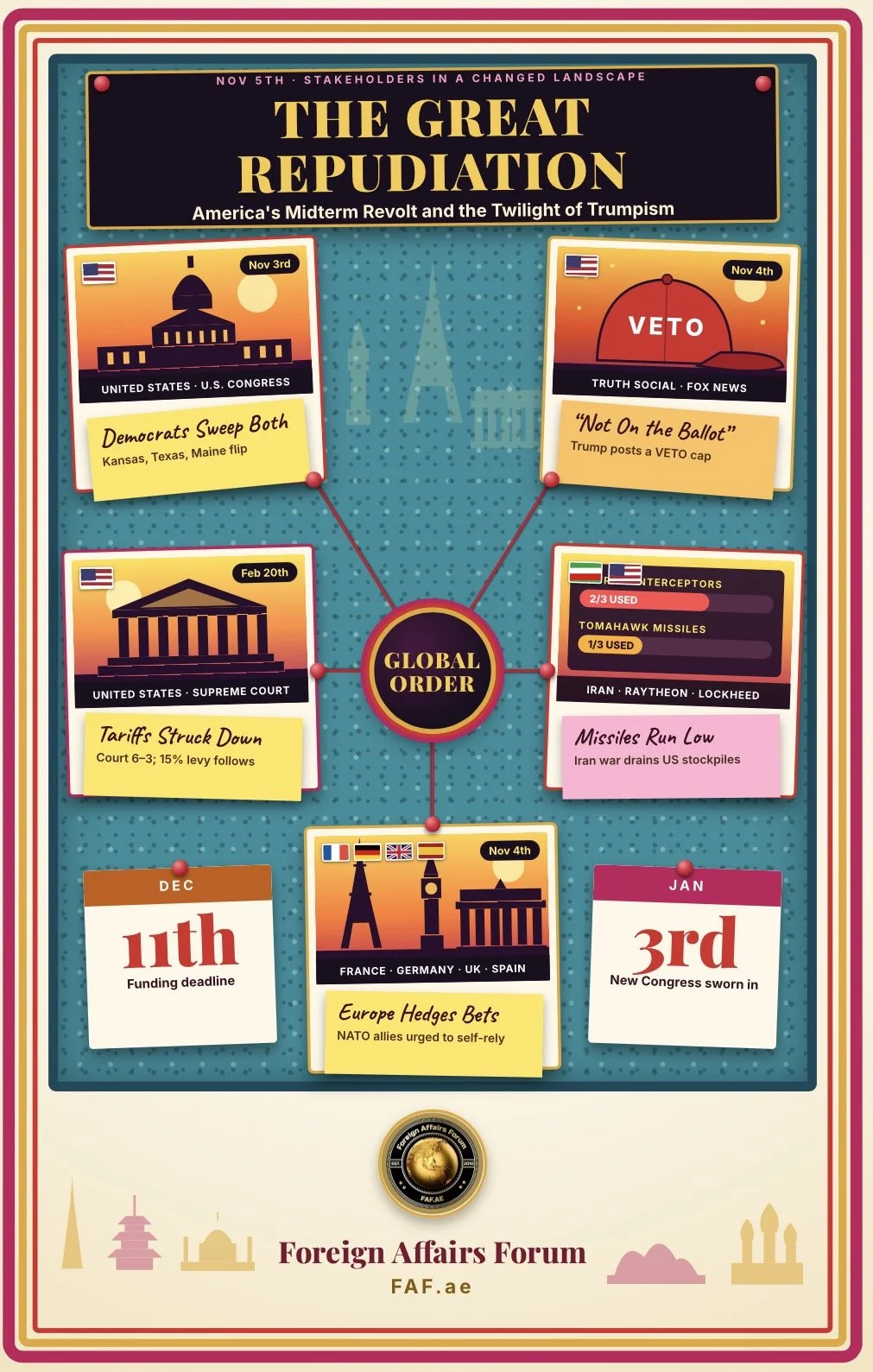
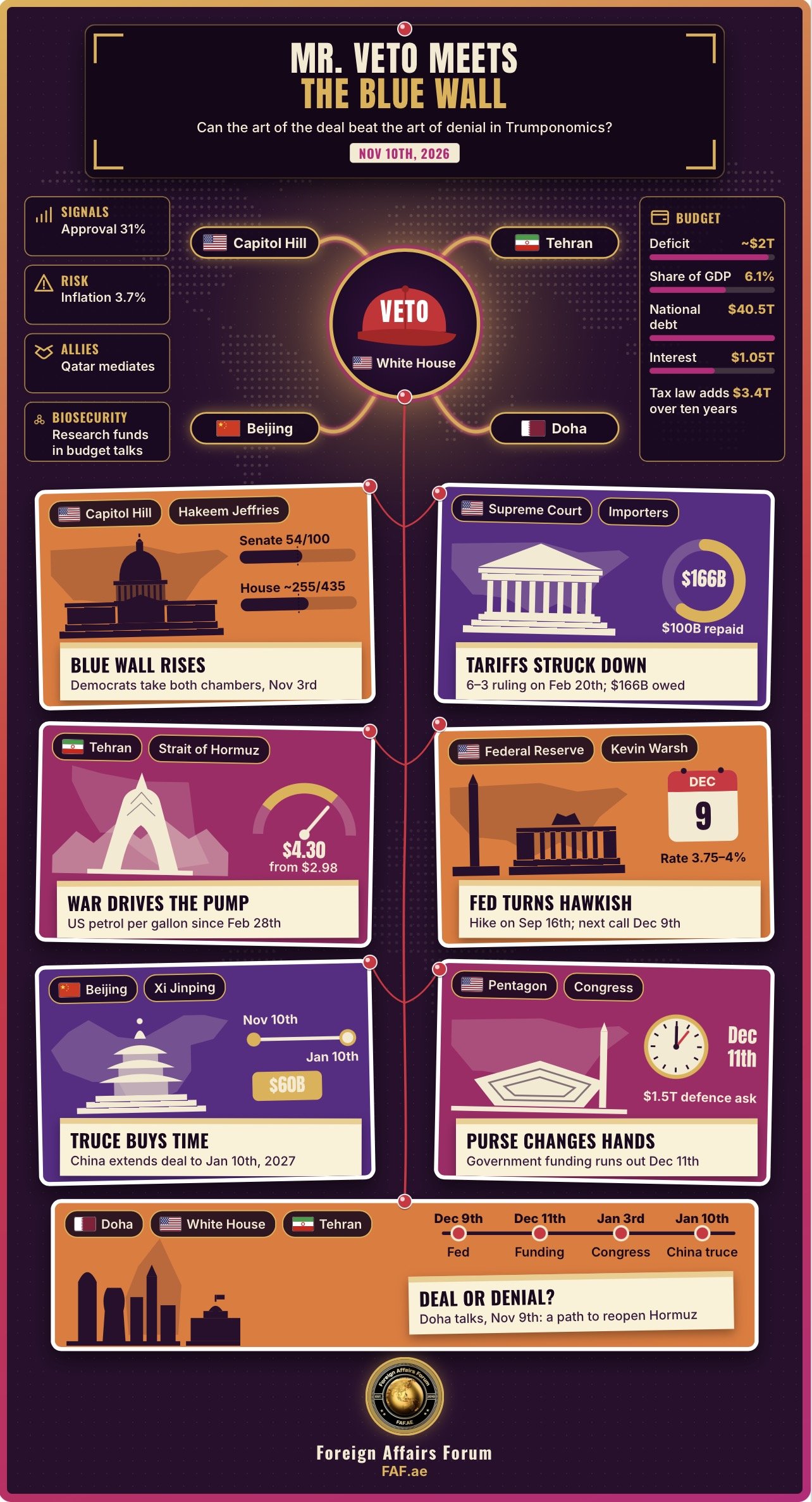
On Nov 3rd, 2026, Americans voted in the midterm elections, and Donald Trump's Republican Party lost badly. Democrats won control of both the House of Representatives and the Senate. They will have at least fifty-four of the one hundred Senate seats and about two hundred and fifty-five of the four hundred and thirty-five House seats. That is the biggest Democratic House majority since 2008. The new Congress begins work on Jan 3rd, 2027.
Soon after the results, President Trump posted a picture of his famous red cap. Instead of "MAGA", it said "VETO". A veto is the president's power to reject a law passed by Congress. Mr Trump was telling Democrats that he would block bills he did not like.
He also said something softer. He predicted that after a couple of months of vetoes, Democrats would call him and the two sides would work together. So which will it be: fighting or dealing? This FAF article explains what is likely to happen.
How the Last Two Years Worked
For his first two years back in office, Mr Trump had a friendly Congress controlled by his own party. It passed one big law, the One Big Beautiful Bill Act. That law cut taxes, mostly helping richer Americans, and cut spending on health care and food help for poorer families. Experts say it will add about $3.4 trillion to the national debt over ten years.
Most of Mr Trump's other big policies did not go through Congress at all. He used his own presidential powers to put tariffs (taxes on imported goods) on many countries, to deport migrants and to shrink government agencies.
In February 2026, the Supreme Court said many of those tariffs were illegal. The judges ruled six to three that an emergency law Mr Trump had used did not let him impose tariffs. The government now has to pay back about $166 billion to the companies that paid them. Ordinary shoppers, who paid higher prices, will not get that money back.
Mr Trump quickly found other legal ways to keep some tariffs. Today many imports face tariffs of 10% or 12.5%, and steel and aluminium face tariffs of 25% to 50%. These new tariffs rest on narrower laws that need official investigations first.
Why Republicans Lost
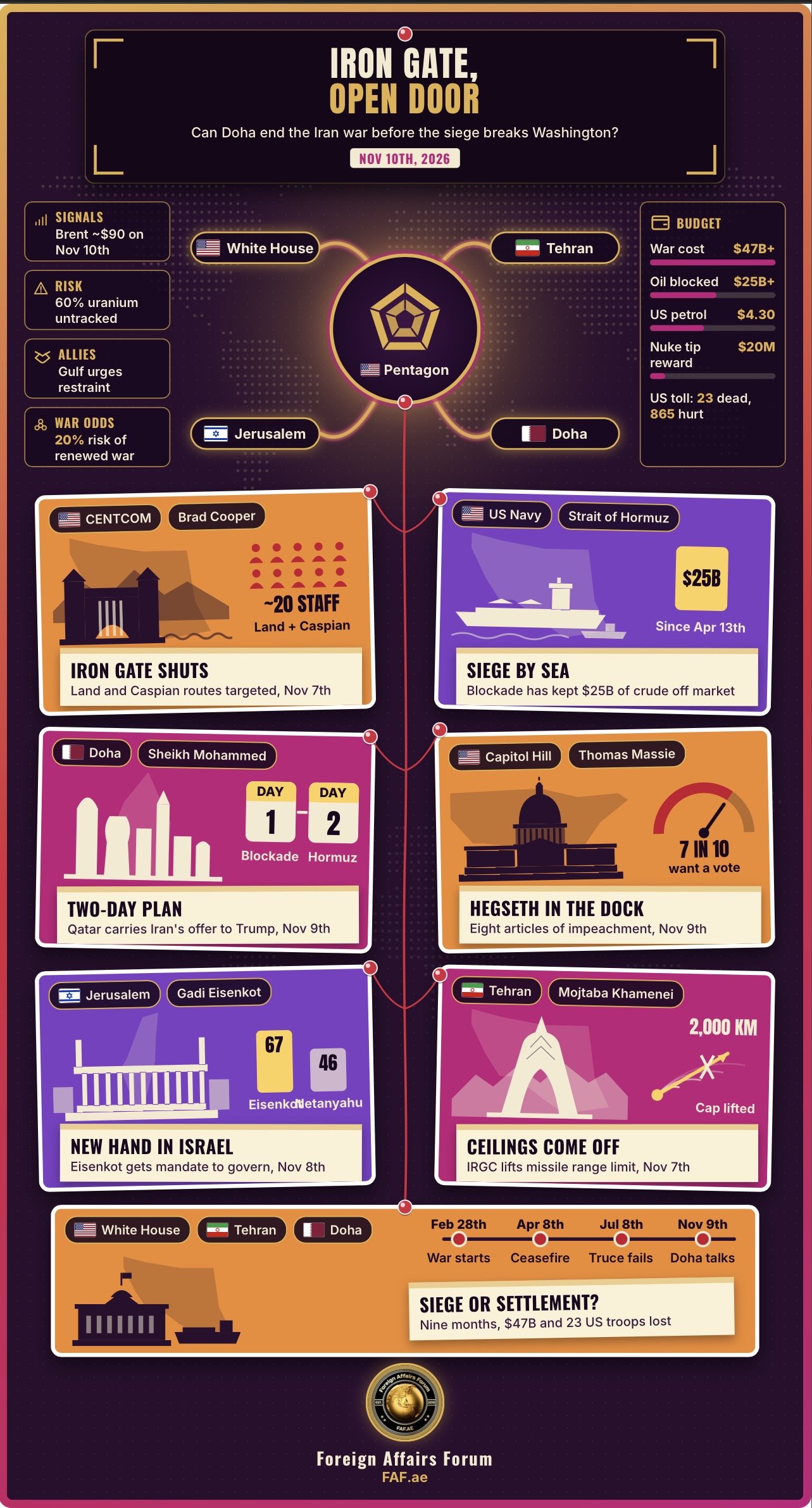
The simplest answer is prices. On Feb 28th, 2026, the United States and Israel went to war with Iran. Iran then blocked or attacked ships in the Strait of Hormuz, a narrow waterway that normally carries about a fifth of the world's oil. Oil prices shot up.
Before the war, petrol in America cost about $2.98 a gallon. By late October it was about $4.30. Diesel, used by the lorries that carry food and goods, rose by about two-thirds. One estimate says the war has cost each American household about $2,000.
Inflation, the speed at which prices rise, went from 2.4% in February to 3.7% in September. Wages grew only about 3.1%, so many families became poorer in real terms. The Federal Reserve, America's central bank, raised interest rates in September to fight inflation, which made mortgages and loans more expensive.
Some economic news was good. The economy grew at 3.4% in the summer, helped by huge spending on artificial intelligence and data centres. Unemployment was low at 4.1%. But people judge the economy by their shopping bills, not by official growth figures. Before the election, Mr Trump's approval rating fell to about 31%, the lowest of his career.
Dr. 🆎 explains it simply: "Voters did not vote against an idea. They voted against a bill. When petrol, food and housing all cost more, people notice, whatever the growth numbers say."
What a Veto Can and Cannot Do
The veto is a strong tool. To override it, Congress needs two-thirds of the votes in both the House and the Senate, and Democrats do not have that many seats. So Mr Trump can stop Democratic bills he dislikes.
But a veto can only say no. It cannot pass a budget, pay for the war, raise the government's borrowing limit or approve the president's chosen judges and officials. For all of those, Mr Trump now needs Democrats.
The first test is close. Government funding runs out on Dec 11th. Leaders in both parties expect a short-term deal to keep the government open until about March. After that, Democrats will write the spending plans, and Mr Trump will have to negotiate if he wants his priorities, such as about $1.5 trillion for defence, to be paid for.
Dr. 🆎 puts it this way: "A veto is like a brake. It can stop a car, but it cannot steer it. To get anywhere, you need to agree on the direction."
What Democrats Want
Democrats won mainly by promising to make life more affordable. Their leaders say they will try to lower the cost of groceries, housing and petrol, bring back health care help that was cut, undo Medicaid and food-aid cuts, remove Mr Trump's tariffs and end the war with Iran.
Senator Elizabeth Warren dared the president to follow through on his threat: "If Donald Trump wants to be Mr. Veto, let's test that out." Some Democrats want to pass popular bills and make Mr Trump veto them, so voters see who is blocking help.
Democrats also have their own reasons to make deals. Many new Democratic members come from areas that voted for Mr Trump in 2024. Those voters want results, not endless fights. If prices stay high in 2027, voters may blame Congress as well as the president.
Where Deals Are Possible
There are several areas where both sides could agree.
Health costs are the first. Mr Trump has often criticised drug companies and has backed lower medicine prices. A deal that lowers drug prices and restores some health insurance help could win wide support.
Student loans are another. Mr Trump has said he might support a cap on interest rates for federal student loans. That is something Democrats also want.
Energy is a third. America needs more power lines and power plants, partly because AI data centres use huge amounts of electricity. A bill to speed up approvals for energy projects is already waiting in the Senate.
Dr. 🆎 believes this could become a major shared project: "If towns that host AI data centres get cheaper power, local jobs and new tax income, then the AI boom becomes something people support instead of something they fight."
Trade with China is a fourth. The two countries have a trade truce that now lasts until Jan 10th, 2027. After Chinese President Xi Jinping visited Washington in September, both sides proposed cutting tariffs on about $60 billion of goods, including American farm products. Mr Trump and Mr Xi are expected to meet again this month. A clear trade deal would help American farmers and calm prices.
The Biggest Deal of All: Iran
The most important deal may be with Iran rather than with Democrats. The war is the main reason petrol and prices went up. On Nov 9th, after meeting Qatar's prime minister, who is helping with talks, Mr Trump said more attacks on Iran would not be needed. Iran says it could reopen the Strait of Hormuz within two days if the United States accepts its conditions, including ending its naval blockade of Iranian ports.
If a peace deal reopens the Strait, oil prices should fall, and that would help American families more than any law Congress could pass. A deal backed by both parties in Congress would also be stronger and last longer.
Dr. 🆎 sees the whole picture as connected: "Washington is really negotiating one big package. Peace in the Gulf lowers energy prices. A deal with China protects the supply chains for chips and minerals. A budget deal at home calms the markets. Each part makes the others easier."
The Risks
Things could still go wrong. Some Democrats want to impeach Mr Trump, which could poison relations. Mr Trump has said recent Supreme Court decisions gave him "tremendous powers", and he may use more executive orders to go around Congress. There are also worries about pressure on the Federal Reserve, which is meant to stay independent from politics.
The money problems are serious too. The government's yearly deficit is close to $2 trillion, and the national debt is above $40.5 trillion. Interest payments on that debt now cost more than $1 trillion a year. These numbers limit what either side can promise.
Dr. 🆎 also warns about the cost of standing still: "In the race for advanced AI, time matters most. If Washington spends two years in deadlock, rivals who can decide faster will gain ground."
What to Watch Next
There are a few key dates ahead. The government funding deadline is Dec 11th. The Federal Reserve meets on Dec 9th and may raise interest rates again. The new Congress starts on Jan 3rd, 2027. The China trade truce ends on Jan 10th, 2027. Any progress on Iran could come at any moment.
Beyond that, the 2028 presidential race will shape everyone's choices. Republicans such as Vice President JD Vance will want to run on achievements, not on two years of vetoes. Democrats will want to show they can govern, not only oppose.
Conclusion
Donald Trump made his name as a dealmaker. His VETO cap shows he is ready to fight, but his own words show he also expects to bargain.
The pressure of high prices, an expensive war, rising interest rates and a large debt makes deals more likely than many people think.
Dr. 🆎 sums it up: "The voters have sent a clear message. The real question now is whether Washington listens and makes deals, or digs in and refuses."
If the art of the deal wins, the next two years could bring lower drug costs, cheaper energy, calmer trade and perhaps peace in the Gulf. If the art of denial wins, Americans may face two more years of high prices and political fighting.