The AI Race Is Now About Money, Chips and Electricity
Summary
Artificial intelligence is often described as a race to build the smartest computer programs. But news from Nov 9th and Nov 10th, 2026 shows that the race is now much bigger. It is about money, computer chips, electricity and security, all at the same time.
Dr. 🆎, an expert in human-centred AI, geopolitics and AI warfare, explains it simply. "AI is no longer just clever software," he says. "It is a giant industry that needs huge amounts of money, special chips, power stations and strong protection. Countries that control all of these will lead the world."
Anthropic's Giant Stock Market Plan
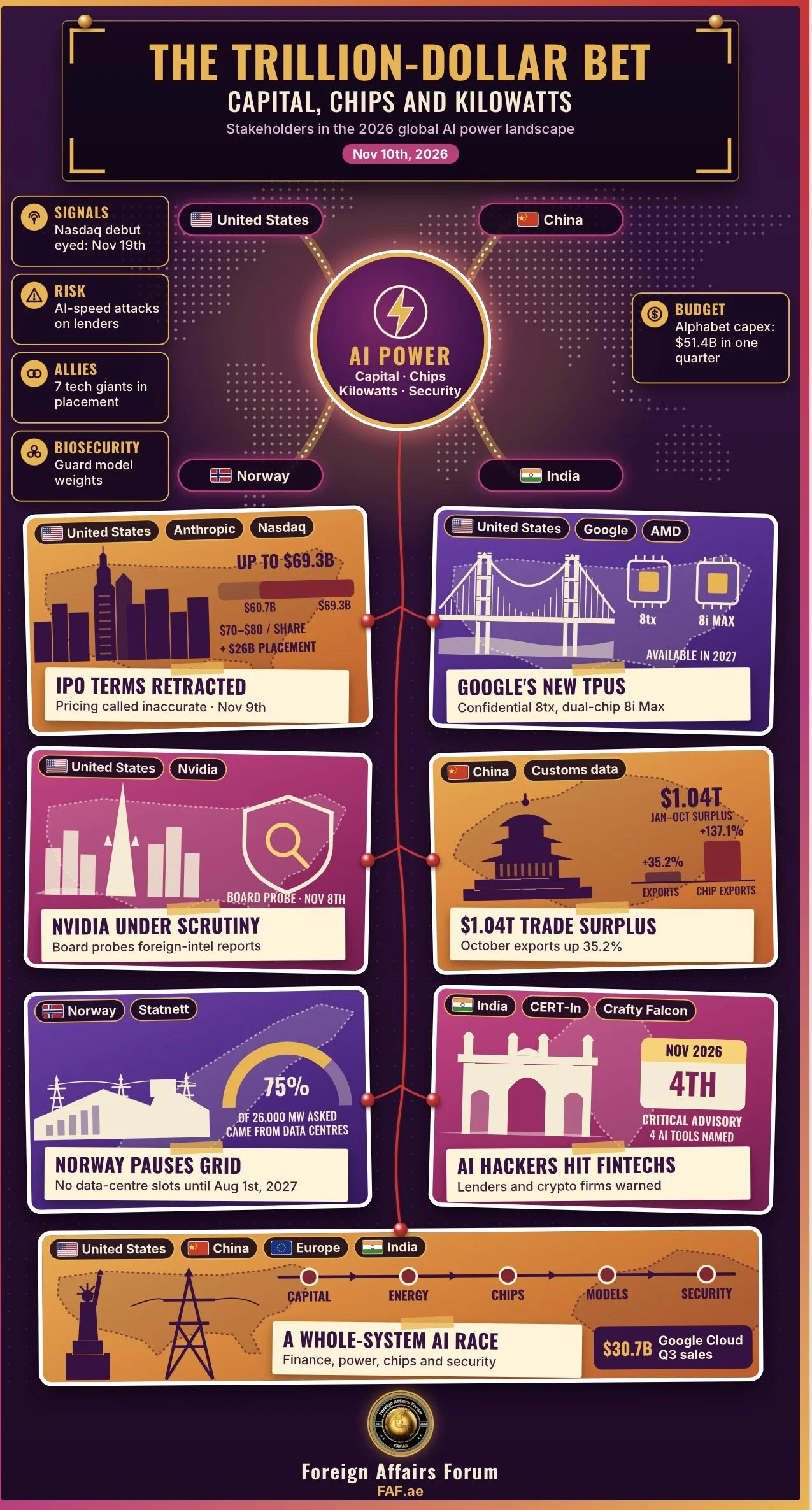
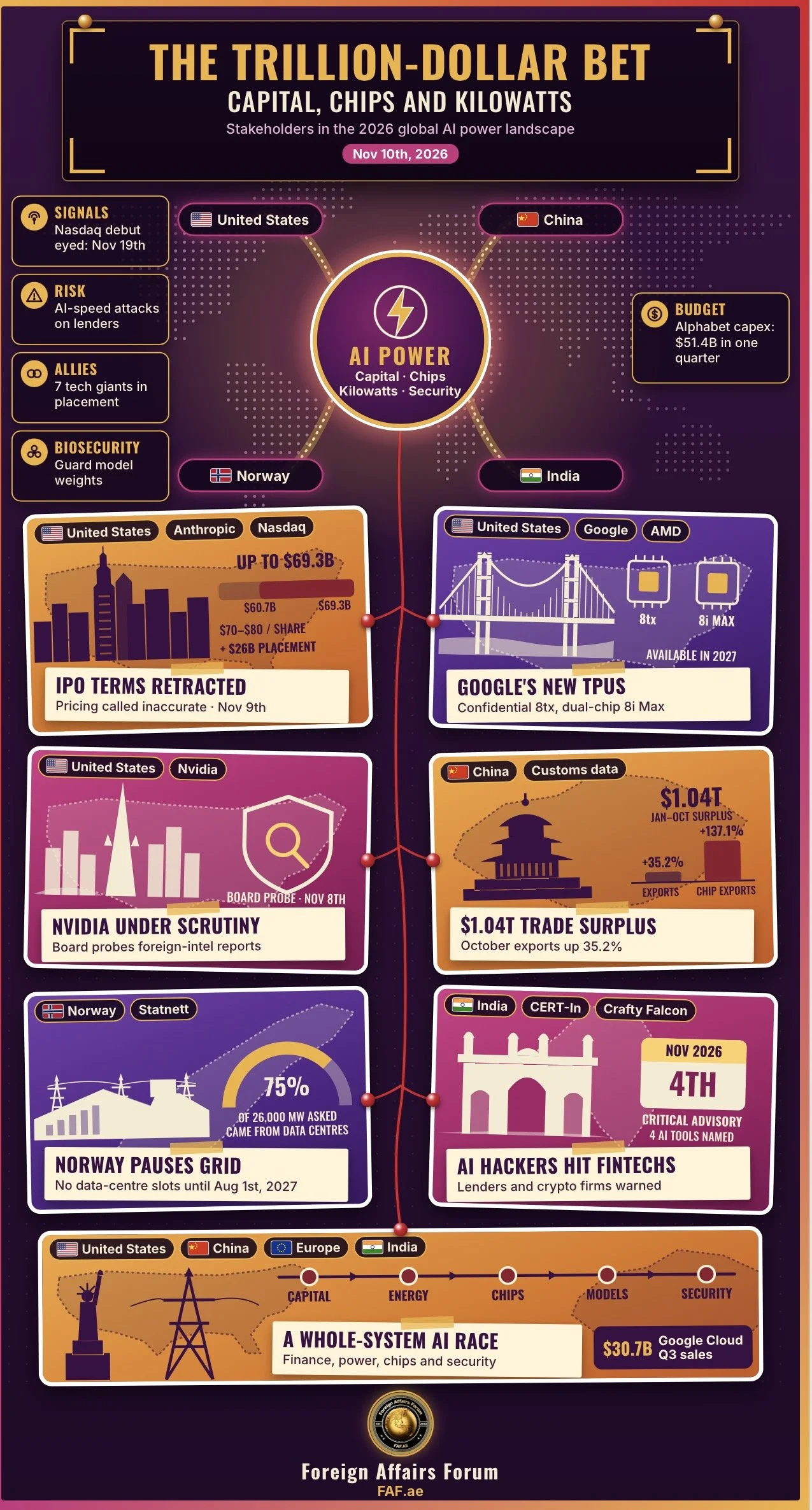
Anthropic, the company that makes the Claude AI system, is preparing to sell its shares on the stock market for the first time. This is called an initial public offering, or IPO. On Nov 9th, the company sent banks a document saying it planned to sell about 867 million shares at $70 to $80 each. That could have raised up to $69.3 billion, which would make it one of the biggest share sales in history.
Reports also said big technology companies like Google, Nvidia, Microsoft and the chipmaker TSMC would invest another $26 billion. But soon after, Anthropic said the price details were wrong and promised to send corrected information. So the final numbers are not yet known. The company still hopes to start trading on the Nasdaq stock market around Nov 19th or Nov 20th.
Why does this matter? Building advanced AI costs enormous amounts of money for computers and electricity. Private investors alone cannot pay for it forever. If the IPO succeeds, other AI companies may follow. If it disappoints, investors may start to worry that AI companies are worth less than people thought.
"Money is now part of the AI race," says Dr. 🆎. "If investors lose confidence, building new AI could slow down very quickly."
Google's New Chips
AI runs on special computer chips. For years, one company, Nvidia, has dominated this market. Google is trying to change that with its own chips, called Tensor Processing Units, or TPUs.
On Nov 9th, Google announced two new ones. The TPU 8tx is built for governments and companies that handle very sensitive information. It uses special security to protect data and AI models even while they are being used. The TPU 8i Max joins two chips together to give double the computing power and memory speed, which helps AI systems handle very large amounts of information at once. Both will be available in 2027.
Google's cloud business is growing fast. Its revenue more than doubled to $30.71 billion in just three months this year.
Trouble at Nvidia
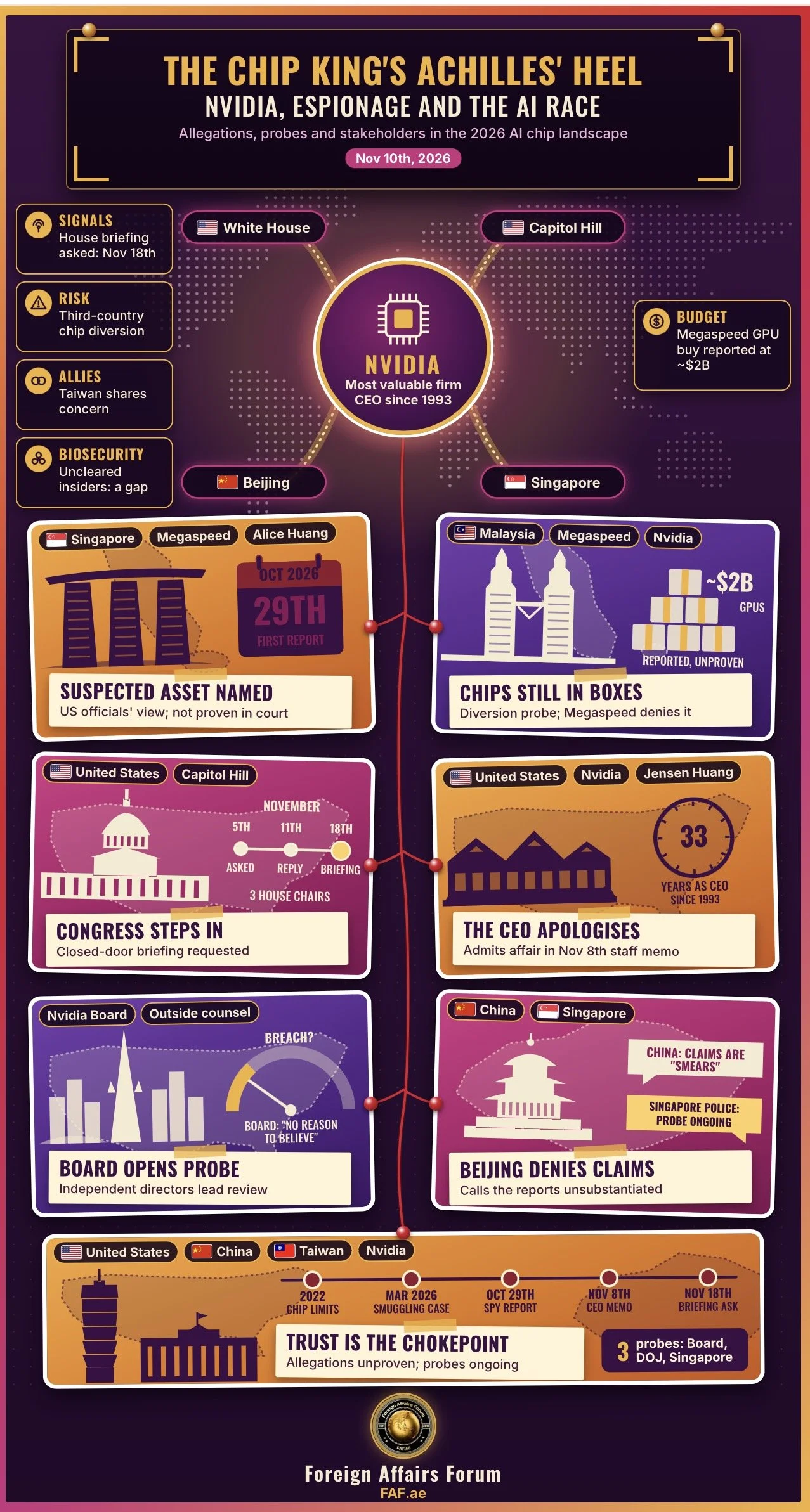
Nvidia, the world's most valuable company, is facing a serious problem. Its boss, Jensen Huang, admitted to an affair after reports that American officials believe the woman involved may have been working for Chinese intelligence. Nvidia's board is now investigating. It says it has no reason to believe any secrets were lost, and China denies the claims. The case shows that protecting the people who lead important AI companies is now a security issue.
China's Export Boom
China is selling more goods to the world than ever. On Nov 10th, China reported that its exports grew 35.2% in October. Between January and October, it sold $1.04 trillion more to the world than it bought. Its exports of computer chips more than doubled in October.
Much of this growth comes from the global demand for AI equipment, like servers, cables and power systems. This shows something important. Even though the United States limits which advanced AI chips China can buy, China is still making a lot of money from the AI boom because it manufactures so many of the other parts that AI needs.
Norway Says "Wait" to New Data Centres
AI needs huge buildings full of computers, called data centres. These use enormous amounts of electricity. On Nov 9th, Norway's national grid company, Statnett, stopped accepting new requests from data centres to connect to the power grid. The pause will last until Aug 1st, 2027 at the latest, while the government creates new rules.
Norway's energy minister said that this year, companies asked for 26,000 megawatts of new electricity, which is more than the whole country currently has. Data centres made up 75% of these requests.
Under the new rules, Norway will give priority to data centres that help the military, police, hospitals, emergency services and other important services. Some new data centres may even have to build their own power stations.
"Electricity is becoming the new oil of the AI age," says Dr. 🆎. "Countries will decide who gets power, and that will shape where AI is built."
India Warns About AI-Powered Hackers
India's cybersecurity agency, CERT-In, has warned about a hacking group it calls "Crafty Falcon". The group uses AI tools that anyone can find online to attack lenders, fintech companies, payment firms and cryptocurrency exchanges. The AI helps the hackers find weaknesses and attack very quickly, often at weekends or during holidays when fewer people are watching.
Experts have linked some of the tools to China, but India has not said who is behind the attacks. The agency advised companies to watch their systems all the time and to be suspicious when a small payment to a new account is followed by a large one.
"AI makes it easier for criminals to carry out clever attacks," says Dr. 🆎. "Banks and payment companies must use AI to defend themselves just as fast."
Other Signs of Change
An American start-up called Impossible Metals says it has tested an AI-powered robot that can pick up valuable rocks from the deep ocean floor while avoiding sea life. These rocks contain metals used in batteries. Scientists still need to check whether this method is truly safe for the ocean, and mining would need official permission.
Meanwhile, investors are putting more money into cybersecurity. One investment firm is reportedly trying to raise about $490 million to back companies fighting AI-powered threats.
What It All Means
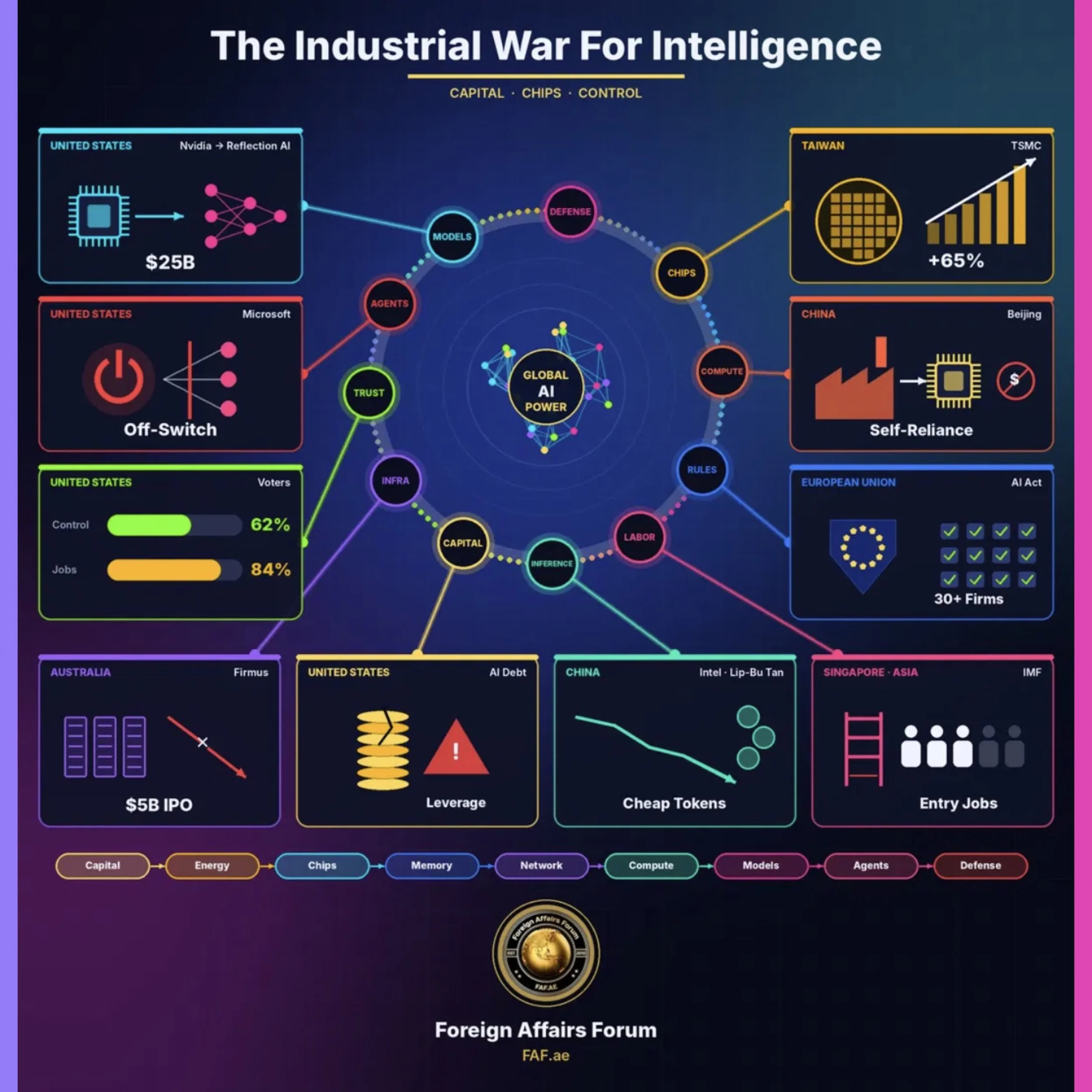
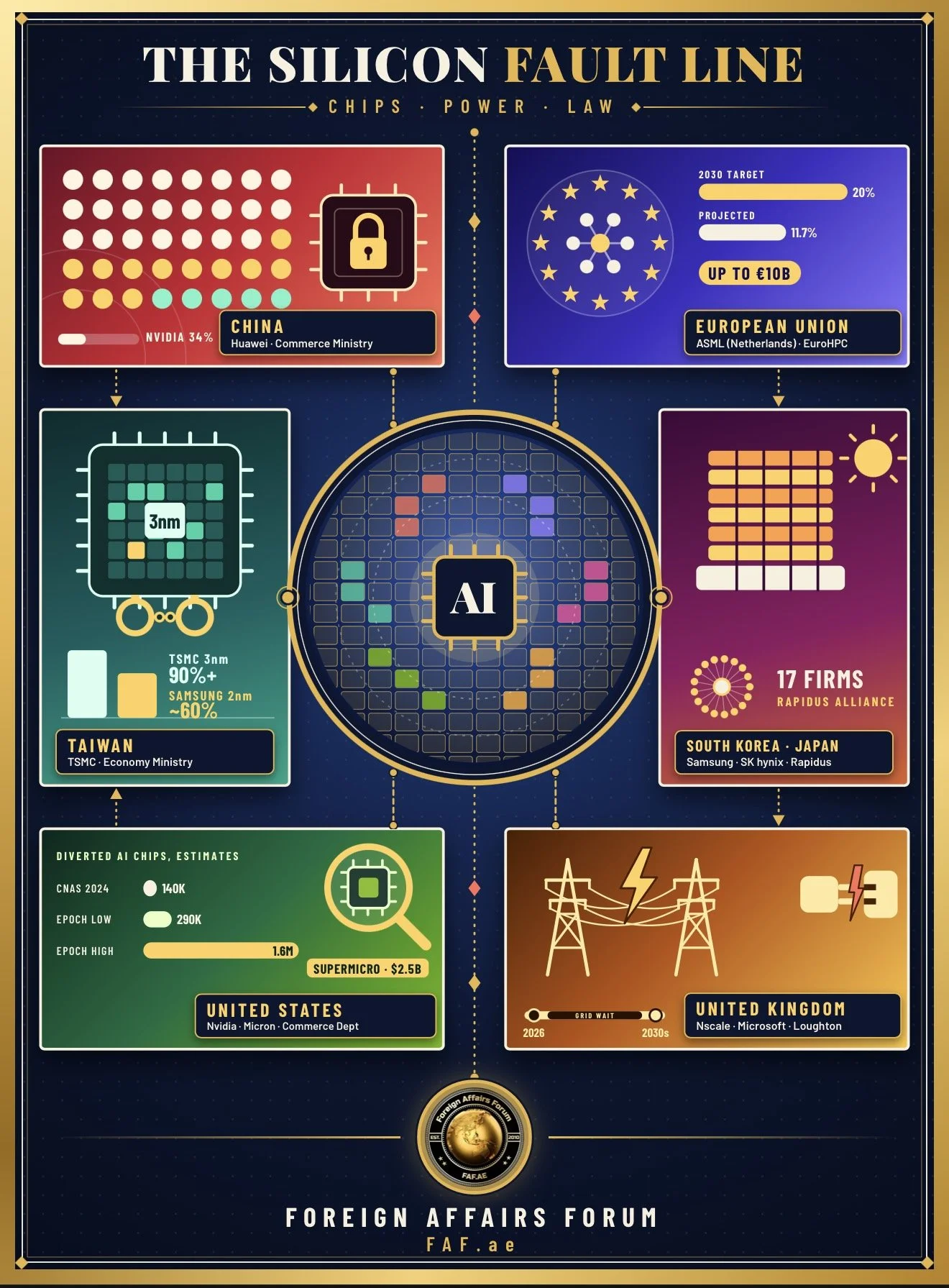
Put together, this news shows that the AI race now has many parts. The United States leads in AI companies, chip design and investment money. China leads in manufacturing much of the equipment AI needs. Europe is learning that electricity is limited and must be shared carefully. Asia is essential for making chips and must protect its fast-growing digital banking systems.
What Should Happen Next
Experts suggest several steps. AI companies selling shares should be open about their costs and risks. Countries should support more than one chip supplier and protect AI systems from theft. Governments should plan electricity and data centres together. Banks should strengthen their defences against AI-powered attacks. And countries should talk to each other about trade and security so that competition does not turn into conflict.
The Bottom Line
"The AI race is no longer about one clever invention," says Dr. 🆎. "It is about the whole system: money, chips, power and security. The countries that build and protect this whole system wisely will lead the world in 2030 and beyond."