Israel's Wars Have Weakened Its Enemies, but They Cannot Go On Forever
Introduction
Israel has just held an election that did not produce a winner.
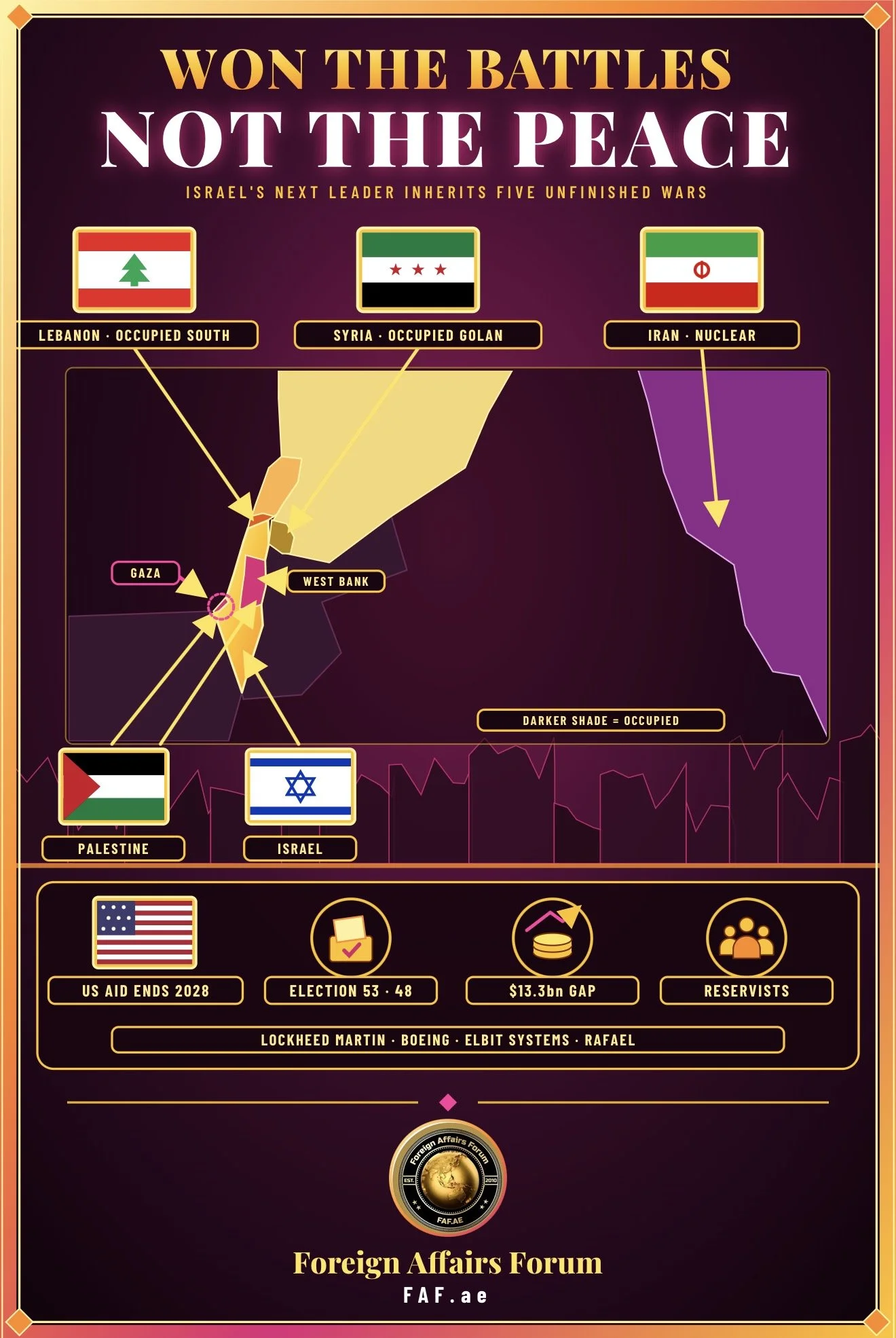
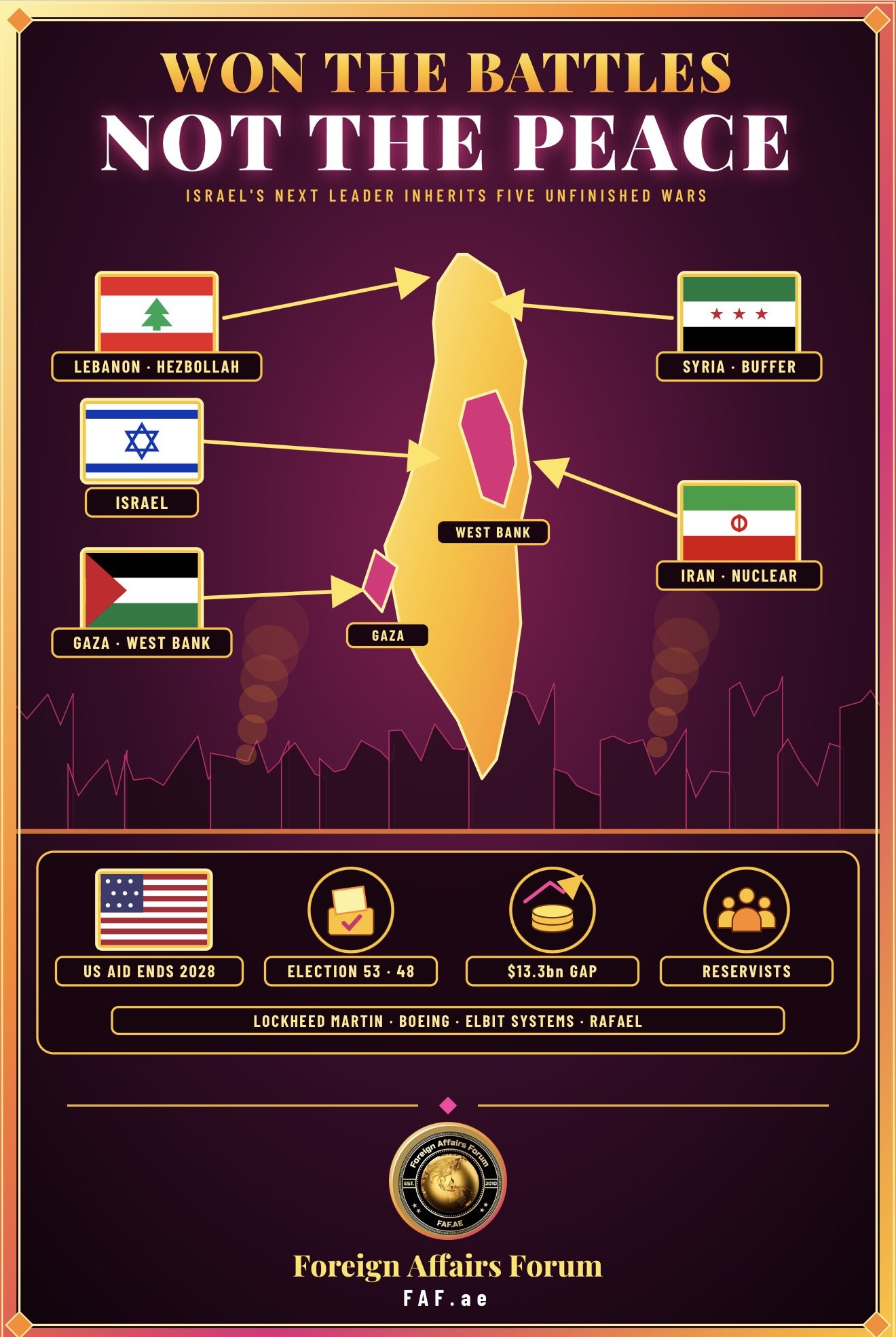
Prime Minister Benjamin Netanyahu's bloc won 53 seats and the opposition led by former army chief Gadi Eisenkot won 48, while Arab-led parties took 19.
Parliament has 120 seats, so a government needs 61.
Neither side has that number, and both have said they will not work with the parties that could give it to them.
The final results are expected around November 4, and then the hard bargaining begins.
Whoever wins will face the same problems.
Since the Hamas attack of October 7, 2023, which killed almost 1,200 Israelis, Israel has fought on many fronts. It broke Hamas as an army, badly weakened Hezbollah in Lebanon, and struck Iran in 2025 and again in 2026, the second time together with the United States. These were big military successes. Israeli leaders say they have made the country safer, and many Israelis agree that its enemies are weaker than they were.
But winning battles has not ended the wars.
Israel now holds a large part of Gaza, a strip of southern Lebanon and ground inside Syria.
The idea is simple: keep the enemy far from Israeli homes so that another October 7 cannot happen.
The problem is that holding land takes soldiers, money and time. It also makes the borders longer and harder to defend, and it gives Israel's critics a strong argument that the country is staying where it should not.
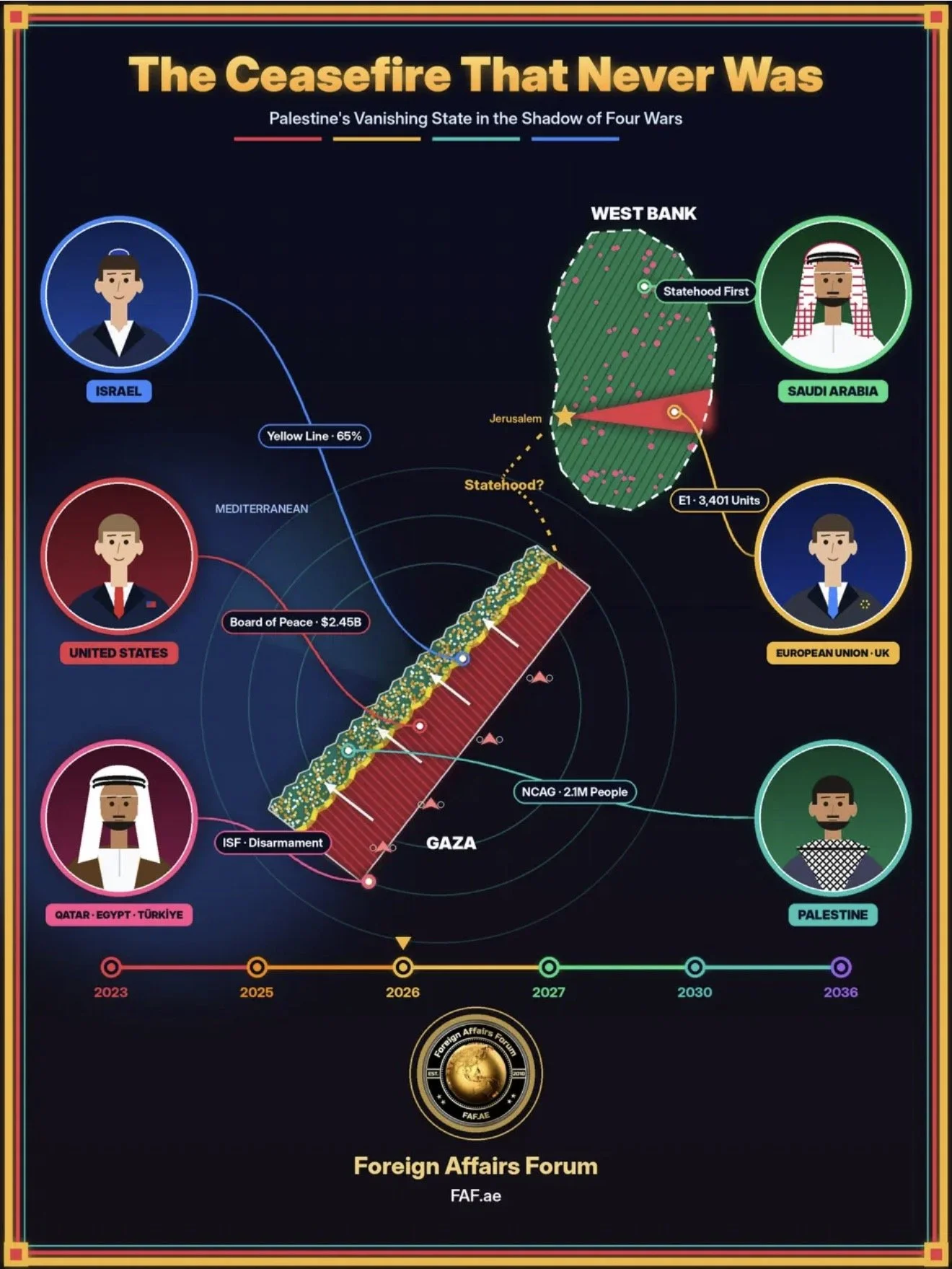
Gaza is the clearest example. A ceasefire began on October 10, 2025, but Israel controls about 60% of the territory.
A boundary called the Yellow Line has moved deeper into the Strip, and Israel's army chief has called it a new border.
More than 1,400 Palestinians have been killed since the ceasefire began.
Hamas says it will hand over weapons only if the attacks stop, and Israel says it will not move on until Hamas disarms.
No international force has arrived to help, and rebuilding has barely started.
Lebanon is stuck in a similar circle.
A new war with Hezbollah began in March 2026.
The United States helped set up a plan in which Lebanese soldiers would take control of the south, armed groups would give up their weapons, and Israel would slowly pull back. But Hezbollah refuses to disarm while Israeli troops are there, and Israel says it will stay as long as Hezbollah has weapons.
Talks continue, and so do Israeli strikes. The defense minister has said Israel will not leave the zone it holds.
Iran is the biggest worry.
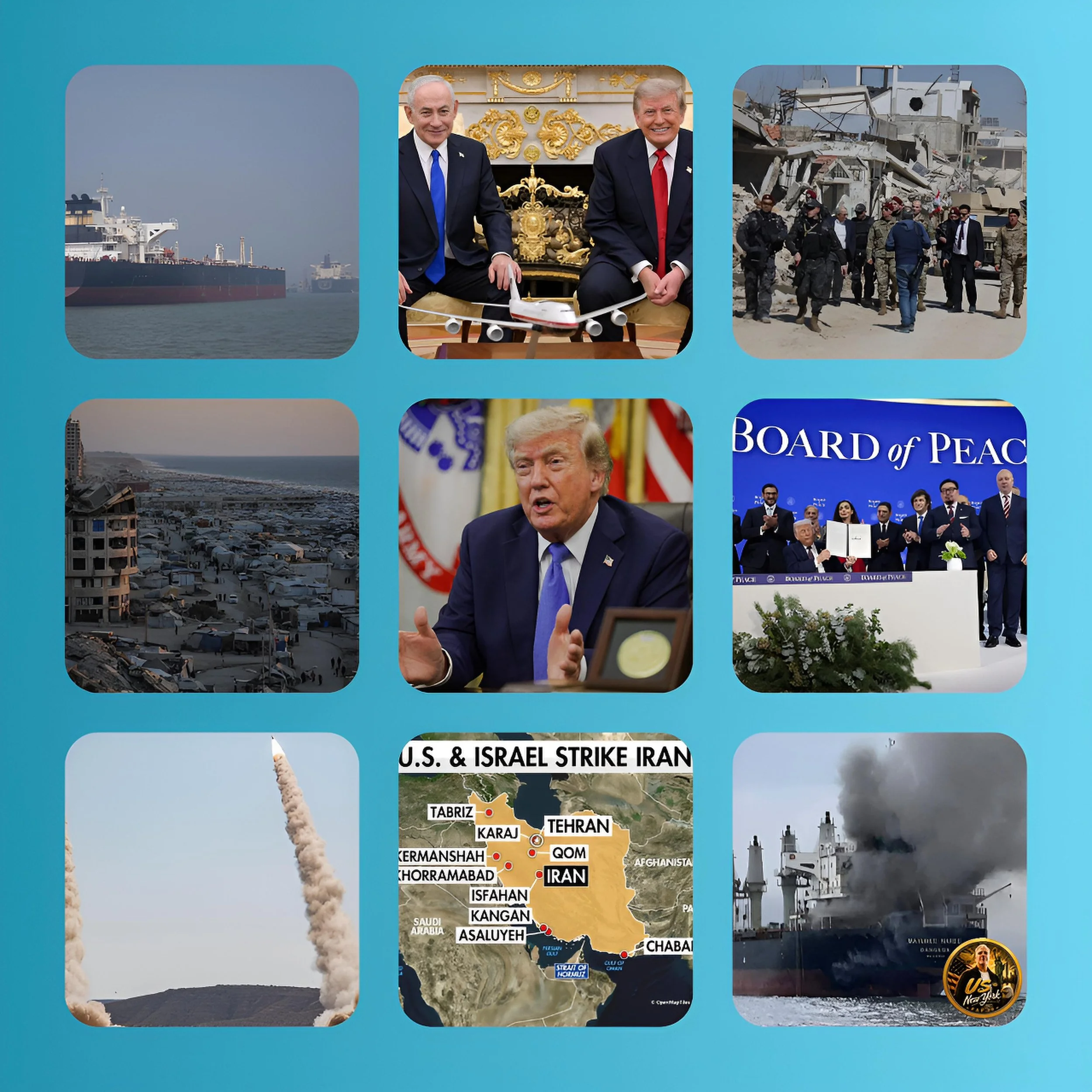
The United States and Israel attacked Iranian sites on February 28, 2026, and a shaky ceasefire followed in April. Since then there has been a tense standoff over the Strait of Hormuz, where about a fifth of the world's oil and gas passes, and over Iran's stock of enriched uranium.
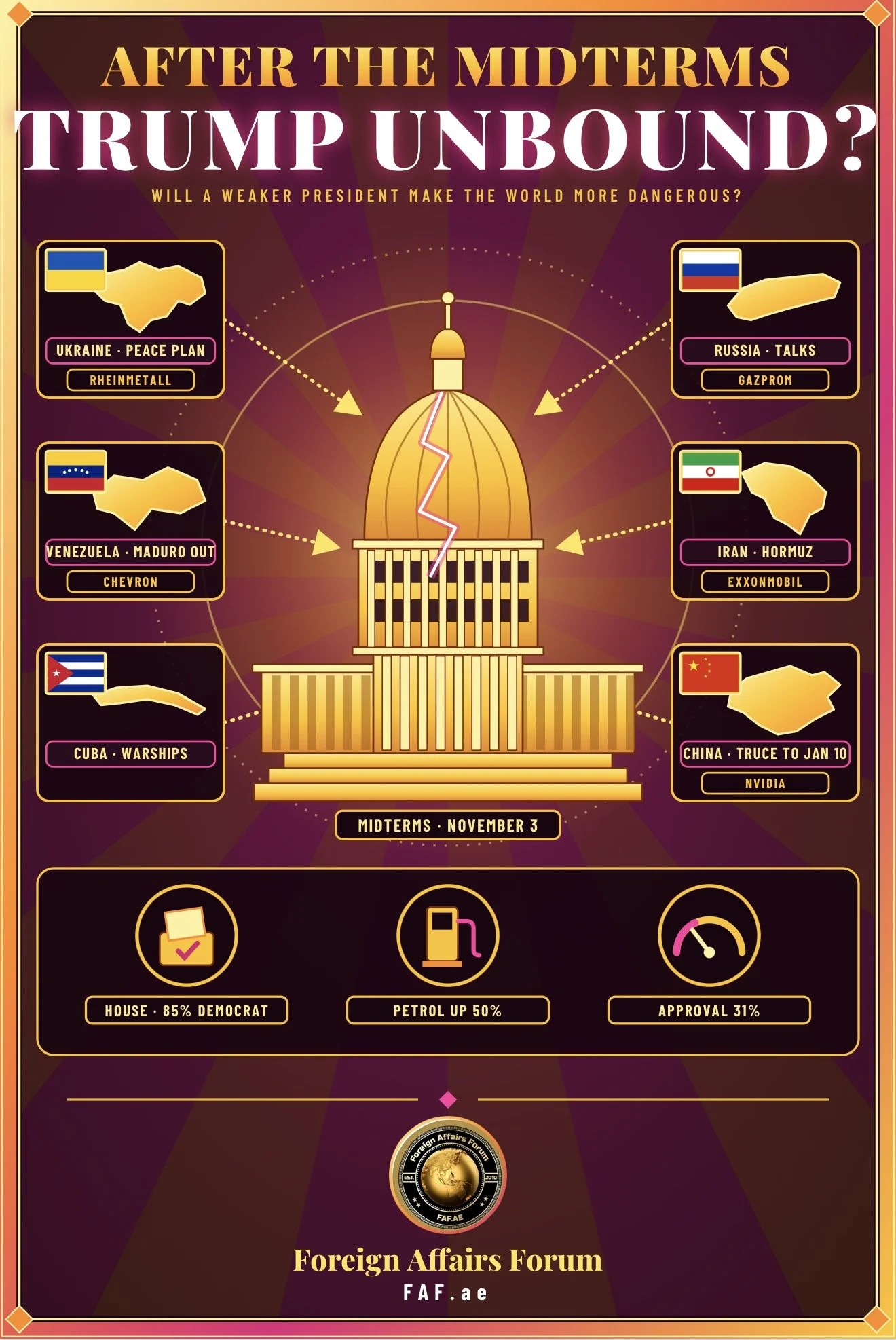
Reports say Netanyahu wanted to strike again in early October but President Donald Trump said no until after the American midterm elections on November 3. Some reports say a new American offensive could follow.
There is also a money and people problem.
The army asked for about $13.3 billion more this year and got about $5 billion.
Compulsory service is due to be cut from 32 months to 30 on January 1, which means more pressure on reservists, the ordinary citizens who leave their jobs to serve.
The American deal that gives Israel about $3.8 billion a year in military aid ends in 2028, and both sides have talked about phasing it out.
Israel plans to spend about $50 billion over ten years to make more of its own weapons.
Dr. 🆎, an expert on artificial intelligence, war and security, says technology makes the problem sharper. Cheap drones and rockets can force Israel to use very expensive missiles to stop them, and that exchange cannot last. AI will make such weapons easier to build and use, and it may one day make even more dangerous tools available to smaller groups. Dr. 🆎 argues that Israel needs cheaper defenses and clear human control over its most powerful systems.
All of these problems are connected. Iran has said it will reopen Hormuz only if the fighting stops on every front, including Lebanon. That means Lebanon, Gaza and Iran are now part of one big negotiation. Israel would prefer to deal with each one separately, but that is getting harder.
A softer line in one place could help talks in another, while a harsh move in one place could wreck diplomacy elsewhere.
So what should the next leader do?
First, decide what Israel actually wants and write it down, including when it will leave each zone it holds.
Second, build the widest government possible, because hard decisions need broad support.
Third, plan any move on Iran together with Washington, not ahead of it.
Fourth, test the Lebanon plan in a small area and show that disarmament can be matched by withdrawal.
Fifth, link weapons handovers in Gaza to Israeli pullbacks and more aid.
Money matters as well. Israel will have to spend more on its own industry and share military service more fairly across society, so that the same families are not asked to carry the burden again and again. It will also need to explain to its own people and to the world how and when its occupation of border zones will end.
Allies listen to their voters, and Arab governments will not pay to rebuild Gaza while the Israeli army has no stated plan to leave.
Dr. 🆎 believes the central point is simple. Israel has shown it can hit its enemies almost anywhere. It has not yet shown it can turn that power into agreements that last. Strong deterrence fades if it is not backed by political deals, and soldiers cannot guard a long border forever. The country's strength is real, but strength alone has not brought peace.
The next prime minister will take office at a hard moment. Decisions on Iran, Lebanon, Gaza and American aid are all coming together, and delay has a cost.
Each extra month in the buffer zones wears out soldiers, empties budgets and lowers Israel's standing abroad.
If the new government can set clear goals and work with partners, Israel may finally turn its battlefield gains into security. If not, its wars may keep going long after the fighting has been won.