De-MAGAfied: Why American Bosses Are Switching Sides Before the Midterms
Foreign Affairs Forum | Dr. Antonio Bhardwaj (Dr. 🆎)
Why This Story Matters
For many years, big American companies followed a simple rule in politics.
They tried to stay friendly with both major parties, the Republicans and the Democrats.
They knew that power changes hands. A party that wins today may lose tomorrow. So smart business leaders gave money to both sides, hired advisers from both sides and avoided picking a team.
In the last two years, many of those leaders broke that rule.
When Donald Trump returned to the White House in 2025, they saw a chance to get things they had wanted for a long time, such as company mergers, lower regulation and exemptions from tariffs.
The quickest way to get them, many believed, was to show loyalty to the president.
Now, with the midterm elections ending on November 3, many of those same companies are trying to repair relations with the Democrats.
This FAF article explains how that happened and why it matters. Dr. Antonio Bhardwaj (Dr. 🆎), an expert in artificial intelligence, global strategy, modern warfare and biological threats, helps explain the larger lessons.
How Business and Politics Grew Together
Money and politics have been tied together in America for well over a century.
In the late 1800s, rich business owners openly paid for election campaigns. Later, laws tried to limit this.
In 1907, companies were banned from giving money directly to candidates. But new ways of giving appeared, such as political action committees, which let companies collect donations from their staff and pass them on.
In the 1970s, business leaders felt threatened by new rules on pollution, workers and consumers, so they organised.
Groups such as the Business Roundtable grew strong.
For decades, companies gave to both parties, because both could help or hurt them.
In 2010, the Supreme Court decided that companies could spend more freely on political messages, which made money even more important.
During Trump's first term, from 2017, many bosses were uneasy. After the violence in Charlottesville, several company leaders quit his advisory councils.
After the attack on the Capitol in 2021, some firms paused donations to politicians who had challenged the election result. But most of those pauses faded.
What Changed in 2025
When Trump returned to power, the mood was different.
The new administration made it clear that it rewarded friends and punished critics. It could decide whether a merger went ahead, whether a company paid higher tariffs, who won government contracts and even whether the government should buy a share in a business.
Companies responded.
Many gave huge sums to the president's inauguration.
Some law firms, universities and media groups made deals with the administration after being pressured.
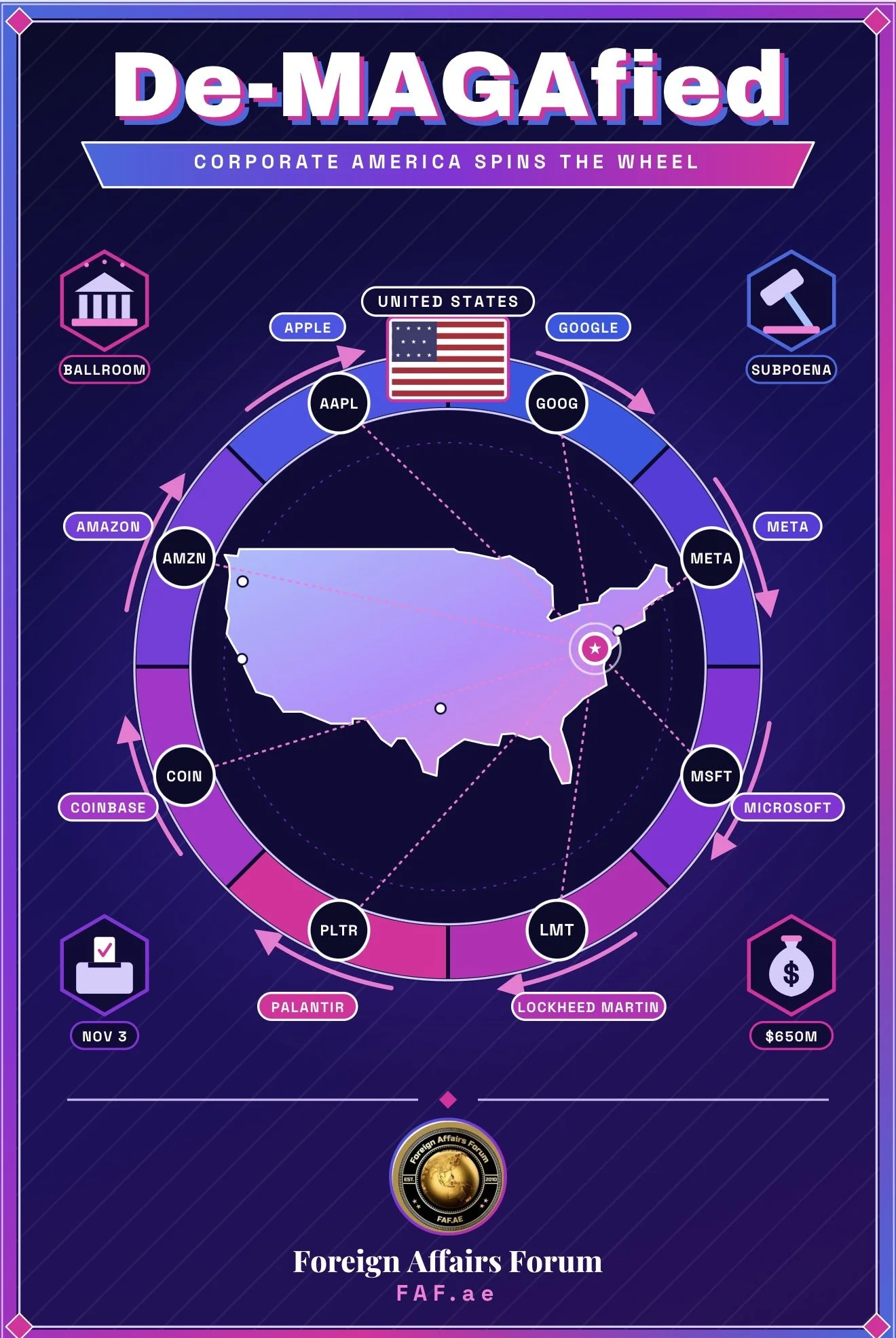
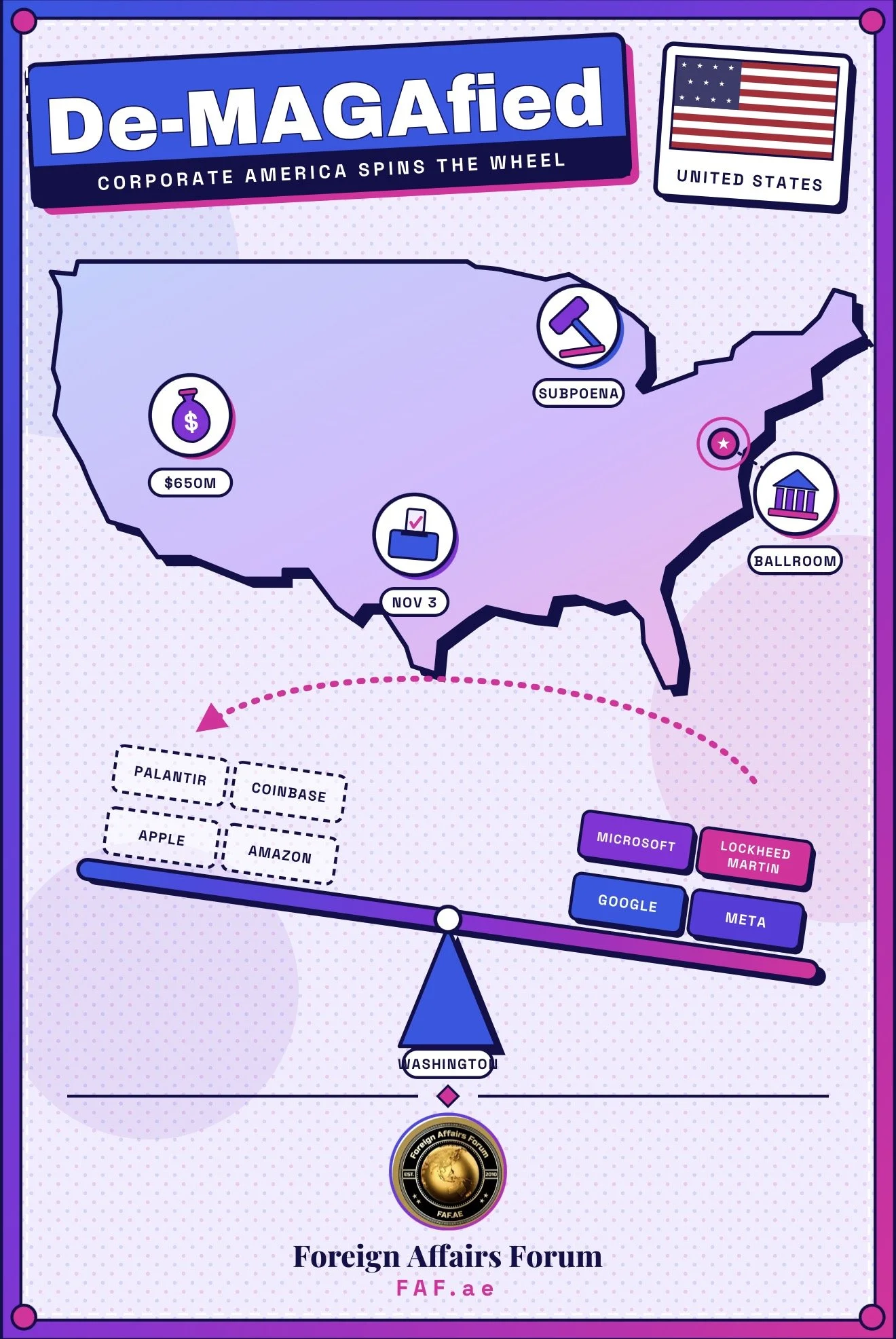
Many firms dropped diversity programmes. And a number of large companies gave money for a big new ballroom at the White House.
Watchdog groups say many of those donors also received large government contracts, worth tens of billions of dollars by some counts. The donors say the gifts were generous and unrelated to any favours. Critics see a trade of money for access.
One lobbyist, Reggie Babin, said companies saw a window of opportunity and used it. The cost, as many observers noted, included their dignity.
Why the Mood Is Changing Now
Several things have shifted.
First, the president has become less popular.
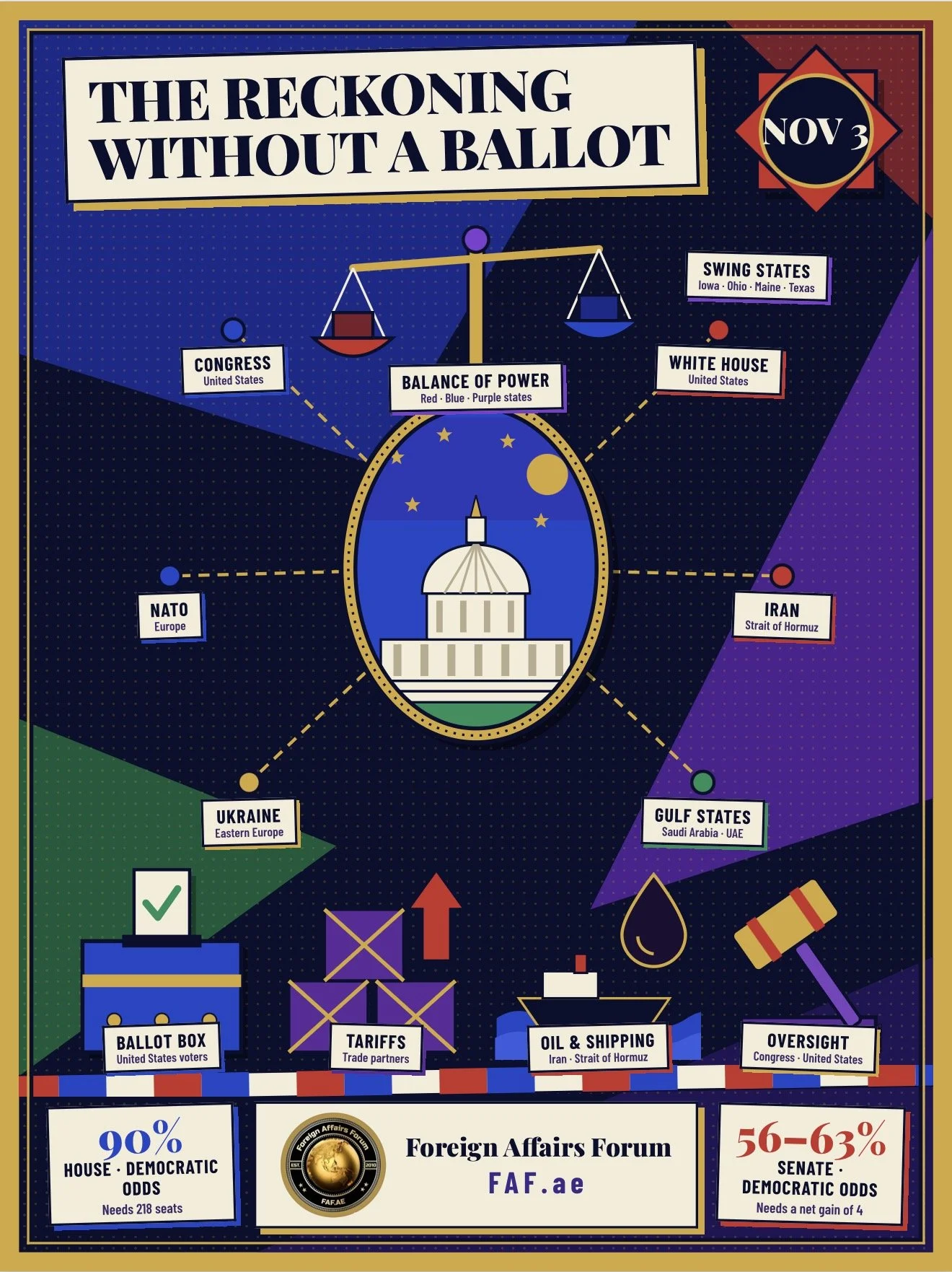
Higher fuel prices, a war with Iran, worries about tariffs and the cost of living have hurt Republicans.
Forecasts now suggest Democrats have a strong chance of winning the House of Representatives, and a real chance in the Senate.
Second, a Democratic majority would have the power to demand documents and call witnesses.
Democrats have already shown interest in studying the ballroom gifts, the deals around mergers, tariff exemptions and government contracts.
Companies that were close to the administration now worry they are in the spotlight. One news report described this as having a bullseye on your back.
Third, money is moving. Companies are expected to spend about $650 million on the 2026 elections, a record for a midterm year.
A growing share is going to Democrats.
Firms are hiring Democratic lobbyists and former officials, and rebuilding ties through business groups that work with both parties. Some are quietly softening earlier public positions on issues such as diversity and climate.
A Tricky Balancing Act
The change is not simple.
Many Democratic candidates promised not to accept money from corporate committees. Their voters are angry about big business influence. But campaigns cost a lot, and money still finds a way through other channels, such as leadership funds, business associations and donations from executives. Democrats must decide whether to welcome the new friendliness, demand change in return, or both.
At the same time, the president still has great power. He can make life hard for companies that seem disloyal, through investigations, trade decisions and public attacks.
So executives are trying to please two sides at once. They reassure one side in private and hope the other does not notice. This kind of double game makes it harder for the public to trust them.
Artificial intelligence companies face a special risk.
They have created large political groups to shape rules on the technology, and they depend on government contracts. If they look too close to one party, the other may punish them later.
Dr. 🆎 warns that when private firms that build powerful technology are tied too closely to political favours, national security can suffer. Decisions about defence and safety should be made on facts, not on friendships.
Why Did Companies Act This Way?
There are several causes.
First, companies believed the government rewarded loyalty, so each firm felt pressure to join in. If one company refused, rivals might gain an advantage. That created a race to show support.
Second, businesses follow power. When Republicans seemed certain to stay in control, money flowed toward them. When the polls changed, money began to move. This is less about moral change and more about managing risk.
Third, the threat of investigation changes behaviour early. Firms now review old emails, hire lawyers and adjust their messages, even before any subpoena arrives.
Fourth, Democrats are divided. Some want to punish business. Others want to work with it. Companies must guess which side will win that argument.
Fifth, the old habit of staying neutral was never a law. It was just a tradition. Once powerful firms broke the habit, it lost its force. Rebuilding it will take more than good intentions.
Sixth, all of this affects how the world sees America.
Allies and investors want to know that deals will last when governments change. If American business looks like it is for sale, trust falls.
Dr. 🆎 calls trust a strategic asset that is slow to build and quick to lose.
What Should Be Done?
For companies, the first step is to adopt clear rules for political giving.
They should publish what they give, avoid donations connected to pending government decisions and stay open to both parties.
Staying friendly with both sides is not weakness. It is a protection, because power always changes hands. Companies should also win contracts and approvals on merit and explain them openly.
Firms in sensitive fields, such as defence, biotechnology and artificial intelligence, should set up independent committees to watch for conflicts and report problems.
For lawmakers, the first step is more openness. Gifts to inaugurations, official buildings and government projects should be fully disclosed, with strong rules and independent enforcement.
Lobbying rules should cover everyone who tries to influence government, including consultants who now avoid registering. If Democrats lead investigations, they should be fair, follow the rules and focus on real conflicts.
Investigations that look like revenge will only deepen the divide. Reforms that reduce the power of large donors, such as matching small donations and tracking hidden money, would also help.
For citizens, the key is to pay attention. Voters, shareholders and employees can ask companies hard questions and support those that act consistently. Reporters and watchdog groups play a vital role in tracking money and favours.
For America's partners, leaders should show that business deals will not change with every election. Working with allies on rules against corruption and for open contracts would strengthen the whole system.
Conclusion
The rush by American bosses to leave behind their close ties with the Trump administration is more than election-season drama. It shows how easily private money can bend public life, and how quickly loyalty can disappear when the wind shifts.
The old rule that the wheel always turns was wise. It protected both companies and the country. Breaking it was a gamble, and now the bill is arriving.
Whoever wins on November 3, the lessons stay the same.
Favours bought today may become problems tomorrow. Democrats must decide whether they want real accountability or just new donors. And any president, of any party, may be tempted to use power over business unless clear rules stand in the way.
Dr. 🆎 reminds us that a democracy stays healthy not by removing influence, but by keeping the rules fair, open and strong. If companies, lawmakers and citizens all do their part, the next turn of the wheel can find American institutions stronger than before.