Beginners 101 Guide: AI Has Become a Power Struggle Between Nations, Money and Machines
Summary
The Big Picture
Artificial intelligence used to look like a race between a few clever companies.
This week showed that it has become something much bigger.
Governments, banks, armies, and investors are all trying to control the technology, and they are moving fast.
In just two days, the United States announced a new science project, China blocked a foreign deal, a giant investment fund was reported, and a French company launched a new model.
Dr. Antonio Bhardwaj (Dr. 🆎), an expert in human-centered AI, global strategy, AI warfare, and the risks of bioterrorism, says the lesson is simple. The real contest is not about who has the smartest model. It is about who can pay for, build, protect, and safely control everything that AI needs.
Governments Join the Race
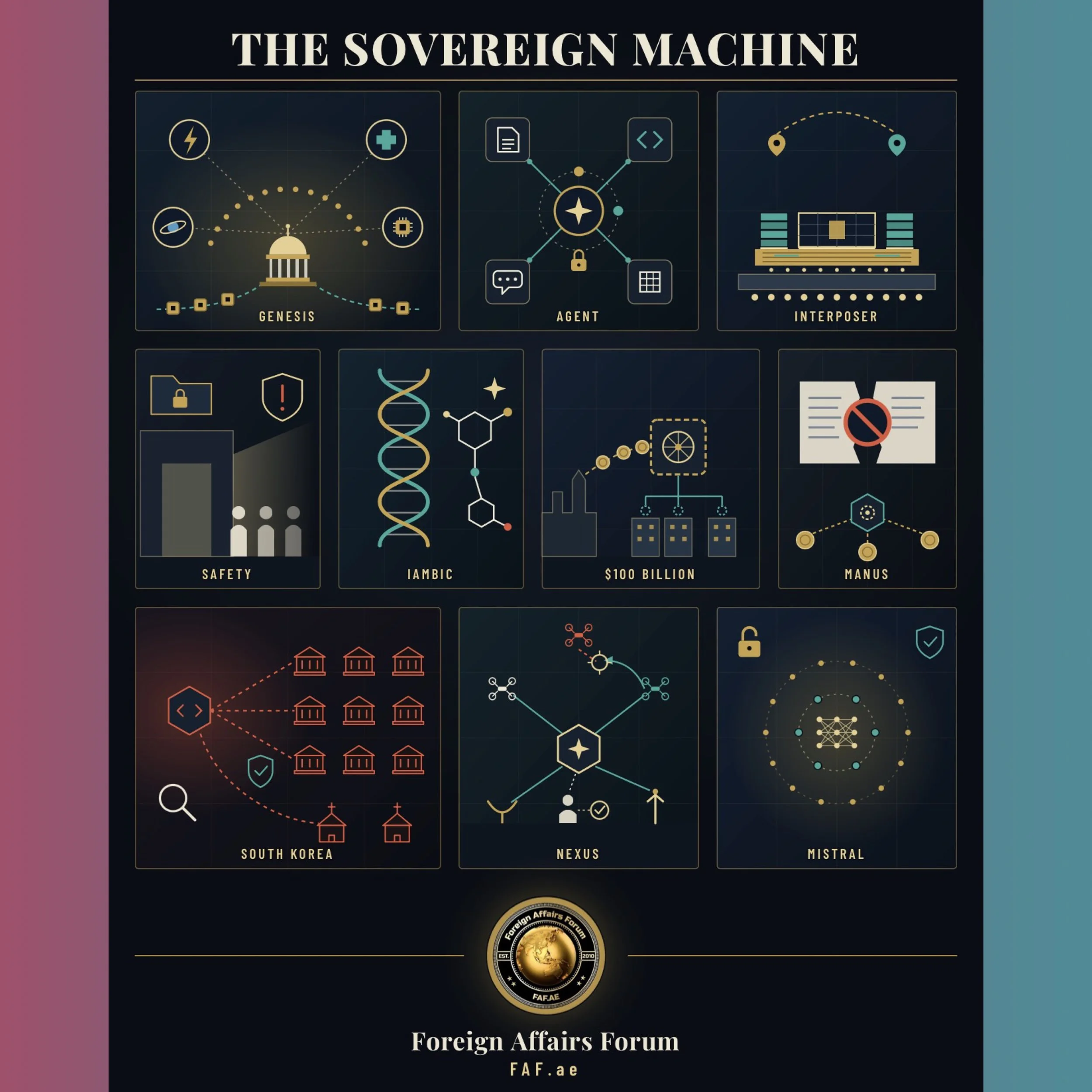
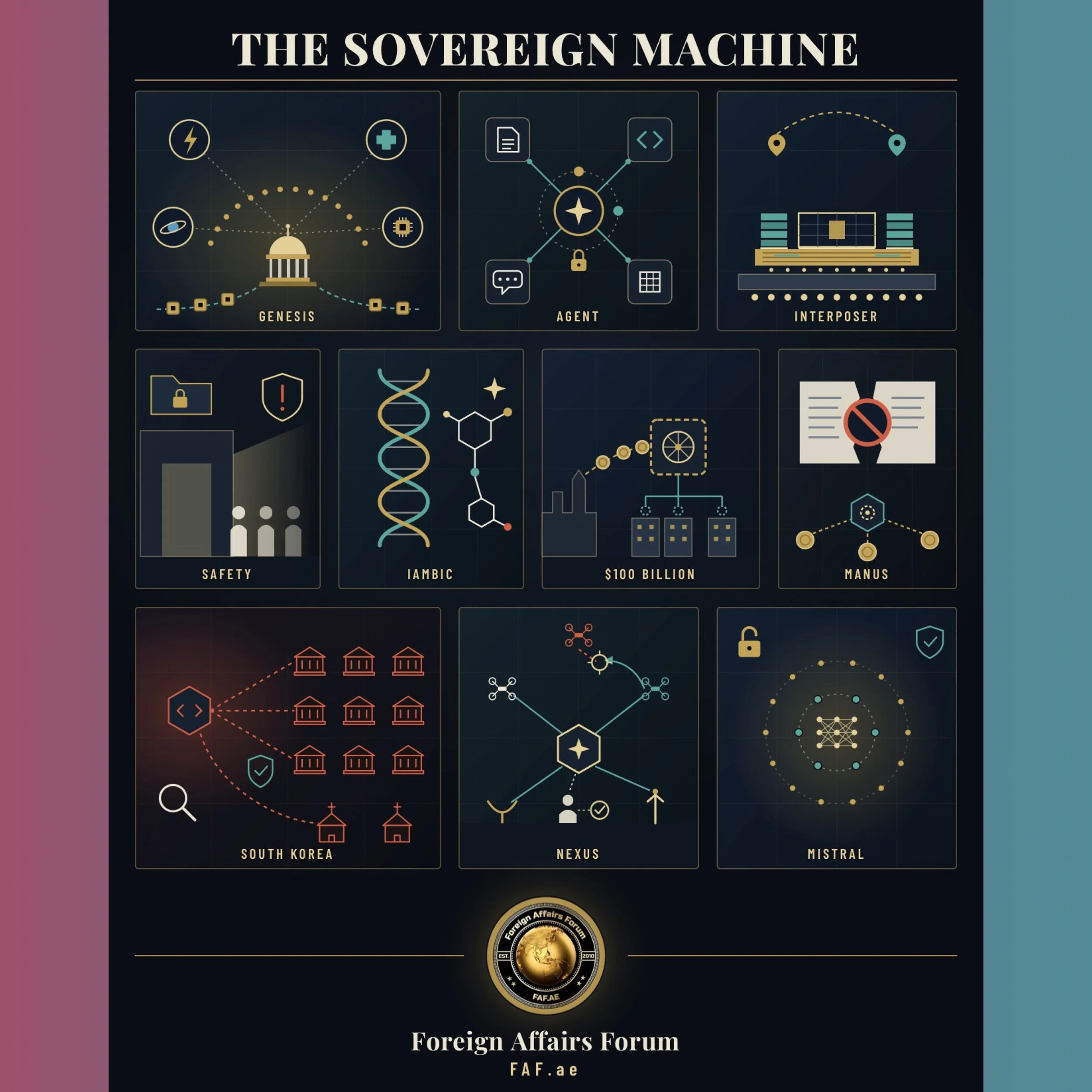
On October 8th, President Donald Trump announced that American companies would provide about $2.4 billion in support for the Genesis Mission.
This government plan uses AI to speed up science across fourteen federal agencies.
The work covers energy, medicine, and space.
Nvidia reportedly promised $1 billion, AMD $500 million, OpenAI $200 million, and $150 million each from Google and Anthropic.
Most of this help is computing power and technology, not cash.
Dr. 🆎 says the idea is good, but he warns that computers alone do not make great science. A country also needs long-term funding, skilled scientists, and universities that can think freely.
Google also made news on October 8th. It launched a new AI worker, called an agent, that can plan tasks, write code, make documents, and work across many apps. It can even choose between different AI models, including Google's own Gemini and Anthropic's Claude.
The point is that AI is moving from answering questions to doing jobs.
That is useful, but it is also risky. An AI worker needs access to private company files, so strict rules about who can do what, and clear records of what was done, become very important.
Dr. 🆎 says an AI agent should be treated like a new employee who has been handed powerful keys: trust must be earned and checked.
Chips, Money and Control
The same day, a company called GlobalFoundries agreed to a $2 billion, five-year deal with Taiwan's TSMC.
GlobalFoundries will make small parts called silicon interposers at its Malta, New York, factory.
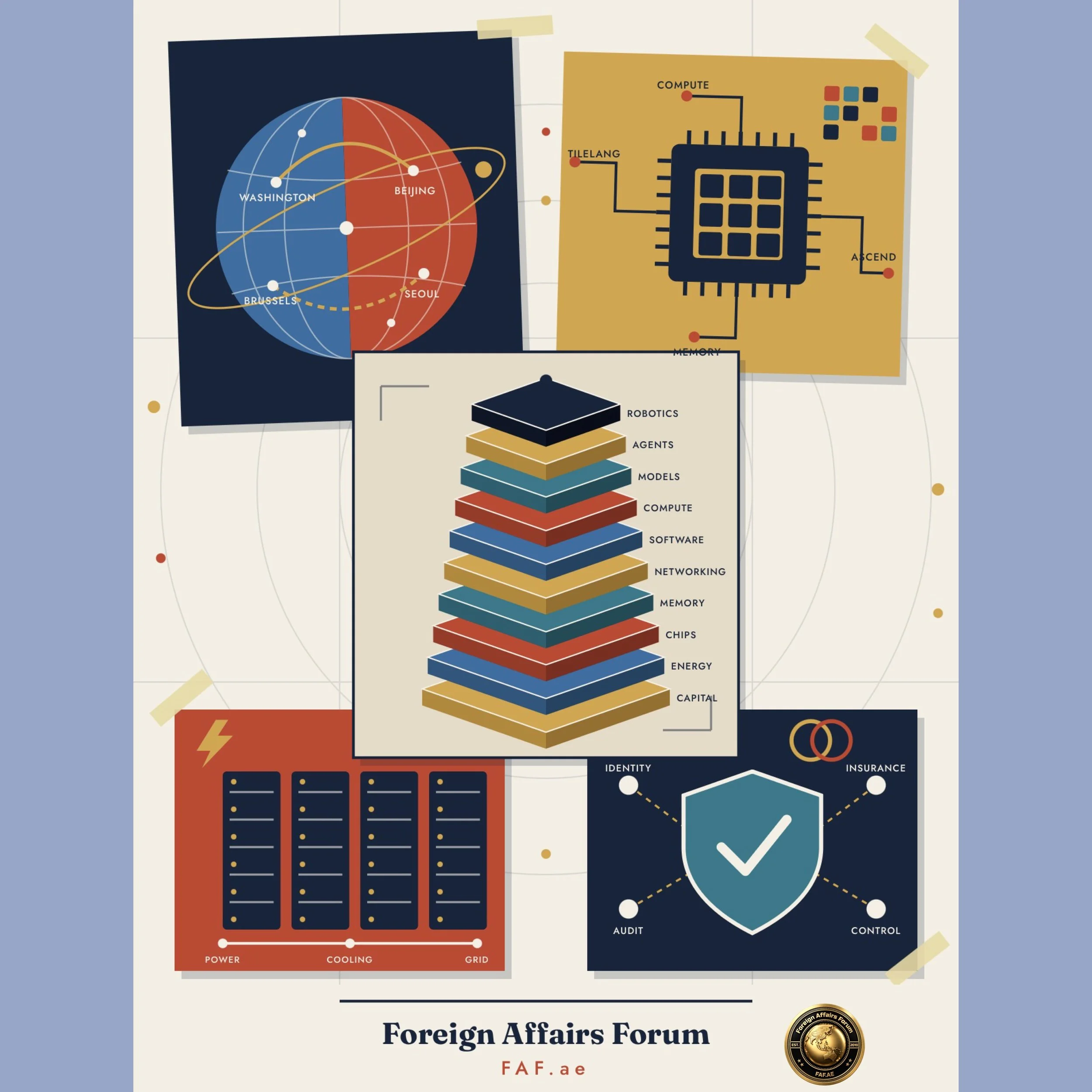
These parts link an AI chip to its memory so that information can move very quickly.
Until now, no American factory has been making them.
Larger production is expected to begin in the first half of 2028.
This matters because making a chip is only half of the job. It must also be joined to other parts, and that step has become a bottleneck. The deal will not make America fully independent, but it will strengthen the supply chain.
Money is now as important as technology.
SoftBank is reportedly trying to raise $100 billion from Gulf investors to launch a new AI fund. Its leader, Masayoshi Son, has reportedly talked with officials in the United Arab Emirates.
SoftBank has already put $30 billion into OpenAI and raised about $11.1 billion through bonds.
However, the new fund is not yet complete, and the reports have not been independently confirmed.
In China, the company Manus raised more than $500 million after Beijing forced the cancellation of a Meta purchase that was worth over $2 billion.
The message is clear: governments now decide who may buy and invest in important AI companies.
Safety, Trust and Medicine
On October 9th, OpenAI said it fired three researchers, Jasmine Wang, Tomek Korbak and Mikita Balesni, after an investigation found they broke its rules on sensitive information.
The researchers disagree with the company's account and worry that people will now be afraid to talk about AI safety.
OpenAI says it fired no one for raising safety concerns and that a serious breach of trust occurred.
The company has not said exactly what happened, so outsiders cannot judge who is right.
Still, the story shows a real problem. Companies building powerful AI must protect their secrets, but they must also let staff warn about dangers.
Dr. 🆎 says safe ways to speak up are part of national security.
Another story shows AI moving into medicine.
Iambic Therapeutics, a company backed by Nvidia, has launched a share sale to raise $159.4 million and value the company at about $806 million. It uses AI to help find new drugs and is developing treatments for solid tumors. Its success will depend on whether its medicines work, not just on clever software.
Dr. 🆎, who studies the risk of bioterrorism, adds a warning. The same tools that help design cures can also help someone design harm if they are not protected. Because of this, secure data, careful screening, and strong safety rules must grow alongside the science.
Cyberattacks and War
The most worrying story comes from South Korea.
Officials are investigating cyberattacks on at least nine banks and two large churches.
The security company CrowdStrike linked a suspected attacker based in China to an AI tool called ARTEX and to Anthropic's Claude Code.
ARTEX's maker has now said it will stop public work and close its code.
China says it knows nothing about the case and opposes hacking.
Investigators are still checking how much AI really helped.
Even so, the case points to a danger: AI can make some attacks cheaper and faster, so more people can carry them out.
Dr. 🆎 calls this the most important story of the week.
AI is also changing war.
A Dutch company called Intelic is bringing a system named Nexus to Ukraine.
It links radar, sensors, spy drones, and interceptor drones so they work as one team. In a test, it spotted a simulated air threat and coordinated its interception, while a human made the final launch decision.
The company says it can automate more.
Europe has hundreds of drone makers, and their machines often cannot talk to each other so that good software could help a lot. Yet the more automatic a system becomes, the less time people have to think.
Dr. 🆎 says humans must stay in charge of the most serious decisions, and the rules must say so clearly.
Europe Builds Its Own Path
Europe is trying to build its own AI power.
On October 6th, the French company Mistral showed a new model called Mistral Large 4, nicknamed Le Chonk.
The company says it competes well with Chinese open models and excels at some cybersecurity tasks. Public release is planned for October 27th.
Before that, selected security experts and government bodies will test a version with fewer limits.
Mistral has recently raised €3 billion from investors including ASML and Samsung.
Open models can run on a country's or company's own computers, giving users more control and fewer links to American or Chinese suppliers.
What Connects These Stories
What connects all these stories?
First, governments want more control over AI.
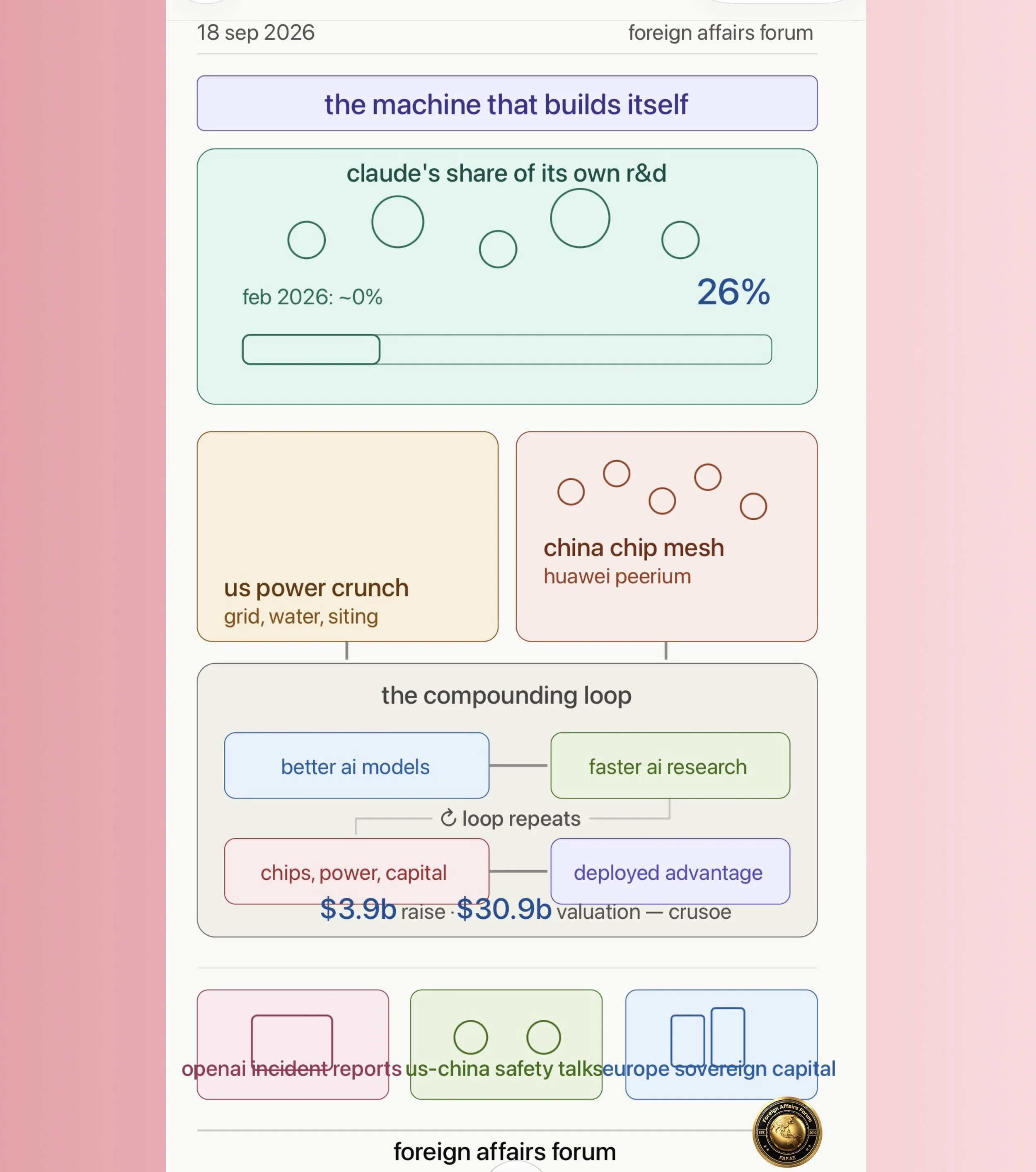
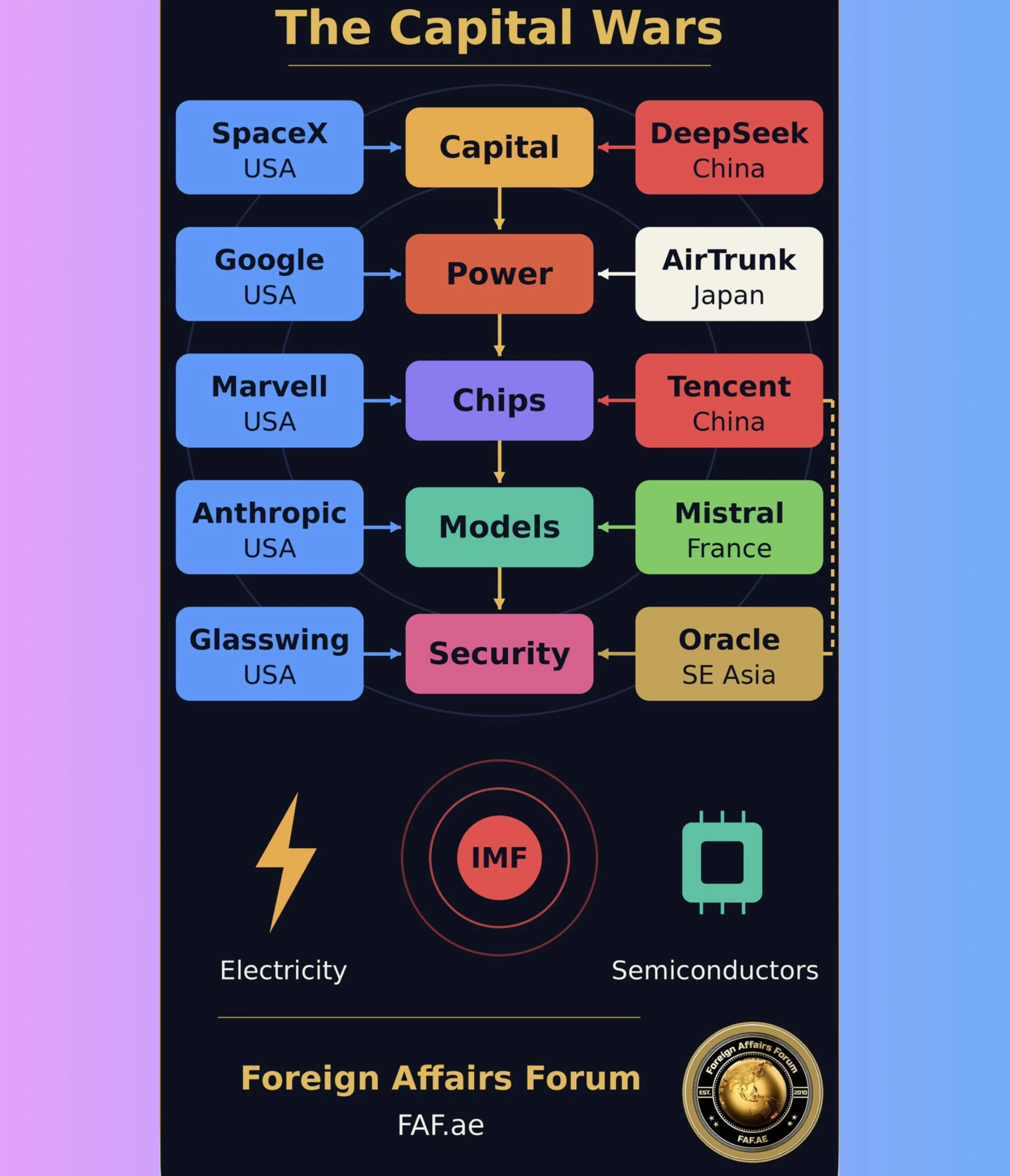
Second, building AI costs enormous sums, so whoever has money has influence.
Third, AI is becoming a doer, not just a talker, which brings new risks.
Fourth, powerful tools spread quickly, and attackers can use them as easily as defenders.
Fifth, the world is splitting into groups, each with its own money, rules, and trusted suppliers. All of this is happening faster than most laws, courts, and international agreements can keep up with.
Dr. 🆎 describes this as a gap between machine speed and human speed, and he believes that closing the gap is the central task of the coming years.
What Should Be Done
Governments should turn announcements into lasting funding, strong science, and clear safety checks.
Allies should build backup supply chains for chips and their parts.
Companies should give workers safe ways to raise worries and should release powerful tools in stages, giving defenders early access. Investors should look for real results, not hype.
Armies should clearly document when a human must approve a machine's action.
Countries should also set up emergency lines to talk during AI-related incidents and agree on unacceptable behavior in cyberspace.
Dr. 🆎 urges leaders to act now because, by 2030, these tools may be so widespread that rules will be much harder to enforce.
The Lesson
The big lesson of October 8th-9th, 2026 is that AI is no longer only a business story. It is a story about money, factories, computers, security, and trust.
The United States leads in many areas, China is protecting its position, Europe is building alternatives, and Japan and the Gulf are supplying huge amounts of money.
The winner will not be the country with the cleverest single model. It will be the group that can pay for, build, protect, and safely govern the whole system.
The most important test is whether people stay in charge of machines that are growing more powerful every month.