Beginner's 101 Guide: Who Gets the World's Money Now? A Plain Guide to This Week's Biggest Share Sales
Summary
A share sale, often called an IPO, is when a company sells pieces of itself to the public for the first time.
This week, several of these sales showed which companies investors trust and which they doubt.
The big lesson is simple. Investors are happy to pay for companies that already earn money from a strong network, and they are now nervous about companies that spend huge amounts on artificial intelligence before proving they can earn it back.
What Happened in India
India's biggest story is Jio Platforms, a company that provides mobile phone and internet services and is growing into cloud computing and artificial intelligence.
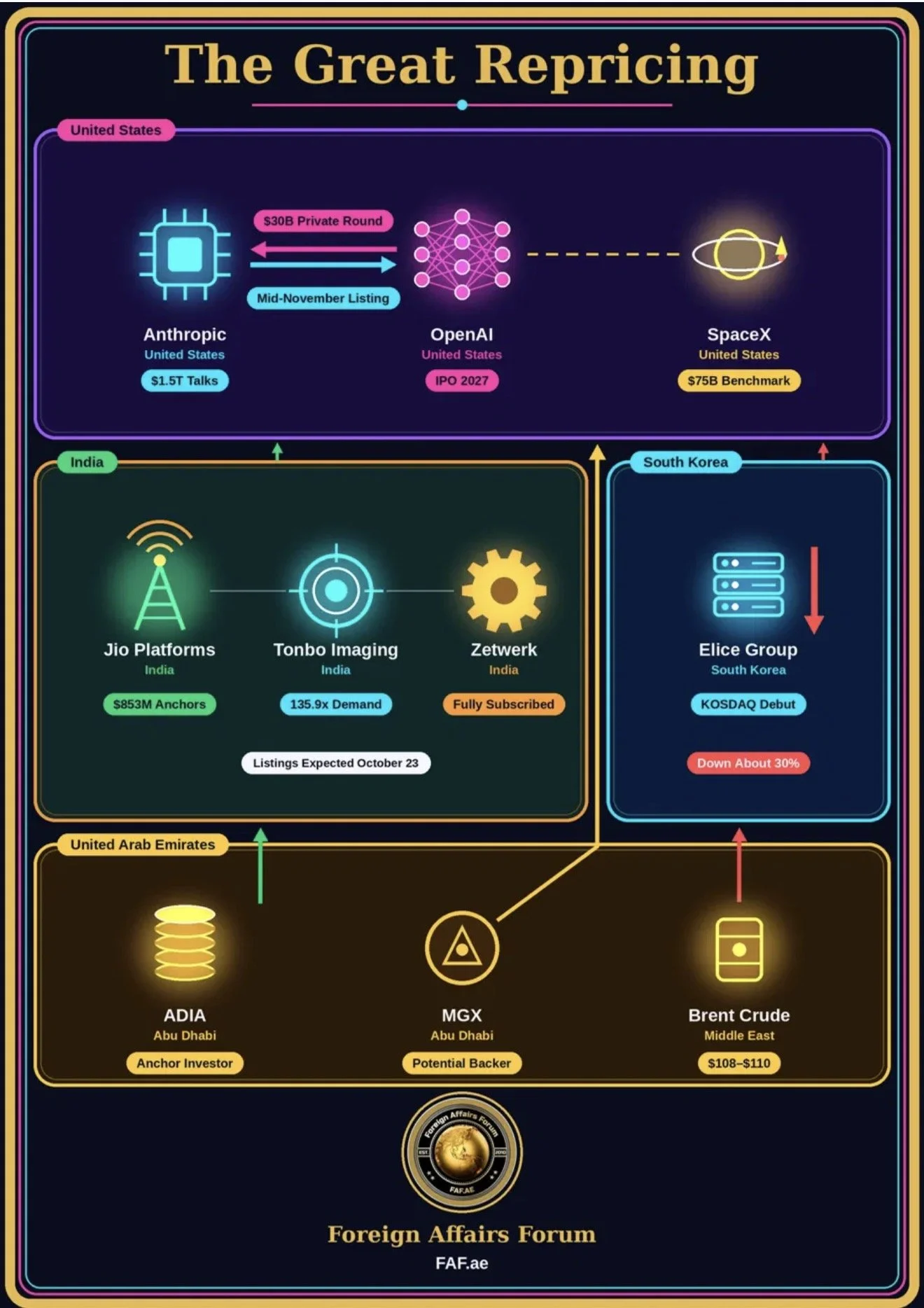
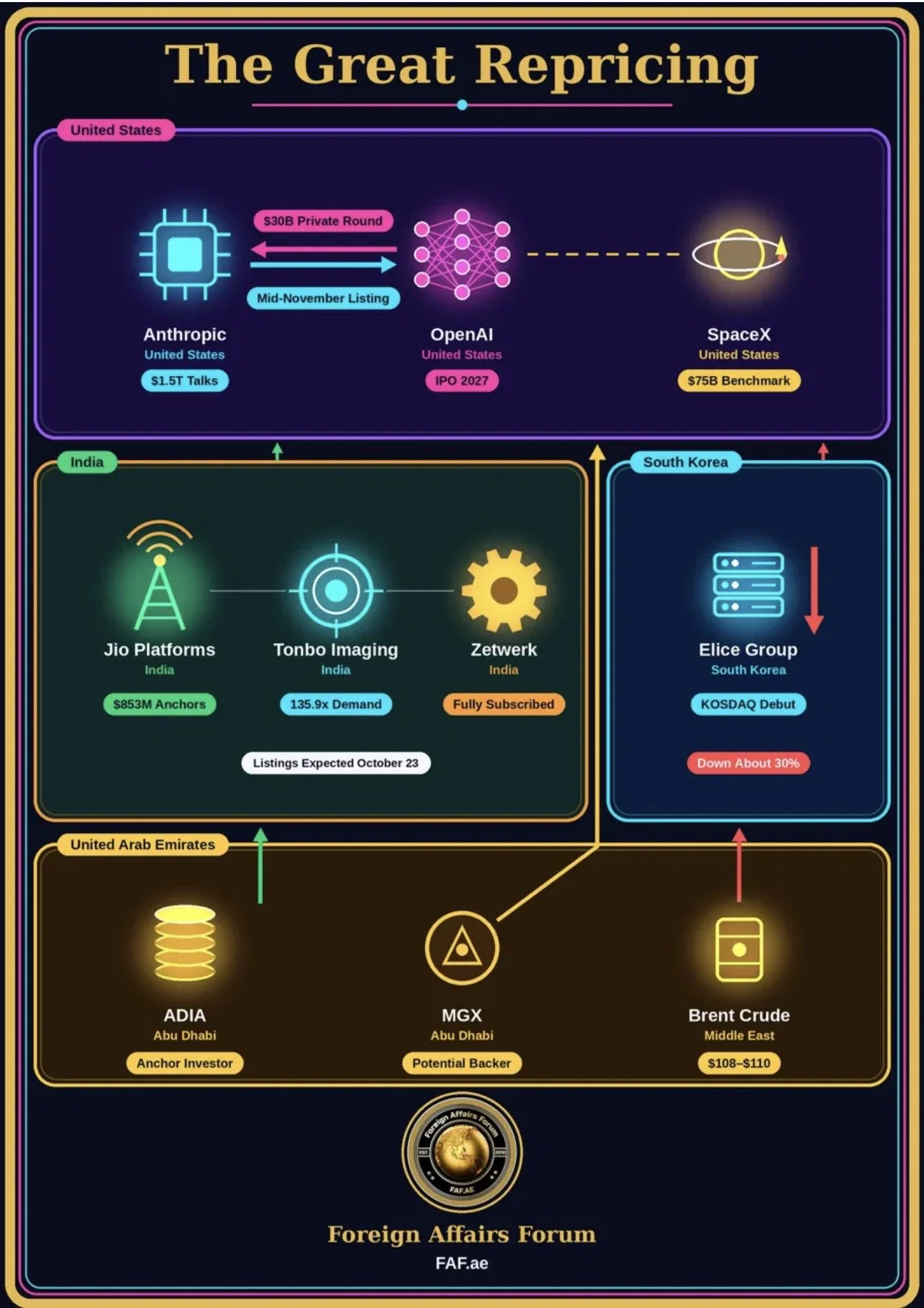
On October 19th, Jio sold shares worth about ₹8,110 crore, or $853 million, to large "anchor" investors. These are big institutions that buy early and give confidence to everyone else.
They included well-known names such as BlackRock, Fidelity, JPMorgan, BNP Paribas, ADIA and LIC.
The surprising part was demand. Investors reportedly asked for more than $25 billion worth of shares, almost thirty times what was on offer. But it is important to be careful here. Only the $853 million is money Jio actually received. The rest is simply how much people wanted to buy. Wanting is not the same as paying. Jio's wider sale, worth up to about $3.2 billion, opens to the public on October 21, and the company is aiming for a value of up to $108.3 billion.
Two other Indian companies also finished their sales.
Tonbo Imaging, which makes cameras and sensors for armies, was about 135.9 times oversubscribed, meaning people asked for almost 136 times more shares than were available.
That sounds spectacular, but here is the catch. Every share in this sale belongs to existing owners who are selling. Tonbo itself gets no new money to build factories or fund research. The enthusiasm shows that investors like defence companies, and that early owners want to cash out.
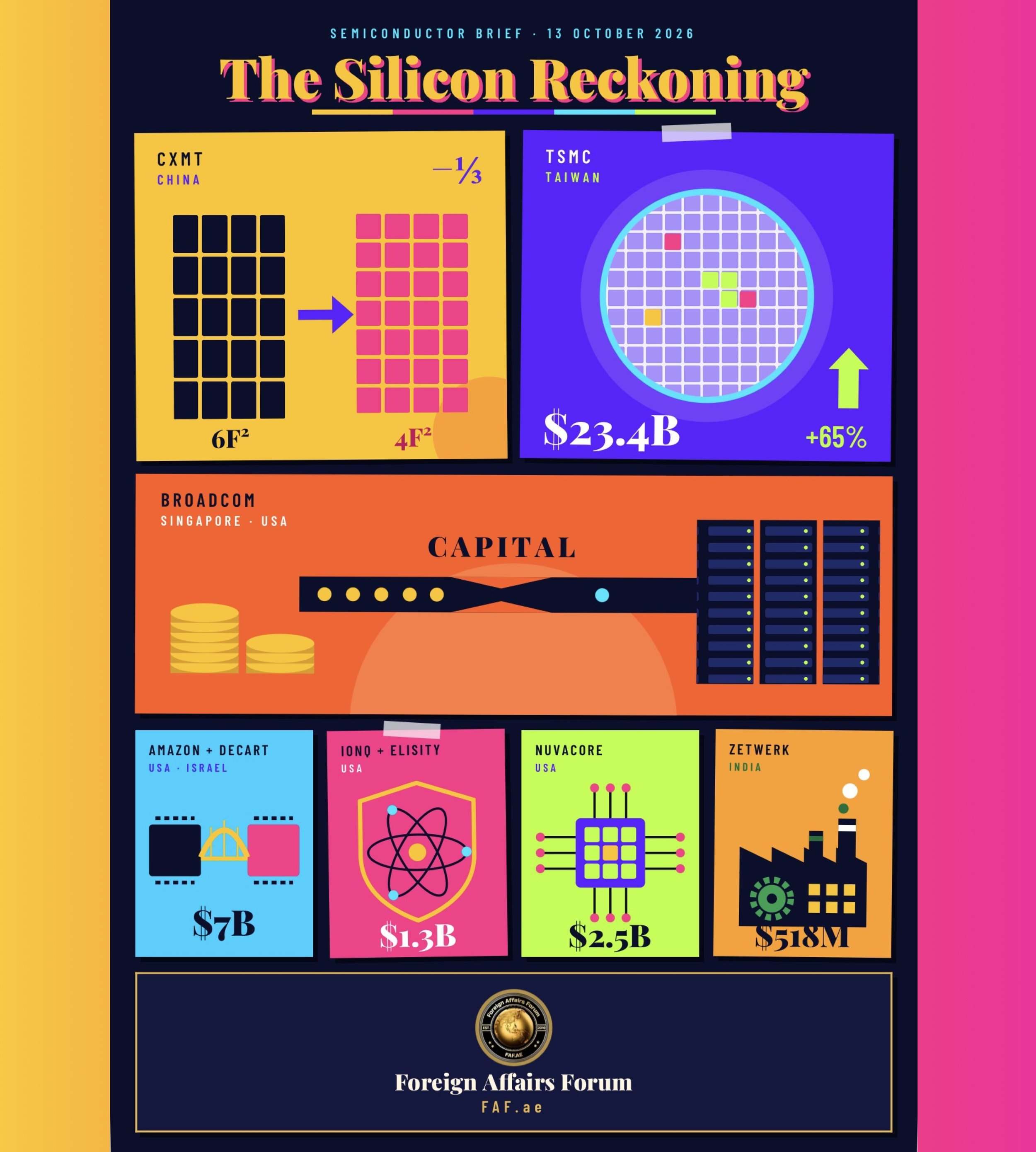
Zetwerk, which makes products for electronics, energy and defence supply chains, also sold all its shares, but with much less excitement.
Investors worry that it is still losing money and earns thin profits. About ₹28.3 billion of its sale is new money, partly to pay off debts and buy other businesses. Both Tonbo and Zetwerk are expected to start trading on October 23.
What Happened in South Korea
In South Korea, a company called Elice Group, which provides cloud computing and data centre services for artificial intelligence, began trading on October 20. It raised about ₩201.09 billion, roughly $151 million, by selling shares at ₩90,500.
Everything seemed to be going well. The price was at the top of its target range, and both big institutions and ordinary investors had shown strong interest.
Then trading started, and the share price fell by about 30% to 32% on the very first day. In plain terms, people who bought at the sale price lost nearly a third of their money within hours.
Dr. 🆎 calls this the clearest warning of the week. "Strong demand before a sale tells you what people hope," Dr. 🆎 explains. "The first day of trading tells you what they will actually pay."
What Is Happening in the United States
In the United States, the attention is on two artificial intelligence laboratories, Anthropic and OpenAI.
Anthropic has secretly filed to sell shares to the public and is expected to launch in mid-November, though no price or stock exchange has been confirmed. Its managers once hoped for a value above $2 trillion, but investors are reportedly talking about something closer to $1.5 trillion.
The reasons given are slower growth and enormous spending on computers and data centres.
OpenAI is not selling shares to the public yet, since its public sale is expected in 2027.
Instead, it is reportedly trying to raise about $30 billion from private investors, possibly including SoftBank and Abu Dhabi's MGX.
This is not an IPO, and it should not be described as one. The timing is the interesting part. By collecting money early, OpenAI may be making sure investors commit to it before Anthropic asks them for theirs.
SpaceX gives all of this context. It began trading on Nasdaq on June 12, 2026, raised $75 billion at $135 per share, and was valued at about $1.77 trillion.
That was a record, and it showed that markets can still fund giant technology projects. Nothing new has happened there this week, but it remains the yardstick for every large sale that follows.
Why Does It Matter?
The main reason is that these companies are not just ordinary businesses.
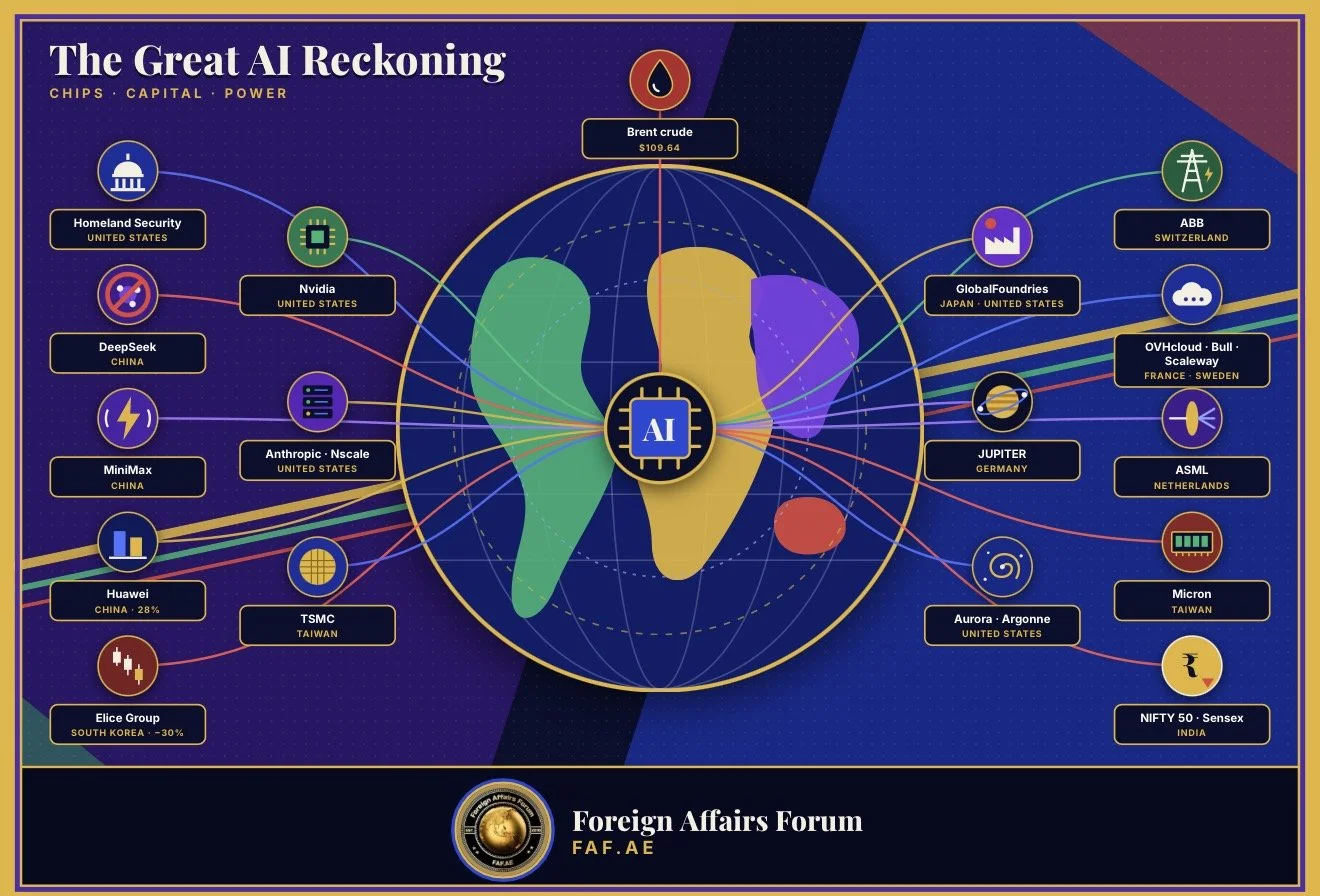
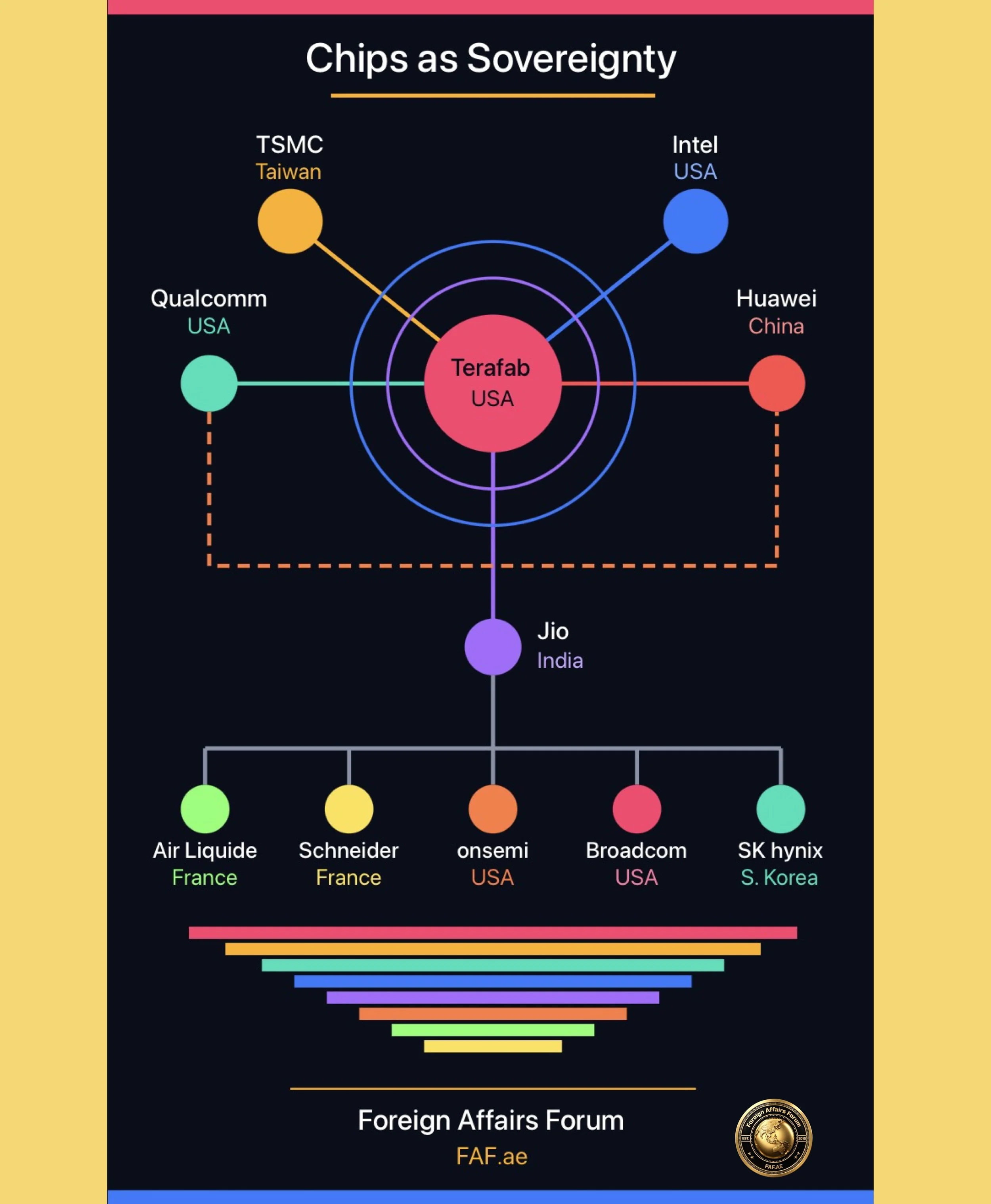
They build networks, defence tools and artificial intelligence systems that countries consider vital. When investors choose where to put their money, they are also helping decide which countries and companies will lead.
The second reason is a pattern. Jio, which already earns money from millions of customers, was welcomed warmly.
Elice, which spends heavily on data centres for artificial intelligence, was punished. Anthropic and OpenAI sit in between. They are seen as essential, yet they must now prove that their huge spending will eventually turn into steady profits.
What About Markets, Money and Oil?
It is tempting to blame every market move on these share sales, but the facts say otherwise.
A major index of chip companies, the Philadelphia Semiconductor Index, has reportedly lost about $1.6 trillion in value in under two weeks. This came from worries about whether artificial intelligence will pay off, not from any single sale.
In India, the main stock index, the NIFTY 50, fell 1.11% to 22,888.95 on October 19. Reuters said the reasons were weak bank earnings, a slump in technology shares and high oil prices, not the Jio sale.
The rupee ended the day almost unchanged. Jio's foreign investors may bring in some dollars, but $853 million is far too small to move the value of a whole currency.
Oil stayed around $108 to $110 per barrel. That is mostly because of supply fears in the Middle East and Russian energy policy.
Even so, expensive oil makes life harder for Indian companies selling shares, because it pushes up prices, raises import bills and puts pressure on the rupee.
What Should We Watch Next?
Four things deserve attention. First, watch how ordinary Indian investors respond when Jio's public sale opens on October 21st.
Strong interest would confirm global confidence in India's digital future, while weak interest would show how much high oil prices and shaky stock markets are weighing on people.
Second, watch Tonbo and Zetwerk when they begin trading on October 23. Big subscription numbers do not guarantee good performance. What matters in the long run is whether the companies make steady profits and generate real cash.
Third, watch Anthropic's launch in mid-November. Dr. 🆎 says it will test whether public investors will accept honest explanations about safety as well as about money. "A company that builds powerful artificial intelligence should explain clearly how it keeps that technology under control," Dr. 🆎 says. "Investors who reward that honesty help make the world safer."
Fourth, watch OpenAI's private fundraising and whether it succeeds, because it may shape how much money is left for others.
The Bottom Line
Investors have not given up on artificial intelligence, but they have become choosy.
They are rewarding companies that control strong platforms and bring in steady income, and they are cooling toward those that spend heavily on promises.
Careful readers should also remember three simple rules. Demand is not the same as money raised, a private fundraising is not a public share sale, and a falling market does not always have a single cause.
Dr. 🆎 sums it up this way. "Money is now a form of power. Where it goes this season will help decide who builds the next generation of technology, and whether they build it responsibly."