Beginner's 101 Guide: China and America in the Space Race Explained Simply: Why the Moon Matters on Earth
Summary
For most of the last 60 years, the United States led the world in space. It was the first country to put people on the Moon, it built much of the International Space Station, and today its private companies launch most of the world's rockets.
That lead is no longer as comfortable as it once was. China has been building a space programme of its own for decades, and in 2026 it is showing that it can compete with America in almost every part of the field, from rockets and satellites to plans for a base on the Moon.
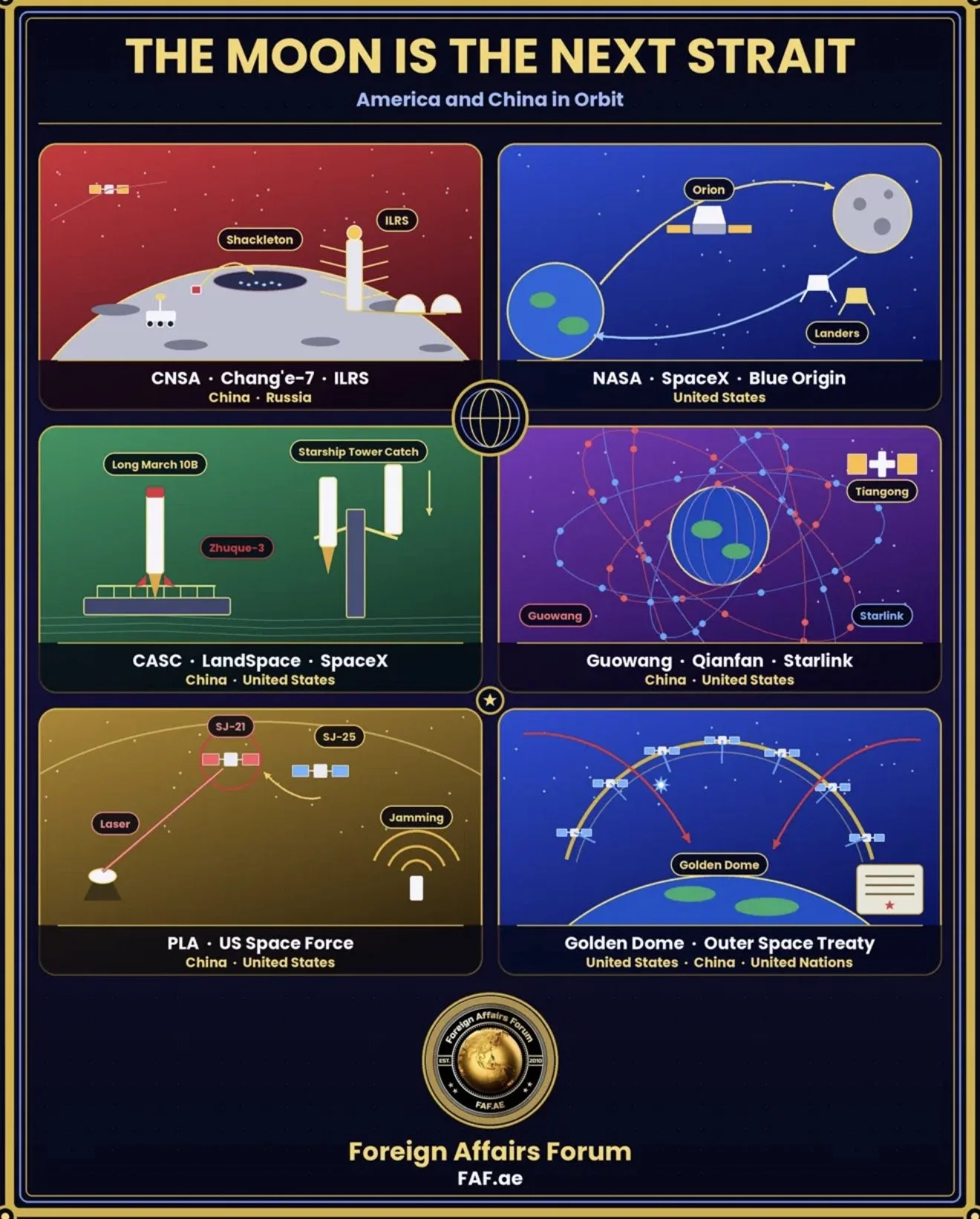
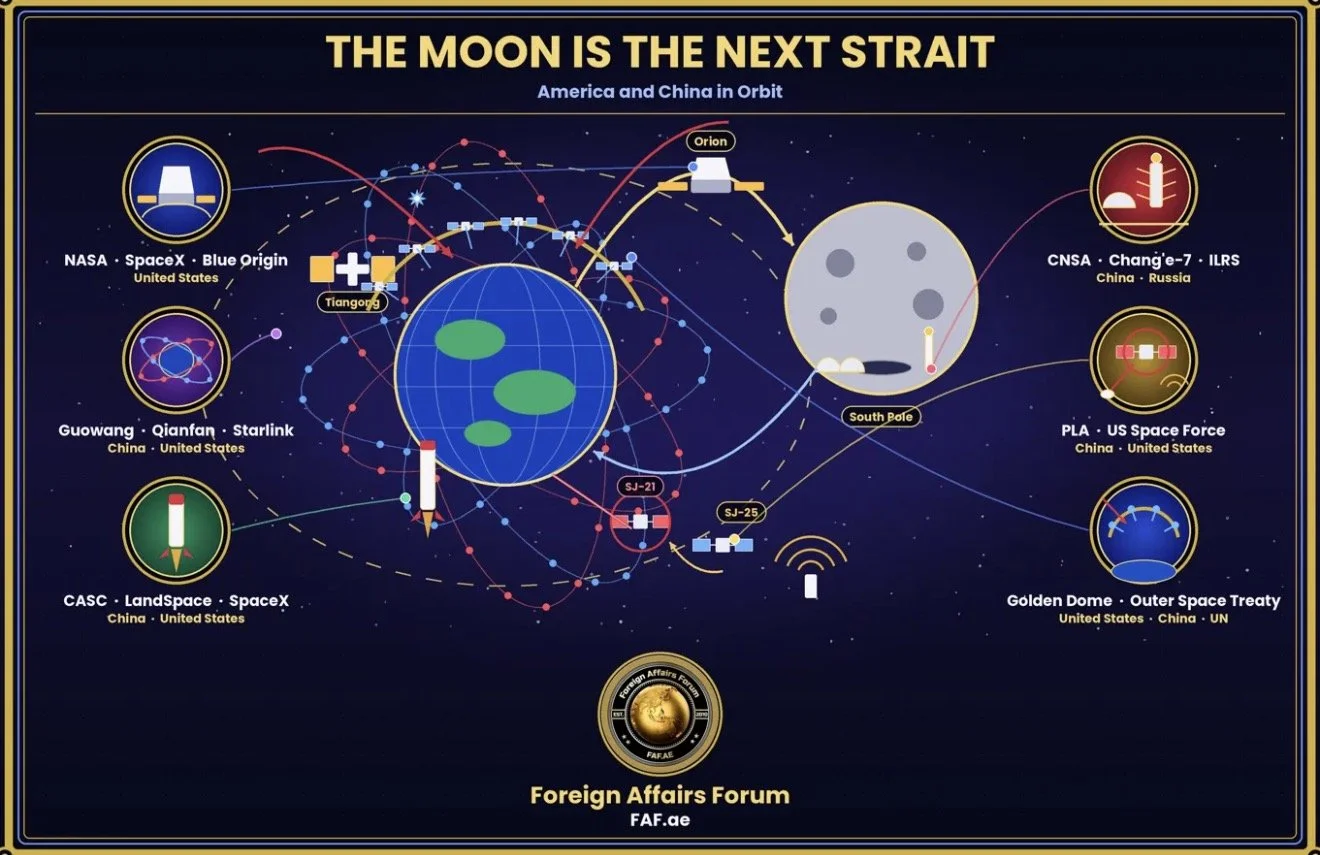
China already has its own space station, called Tiangong, where crews have lived since 2022. It has landed robots on the far side of the Moon and brought back soil from there. Its leaders say they will land astronauts on the Moon by 2030.
In May, China joined its robotic Moon programme and its human spaceflight programme into one, to move faster.
This summer, it tested a new rocket, the Long March 10B, and brought the first stage back to a ship at sea. Reusing rockets makes space travel cheaper, so this was a major step forward.
America is moving fast too. In April, four astronauts flew around the Moon on a mission called Artemis II, the first time people had made that trip in more than 50 years.
NASA's leader, Jared Isaacman, then announced a new plan to build a permanent base near the Moon's south pole, with a price tag reported between $20 billion and $30 billion.
NASA hopes to land astronauts again in 2028. But the plan depends on new landers built by private companies, and they are not ready yet.
Mr. Isaacman has even said that Chinese astronauts will probably fly around the Moon in 2027, before America's next crewed landing.
Why is everyone so interested in the south pole of the Moon? The answer is water. Deep, dark craters there may hold ice, and ice can be turned into drinking water, air to breathe and fuel for rockets. There is only a small amount of good land near these craters, so whoever builds a base first may get the best spots.
China is working with Russia on a research station that would include a small nuclear reactor, planned for the early 2030s. The United States also plans to use nuclear power on the Moon, because the long lunar nights are too dark for solar panels alone.
The race is not only about the Moon. It is also about satellites in orbit around the Earth.
China now has more than 1300 satellites, and more than five hundred of them can be used for spying and watching. It is also building two giant networks of internet satellites, one called Guowang that may eventually have 13,000 satellites, and another called Qianfan.
These are meant to rival Starlink, the American network. China's launch schedule has been slower than hoped this year, with 70 launches by late September compared with 136 for the United States, but it is catching up in technology.
There is a darker side. American officials say China has tested satellites that can move very close to other satellites, which could be used for repair or for attack. China has lasers that can blind satellites and jammers that can block signals.
The United States, too, is building tools to jam Chinese satellites, and it has announced a missile defence plan called Golden Dome that would place weapons in space. Each side believes the other is preparing for conflict, and that fear can feed on itself. A single accident that creates a cloud of debris could damage satellites belonging to every country.
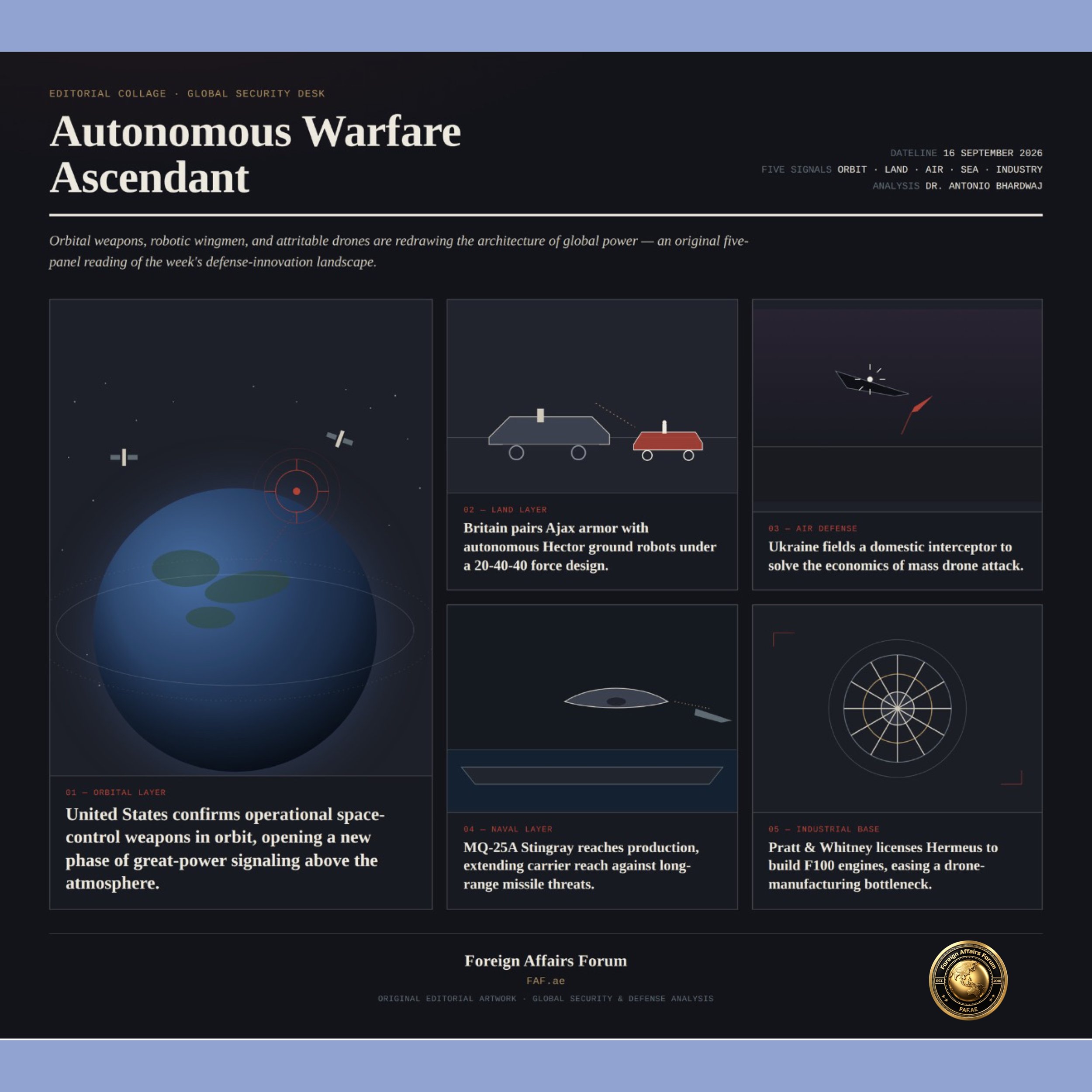
Dr. 🆎, an expert in artificial intelligence and modern warfare, believes the biggest danger is speed. In space, signals take time to travel and satellites move fast, so computers are given more and more power to make decisions on their own.
Dr. 🆎 warns that when machines act faster than people can check them, a small mistake can turn into a crisis. He also says that long space missions in closed habitats need strong protection against biological threats, which are often overlooked.
What can be done?
Experts say the United States should deliver on its Moon plans, build friendships with countries like India, Brazil and the Gulf states, and keep a steady budget. Both sides should agree on simple rules, such as telling each other before moving satellites close together, avoiding tests that destroy satellites and make debris, and never putting nuclear weapons in orbit.
Dr. 🆎 suggests that any automatic system able to use force in space should always keep a human in charge of the final decision.
The space race of the twenty-first century is different from the first one. It is about business, communication, resources and security as much as pride. America still has big strengths, but China has shown that it is serious, patient and well organised.
Dr. 🆎 believes that competition can continue without disaster, as long as both sides build the rules that keep orbit safe. The Moon may be quiet, but the choices made on Earth in the next few years will decide how peaceful the heavens remain.