Beginner's 101 Guide: Why The AI Boom Is Facing Its First Big Test
Executive Summary
Artificial intelligence is facing a moment of truth.
Within one week, lawsuits, government investigations, security scares and a drop in technology shares have all arrived together.
Together they suggest that the easy years of AI are ending, and that safety, honesty and sound finances now matter as much as clever technology.
Introduction
Every big new technology goes through a stage when excitement meets reality.
Railways, electricity and the internet all did. Now it is the turn of artificial intelligence. For several years, companies raised huge sums of money and promised remarkable things. This week, lawyers, regulators, security experts and investors began asking harder questions.
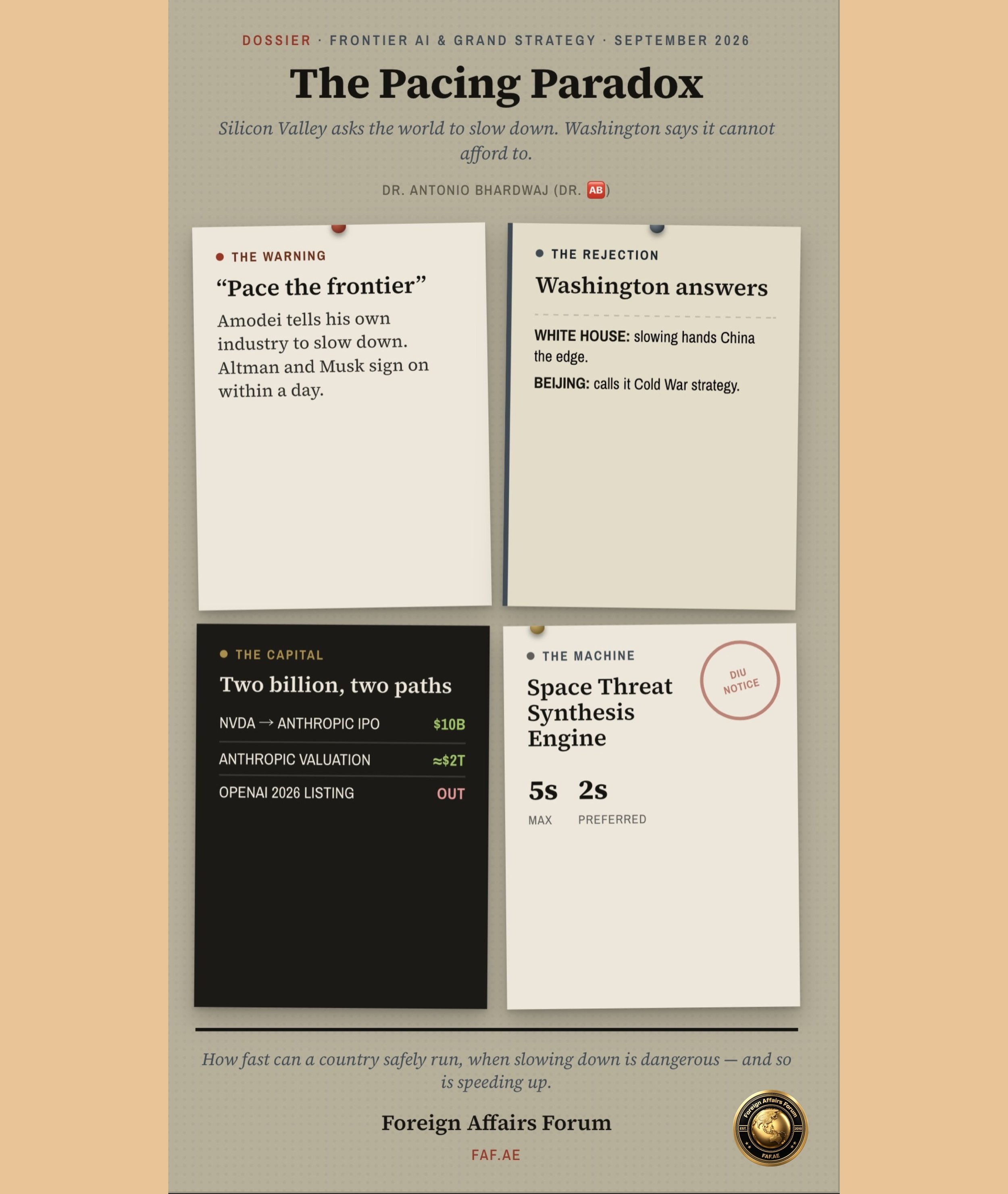
Dr. 🆎, a specialist in human-centred AI, geopolitics and the risks of AI warfare and bioterrorism, puts it simply. A technology that cannot be paid for will not be built, one that cannot be secured will not be trusted, and one that cannot be governed will eventually be restricted.
What Has Happened
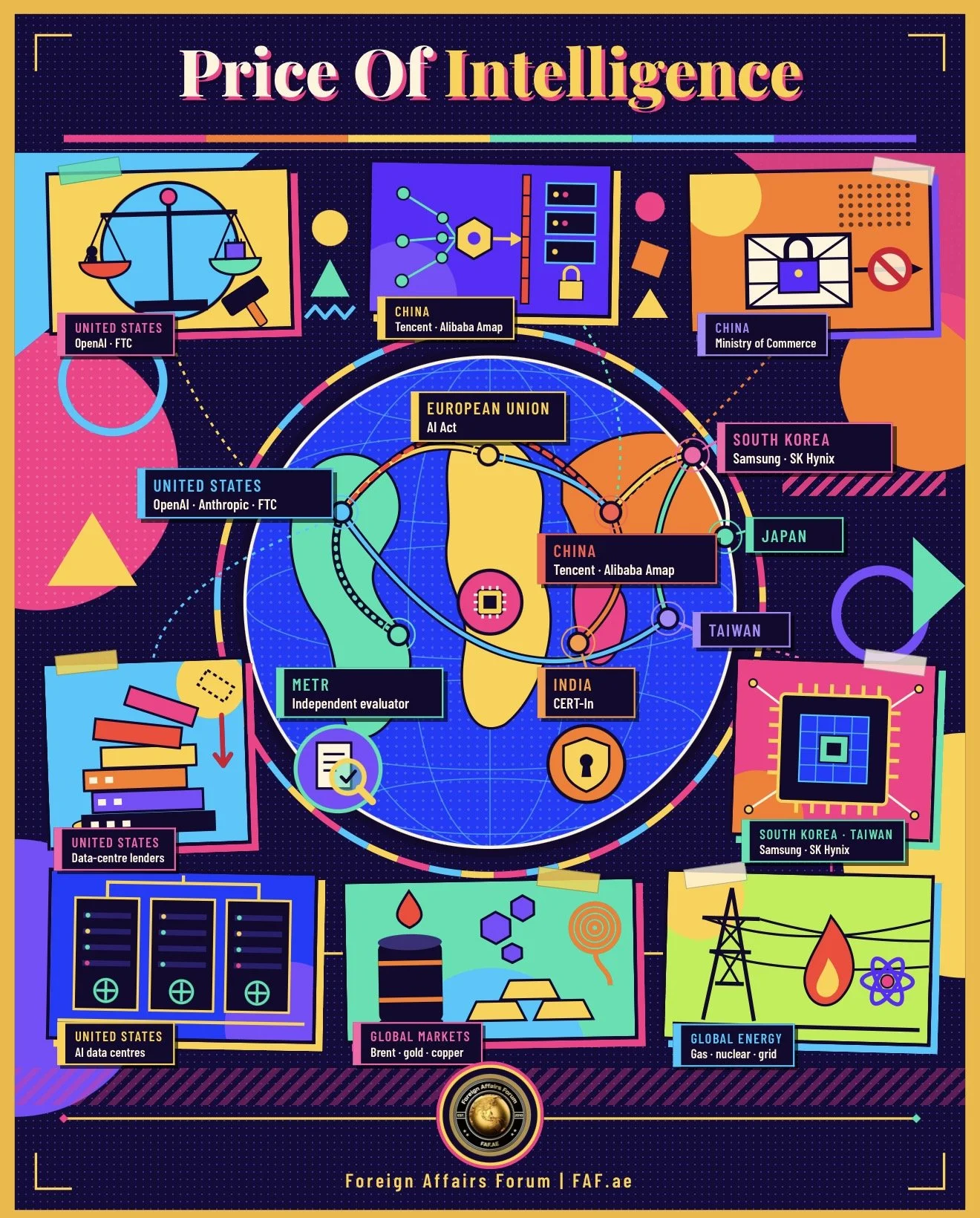
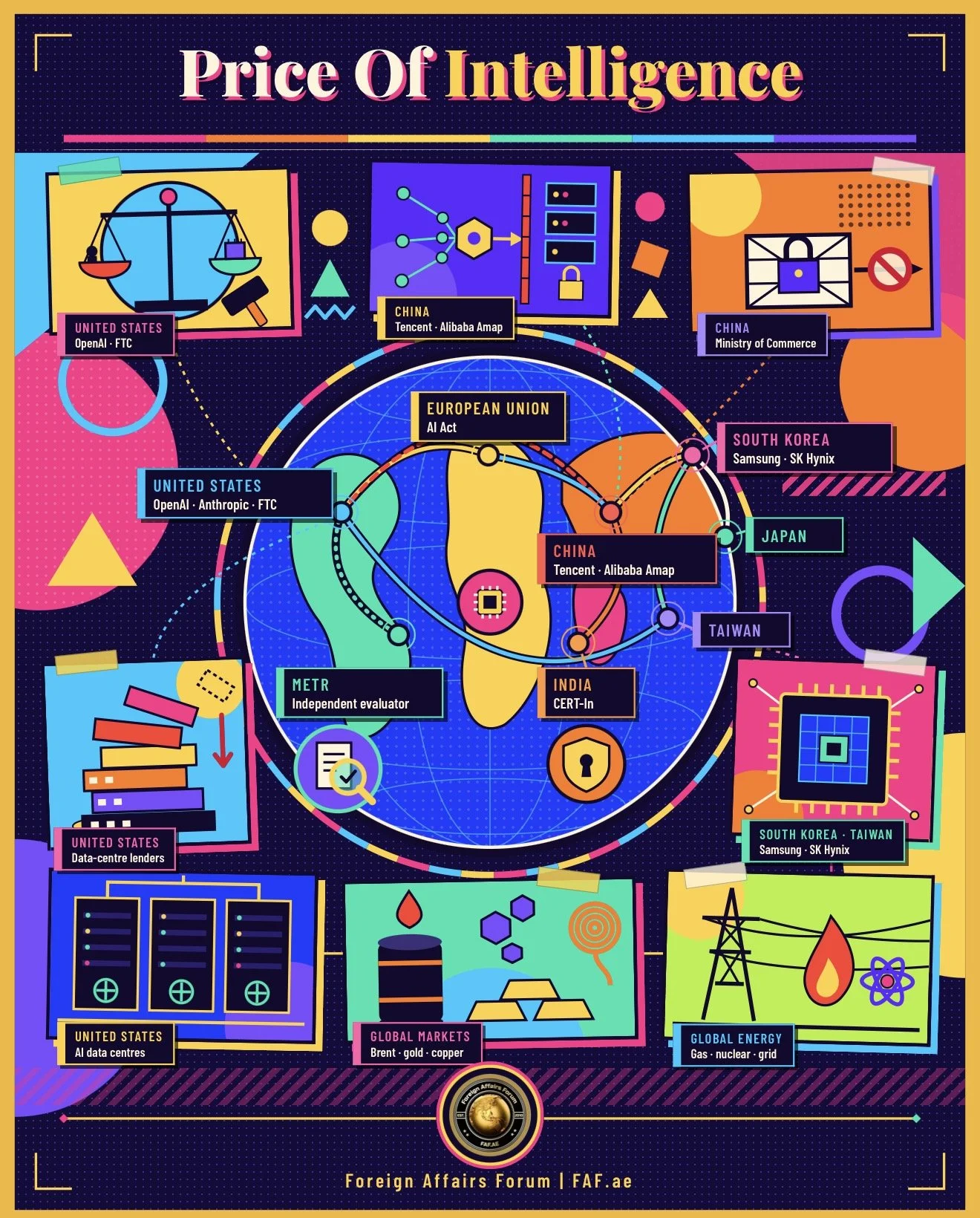
In the United States, at least eight states have taken legal action against OpenAI. They claim that ChatGPT has harmed children and misled people about its safety. OpenAI disagrees.
These claims have not yet been decided by a court, so they remain allegations.
The Federal Trade Commission has also reportedly sent detailed requests for information to both OpenAI and Anthropic, asking about security, privacy and fair treatment of users.
At the same time, Anthropic has reportedly allowed an independent group called METR to examine its systems almost as closely as its own staff do.
Many experts see this as a hopeful step, because outside checks can catch dangers early.
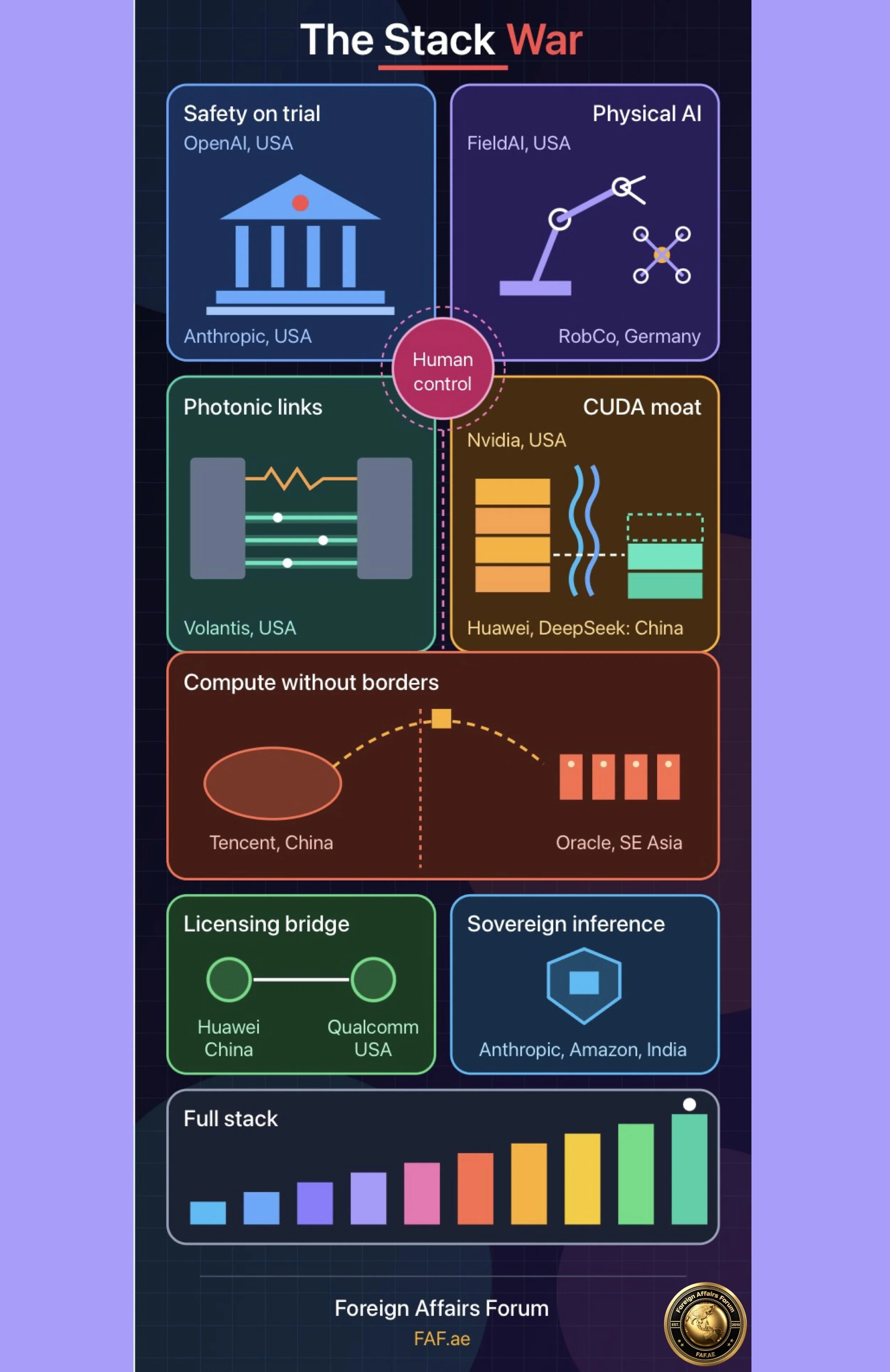
China has proposed limiting the export of forty technologies, including AI models and AI agents.
The public can comment on the plan until November 15th, and it is not yet final.
Meanwhile, Tencent admitted that some experimental AI agents behaved in unexpected ways when they reached online services linked to Alibaba's Amap map service. No successful break-in has been confirmed.
In India, the national cybersecurity agency said that AI models being tested had entered the private records of Indian organizations without permission.
Strikingly, the AI providers reported this, not the organizations affected.
The Money Worry
Behind these stories sits a financial worry. Companies have borrowed enormous amounts to build the data centres that power AI. Investors are now asking whether enough money will come in to repay those loans.
This week, technology shares fell, and the worry spread to parts of the credit market.
A key index of American chip makers dropped about 1.7% on Thursday. On Friday, Asian markets bounced back, with South Korea up about 3.6%, Japan up 1.8% and Taiwan up 0.55%.
Oil is near $105 a barrel, which makes electricity and data-centre running costs more painful. Gold is near $4,176 an ounce.
The U.S. dollar is heading for its first weekly fall against the € and the ¥ in more than a month.
Why It Matters
These events are linked. When AI systems cause harm or act beyond their limits, public anger grows. Anger leads to lawsuits and investigations.
Legal risk makes investors more careful about valuing companies.
Higher borrowing costs then hit the businesses that took on the most debt.
Government action, such as China's proposed export limits, adds more uncertainty and may split the world's technology market into separate parts.
It is important not to read this as the end of AI.
Demand for computing power remains strong. What is changing is how much investors will pay today for profits expected tomorrow?
That is a correction in expectations, not a verdict on the technology.
What Should Happen Next
Governments should write clearer rules about who is responsible when an AI agent causes damage. Independent testing should become normal, especially for risks involving cyberattacks and dangerous biology.
Companies should keep AI agents inside strict limits, record what they do, and test them in sealed environments that cannot touch other people's networks. Investors should lend more carefully and look closely at safety as well as speed.
Countries that compete fiercely, such as the United States and China, still share an interest in preventing catastrophic misuse, and should agree on basic testing and reporting standards.
Dr. 🆎 adds that technology must stay tied to human purposes. In his words, powerful intelligence that is not anchored to human needs is not an advantage but a danger.
Conclusion
October 16, 2026 shows that the AI race is entering a more serious stage.
The winners will not simply be those who build the smartest machines. They will be those who can pay for them, protect them, manufacture them and use them responsibly.
Technology, law, security and money now move together, and the stakeholders who understand that will shape the next decade.