The Maduro Reckoning: Sovereign Authority Confronts American Justice in Manhattan’s Federal Courthouse
Executive Summary
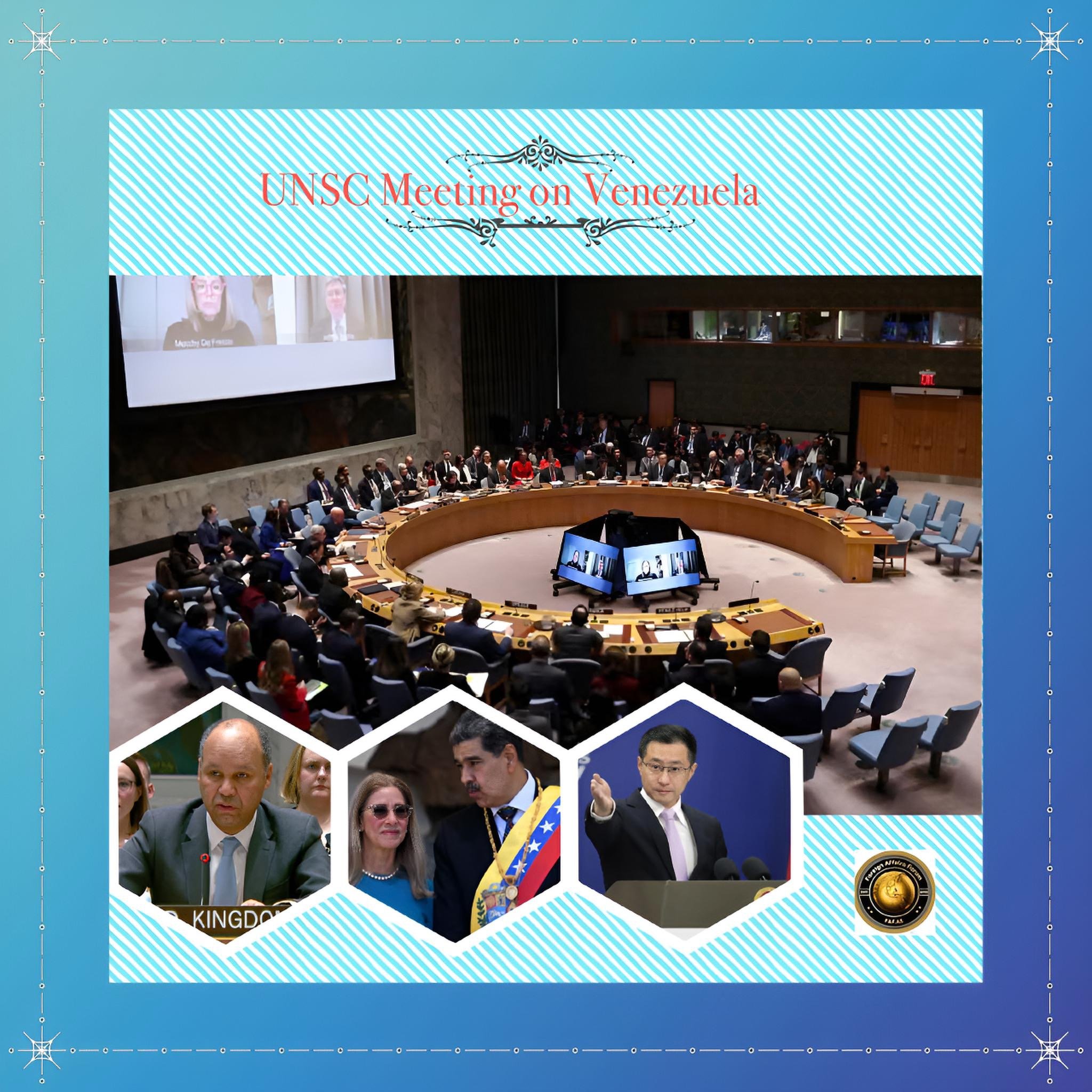
The Global Backlash: UN, Russia, China Question Operation—Judge Must Navigate Geopolitical Minefield While Ensuring Fair Trial
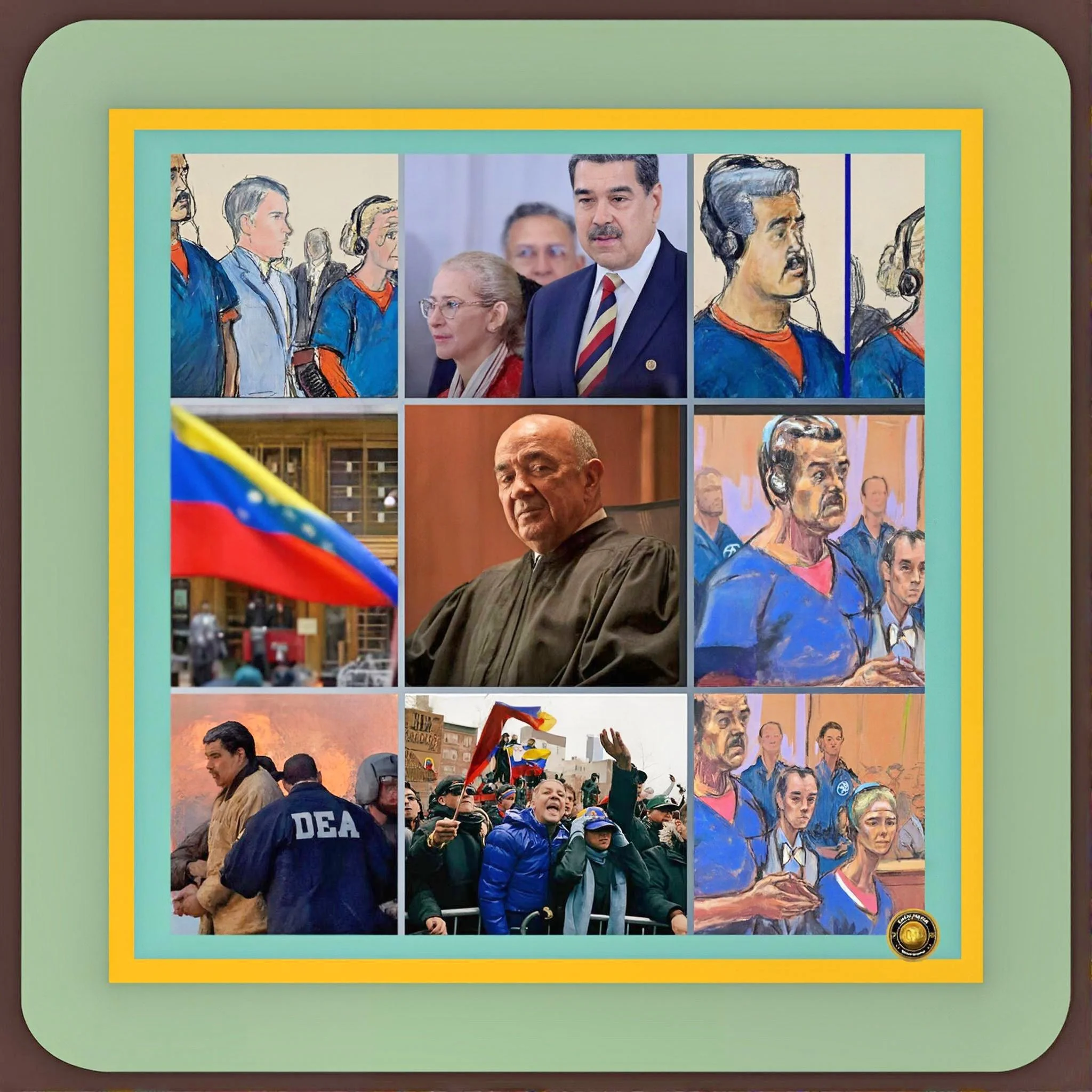
On January 5, 2026, former Venezuelan President Nicolás Maduro and his wife Cilia Flores made their first appearance before United States District Judge Alvin K. Hellerstein in Manhattan federal court following their extraordinary weekend capture by American military forces in Caracas.
The 92-year-old Clinton appointee presided over an arraignment hearing that lasted approximately thirty minutes, during which both defendants entered not guilty pleas to charges of narco-terrorism conspiracy, cocaine importation, and weapons violations.
Judge Hellerstein, a jurist with nearly three decades of experience and a demonstrated record of defending constitutional protections against executive overreach, structured the proceedings with judicial restraint, interrupting Maduro’s attempts to litigate the legality of his capture and reserving substantive legal arguments for future proceedings.
The judge ordered both defendants held without bail pending a March 17 hearing, directed prosecutors to ensure Flores received a medical evaluation for injuries sustained during her apprehension, and accommodated Maduro’s request to maintain notes while in federal custody.
The hearing crystallizes a profound tension between American law enforcement authority and international legal norms regarding the treatment of heads of state, all of which are presided over by a judge whose previous rulings have consistently privileged due process rights over executive assertions of power.
About Honorable Judge Alvin Hellerstein
Judge Alvin Hellerstein will be presiding over the Maduro case.
He is an experienced, well-regarded, fair, and impartial jurist.
If his name sounds familiar, it could be because: Judge Hellerstein recently ruled against Trump's unconstitutional use of the Alien Enemies Act, finding that the Venezuelans Trump was trying to deport are entitled to due process protections.
Judge Hellerstein DENIED Trump's efforts to have his NY state criminal case (in which he ultimately was convicted of 34 felony crimes) moved from state court to federal court.
Judge Hellerstein granted Michael Cohen's petition for writ of habeas corpus, ordering Cohen released from prison because the Trump administration was unconstitutionally confining him for exercising his First Amendment rights.
like a say - Judge Hellerstein knows what he's doing.
Introduction
The Defense Strategy: Can Maduro’s Lawyers Prove His Capture Was Illegal? One Supreme Court Precedent Stands in Their Way
The appearance of Nicolás Maduro in a Manhattan courtroom represents an extraordinary moment in modern geopolitical history—the forcible extraction of a sitting head of state from his own nation and his immediate subjection to criminal prosecution in a foreign legal system.
What distinguishes this moment from similar historical episodes, such as the 1990 capture of Manuel Noriega, is the careful constitutional framing through which it occurs. The Trump administration has characterized the operation not as military intervention or regime change, but as a law enforcement action undertaken in support of longstanding drug trafficking indictments.
Judge Hellerstein’s role, therefore, becomes not merely to oversee another criminal prosecution but to serve as an institutional check on the boundaries between legitimate law enforcement and unconstitutional executive violence.
The judge assigned to this case carries formidable credentials and a judicial temperament shaped by exposure to some of America’s most consequential legal questions.
Hellerstein presided over the September 11 litigation, has handled cases involving WikiLeaks, has challenged the Trump administration’s immigration policies with skepticism rooted in constitutional principle, and has repeatedly rejected the Trump administration’s attempts to circumvent legal processes. His appointment by President Clinton in 1998, at an age when many judges retire, suggests a justice committed to sustained institutional service and institutional integrity.
That he now presides over the Maduro prosecution carries implications extending far beyond the mere disposition of drug trafficking charges.
History and Current Status
Judge Hellerstein’s Surprise Ruling: Medical Care Ordered for Flores, Suggesting Judicial Restraint on Trump Administration’s Venezuela Operation
The legal architecture supporting Maduro’s prosecution rests on foundations laid years before his capture. In 2020, federal prosecutors unsealed an initial indictment against Maduro, alleging that he had orchestrated an enormous cocaine trafficking conspiracy in partnership with Mexican cartels and Colombian guerrilla organizations.
The indictment characterized Maduro as the architect of “the Cartel of the Suns,” a drug trafficking organization composed of high-ranking Venezuelan government officials.
The allegations encompassed the transport of thousands of tons of cocaine into the United States over a period spanning more than two decades, enriching Maduro, his family members, and senior Venezuelan government figures while destabilizing regions throughout the Americas.
For five years, this indictment remained an abstraction—a formal accusation levied against a distant foreign leader whose extradition seemed politically improbable.
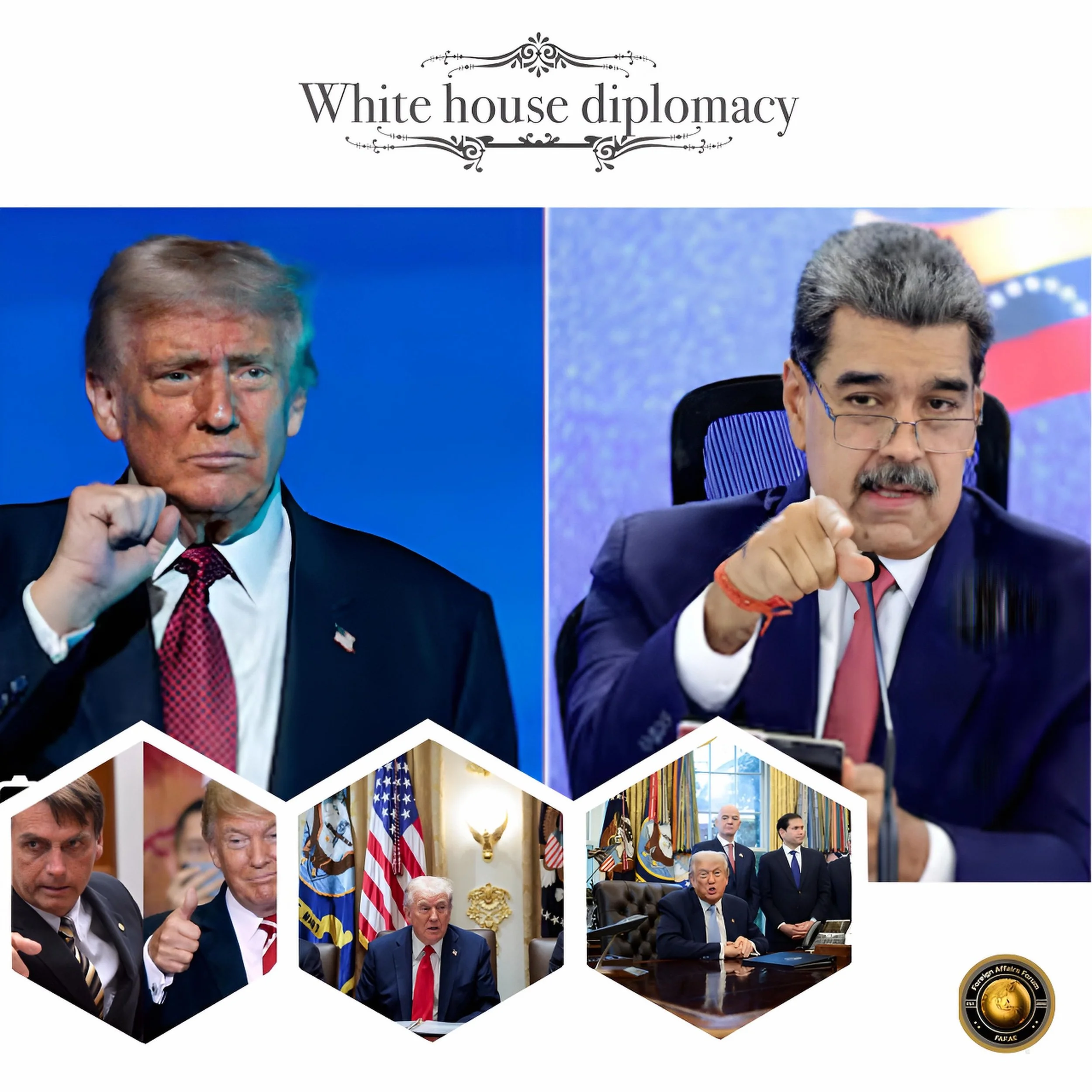
The Trump administration’s initial approach involved incremental economic pressure, military interdiction of suspected drug shipments in Caribbean waters, and public rhetoric characterizing Maduro’s government as a narco-state.
The breakthrough came on January 3-4, 2026, when American military forces conducted a raid on Maduro’s residence in Caracas, secured both him and his wife, and transported them under heavy security to detention in Brooklyn.
By Saturday, January 4, Attorney General Pam Bondi had unsealed a superseding indictment that expanded the charges and added co-defendants, signaling that the Trump administration intended to prosecute this case as a vindication of American law enforcement authority.
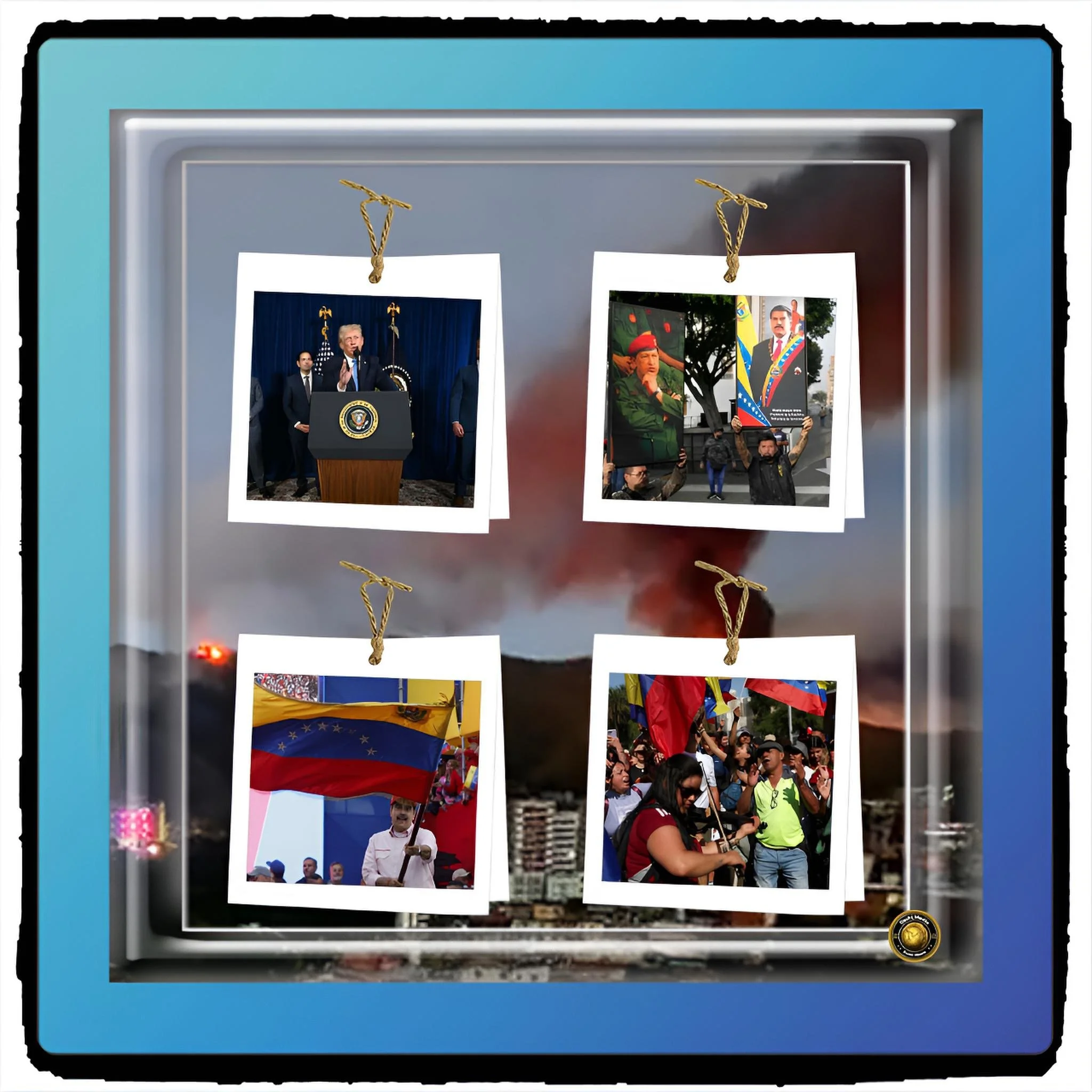
The specific timing of the military operation against the backdrop of Venezuela’s post-2024 election turmoil illuminates the geopolitical stakes beneath the legal proceeding. Venezuela’s presidential election in 2024 occurred amidst allegations of fraud; international observers questioned the legitimacy of Maduro’s claimed victory, and the United States, alongside numerous Latin American governments, refused to recognize Maduro as Venezuela’s legitimate president.
This diplomatic non-recognition becomes legally significant because it forecloses Maduro’s principal defense—the assertion that, as a sitting head of state, he enjoys immunity from prosecution in foreign courts.
If the United States and its judicial system do not recognize Maduro’s presidency, the argument for immunity loses constitutional foundation.
Key Developments at the January 5 Hearing
Judge Hellerstein took the bench at 12:03 p.m. Eastern Time, and the arraignment proceeded with the formalism characteristic of federal criminal practice. Maduro, wearing prison garb and ankle shackles, entered, accompanied by his wife, Flores, and their respective defense counsel.
The courtroom setup reflected security protocols appropriate to the detention of a former national leader—federal marshals maintained perimeter security, reporters were sequestered to overflow rooms monitored via closed-circuit television, and the proceedings were transcribed for the extensive appellate litigation that will inevitably follow.
When Hellerstein asked Maduro to confirm his identity, the defendant immediately attempted to provide a substantive narrative, stating that he had been “captured” at his home in Caracas and asserting his continued status as Venezuela’s president.
Judge Hellerstein, demonstrating the judicial gatekeeping authority characteristic of his bench demeanor, interrupted and informed Maduro that “there will be a time and place to get into all of this.”
The judge then read Maduro his constitutional rights—the right to remain silent, the right to counsel, and the right to bail—and asked whether Maduro understood them.
Maduro responded, through an interpreter, that he had not previously been informed of these rights and that “Your Honor is informing me of them now.”
This exchange is significant because it establishes that Maduro entered the American criminal justice system without prior notice of his procedural protections, a fact that his defense team may later cite to challenge the conditions of his detention and the validity of his apprehension.
Hellerstein then proceeded to the central matter of an arraignment: determining whether the defendant would enter a plea.
Maduro declared, “I am innocent. I am not guilty. I am a decent man. I am still president of my country.” His wife similarly proclaimed her complete innocence. Neither defendant contested their detention at this stage, and neither defense counsel filed a bail application.
Barry Pollack, Maduro’s attorney, signaled instead that the defense intended to challenge “the legality of his military abduction” and raise questions about Maduro’s status as a head of state entitled to immunity. By deferring bail arguments, the defense team appeared to be adopting a strategy of contesting the threshold legality of Maduro’s seizure before addressing the financial conditions of his release.
Flores’ physical condition became a matter of concern for the court during the hearing. Her attorney, Mark Donnelly, informed the court that Flores had sustained “significant injuries” during the military operation, including what he characterized as probable rib fractures or severe bruising.
Observers noted that Flores entered the courtroom with visible bandaging on her right temple and forehead, and that she required assistance from federal marshals to sit and stand.
Judge Hellerstein responded not with indifference but with a directive to the prosecution: that it ensure Flores received appropriate medical evaluation and treatment.
This response signals that the judge intends to maintain oversight of the defendants’ conditions of confinement and will not permit humanitarian concerns to be subordinated to prosecutorial objectives.
Latest Facts and Concerns
The Courtroom Drama: “Not Guilty,” Maduro Declared, Then Called Himself Prisoner of War—Judge Cut Him Off Cold
The immediate factual posture of the case centers on the unprecedented nature of the defendants’ apprehension. Unlike extradition proceedings, which involve formal diplomatic requests, treaty compliance, and host nation cooperation, Maduro’s seizure occurred through unilateral American military action without Venezuelan government authorization or consent.
The Trump administration has framed this operation as a law enforcement function, with Secretary of State Marco Rubio and Defense Secretary Pete Hegseth characterizing it as a professional execution of longstanding warrants. However, the operation involved approximately 150 aircraft and nearly 200 American personnel, suggesting a scale more akin to a military operation than to typical law enforcement operations.
The indictment itself alleges that between 1999 and 2025, Maduro and his co-conspirators facilitated the importation of thousands of tons of cocaine into the United States.
The charging document specifically names Cilia Flores as having accepted hundreds of thousands of dollars in bribes in 2007 to arrange a meeting between a major drug trafficker and Venezuela’s National Anti-Drug Office director. These allegations carry such gravity that conviction would expose both defendants to potential life imprisonment.
The indictment names six co-defendants, including Maduro’s son Nicolás Ernesto Maduro and Venezuelan Interior Minister Diosdado Cabello, none of whom have been apprehended.
From the defense perspective, several vulnerabilities and opportunities have emerged. Maduro’s claim that he is “still president” of Venezuela will encounter the insurmountable obstacle that the United States government, along with numerous other nations, has declined to recognize his presidency following the disputed 2024 election.
Without recognized presidential status, Maduro cannot assert the immunity doctrines that have historically protected heads of state from prosecution in foreign courts.
The Supreme Court has previously ruled, in the case of a Mexican national abducted from Mexican territory, that even if the abduction violated international law, the defendant remains subject to trial in American courts. However, Maduro’s attorneys will argue that the circumstances here differ materially—that the operation violated not merely bilateral treaty obligations but fundamental principles of national sovereignty enshrined in the United Nations Charter.
The defense faces a further complication in the strength of the underlying charges. The indictment, constructed from years of intelligence gathering and investigation, alleges specific transactions, specific dates, and specific co-conspirators.
The prosecution will present evidence of the Venezuelan government’s documented involvement in cocaine trafficking, evidence that accumulating corruption within Venezuela’s state institutions has made this a question of historical record rather than a disputed allegation. Defense counsel will need to demonstrate not merely that the charges are legally defective, but that the factual predicate for the charges has been fabricated or misrepresented.
Cause-and-Effect Analysis: The Intersection of Sovereignty, Law Enforcement, and Constitutional Constraint
Judge Hellerstein’s judicial philosophy, as demonstrated through his recent rulings, suggests that he will structure this prosecution with meticulous attention to constitutional boundary-marking.
Three recent decisions illuminate his approach: his ruling that the Trump administration’s invocation of the Alien Enemies Act violated due process protections; his refusal to transfer Trump’s New York state criminal case to federal court; and his grant of habeas corpus relief to Michael Cohen.
These decisions establish a consistent pattern—Hellerstein scrutinizes executive power assertions, requires apparent constitutional authority for coercive governmental action, and privileges procedural fairness over executive convenience.
This judicial temperament will almost certainly generate friction between the judge and the prosecution. The Trump administration will seek a rapid trial and conviction, framed as vindication of American law enforcement authority and deterrence against narco-terrorism.
Judge Hellerstein will likely impose discovery obligations, require careful examination of whether evidence was obtained in violation of constitutional protections, and potentially raise sua sponte questions about whether Maduro’s apprehension creates an impediment to fair trial.
The judge’s history of granting preliminary relief—temporary restraining orders, preliminary injunctions—suggests he is willing to pause prosecutorial momentum when constitutional questions remain unresolved.
The cascade of consequences flows from this tension.
First, the legality of Maduro’s apprehension will necessarily become a central prosecutorial liability. Although the Noriega precedent suggests courts will not permit habeas corpus claims based on an abduction’s illegality to defeat jurisdiction, Hellerstein may require the prosecution to justify the specific operational decisions—the scale of military involvement, the use of lethal force (if any), the treatment of Flores during apprehension—with reference to law enforcement necessity rather than military exigency.
Second, the judge’s commitment to due process will likely extend to discovery disputes, as defense counsel will seek documents related to the military operation, intelligence gathering, and any potential legal analysis prepared before the operation regarding its constitutional permissibility.
Third, the judge’s humanitarian concerns, evident in his directive regarding Flores’ medical care, will likely result in a ruling that both defendants receive medical evaluations and that any medical evidence becomes part of the trial record.
The broader effect of Hellerstein’s jurisprudence will be to transmute a prosecution that the Trump administration intends as a demonstration of American power into a proceeding that interrogates the limits of American power under constitutional law.
This transformation serves the institutional interests of the federal judiciary—it reasserts judicial authority to constrain executive overreach—while simultaneously advancing the rule of law by requiring the government to justify its most extraordinary actions through transparent legal reasoning rather than executive fiat.
Future Steps and Likely Trajectories
The Constitution Crisis: Military Seized Maduro from His Home—But Federal Judge May Rule the Operation Unconstitutional
The prosecution will follow a conventional criminal procedure arc, but with extraordinary complexity layered throughout. The March 17 hearing will likely address discovery disputes, potential bail applications, and procedural scheduling.
Defense counsel will request extensive time for case preparation, given the voluminous evidentiary record inevitable in a narco-terrorism conspiracy prosecution spanning twenty-five years. The prosecution will likely oppose extensive delays, seeking to accelerate toward trial while public attention and political momentum favor swift conviction.
Several distinct legal challenges will emerge.
First, the defense will file motions challenging the legality of Maduro’s apprehension, seeking either dismissal of charges or suppression of evidence derived from the military operation. These motions will fail at the district court level, given the Noriega precedent, but will create a record for appellate litigation.
Second, the defense will pursue discovery battles, seeking to obtain communications, legal memoranda, and operational plans developed before the military operation.
Third, the defense may seek to relocate the trial venue away from Manhattan, arguing that the extraordinary publicity surrounding Maduro’s capture, combined with the proximity of the courthouse to Ground Zero and the courthouse’s location in a jurisdiction that voted overwhelmingly against Trump, creates juror prejudice.
Judge Hellerstein will need to address these venue questions carefully, balancing legitimate concerns about fair jury selection against the principle that the trial should occur in the district where the crime occurred (as alleged).
The ultimate trajectory toward trial will be extraordinarily protracted.
Complex narco-terrorism cases involving multiple jurisdictions, foreign witnesses, classified intelligence, and translation requirements typically require two to three years of preparation.
Judge Hellerstein, given his age (92) and demonstrated commitment to careful deliberation, will likely resist prosecutorial pressure to expedite. The judge may also face pressure from international quarters—the UN Security Council has begun discussions of the case, and nations including Russia, China, and Mexico have questioned the legality of the military operation.
These international dimensions will add complexity to Hellerstein’s management of the case, as he will need to ensure that the trial remains purely a criminal proceeding addressing narco-terrorism allegations without becoming a venue for geopolitical contestation.
Bail and detention will remain contested issues.
The prosecution will argue that Maduro, as a former head of state with international connections and access to substantial resources, poses an unacceptable flight risk.
The defense will argue that Maduro’s age (63), his wife’s health condition, and his expressed commitment to contest the charges rather than flee, warrant release on bail or recognizance.
Judge Hellerstein may eventually order release on strict bail conditions—including seizure of Venezuelan-held assets as security, GPS monitoring, and restrictions on international contact—but the likelihood that both Maduro and Flores remain detained throughout the trial process appears substantial.
Conclusion
The Detention Dilemma: Will Maduro Remain in Brooklyn Prison Throughout Trial? Judge’s March 17 Decision Could Reshape International Law
Judge Alvin K. Hellerstein’s assumption of judicial responsibility for the Maduro prosecution situates him at the intersection of three profound legal and political tensions: the tension between executive power and constitutional constraint, the tension between national sovereignty and international law, and the tension between law as an instrument of state power and law as a transcendent principle protective of individual rights.
His January 5 arraignment hearing established the judge’s intention to preside over this matter with careful attention to constitutional niceties and procedural fairness, despite the extraordinary geopolitical circumstances surrounding Maduro’s apprehension.
The 30-minute hearing revealed little about the ultimate trajectory of the case, but it revealed much about the judge’s judicial philosophy.
Hellerstein interrupted Maduro’s attempts to litigate the circumstances of his capture, signaling that substantive constitutional challenges will be addressed through formal motion practice rather than courtroom oratory. He directed the prosecution to ensure medical care for a defendant claiming injury during apprehension, signaling that humanitarian concerns will not be subordinated to prosecutorial convenience. He preserved both defendants’ right to file bail applications at a later stage, signaling that detention decisions will be revisited as the case develops.
Most importantly, he established his authority to define the boundaries of legitimate governmental action within the criminal justice process itself.
The prosecution of Nicolás Maduro will ultimately be resolved through this judge’s careful calibration of competing legal principles. The administration’s gamble—that a military operation extracting a foreign leader and subjecting him to American criminal trial would be sustained by American courts—will be tested in Hellerstein’s courtroom.
The judge’s demonstrated skepticism toward executive assertions of unreviewable authority, his commitment to procedural fairness even when applied to arguably unsympathetic defendants, and his institutional conviction that judicial oversight constrains executive power, all suggest that this prosecution will unfold not as a triumphant demonstration of American dominance, but as a complex, contested, and fundamentally constitutional proceeding where law’s authority is continually reasserted against power’s assertions.
The remaining questions—whether the charges can be proven beyond reasonable doubt, whether evidence obtained through the military operation will be admissible, whether international law norms regarding heads of state will influence American courts’ interpretation of domestic criminal procedure—will be adjudicated by a 92-year-old jurist whose four decades of experience suggest he will approach these matters with the seriousness they deserve and the independence they require.