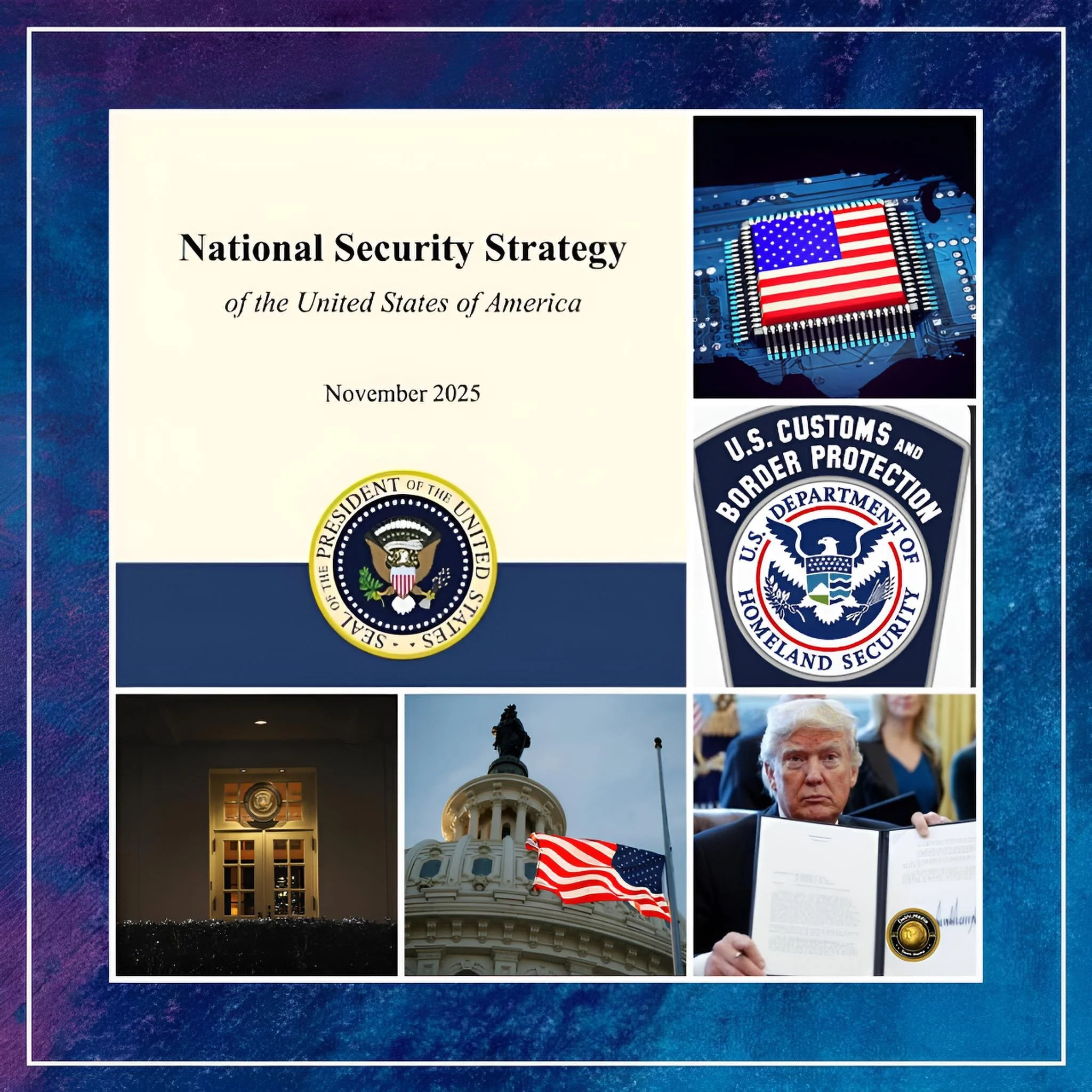
Trump's National Defense Strategy: What Changed and What It Means
Executive Summary
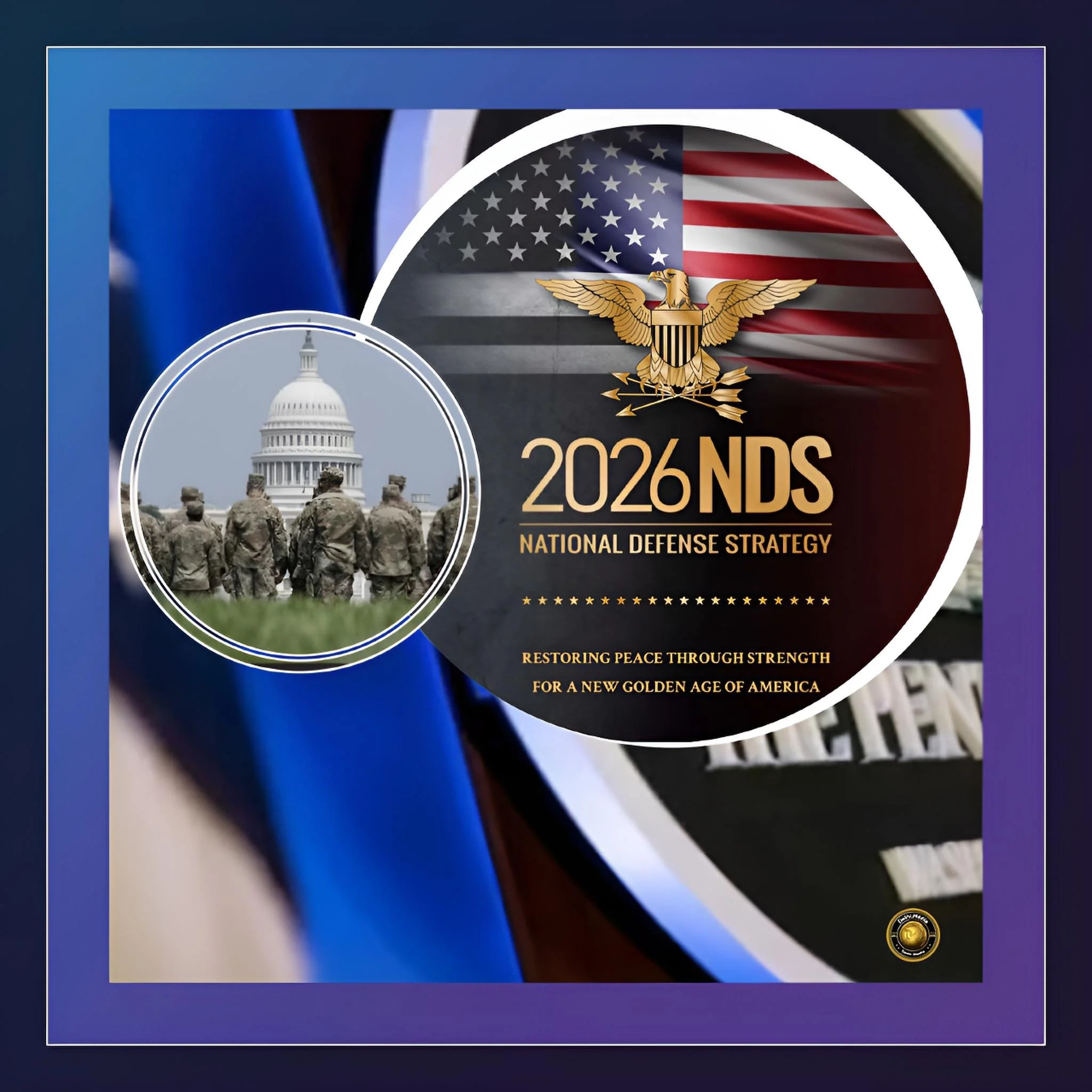
The Pentagon released a new defense strategy on 23 January 2026.
This strategy tells the U.S. military where to focus its troops and money for the next 4 years.
The biggest change: America is focusing on protecting its own region—North America and the Western Hemisphere—instead of protecting the whole world.
The strategy lists 4 priorities: protect America, deter China, make allies defend themselves, and rebuild American weapons manufacturing.
The strategy is significant because it marks a shift away from 75 years of American military practice.
For 75 years, America kept lots of troops in Europe and Asia to prevent wars.
Trump's strategy says: enough. Other countries should defend themselves more.
Introduction
What Is a Defense Strategy?
A defense strategy is a plan for how to use the military to protect a country. It says what are the biggest threats, which regions matter most, and what weapons and troops the military needs.
Trump's strategy is different because it focuses on America first. It says America should focus on problems in its own region—Mexico, Canada, South America, the Caribbean—before focusing on Europe or Asia.
History
The Old Strategy
After World War II, America decided to station troops around the world. Troops went to Europe to stop communism. Troops went to Asia to stop Soviet expansion. This strategy lasted 75 years.
The idea was:
if we stop wars early by having troops there, we avoid bigger wars. If we protect Japan and South Korea, they stay democratic and friendly.
If we protect Europe, Germany and France stay democratic.
But the strategy was expensive. America spent hundreds of billions $ every year.
Trump said: this is too much. Other countries should pay more. America is paying for their defense.
Key Developments
4 New Priorities
The strategy lists 4 priorities.
First: defend the homeland and Western Hemisphere. This is new. Most of America's military is usually overseas. Now it will focus on America's neighborhood.
Second: deter China in the Indo-Pacific. This means preventing China from controlling the Pacific Ocean area. The strategy mentions the "First Island Chain"—islands running from Japan to the Philippines. But it never mentions Taiwan, which is strange because Taiwan is the most important place in that chain.
Third: make allies do more. NATO countries should spend more on defense. Japan and South Korea should defend themselves more. Australia and the Philippines should do more. America will help less than it used to.
Fourth: rebuild American weapons manufacturing. America needs to make more weapons faster and cheaper.
Latest Facts and Concerns
Several things worry experts.
First: Taiwan is not mentioned once. China says it will take Taiwan by 2027. But the strategy does not mention Taiwan. This could mean America will not defend Taiwan if China attacks.
Second: Russia is called a "manageable threat." But Russia is still fighting in Ukraine. Some experts think this description is too weak.
Third: The strategy barely mentions technology and artificial intelligence. China is developing AI weapons. America needs to stay ahead. But the strategy does not focus on this.
Fourth: Latin American countries are concerned. Trump talked about taking over the Panama Canal and buying Greenland.
Countries in Latin America think this is imperial and aggressive.
Cause and Effect
What Could Go Wrong
If America reduces troops in Europe while Europe is building up its military, there is a dangerous gap. During that gap, Russia could attack. Russia might think: "Europe is weak now. Let me attack." But Europe might not be as weak as Russia thinks. Then America has to decide: do I fight Russia? That is dangerous.
If Taiwan thinks America will not defend it, Taiwan might give up. But America might actually defend Taiwan. So both sides miscalculate. That causes war.
If America focuses only on its hemisphere, China and Russia expand in Africa, the Middle East, and other places. America loses influence.
Conclusion
Trump's defense strategy represents a major shift. Instead of defending the world, America will defend its own region. Instead of keeping hundreds of thousands of troops overseas, America will ask allies to do more.
This could work. Allies should do more. America spends too much. But it could also create problems. If Russia attacks while Europe is weak, America has to decide whether to fight. If China attacks Taiwan while America is unclear about commitment, that could cause a big war.
The next few years will show if this strategy is smart or risky.