What Is—and Isn't—in Trump's New National Defense Strategy: A Simple Guide to America's New Military Plan
Executive Summary
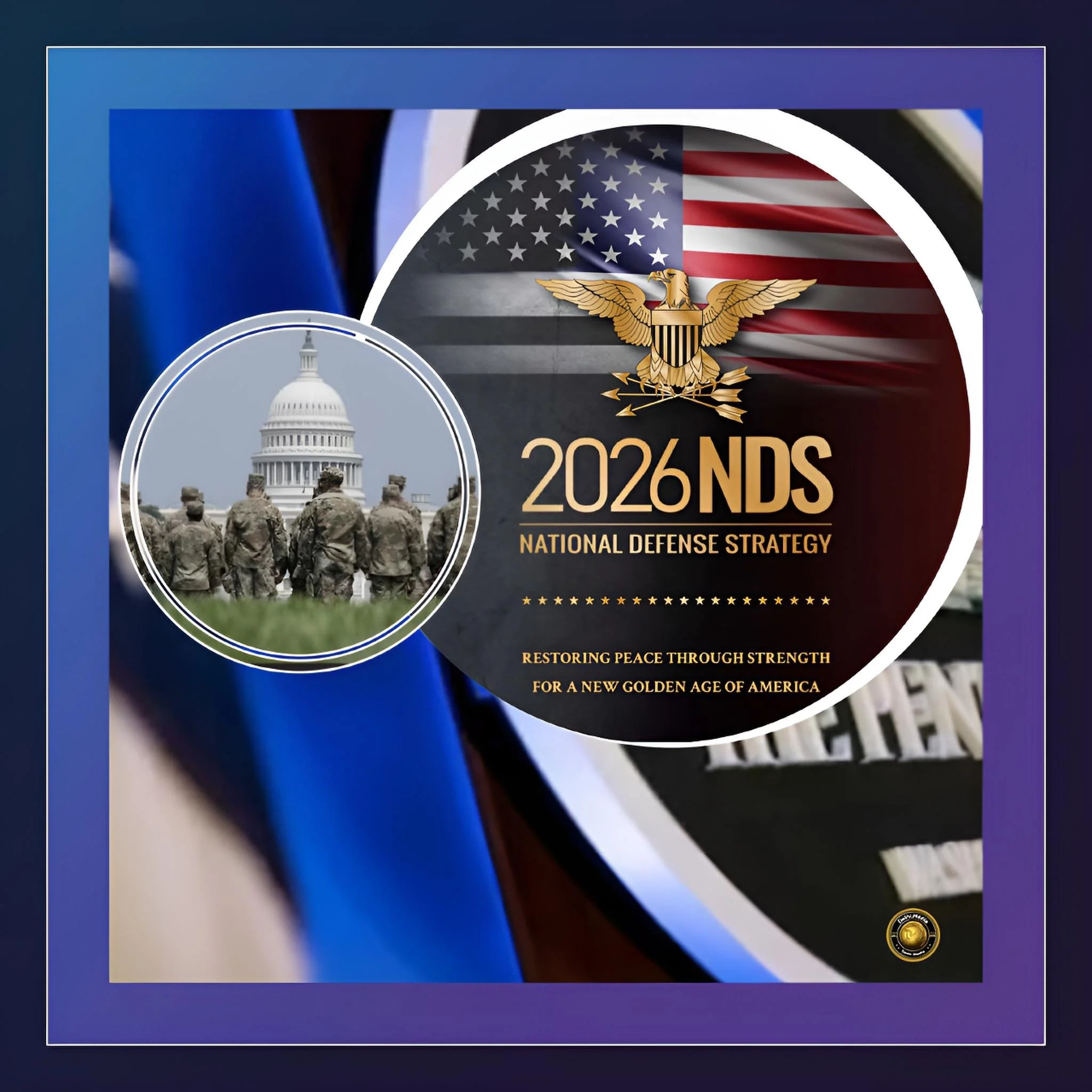
On 23 January 2026, the Pentagon released a document called the National Defense Strategy (NDS). This document is like a roadmap that tells the U.S. military what to prioritize and where to focus resources. It comes out every 4 years. Trump's version is very different from strategies written in the past.
The key change: America is moving away from focusing on the rest of the world and focusing more on protecting itself and the Western Hemisphere. The document lists 4 priorities in order: defend the homeland and Western Hemisphere, deter China, make allies do more for their own defense, and rebuild America's ability to make weapons and military equipment.
The document mentions some things that worry experts, and it leaves out other things that experts think are important. Taiwan is not mentioned at all, even though China is threatening to take over Taiwan by 2027. Russia is described as a "manageable threat," even though Russia is still fighting a war in Ukraine. Europe is told to mostly defend itself, with America providing less support.
Introduction
Understanding the Strategic Shift
A national defense strategy is a document that explains how a nation will use its military to protect itself. It identifies what threats are most important, which parts of the world are most important, and what capabilities the military needs to build.
Trump's new strategy is different because it prioritizes America's own protection and the Western Hemisphere over other parts of the world. In the past, American defense strategy treated Europe and East Asia as equally important to American security. Troops were stationed there. Lots of money was spent protecting these regions.
Trump's strategy says: enough. America should focus on its own region first. Other countries should handle their own security problems. This is a big change in how America thinks about defense.
History
How We Got Here
For about 75 years, after World War II, America kept large numbers of troops in Europe and East Asia. The thinking was: if we stop communism in Korea or NATO in Europe, we protect America. We prevent wars instead of fighting them far away from home.
During Trump's first term as president (2017-2021), he questioned this strategy. He said America was spending too much money protecting people who were not paying their fair share. He said Europe and Japan should spend more on their own defense. He threatened to leave NATO. But his 2018 defense strategy still kept America committed globally.
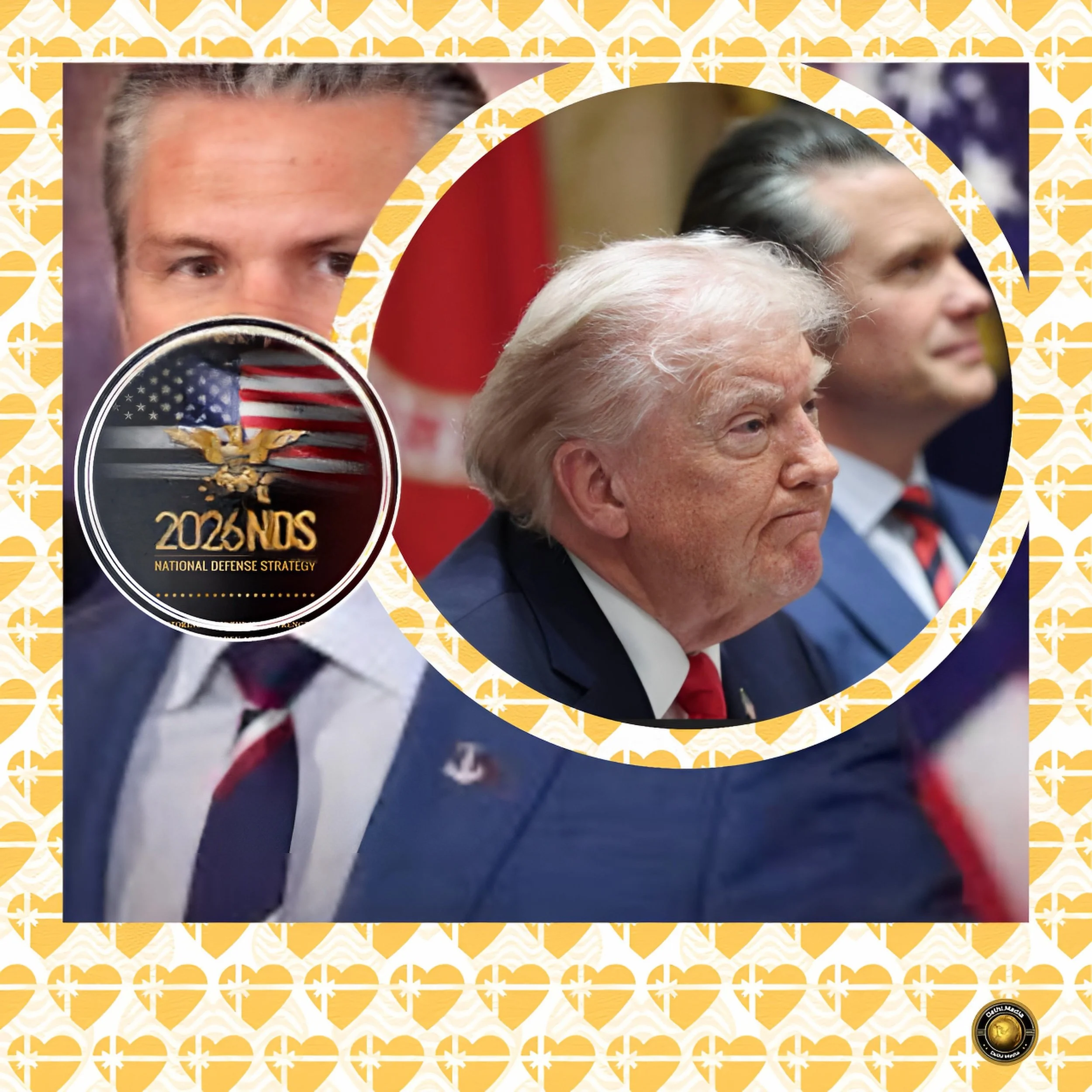
Trump's second term, which began in January 2025, is different. Trump appointed Pete Hegseth as Secretary of Defense. Hegseth wrote a book criticizing American military operations in Iraq and Afghanistan. He believes America should stop trying to nation-build and should focus on defending its own territory.
Hegseth and Trump agree: America is stretched too thin. We have bases in 140 countries. We have 50,000 troops in Europe and 80,000 in East Asia. That costs hundreds of billions of $ every year. Maybe, they think, we should focus that money and those troops on protecting America and America's neighborhood.
Key Developments
What Is in the Strategy
The new defense strategy lists 4 priorities, in order: First, defend the U.S. homeland and Western Hemisphere. Second, deter China in the Indo-Pacific. Third, make allies do more for their own defense. Fourth, rebuild America's ability to manufacture weapons and military equipment.
The first priority is brand new. Previous strategies mentioned homeland defense but did not make it the number 1 priority. This strategy says: the military's main job is to protect America and the Western Hemisphere. This means Mexico, Canada, Central America, South America, and the Caribbean.
The document mentions Greenland 5 times. It says Greenland is important to American security. Why? The document says Russia and China have ships and military operations near Greenland. It also says America needs military access to Greenland. Trump has suggested buying Greenland from Denmark, but the strategy does not say that directly.
The document also focuses on the Panama Canal and what Trump calls the "Gulf of America" (what everyone else calls the Gulf of Mexico). It says America needs to guarantee its military access to these places.
On China, the strategy is interesting. It acknowledges that China is powerful and building up its military. But it says America's goal is not to dominate China or humiliate China. Instead, it says America wants to "deter China through strength, not confrontation."
It calls for more military-to-military talks with China's military. It emphasizes "de-escalation and deconfliction"—meaning, if we talk more, we can avoid accidents that turn into wars.
But here is what is interesting: the strategy mentions the "First Island Chain" (the islands running from Japan through Taiwan and the Philippines). It says America will defend this chain. But the document never mentions Taiwan by name. Not once. This is strange and worrying. Taiwan is the most likely flashpoint for U.S.-China war, and Xi Jinping has ordered his military to be ready to take Taiwan by 2027. But the strategy does not mention it. This may signal that America is not as committed to Taiwan as in the past.
On Russia, the strategy says Russia is a "persistent but manageable threat." It points out that Germany's economy is 10 times bigger than Russia's. It says Europe should handle Russia's threat itself. America will help, but it will be "more limited" support. This means America is giving Europe more responsibility for fighting Russia.
The strategy says Europe should take the lead on defending itself against Russia, including defending Ukraine. This is important because right now America has been sending a lot of weapons to Ukraine. The strategy suggests that will decrease.
Latest Facts and Concerns
What Worries Experts
Experts have identified several concerns about the new strategy.
First, some worry that downplaying Russia's threat is dangerous. Russia is still fighting in Ukraine. It has nuclear weapons. It could attack NATO members in Eastern Europe. Yes, Europe is stronger than Russia economically, but militaries need time to shift resources from other things to defense. If America withdraws support too fast, Russia might attack while NATO is still not ready.
Second, experts worry about Taiwan. The strategy does not mention Taiwan. This could mean that if China attacks Taiwan, America might not defend it. But America has treaties with Taiwan and has said for decades that it will help defend Taiwan. If America abandons Taiwan, China would take over, and America would lose influence in the Indo-Pacific. Experts say this is a big risk.
Third, some worry that the strategy does not focus enough on technology, especially artificial intelligence (AI). China is developing AI-enabled weapons. America needs to stay ahead. But the strategy barely discusses technology compared to previous strategies. The Pentagon released a separate AI strategy, but the defense strategy does not integrate technology development and military strategy well.
Fourth, Latin American countries are concerned. Trump has suggested that America might take over the Panama Canal or buy Greenland. Countries in Latin America view this as old-style American imperialism. They might get angry and turn to China or Russia for partnerships instead.
Fifth, allied governments worry that America is abandoning them. Japan, South Korea, and Australia depend on America for protection against China. Europe depends on America for protection against Russia. If America reduces its commitment, these countries might build nuclear weapons themselves, or they might align with China or Russia. This could create more instability, not less.
Cause and Effect
What Happens If This Strategy Is Implemented
If America reduces troops in Europe, 2 things could happen. One: Europeans increase their defense spending and building their own military forces. Over time, this makes Europe stronger and more independent. That is good. But the bad part: right now, while they are building up, they are weak. Russia might attack during this weak period. The window of vulnerability could be 2-3 years.
If America is unclear about defending Taiwan, China might think: "America will not fight for Taiwan. Let's take it." But America might be wrong—Americans might decide to fight anyway, causing a war that nobody wanted. This is called a "strategic miscalculation." It happens when leaders misunderstand what other leaders will do.
If America focuses only on its hemisphere and China, then Africa, the Middle East, and Central Asia become less important. But America has troops in these places. It has bases. American interests are there. Competitors like China and Russia are expanding influence in these regions. If America is not paying attention, these regions fall under Chinese or Russian influence.
If America reduces military spending on Europe but Europe increases its spending, Europe might become strong enough to defend itself without America. That sounds good. But in the near term, while Europe is building up, NATO is weaker. This is the dangerous period.
The Greenland and Panama Canal focus creates 2 problems. First, it angers other countries. Denmark is the owner of Greenland. Panama runs the Canal. If America is too aggressive about controlling these places, these countries and other Latin American countries get angry and look for other partners. Second, it signals that Trump prioritizes territorial control over the rest of the world. This makes America look like it is trying to be an empire, not a democratic leader.
Future Steps
What Happens Now
The Pentagon will now create detailed plans for how to implement this strategy. It will decide which military bases to close, which troops to move, and how to reorganize the military. This will take years.
Congress will ask questions. Democrats will ask: "What about Taiwan? What about Europe?" Republicans will ask: "Can we really afford all this? Can we actually close bases and move troops?"
Allied governments will lobby Congress. Japan will say: "We need American commitment." Germany will say: "We cannot defend ourselves that fast." Taiwan will say: "We need your help."
The Pentagon will also try to "supercharge" the defense industrial base. That means helping American companies build more weapons. The government will try to make it easier and faster to buy weapons. It will try to cut red tape.
The administration will also pursue Greenland and Panama Canal influence through diplomacy. There may be tense conversations with Denmark and Panama.
Conclusion
Trump's new National Defense Strategy represents a major change in how America thinks about its military. Instead of defending the whole world, America will focus on its homeland and Western Hemisphere. Instead of keeping lots of troops overseas, America will ask allies to do more. Instead of treating Europe and Asia as equally important, America will prioritize its own hemisphere.
Some of these ideas make sense. America is spending a lot of money overseas. Allies should contribute more. But experts worry that the strategy creates risks. If America reduces commitment to Europe too fast, Russia might attack. If America is unclear about Taiwan, China might take it. If America focuses only on its hemisphere, it might lose influence elsewhere.
The next few years will show whether Trump's strategy works or whether it creates the problems that experts worry about.
That is what makes this strategy so important: it will shape American military decisions for years to come, and those decisions will affect global stability and American power.