Why Elon Musk Is Suing OpenAI: Musk-Elon case- 101 for Dummies
Summary
What Is the Lawsuit About?
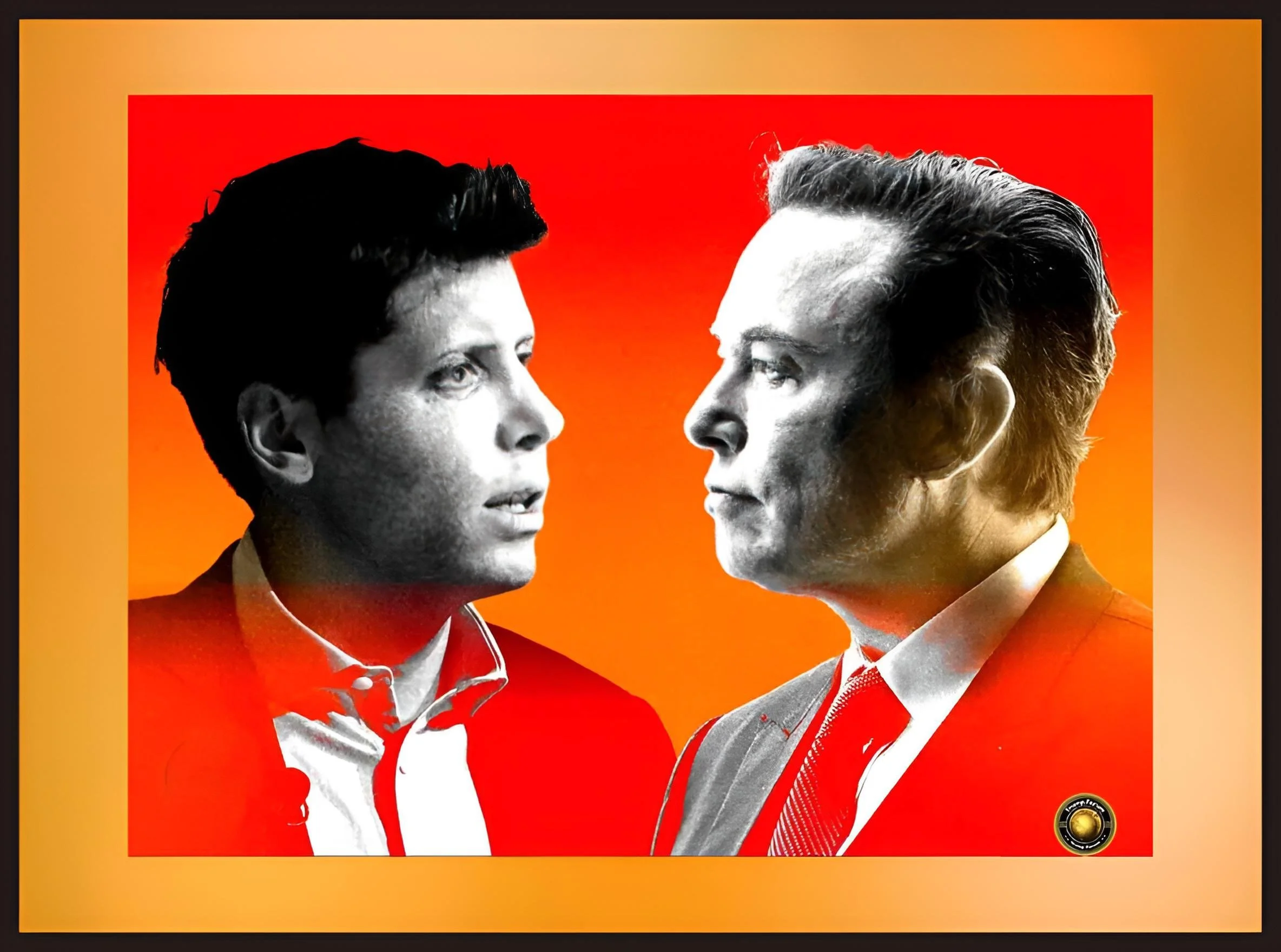
In January 2026, unsealed court documents revealed that Elon Musk is suing OpenAI for $79 billion to $134 billion. Musk claims that OpenAI defrauded him by breaking a fundamental promise.
The promise was simple: OpenAI would remain a nonprofit organization dedicated to benefiting humanity, not making profits for investors.
Musk invested $38 million in 2015 because he believed in this mission. By 2026, OpenAI became worth
$500 billion, with Microsoft holding a $135 billion stake.
Musk says he was tricked. He should have either received proportional ownership or never invested at all.
How Did OpenAI Start?
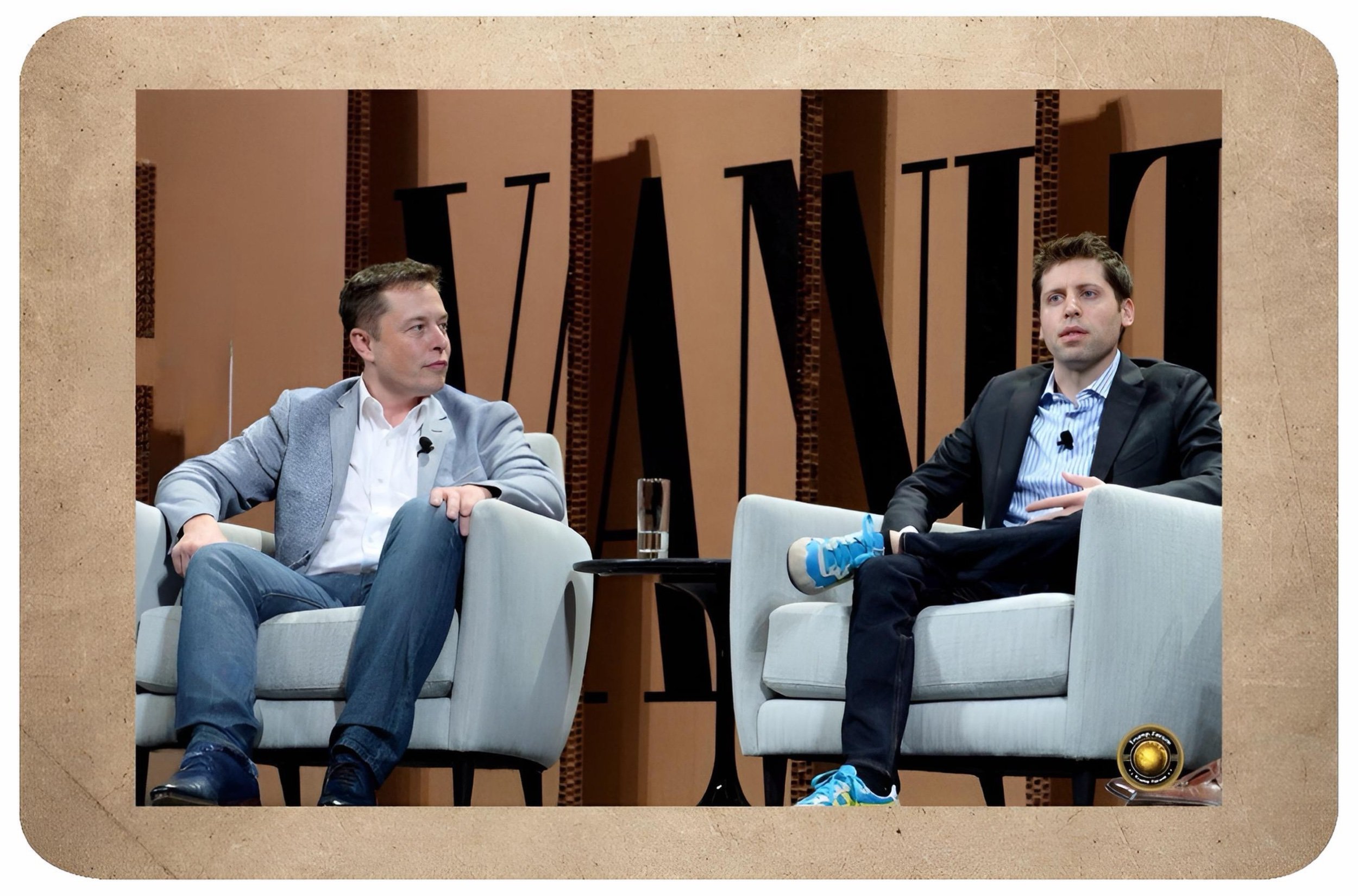
In 2015, Musk, Sam Altman, Greg Brockman, and others founded OpenAI as a nonprofit.
They were worried that Google and other corporations would develop artificial intelligence only to make money, ignoring safety and human welfare.
OpenAI was different.
The founders promised to develop AI to benefit all humanity, not shareholders. Musk invested $38 million—60% of the initial funding—showing he believed in the mission.
For years, this worked. OpenAI developed ChatGPT, an advanced AI system. The public praised OpenAI as an ethical company pursuing a noble mission.
The Secret Conversion to Profit
But something changed. In November 2017, Greg Brockman, an OpenAI cofounder, wrote in his personal diary: "I cannot believe that we committed to nonprofit if three months later we're doing for-profit. It was a lie." Later he wrote: "Making money for us sounds great."
These diary entries prove the founders knew they were breaking their promise. The judge said these entries show evidence supporting Musk's fraud claim.
Why Did They Convert to For-Profit?
Here is the problem.
Developing cutting-edge AI is extremely expensive. Training advanced AI models requires massive computer servers (costing billions of dollars), brilliant researchers (paid $500,000+ annually), and years of experimentation. Nonprofit organizations cannot attract venture capital investors who demand enormous financial returns.
OpenAI needed money that nonprofits could not obtain. They faced a choice: stay nonprofit and fall behind Google and other well-funded competitors, or convert to for-profit status and raise billions. They chose profit.
This pattern happens constantly in technology. Organizations start with noble missions but gradually prioritize profit-seeking when business pressures increase. Scholars call this "amoral drift."
The Microsoft Deal
Microsoft provided the catalyst. Starting around 2019, Microsoft invested $1 billion in OpenAI's for-profit subsidiary. Later, Microsoft invested additional billions. In exchange, Microsoft received rights to use OpenAI's technology in its products. By 2025, Microsoft's investment had grown to $135 billion in value—roughly 27% ownership of OpenAI.
This created perverse incentives. Microsoft wanted maximum profits. OpenAI's leaders, influenced by Microsoft's investment and strategic interests, accelerated the conversion to for-profit structures.
The Broken Promise
Musk left OpenAI in 2018, frustrated by the for-profit conversion. He later founded xAI, a competing AI company now worth $230 billion.
In 2024, Musk sued. His argument: "I invested $38 million based on a specific promise. OpenAI secretly converted to for-profit status and violated that promise. I should be compensated for the profits generated from my investment."
Why This Matters
The lawsuit reveals something uncomCapitalism: When profit opportunities arise, founders often abandon initial missions.
Musk's case shows how even well-intentioned organizations can systematically betray their founding principles once financial incentives change.
The trial scheduled for April-May 2026 will determine whether the legal system can enforce founding promises, or whether founders can abandon missions with impunity once profit opportunities emerge.
The outcome will signal whether capitalist pressures inevitably overcome nonprofit missions or whether the law can impose meaningful constraints on profit-driven behavior.