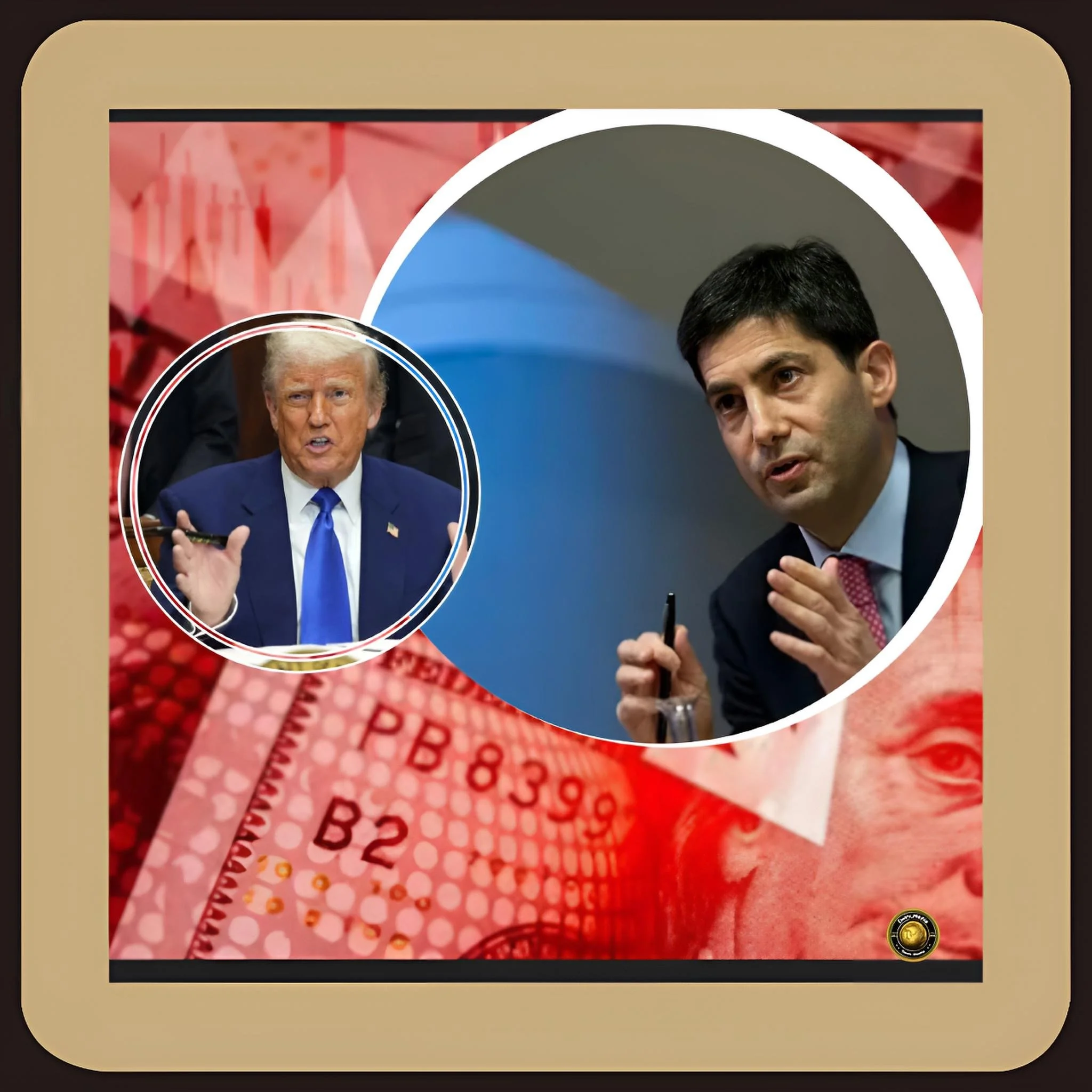
Trump Picks Kevin Warsh for Federal Reserve: Quick Explanation
Executive Summary
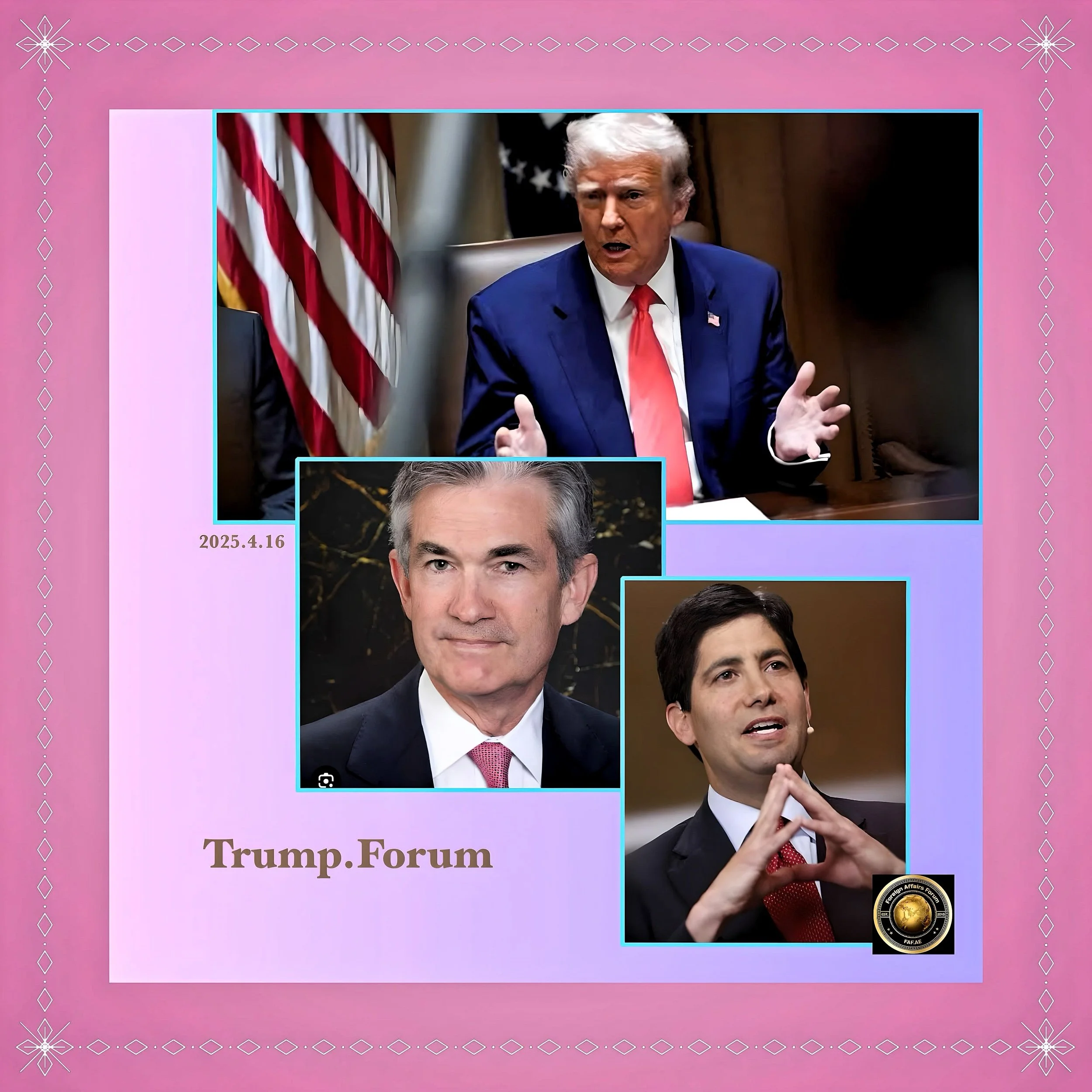
President Trump has chosen Kevin Warsh to lead the Federal Reserve, the organization that sets interest rates for the entire U.S. economy. Warsh is 55 years old and previously worked at the Fed during the 2008 financial crisis.
Current Fed chair Jerome Powell will leave in May 2026. This choice matters because the Fed's decisions affect what you pay for a mortgage, a car loan, or credit cards.
Trump has pushed hard for lower rates, and Warsh appears ready to deliver them.
However, experts worry that political pressure might hurt the Fed's independence.
Introduction
Who Is Warsh and Why Is This Important?
Kevin Warsh worked at a major investment bank called Morgan Stanley, then in the White House under President George W. Bush, and then as a Federal Reserve governor from 2006 to 2011.
He is currently a visiting fellow at Stanford University's Hoover Institution. Trump chose him because Warsh supports lower interest rates and has criticized the Fed under Powell.
The Fed chair's job is crucial. The Fed controls interest rates, which affect everything from whether you can afford a mortgage to whether your savings earn good returns.
When rates are low, borrowing is cheap but inflation (rising prices) can happen. When rates are high, borrowing is expensive but prices stay stable.
History
Trump vs. Powell
Trump appointed Powell to lead the Fed in 2017, but they later had a big disagreement. Trump wanted the Fed to cut rates drastically. Powell refused, saying inflation risks were still there. Trump was furious. He called Powell a "moron" on social media and said Powell was "costing America hundreds of billions" in unnecessary interest payments. The federal government has borrowed $38 trillion, and Trump wanted cheaper borrowing costs.
Powell stood firm, keeping rates higher to protect against inflation. Then, in January 2026, the Justice Department opened a criminal investigation into Powell over statements he made to Congress about renovating the Fed's headquarters.
Powell released an unusual video calling the investigation political pressure aimed at forcing him to cut rates. The investigation itself showed how much Trump wanted control over the Fed.
Latest Information: Why Warsh Matters
Warsh emerged as a candidate who would deliver what Trump wanted. Unlike Powell, Warsh said interest rates should be lower. He also said tariffs (taxes on imports) would not cause inflation, which aligned with Trump's views. Warsh is married to Jane Lauder, whose father Ronald Lauder is a billionaire and Trump donor who is close to Trump.
When the announcement came, financial markets barely reacted. Investors see Warsh as more serious than some other candidates, which actually reassured them.
But experts and former Fed officials worried. This is the first time a president has openly chosen a Fed chair mainly because the person would cut rates.
Cause and Effect
What This Means for You
If Warsh cuts rates, borrowing becomes cheaper. A family buying a house might get a lower mortgage payment. Small businesses can borrow cheaper to expand. That sounds good in the short term.
But problems can develop.
Prices at stores might rise faster.
Companies and people might borrow too much and take big risks. When the economy gets shaky, people lose their jobs.
Also, if the world stops trusting the Federal Reserve, other countries might not want to hold dollars or American bonds. That would make it harder for America to borrow money and would weaken the dollar's value.
Example: A German company needs to decide where to keep its money. If it trusts the Fed to act independently and keep inflation low, it might keep savings in dollars and American bonds.
But if it thinks the Fed just does what the president says, it might switch to euros. If millions of investors make this same choice, the dollar becomes less valuable.
That hurts all Americans.
Concerns and Next Steps
Several things worry economists and senators.
First, Warsh changed his views. In 2011, he quit the Fed because he thought too much bond-buying by the central bank was dangerous. Now he supports lower rates. People wonder if his views really changed or if he is just telling Trump what he wants to hear.
Second, tariffs are already raising prices.
Trump has put high taxes on imported goods.
Companies are raising their prices. If Warsh cuts rates while tariffs are pushing prices up, inflation could get out of control. That is a real risk.
Third, many people worry the Fed has lost its independence. If the president can pressure the Fed, it becomes like central banks in less stable countries. Those central banks often print too much money, which causes high inflation and economic trouble.
The Senate will vote on Warsh's confirmation.
Senator Thom Tillis said he will not vote for Warsh unless the Justice Department stops investigating Powell.
Tillis is trying to defend the Fed's independence.
Conclusion
Trump's choice of Kevin Warsh marks a major change in how America chooses its Fed chair.
For decades, presidents appointed economists who were selected for their knowledge, not for how much they would cut rates.
Warsh appears ready to cut rates, which is what Trump wants. That might help the economy in the short term.
But if the Fed becomes just another tool of the White House, global investors will lose trust. That loss of trust could hurt America far more than any short-term benefit from lower rates.
The key thing to watch: Will Warsh protect the Fed's independence, or will he be Trump's instrument? His first months in office will tell us.