Keir Starmer's Trip to China: Why Britain is Moving Closer to Beijing
Introduction
A Big Shift in British Foreign Policy
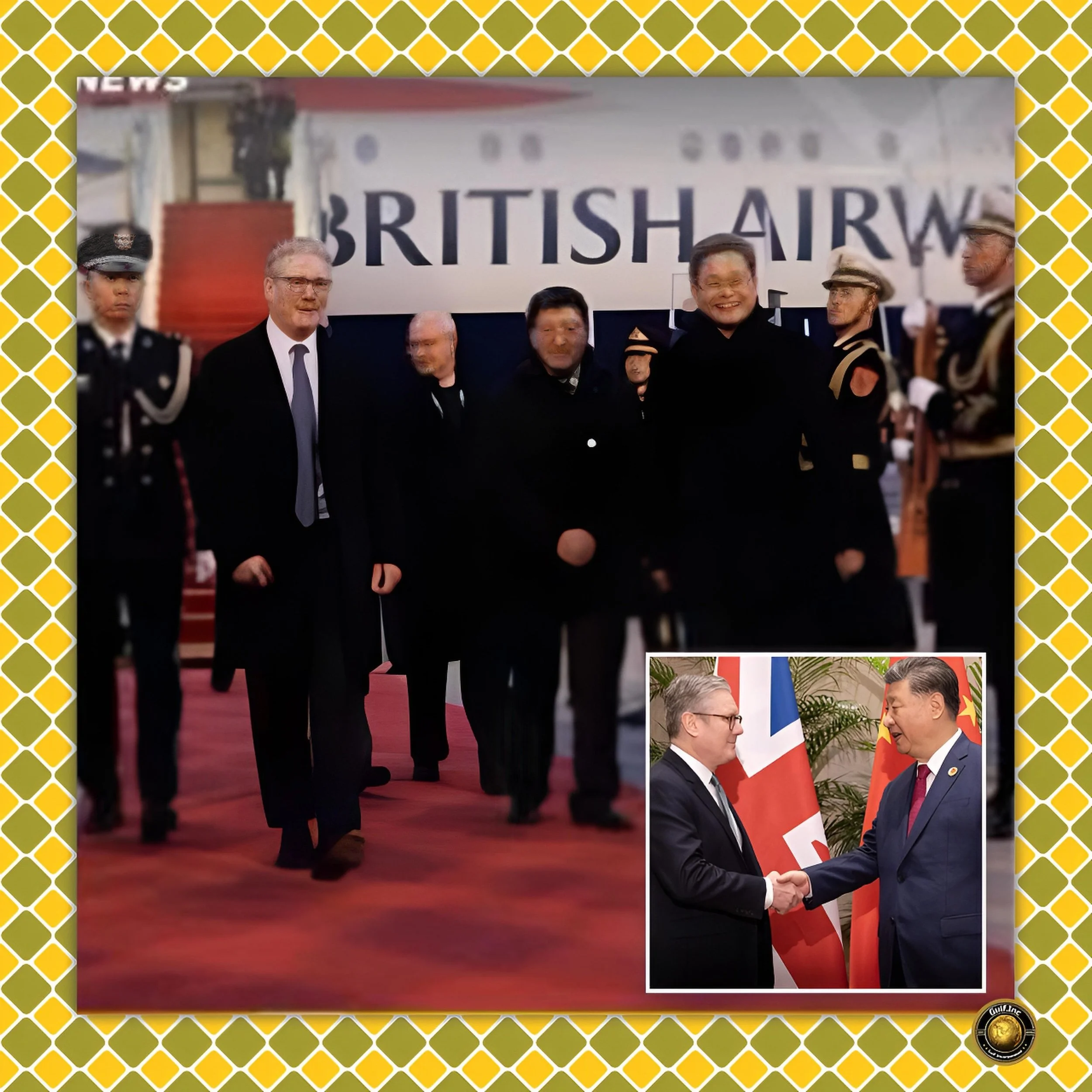
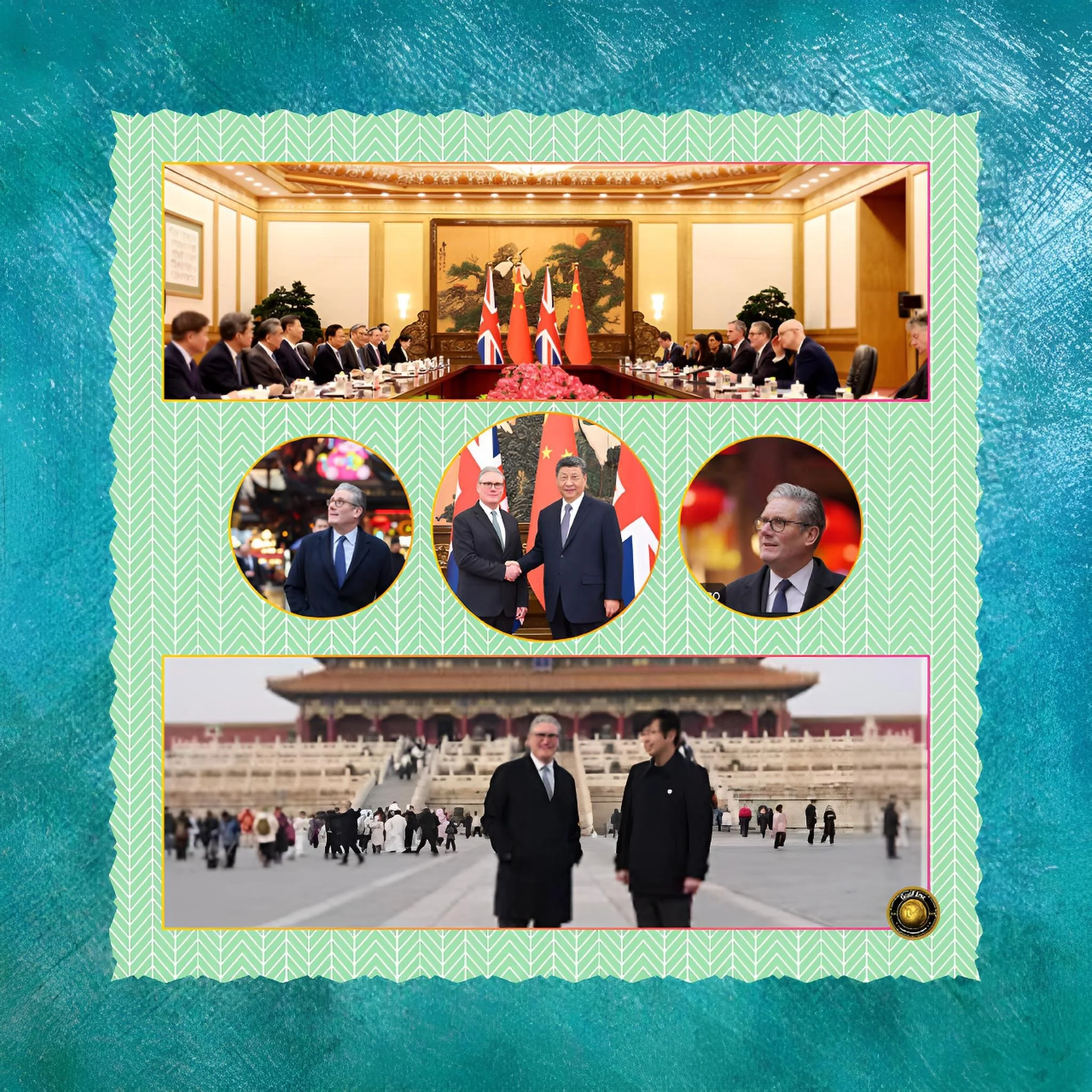
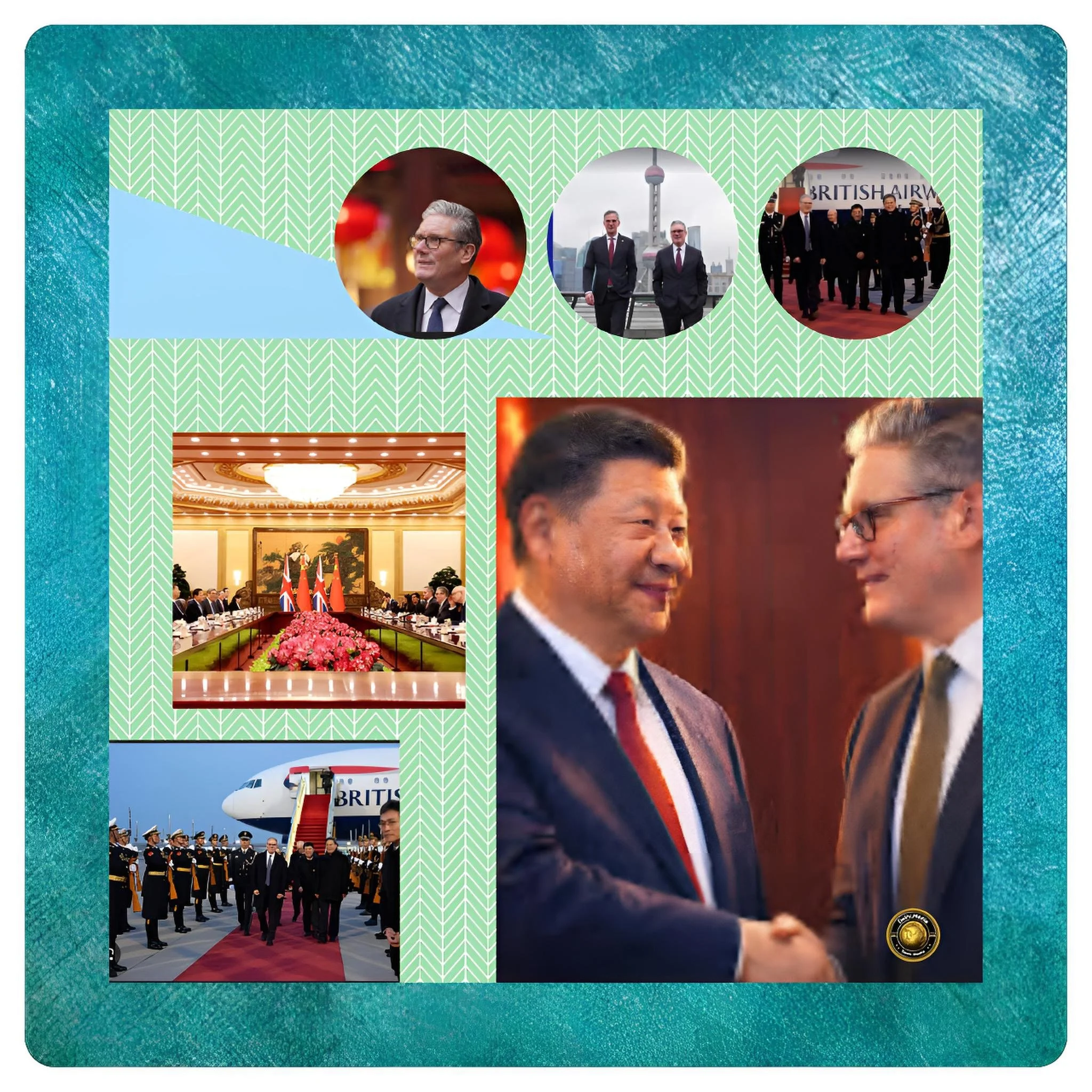
In late January 2026, British Prime Minister Keir Starmer traveled to China for the first time in 8 years that any British leader had visited Beijing. He brought around 60 business leaders with him from banks, pharmaceutical companies, and car manufacturers.
During his 4-day trip, Starmer met with Chinese President Xi Jinping and other top officials. This visit marks a major change in how Britain deals with China. For many years, Britain followed America's lead in being suspicious of China. Now, Britain is trying to build better trade relationships with Beijing. This shift shows how Trump's tariff threats are pushing America's allies toward China.
History
From Golden Age to Ice Age
To understand why Starmer's trip matters, we need to look back at Britain's relationship with China. Around 2015, under Prime Minister David Cameron, Britain and China had what people called a "Golden Age."
British leaders welcomed Chinese money to build nuclear power plants and other infrastructure projects. Banks in London helped move Chinese money around the world. Everything seemed great between the two countries.
But this golden period ended suddenly.
In 2020, China introduced a tough national security law in Hong Kong, the former British colony. This law crushed freedom of speech and political opposition. Britain and other Western countries were shocked.
The British government became very suspicious of China. They banned Huawei from 5G networks, refused to let Chinese companies invest in sensitive technology, and criticized China's human rights record. For the past 6 years, Britain treated China almost like an enemy. Meanwhile, China was frustrated that Britain had turned cold so quickly.
Why is Starmer Visiting China Now?
Starmer's government took office in 2024 and faced a serious problem: Britain's economy was barely growing. After Britain left the European Union in 2020, the economy shrank between 4 % and 8 %. Jobs were being lost.
Companies were not investing as much money. Starmer's government promised to fix the economy, but the situation was still very difficult. Politicians and voters were getting angry that promised economic growth was not happening.
At the same time, something else was happening across the Atlantic.
President Trump came back to power and started threatening tariffs on America's allies. He threatened to put tariffs on Britain and other European countries. He even talked about trying to buy Greenland from Denmark and threatened to punish Denmark with tariffs if it refused. For a brief time, Trump threatened to put 25 % tariffs on 8 European countries, including Britain. He later backed down, but the damage was done. America's allies no longer felt they could trust Trump or rely on America for stable trade relationships.
Meanwhile, other American allies were making their own deals with China.
Canada's Prime Minister visited Beijing and made an agreement to lower tariffs on Chinese electric cars. France's President was also visiting China.
Germany was planning to send its Chancellor to Beijing. Starmer realized that if Britain did not join this trend, it would be left behind. China seemed like a more stable and reliable trade partner than America under Trump.
What Did Starmer Get Out of the Trip?
Starmer came home with some real agreements. First, Chinese President Xi agreed to let British tourists and business people visit China without needing a visa for trips of up to 30 days. Before this, getting a Chinese visa took time and money. Now it is easier for British people to do business in China.
Second, China agreed to cut the tariff on Scotch whisky in half, from 10 % down to 5 %. Whisky is one of Scotland's most famous products. This lower tariff means Scottish whisky will be cheaper in China, so more Chinese people might buy it. The British government said this deal could bring in £250 million to the Scottish economy over the next 5 years. For a country like Scotland that depends on whisky exports, this is important.
Third, a huge pharmaceutical company called AstraZeneca announced it would spend $15 billion in China over the next 4 years. This money will go toward building research centers and factories to make medicines in China. This is the biggest investment AstraZeneca has ever made in any country.
Beyond these specific deals, Britain and China also signed several agreements about working together on finance, technology, services, and fighting crime. They created what they called a "comprehensive strategic partnership," which sounds fancy but basically means they will try to cooperate in many areas of business and government.
What Does This Mean for China?
For China, Starmer's visit is a victory. It shows that China can still attract leaders from wealthy Western countries, even when America's President is being difficult and unpredictable. China's leaders can point to Britain, Canada, France, and other countries all visiting Beijing and say: "Look, we are a reliable partner. America under Trump is crazy and unpredictable, but we are stable."
China also benefits economically. Britain needs to buy things from China: solar panels for green energy, rare earth minerals for electronics, steel, and many other products. By improving trade with Britain, China sells more of these things. China also wants to invest in British companies and buy property and businesses in Britain. The better the relationship, the more money China can make.
For China's leader Xi Jinping, this visit helps him politically at home. He can tell Chinese citizens and government officials that China is winning the competition with America to attract important world leaders. When American President Trump is threatening tariffs and acting unpredictably, Xi looks like the smarter leader.
What Does This Mean for Britain?
For Britain, the benefits are mainly economic. Access to China's market of 1.4 billion people could help British companies like banks, pharmaceutical companies, and luxury car makers sell more products. Chinese money invested in Britain could create jobs and help the economy grow.
However, there are serious risks. Britain is now becoming dependent on China for many important products.
China controls between 80 % and 90 % of the world's refining of rare earth minerals—materials needed for phones, computers, and green energy technology. If China decided to cut off these minerals to Britain, British industry would suffer badly. Experts say that if China interrupted supply chains for just one year, about 90,000 British jobs in the car and battery industries could be lost.
Also, there are security problems. British intelligence agencies, especially MI5 (like America's FBI), say that Chinese spies are constantly trying to steal British secrets. They recruit British scientists and engineers. They hack into British computers. China has been caught trying to interfere in British universities and politics.
Meanwhile, Britain just approved a huge Chinese embassy in London—a building so large that people worry it could be used as a spy center. For Britain, having a closer relationship with China means trusting a country that is clearly trying to steal British secrets and expand its power.
What Does This Mean for America?
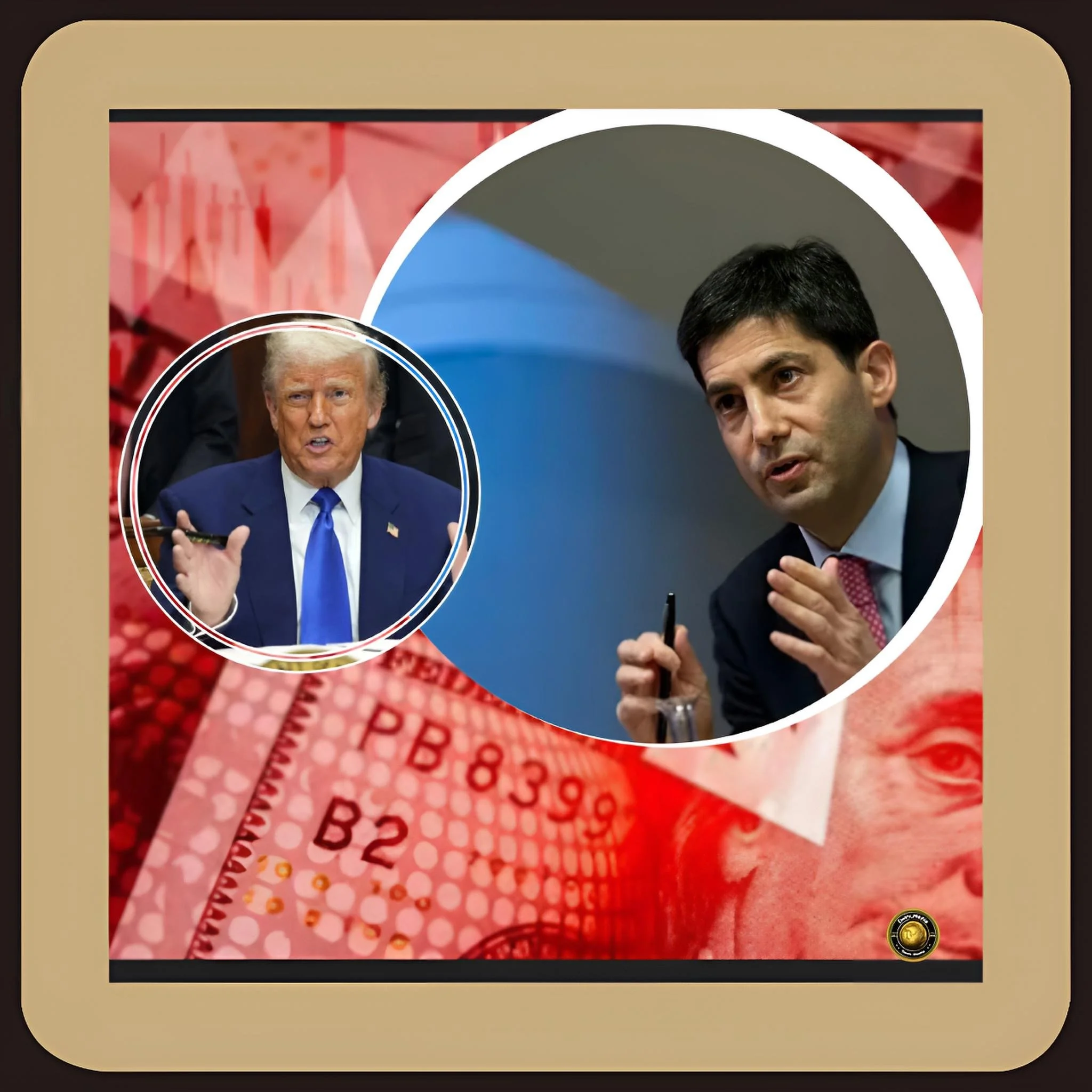
Trump's response showed how angry he was. When he heard about Starmer's trip, he called it "very dangerous." He said Britain was making a mistake. He was even more upset at Canada.
He threatened to put 100 % tariffs on Canadian products if Canada made a trade deal with China. This threat is huge—if you put 100 % tariff on something, it costs double, so almost no one will buy it.
But Trump's threats are actually backfiring. Instead of keeping allies close, his threatening behavior is pushing them toward China.
Canada's Prime Minister said Trump's threats would not stop Canada from making deals with other countries. Europe is making trade deals with India and South America without including America. Australia and New Zealand are also reconsidering how close they want to be to America.
China's trade surplus—the money it makes from selling more than it buys—reached a record $1.2 trillion in 2025. This huge surplus happened partly because of Trump's tariffs, which made American products more expensive and Chinese products cheaper. So Trump's tariff policy is actually making China richer and stronger, not weaker.
What Happens Next?
Britain's government has created new organizations and committees to work with China on trade and business. These new structures mean the relationship will keep getting deeper. More British companies will invest in China.
More Chinese companies will invest in Britain. Chinese students will study in British universities. Chinese money will buy British companies and property.
But this relationship also carries risks that Britain's government has not fully solved. British security agencies are worried about Chinese spies and interference.
British companies worry that if they become too dependent on Chinese suppliers, China could use that power against them later. And Britain is now caught in the middle between America and China, trying to do business with both while they compete for power.
Conclusion
A Changing World
Starmer's trip to China represents a big change in how Britain sees the world. After many years of following America's lead in suspecting China, Britain has decided to focus on trade and money instead of following America's strategy. This is happening because Trump's behavior has made America seem less reliable as a partner.
Britain, Canada, France, Germany, and other countries are all making the same decision: if America will not give us stable, predictable trade relationships, we will find them elsewhere.
China is offering that stability—for now. Whether this turns out to be a good decision for Britain will depend on whether China stays stable and reliable, or whether it uses its economic power to control Britain later.
The answer to that question will shape Britain's future for years to come.