How Iran's Leaders Could Be Replaced: The Simple Version
Summary
The Problem
Iran's money is worthless. In 2025, the rial crashed 84%. That means if you had $100 worth of rials, now it is worth only $16. Food costs 72% more. Hospitals are empty of medicine. Young people leave Iran to work abroad because there are no jobs.
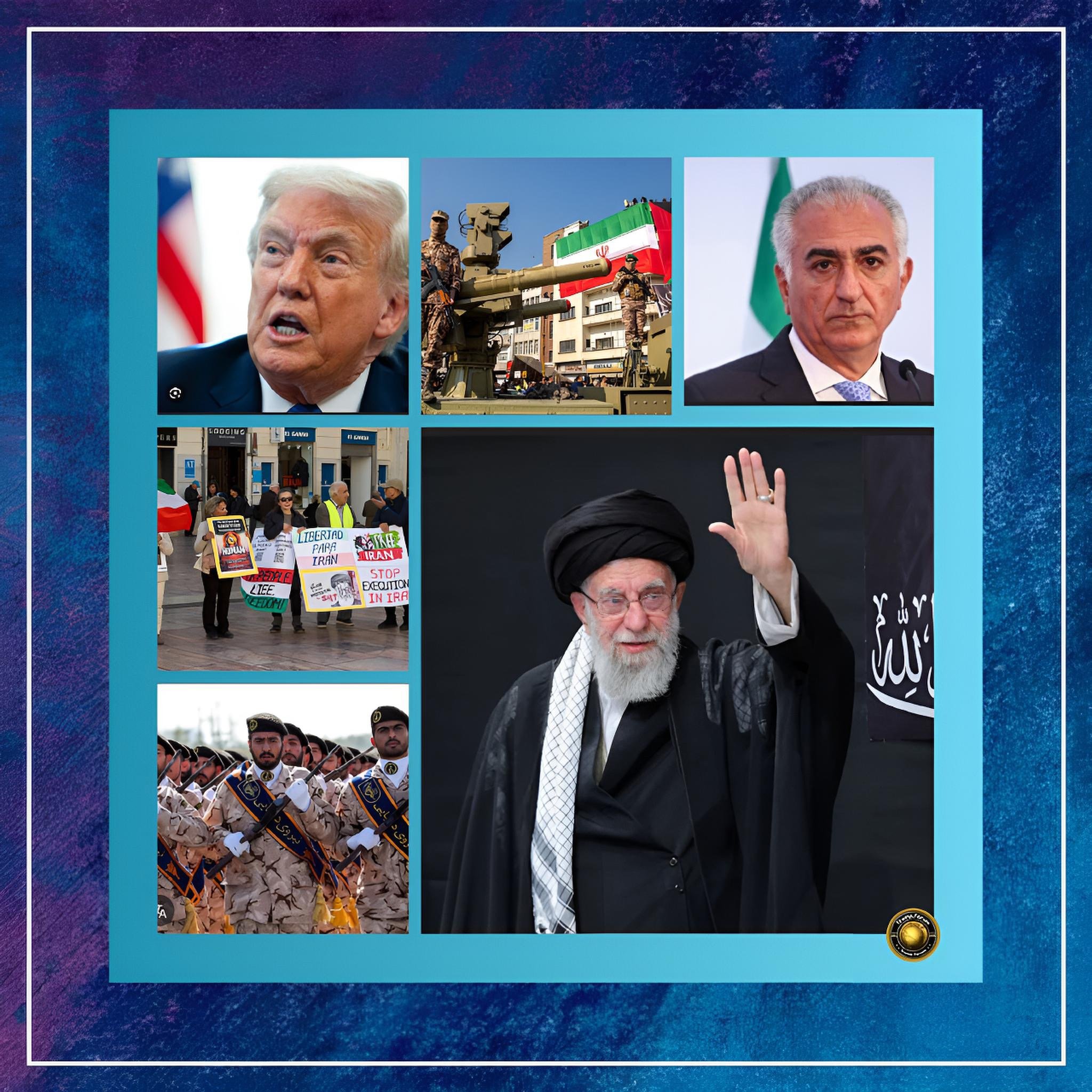
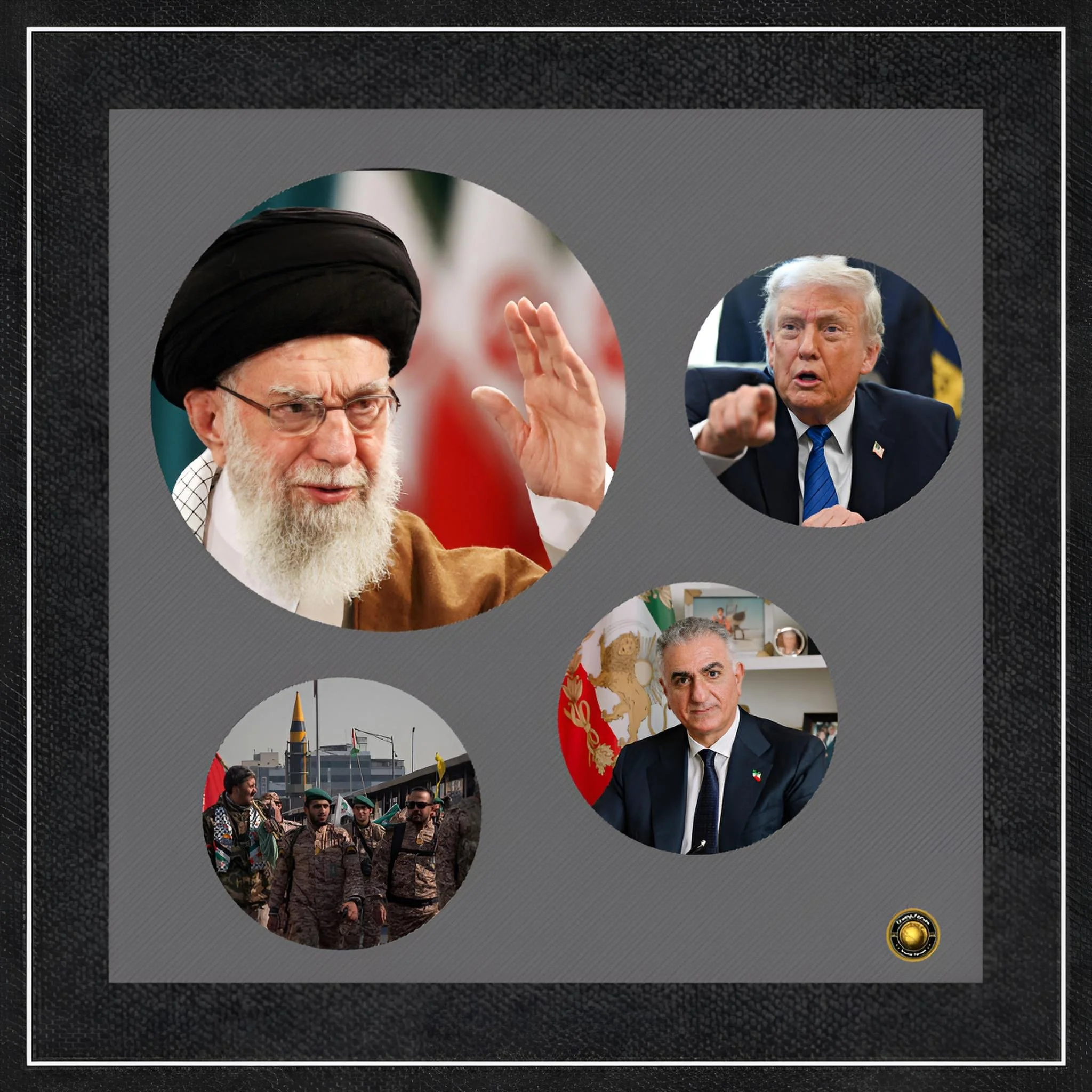
The government is controlled by 1 person: the Supreme Leader. He is 86 years old. He makes all major decisions. Elections happen, but the Supreme Leader can cancel any law the elected officials pass. He can fire judges, generals, and ministers whenever he wants. No one can remove him.
In June 2025, Iran fought Israel and lost. The missiles got through. The air defenses failed. After 47 years of saying Iran is powerful and strong, the leaders proved they are weak. People stopped believing them.
What People Want
Millions of Iranians are protesting. They do not want new elections or reforms. They want a new government system entirely. They want democracy—real democracy, where leaders answer to people and can be removed if they fail.
The protests are different from before. In 2009, people chanted about elections. In 2022, they chanted about women's rights. In 2026, they chant "Death to Khamenei" and "Long live Iran." They want regime change, not reforms.
The Solution
2 leaders have an idea: Reza Pahlavi (the exiled crown prince) and a former prime minister. They propose:
Step 1
Vote on a new constitution. The answer is simple: yes or no. Do people want a new system?
Step 2
If yes wins, elect representatives to write the new constitution.
Step 3
Vote on the new constitution. If it passes, it becomes law.
Why This Works
This is simple: people decide, not generals or foreign countries or 1 individual. A leader cannot impose this. It requires people's agreement.
The current Supreme Leader controls everything, but he is old and has no successor everyone accepts. So the system is broken and no one knows what happens next. A constitutional transition—people voting on a new constitution—offers a way forward.
Some officials might prefer this because they keep their jobs under new rules rather than lose everything if the government collapses. Some military officers might accept transition because it offers immunity for past actions if they stop fighting.
During the transition, someone runs the government for 6 months—a temporary authority. The Revolutionary Guards' stolen wealth would be returned to the people. Basic services (hospitals, electricity, water) would keep working. Elections would be organized.
What Changes
Under a new constitution, Iran would likely become:
(1) A secular state—religion is private, not government law
(2) Democratic—real elections, not rigged ones
(3) Accountable—leaders can be removed
(4) Equal—women and minorities get equal rights
(5) Economically open—foreign investment welcomed
Neighbors like Saudi Arabia and the United Arab Emirates would normalize relations. Iran would stop funding militias in Lebanon, Gaza, and Yemen. Global trade would resume.
Why It Might Fail
Hardline military commanders might refuse to accept transition and stage a coup. Some clerics might resist. Foreign powers might try to control the outcome. Civil war could erupt.
But those same risks exist in collapse scenarios too. The constitutional transition is the least dangerous path.
Why Now?
Iran's system is broken. The Supreme Leader cannot solve economic collapse. The military cannot win wars. The police cannot stop protests forever. The clerics have lost legitimacy. People want change.
A constitutional transition offers that change without civil war, without foreign invasion, without 1 person imposing his will. It requires Iranians to decide their own future through voting.
For 47 years, Iranians accepted harsh rule for promises of security and strength. The promises broke. The security failed. The strength was fake. Now Iranians want democracy.
The mechanism exists. The leaders exist. The people are ready. The only question is whether those in power will accept that their time has ended and that Iranians deserve to choose their own system.