How to Change Iran's Leaders: A Simple Guide to Building a New Government
Summary
What is Happening in Iran Right Now?
Imagine you live in a country where 1 dollar equals 1,500,000 of your country's money. Your salary cannot buy food for your family. The government printed money without backing it, and now your savings are worthless.
This is what happened to Iranians in 2025. Their currency, the rial, lost 84% of its value in 1 year. Food prices increased by 72%.
People who sold things in markets—shopkeepers, merchants—decided to close their stores and protest. Within weeks, millions of people joined them, not just about money, but demanding that the entire government system change.
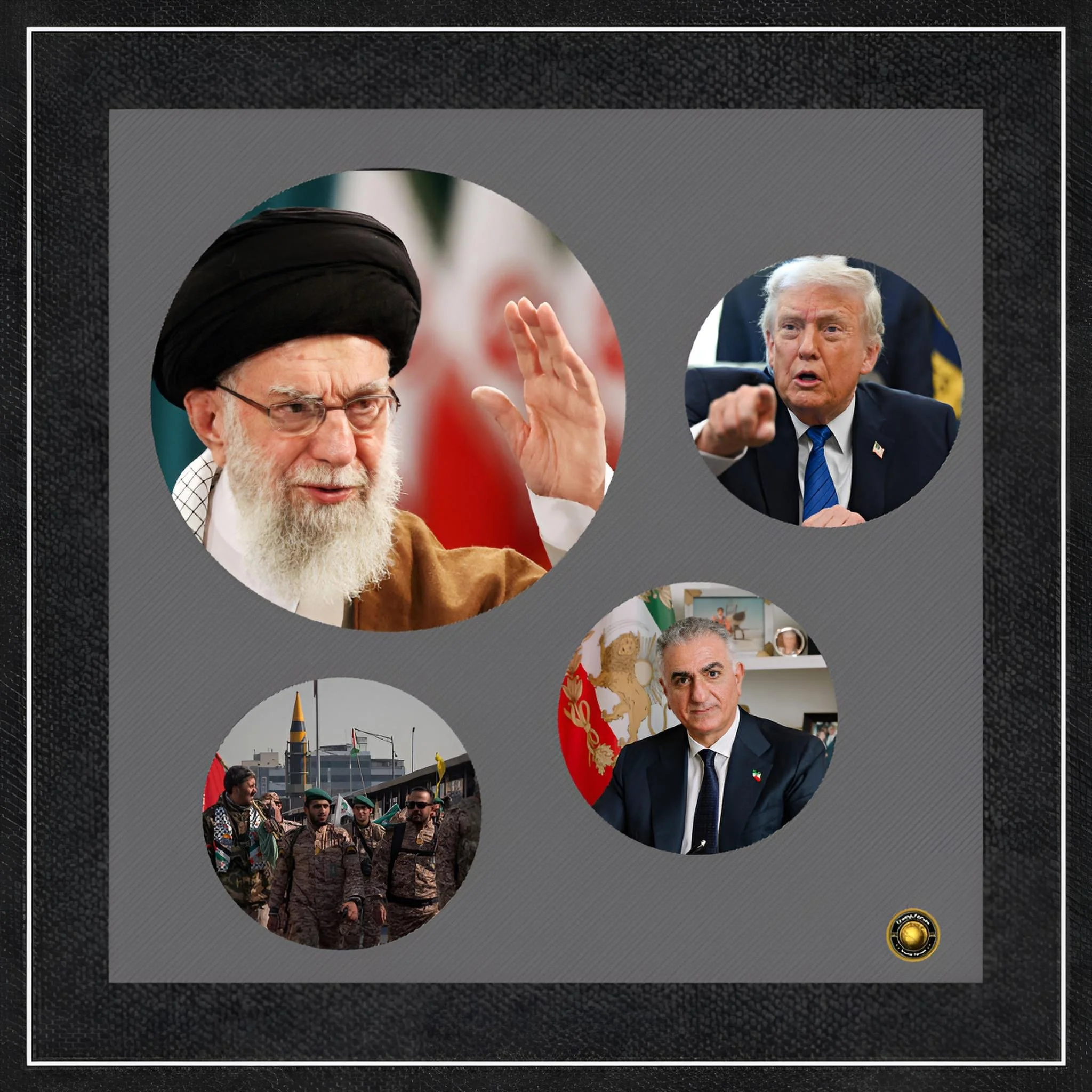
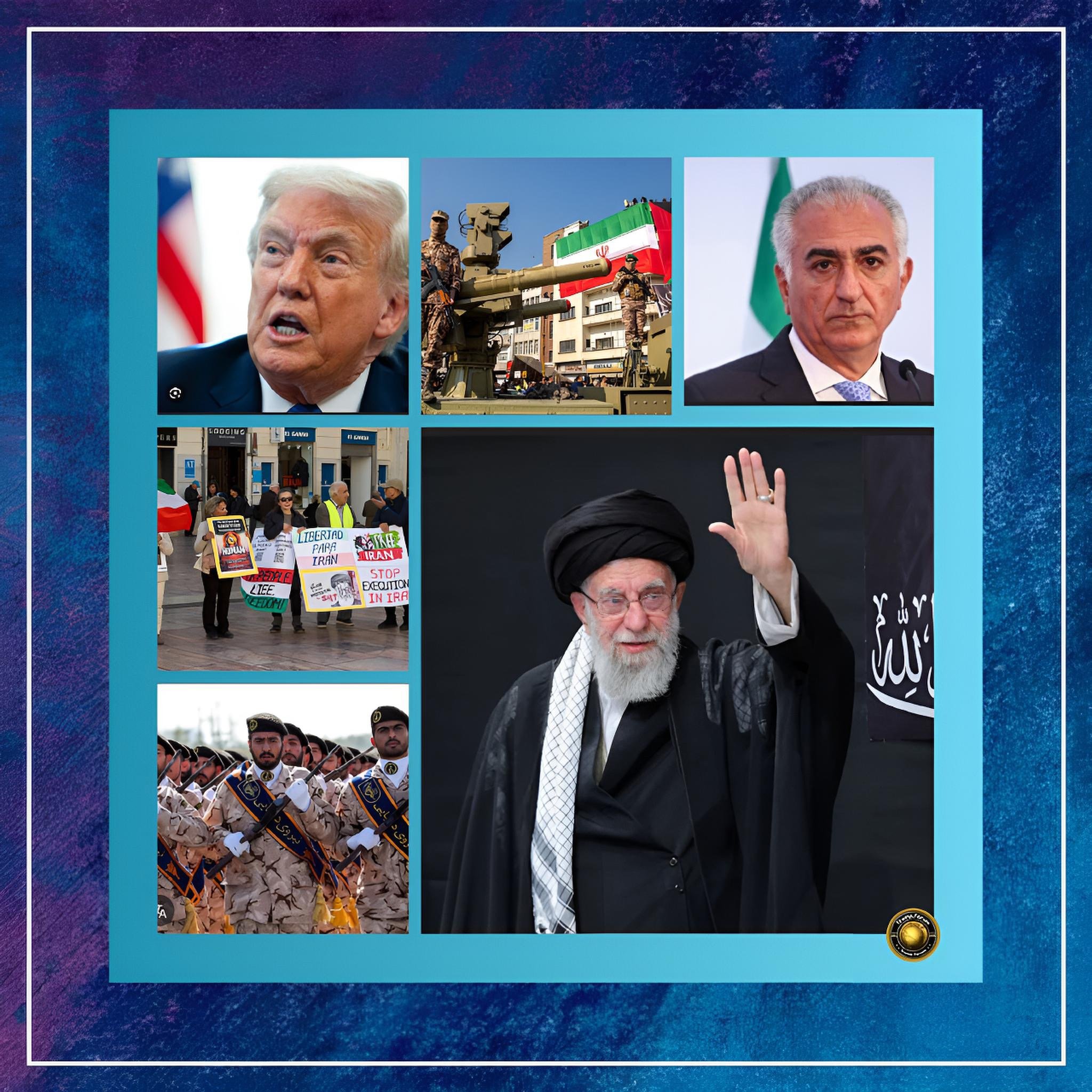
The Islamic Republic of Iran has ruled since 1979—47 years. During that time, 1 person held absolute power: the Supreme Leader. This person controls the military, the courts, the police, and every major decision.
No election, no parliament, no judge can stop this person. Imagine having a boss who can fire you, hire your replacement, cancel any rule you make, and punish you if you question him. That is how Iran's government works. But now, that system is breaking down.
In June 2025, Iran fought a 12-day war with Israel and the United States. The regime claimed it could defend itself. It cannot. Missiles got through.
Bases got hit. Drones destroyed air defenses. Iranians realized their leaders were lying about Iran's strength. The same leaders told Iranians to accept poverty, to accept that women could not choose their clothing, to accept that enemies were everywhere. Then the leaders failed to protect the country. People stopped believing.
Why This Moment is Different?
In 2009, protesters wanted better elections. In 2019 and 2022, protesters wanted policy changes. But in 2026, protesters want a completely different system.
They chant "Death to Khamenei" and "Long live Iran"—not "Death to America."
They want democracy, not revolution. They want a normal country, not an Islamic state fighting enemies everywhere.
The security forces know something is broken too. Police and soldiers are refusing orders. Some are quitting. When a soldier refuses to shoot protesters, the government cannot replace him with a robot. It needs more soldiers. But fewer soldiers want to serve a regime that cannot win wars, cannot feed its people, and tells its military to kill their own neighbors.
Inside the government itself, even people who support the system are saying it cannot continue.
Senior officials have admitted the system's structure is broken—66% of government institutions have no accountability to elected officials. It is like having a king who can veto any law passed by a parliament. Eventually, even the king's supporters realize this makes no sense.
Who Could Lead Change?
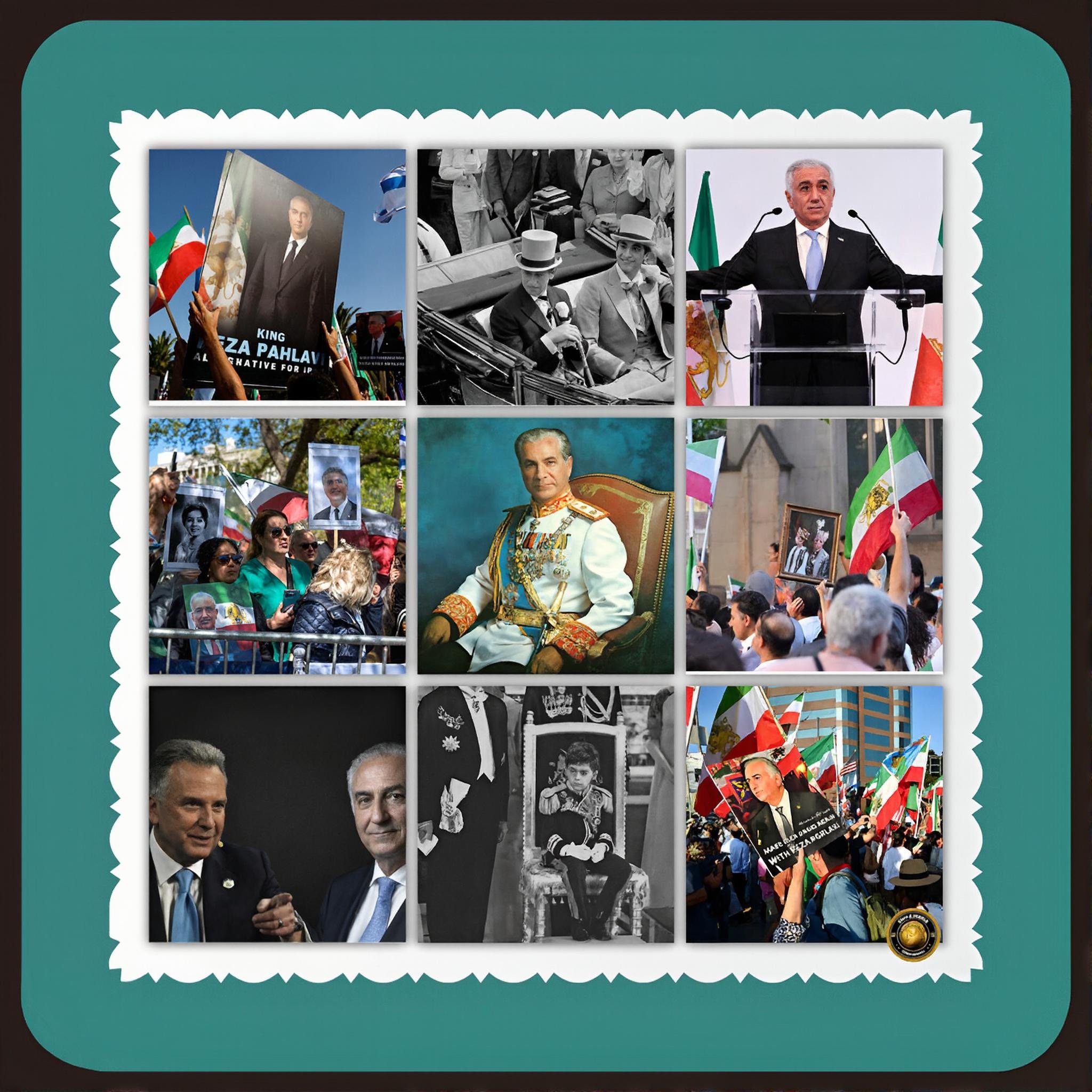
Two figures have emerged as potential leaders of a transition: Reza Pahlavi, the exiled crown prince, and a former prime minister who once served the revolutionary government.
Reza Pahlavi is the son of the last shah, the king who ruled before 1979. Many Iranians remember the shah as a dictator.
The CIA helped overthrow a democratic prime minister in 1953 to bring the shah back to power. The shah ruled harshly, and people overthrew him in 1979. So when Pahlavi speaks, some Iranians say, "You just want to bring back monarchy." But Pahlavi says something different: "I am not asking to be king. I want to help organize a transition.
After that, Iranians will vote on what system they want—a republic, a constitutional monarchy, or something else. I will accept whatever people choose."
Pahlavi has 1 advantage: he has money, an organization abroad, and foreign leaders take him seriously. He has 1 disadvantage: his father's reputation. So he partners with someone else—a reformist former prime minister.
This person was part of the revolutionary government. He understands how the system works. He respects religious values but also believes in democracy. Having him visible as the domestic leader makes the transition look less like a foreign-imposed or monarchical restoration.
What Would Change Look Like?
The proposal has 3 clear steps:
Step 1
The Iranian people vote on whether to change or completely rewrite the constitution. This is not a vote for specific people or parties. It is a yes/no question: "Do you want a new constitution?" Why does this matter? Because the current constitution gives all power to the Supreme Leader. If people say yes, then the old rule—that the Supreme Leader controls everything—is finished.
Step 2
Free elections are held for a Constituent Assembly. This is a group of elected representatives whose job is to draft a new constitution. Not Pahlavi, not the former prime minister—elected representatives. They deliberate publicly, listen to Iranians, and write a constitution. It might establish a republic, a monarchy with limits, a parliamentary system, or something new. The assembly decides.
Step 3
The Constituent Assembly's draft goes to the people in a second vote. If 50% plus 1 person votes yes, the new constitution becomes law.
Why does this sequence matter? Because it means no single person, no foreign power, no military general can impose a system. The people choose twice. This is legitimacy—authority that comes from the people, not from guns or money or foreign countries.
What Happens During the Transition?
Between the first vote and the Constituent Assembly elections, someone needs to run the government. The plan proposes a 180-day emergency period where a transitional authority focuses on 3 things: keeping essential services running (hospitals, power, water), preventing economic collapse, and preparing for elections.
During these 180 days, the Revolutionary Guards' economic holdings—estimated at 25-30% of Iran's economy—would shift to transparent private ownership or public control. The Guards became a vast business empire, controlling everything from banks to airlines to oil companies. Much of this was stolen from the people. Under the transition, these holdings would be returned to transparent management.
Corrupt government foundations—organizations that used religion as cover for stealing public money—would be liquidated or reformed. Technocrats, not political appointees, would run critical institutions temporarily.
The goal is to prevent state collapse. Iraq collapsed into civil war after Saddam Hussein's regime fell because governing institutions disappeared. The transition plan prevents this by maintaining institutions, changing their leadership.
Why This Could Work
The regime's Supreme Leader is 86 years old. He has no chosen successor that other clerics accept. If he dies today, the entire system would fracture—different clerics, different generals, competing for power.
A negotiated constitutional transition offers something better than civil war: continuity for officials and institutions, but under new rules.
Consider this example
A general commanding a division has power under the current system. Under a new constitutional democracy, he would lose some power but keep his position, his pension, and immunity from prosecution if he accepts the transition. If the regime collapses through violence, that general gets arrested or executed. He might prefer the constitutional path.
What Comes After?
A democratic Iran would likely withdraw support from Hezbollah in Lebanon, Hamas in Gaza, and the Houthis in Yemen. These groups exist partly because Iran funds them. Without funding, they weaken. This would reshape Middle East politics.
A democratic Iran would seek to rejoin the global economy. Sanctions would be lifted. Foreign companies would invest. Oil production would increase, helping the global economy. Iran's diaspora—millions of talented Iranians abroad—would invest in reconstruction.
Iran would likely adopt a secular constitution protecting religion as personal choice but not government law. Women would have equal rights. Minorities would have protection. Elections would be genuinely free.
These changes benefit ordinary Iranians enormously. But they also change the Middle East fundamentally.
Risks and Uncertainties
This plan assumes that enough security force personnel accept transition that they allow elections. But some hardliners might try military coup. Some clerics might refuse. External powers might try to control the outcome. Civil conflict might erupt.
However, the alternative is regime collapse into chaos, civil war, or military dictatorship. The constitutional transition offers the least bad path.
Conclusion
Why Now?
For 47 years, Iranians tolerated harsh rule because their government claimed to provide security and resistance to enemies. That claim died when their leaders lost a war and could not feed their families.
The political foundation beneath the system has shifted. People who accepted the bargain—obedience in exchange for security—no longer believe the security is real or the bargain fair.
The constitutional transition framework offers a way out that does not require civil war, does not require foreign invasion, and does not require an individual leader imposing his vision. It requires Iranians choosing their own system, their own leaders, their own future.
After 47 years, that is what the 2026 protests are actually demanding. The mechanism to deliver it exists. Whether it succeeds depends on choices made by Iranian people and leaders in the coming months.