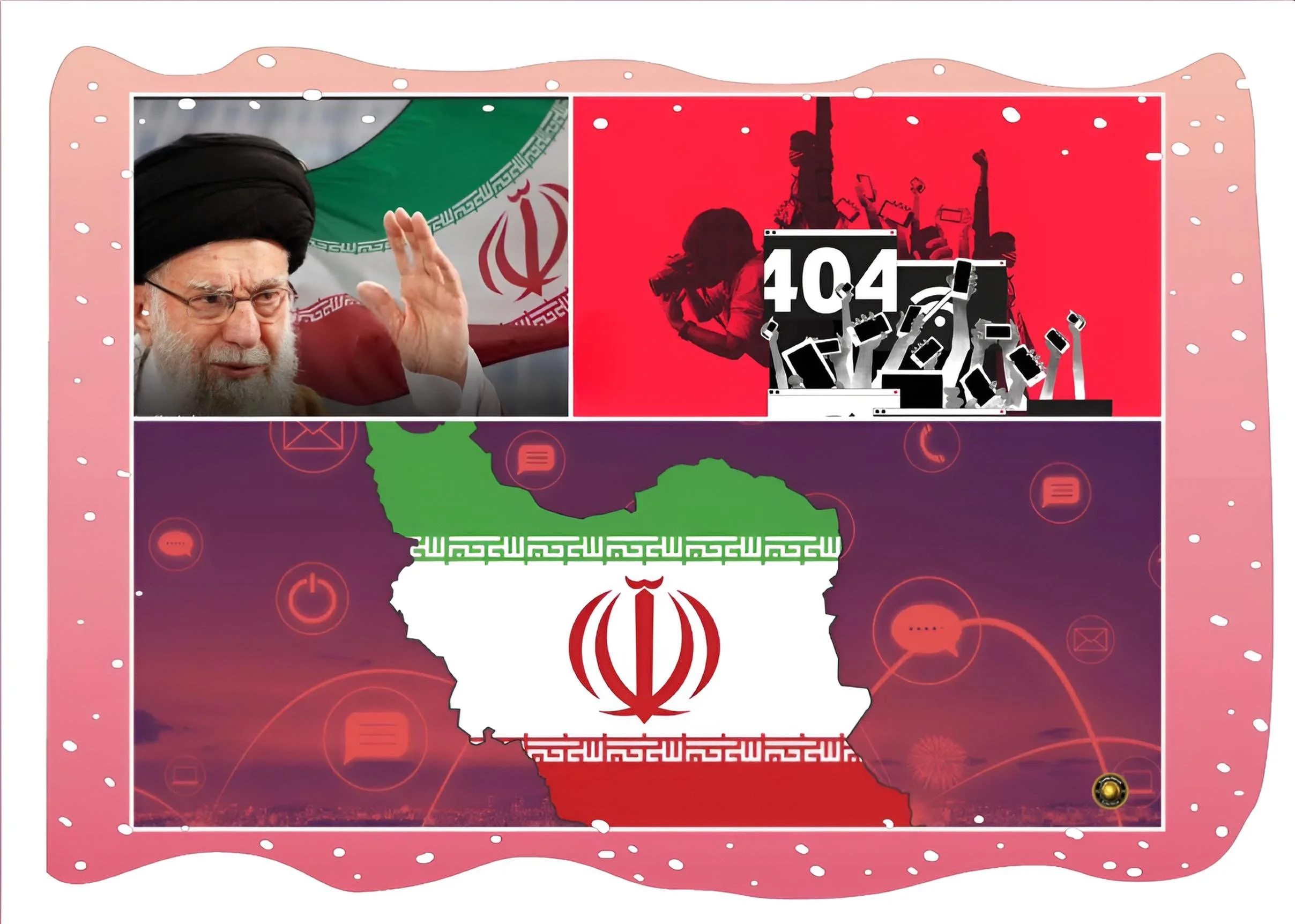
Why Iran's Internet Shutdown Scares the World: A Simple Explanation
Introduction
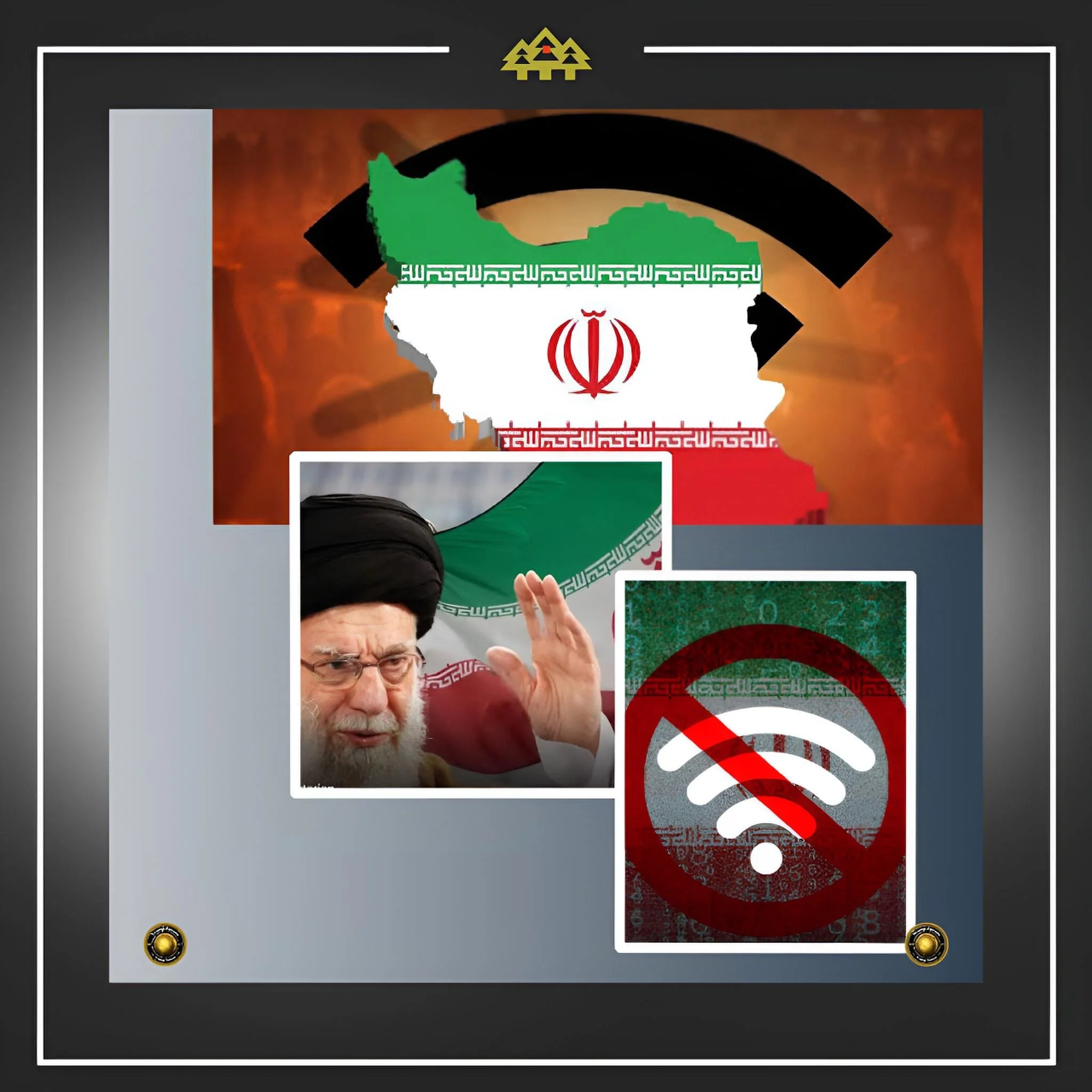
Imagine you could not call your family, could not check your bank account, could not send an email, and could not watch videos. That is what happened to 92 million Iranians on January 8, 2026.
The government turned off the internet completely. This is not the first time a government has done this, but it is the most extreme and most scary example yet.
Why did the government do it?
People were protesting against the government. The problems started when Iran's money became worthless. Food prices went up three times. People could not buy bread, milk, or medicine. So they went to the streets demanding change. The government did not like this, so it used soldiers to attack the protesters. But attacking people in the streets does not look good when everyone can see it on social media. So the government turned off the internet.
No internet means the world cannot see what happens. If a soldier shoots a protester, nobody can film it and put it on social media. If people die, their families cannot tell the world about it. Hospitals cannot post that they are full of wounded people. Nobody outside Iran can know the truth. The government calls this a security measure, but it is really about hiding what they are doing.
Here is the scary part: the government did something new. Some people in Iran had Starlink, which is internet from satellites in space. Satellites are hard to block because they come from above the Earth. But Iran found a way to jam the satellites.
They used special machines that interfere with the satellite signals. In some areas, eighty percent of the satellite service stopped working. This is the first time any country has successfully jammed satellites on this scale. If other dictators learn they can do this, they will copy Iran.
Experts around the world are worried. If a government can jam satellites, then there is no escape from internet shutdown. Even people with expensive equipment cannot get online. This means that in the future, any government that wants to can completely isolate its people from the world. They can do whatever they want without anybody knowing.
Think about what happened in Iran when the internet shut down. A doctor in a hospital could not look up what medicine to give a patient. A person with a sick child could not find information about the illness. A business owner could not pay employees or suppliers. A university student could not take online classes. A person sick with COVID-19 could not look up symptoms or find a doctor. A refugee trying to reach relatives in another country could not contact them.
Experts think that between 1,800 and 12,000 people died, but nobody knows for sure because there was no internet to report the deaths. Imagine if your country had this happen and you could not tell anyone what was going on. You would be completely alone, with no way to get help from the outside world.
This matters to the whole world because other governments are watching. Russia has already blocked social media. China blocks huge amounts of the internet. Venezuela has had internet shutdowns. Now they see that Iran successfully blocked even satellites. They might decide to do the same thing.
The biggest worry is that we are entering a new age where governments can completely control information. If the government can shut off the internet and jam satellites, they can do anything they want without the world knowing. They can arrest people, hurt people, or take away freedom. And nobody outside the country can see it or help.
That is why Iran's internet shutdown is so scary. It shows that technology that people thought would protect freedom—like satellites—can be broken. And it shows that governments will use every tool they have to stay in power.