How the Minneapolis Killings Are Testing American Democracy
Introduction
What Happened in Minneapolis
In January 2026, the federal government sent approximately 3,000 Immigration and Customs Enforcement (ICE) and Border Patrol officers to Minneapolis and St. Paul, Minnesota.
This operation, called Operation Metro Surge, became one of the largest federal enforcement actions ever deployed inside an American city.
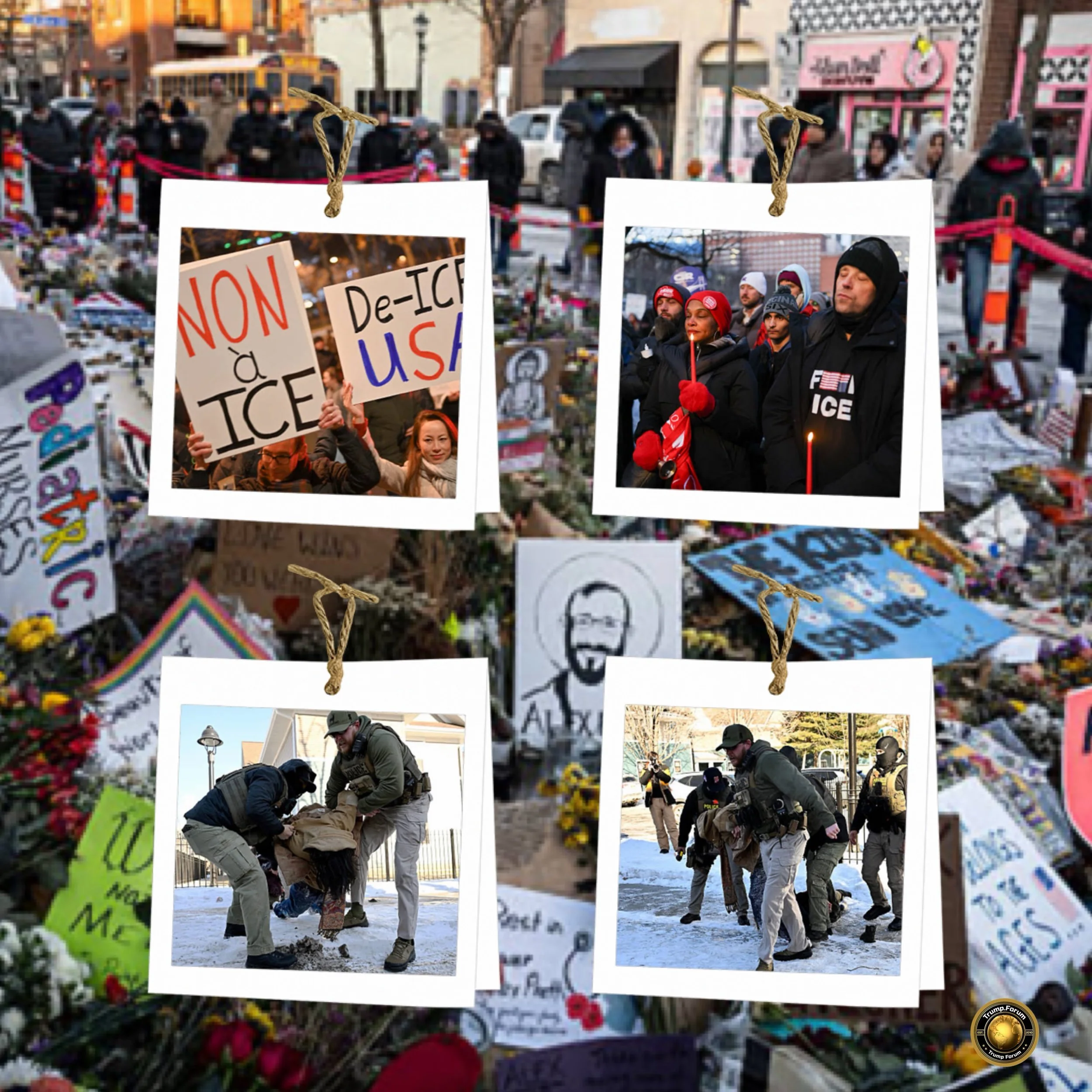
Within 3 weeks, 2 U.S. citizens were killed by these federal agents, and thousands of people took to the streets to protest.
On January 7, 2026, federal agents shot and killed Renée Good, a 37-year-old mother of 3 children.
According to videos and eyewitness accounts, Good was sitting in her vehicle when ICE agents approached her. When agents began shouting orders and one placed his hand on her door, Good drove away.
Agent Jonathan Ross fired 3 shots at her departing vehicle in under 1 second. Good died at the hospital from gunshot wounds to her chest, arm, and head.
The Trump administration said Good had tried to run over the officer and that he acted in self-defense. However, video analysis by The New York Times and ABC News showed Good's vehicle turning away from the officer as she drove away—not toward him.
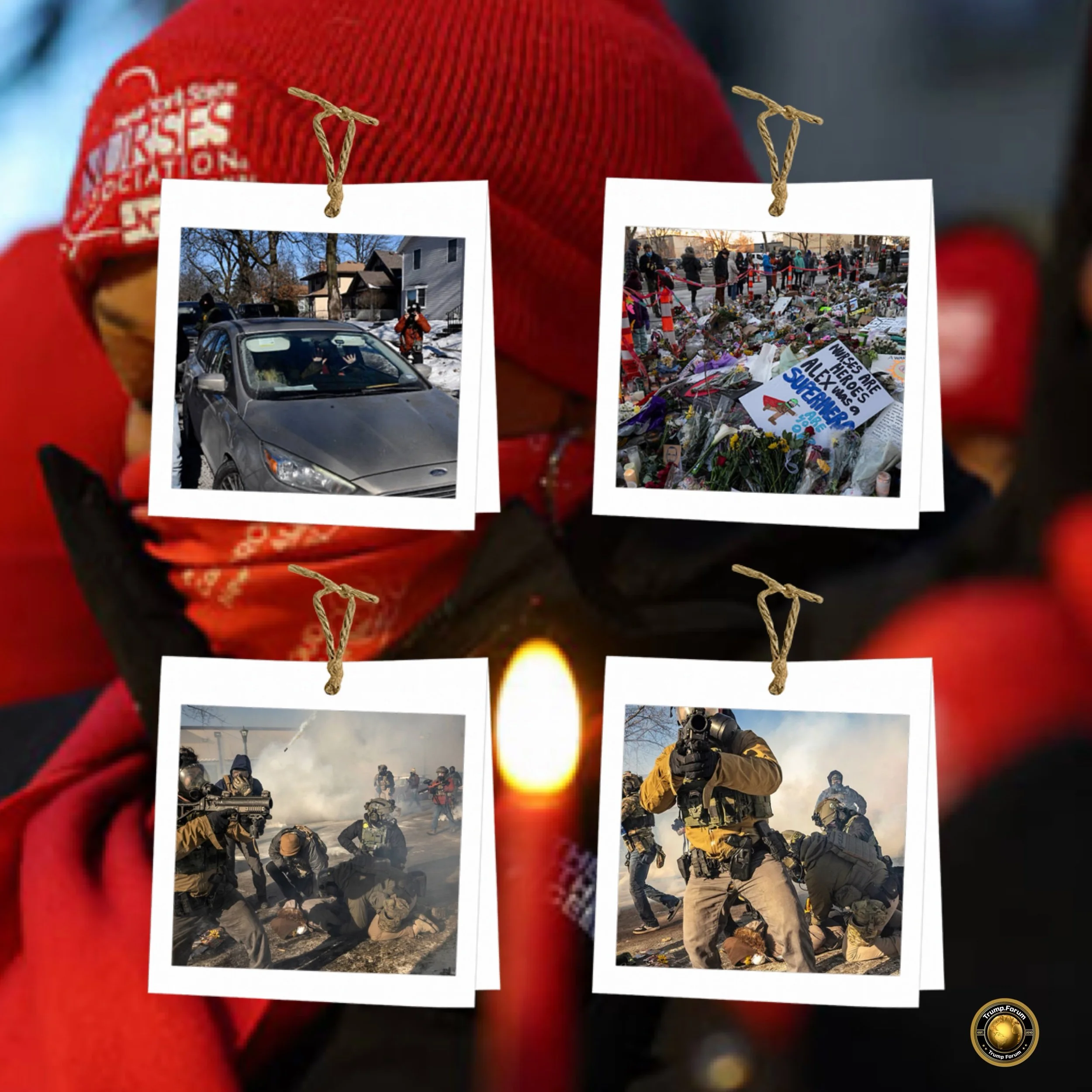
On January 24, 2026, federal agents shot and killed Alex Pretti, a 37-year-old nurse who worked for the Veterans Administration.
Pretti had been watching and filming the federal agents as they conducted enforcement operations in the neighborhood. His parents confirmed he had a valid gun permit and was a peaceful gun owner.
The Department of Homeland Security claimed Pretti was armed and dangerous.
Video evidence showed he never reached for a weapon. Federal agents opened fire on the ground, shooting approximately 10 times.
Pretti died from his injuries.
Why These Deaths Matter for Democracy
When Americans think about democracy, they usually think about voting, free speech, and the ability to participate in government. But democracy also depends on something more basic: a government that obeys the law and respects individual rights.
When federal agents can kill U.S. citizens and face no accountability, it threatens the entire democratic system.
A key principle of American democracy is that nobody is above the law—not even government officials.
Yet after Renée Good's death, the Trump administration refused to allow Minnesota law enforcement to investigate the shooting.
The federal government also blocked Minnesota prosecutors from accessing the crime scene, even though a judge had issued a warrant allowing them to do so.
This prevented the normal accountability processes that protect American citizens.
Similarly, after Alex Pretti's death, federal agents refused to reveal which officers fired the fatal shots.
This anonymity prevents transparency and accountability.
In a functioning democracy, citizens should know who makes decisions affecting their lives, especially when those decisions result in death.
The Constitution and Federal Overreach
The U.S. Constitution limits federal power in several ways. Here are the key issues raised by the Minneapolis situation:
First Amendment
Americans have the right to peaceful protest and to observe government officials performing their duties.
In Minnesota, federal agents arrested people for watching ICE operations.
Some were pepper-sprayed while standing on sidewalks. Federal judges found that these arrests violated the First Amendment because they punished people for protected speech activities.
Fourth Amendment
Americans have the right to be protected from unreasonable searches and seizures. In Minnesota, federal agents entered homes without judicial warrants—based on a secret memo rather than court approval.
They also used facial recognition technology and purchased surveillance data to track people without getting warrants from judges.
These practices violated traditional Fourth Amendment protections.
Tenth Amendment
The Constitution reserves certain powers to the states.
Minnesota's lawsuit argued that the federal government cannot invade a state with thousands of armed agents to force the state to cooperate with federal immigration enforcement.
This doctrine, called the anti-commandeering principle, prevents the federal government from using state resources and authority to enforce federal programs.
The situation in Minnesota is serious because the Constitution provides limited mechanisms to stop federal agents from violating these rights. While judges can identify constitutional violations, they cannot easily force a president to obey their orders.
Federal prosecutors working under the Trump administration have shown they will not charge their own agents, even when evidence of wrongdoing exists.
Is ICE Operating Like a Paramilitary Force?
One concern raised by legal experts and journalists is whether ICE is functioning more like a paramilitary organization than a law enforcement agency.
Paramilitary forces are armed groups that operate outside normal democratic constraints and accountability.
Consider the facts
ICE hired approximately 12,000 new agents in under 1 year—more than doubling the agency's size.
The Trump administration simultaneously reduced training requirements for these new agents.
Compare this to traditional law enforcement agencies, which require extensive training to ensure officers understand legal constraints and de-escalation techniques.
ICE agents operate in heavily armed convoys of unmarked vehicles, wear tactical gear, and often cover their faces with masks.
They conduct operations in neighborhoods without coordinating with local police. In contrast, traditional police departments work with community input and operate with clear identification.
More than 95% of ICE union members endorsed Trump in recent voting, suggesting ideological alignment with the president rather than professional independence.
The Voter Data Request
Election Integrity Concerns
Perhaps most alarming is Attorney General Pam Bondi's letter to Minnesota asking the state to provide voter registration data.
Bondi linked this request to whether the federal government would withdraw ICE agents from Minnesota.
This raises a fundamental concern: is the federal government using federal enforcement agents to pressure states into surrendering voting data?
Minnesota Secretary of State Steve Simon rejected the request, calling it coercive. He noted that this was "an outrageous attempt to coerce Minnesota into giving the federal government private data on millions of U.S. Citizens in violation of state and federal law."
Similar requests have been made to Michigan, Pennsylvania, California, and Oregon.
Several states have refused, and federal judges have rejected the government's attempts to compel disclosure.
This situation is alarming because it suggests the administration may be using federal enforcement tools to influence election processes. Democratic observers worry this could affect the 2026 midterm elections in November.
Political Impact and the 2026 Midterms
The Minneapolis crisis has created unexpected political problems for Republicans. Immigration was a winning issue for Trump in 2024, but the violent tactics in Minneapolis have changed public perception.
Polls show that while Republicans still support Trump's general immigration agenda, independent voters—crucial in competitive races—disapprove of the enforcement methods used in Minneapolis.
Some Republican politicians have publicly criticized the operations.
Senator Susan Collins of Maine said the tactics were "excessive." A Republican strategist working on Hispanic outreach warned that "he [Trump] will lose the midterms because of" the ICE operations.
Democrats, traditionally weaker on immigration issues, now see an opportunity. They are unified in demanding changes to ICE operations as a condition for funding the Department of Homeland Security.
Three specific demands are: end roving patrols that stop people without reasonable suspicion, prohibit agents from wearing masks so citizens can identify them, and require body cameras to document agent behavior.
Democrats believe that Americans are rejecting the federal government's violent, enforcement-only approach to immigration.
They are mobilizing voters around opposition to federal overreach in the 2026 midterms. If Democrats gain control of the House or Senate, they could investigate the administrations's immigration enforcement practices and impose legal constraints on future operations.
What Comes Next
The Trump administration has recently made some changes. Tom Homan, the border czar, has said he plans to "draw down" the number of federal agents in Minnesota.
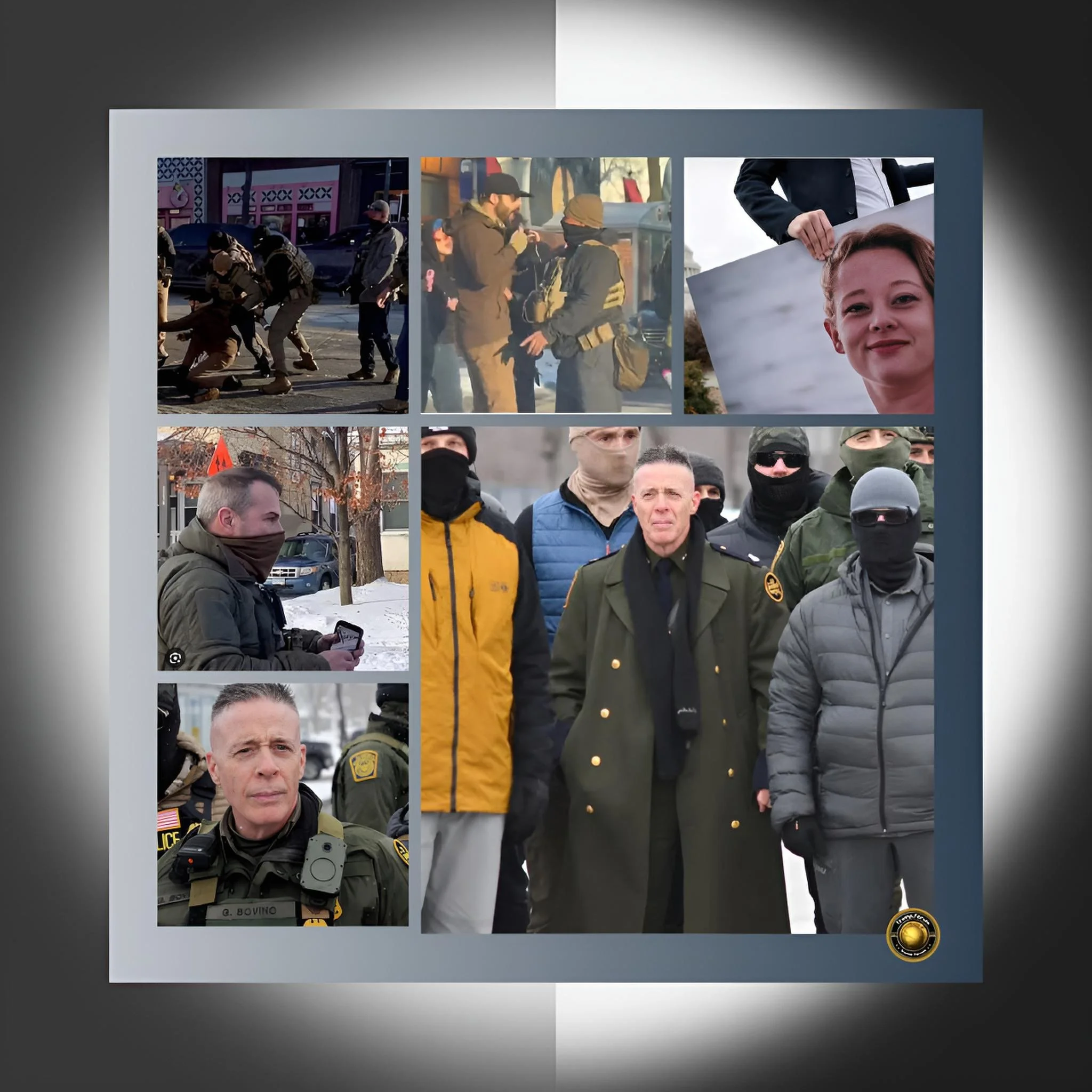
Border Patrol commander Gregory Bovino, whose aggressive tactics drew criticism, has been replaced.
Federal agents involved in the shootings have been placed on administrative leave pending investigations.
However, these changes may represent a temporary retreat rather than a fundamental shift in policy. The core enforcement agenda—deporting undocumented immigrants—remains the administration's priority.
Multiple lawsuits challenge the constitutionality of Operation Metro Surge. Federal judges are considering temporary restraining orders to halt the operation.
The 8th Circuit Court of Appeals is reviewing these cases.
Ultimately, courts will determine whether the federal government's actions violated the Constitution and whether judges can force the administration to comply with their rulings.
Conclusion
Democracy at a Crossroads
The deaths of Renée Good and Alex Pretti represent more than tragic incidents. They represent a test of whether American democratic institutions can constrain presidential power when presidents ignore constitutional limits.
When federal agents can kill citizens without accountability, when federal agents can refuse to allow state investigation, when a president can use federal enforcement to pressure states for voting data—democracy itself is at risk.
The coming months will reveal whether courts can enforce constitutional constraints, whether Congress will impose legal limits on ICE operations, and whether voters in 2026 will reject the violent enforcement tactics deployed in Minneapolis.
The answers will shape American democracy for years to come.