Why Mexico’s Cartels Remain Untouchable: Sheinbaum’s Sovereignty Versus Trump’s Military Ambitions in Venezuela - Part II
Executive Summary
The world’s most dangerous drug cartels, Mexico’s Sinaloa Cartel and the Jalisco New Generation Cartel (CJNG), remain the dominant forces in global illicit narcotics trafficking, collectively responsible for the production and distribution of fentanyl that has precipitated a synthetic opioid crisis across the United States and beyond.
The Sinaloa Cartel, despite internal fragmentation following the July 2024 arrest of co-founder Ismael “El Mayo” Zambada, maintains its position as Mexico’s most dominant trafficking organization with deeply entrenched corruption networks spanning the Americas, Europe, and Asia.
Concurrently, the CJNG, under the leadership of Nemesio “El Mencho” Oseguera Cervantes, has emerged as the most violently aggressive cartel, operating in over 27 Mexican states with estimated assets exceeding $20 billion and demonstrating a willingness to engage Mexican security forces with military-grade weaponry, including drones and rocket-propelled grenades.
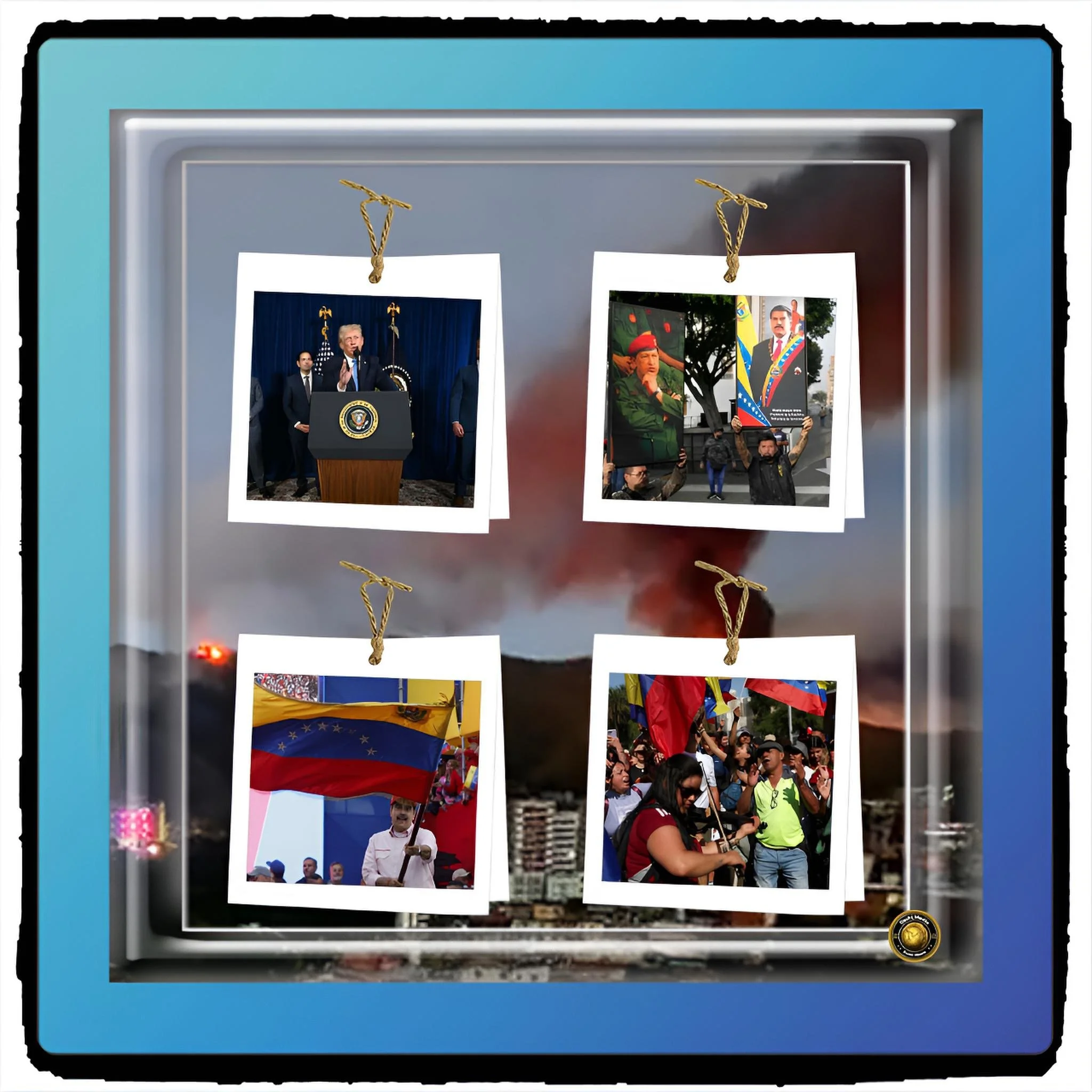
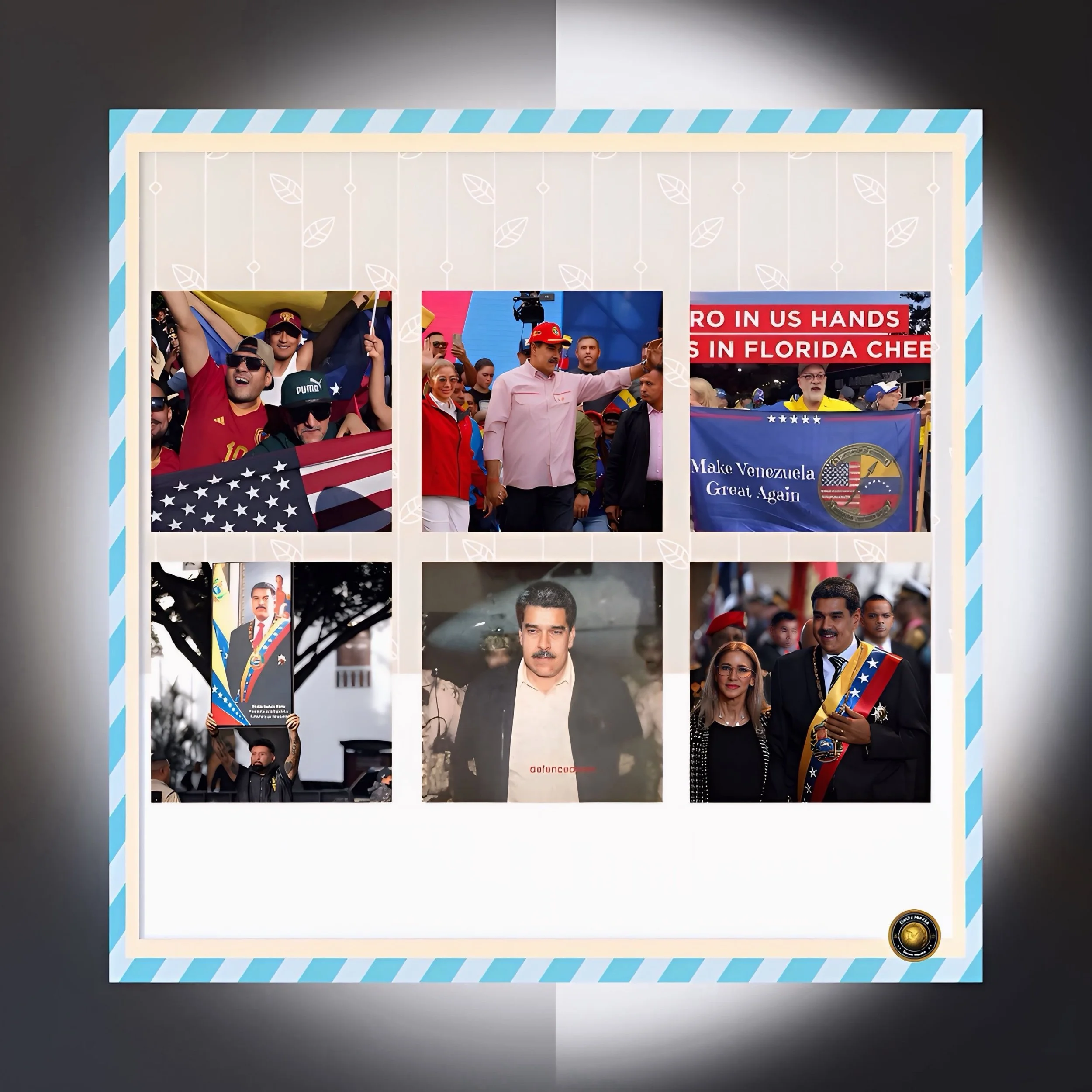
President Donald Trump’s approach to Mexico’s cartel problem has diverged markedly from confrontation with these organizations. Rather than authorizing military strikes on cartel strongholds within Mexican territory—notwithstanding months of public threats and Pentagon preparation—Trump has instead pivoted to confronting Venezuela under the ostensible justification of combating drug trafficking, with Operation Absolute Resolve on January 3, 2026, resulting in the capture of Venezuelan President Nicolás Maduro and his wife.
This geopolitical maneuver appears divorced from the actual architecture of the global drug crisis, as multiple U.S. intelligence agencies and international narcotics assessments confirm that Venezuela plays a negligible role in fentanyl production and represents less than ten percent of cocaine flows destined for the United States markets.
Mexican President Claudia Sheinbaum, governing under the constraint of defending national sovereignty whilst managing the Trump administration’s escalating threats of tariffs and military intervention, has adopted a defensive enforcement strategy, securing over fifty high-ranking cartel member extraditions to the United States in her first year, whilst simultaneously implementing enhanced border security measures and interdiction operations.
The structural paradox confronting Mexico’s leadership reflects a fundamental asymmetry in the bilateral relationship: whilst Washington demands resolution of a domestic American drug crisis rooted in the profitability of Mexican cartel operations and the demand-side dynamics of the U.S. market, Mexico’s government possesses limited capacity to unilaterally dismantle organizations that have achieved quasi-governmental status in significant territorial zones.
Introduction
The global narcotics trafficking landscape exists at the intersection of supply, demand, transit geography, and institutional fragility. Mexico occupies an inescapable position within this ecosystem—simultaneously the world’s primary manufacturer of fentanyl, the key transit corridor for Andean cocaine destined for North American markets, and a nation whose state institutions have been substantially penetrated and corrupted by organizations whose annual revenues exceed those of legitimate sectors.
The designation of the Sinaloa Cartel and the Jalisco New Generation Cartel as the world’s most dangerous exemplars of transnational organized crime reflects not merely their trafficking volumes or geographic footprint, but their capacity to mobilize violence as an instrument of territorial governance, their sophistication in deploying financial architecture to launder and conceal proceeds, and their demonstrated resilience in adapting operational structures following the targeted arrest of prominent leadership figures.
The Trump administration’s response to this challenge, announced initially through threats of military intervention in Mexico and ultimately executed through military strikes against Venezuela, presents a case study in the disjunction between threat rhetoric and strategic execution, and between the public justifications for military action and the operational realities of narcotics distribution networks.
Understanding why Trump refrained from authorizing the military strikes on Mexican cartel facilities that Pentagon planners had prepared, what calculations motivated Claudia Sheinbaum’s categorical rejection of American military intervention, and why the administration ultimately selected Venezuela as the target of kinetic operations requires analysis of geopolitical incentives, domestic political constraints in Mexico, the actual structure of drug trafficking networks, and the rhetorical imperatives of domestic American politics.
History and current status
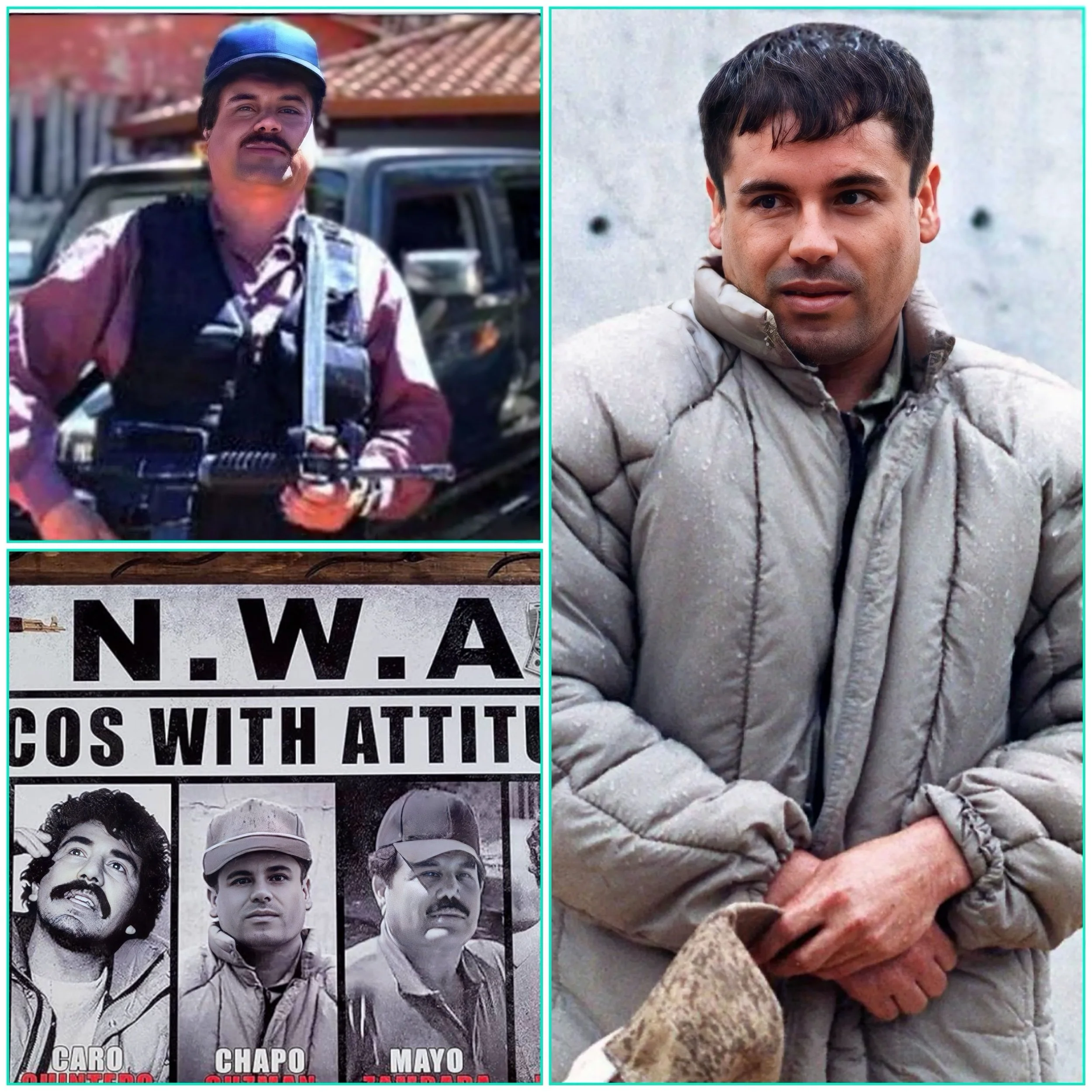
The Sinaloa Cartel emerged from the fragmentation of the Guadalajara Cartel in 1989, when Joaquín “El Chapo” Guzmán and Ismael “El Mayo” Zambada orchestrated the organization’s reconstitution around their control of Pacific coastal trafficking routes.
Throughout the 1990s and 2000s, Guzmán and Zambada systematized cartel operations through the establishment of franchise-like distribution networks extending from Colombian cocaine production zones through Central America, across Mexico’s northern border, and into North American retail markets.
The cartel’s organizational innovation centered on the distinction between territorial control and market penetration—rather than requiring absolute dominion over every smuggling corridor, Sinaloa established itself as the mediating authority that permitted other traffickers to operate under its umbrella arrangement, collecting taxes on shipments and resolving disputes through its enforcement apparatus.
Guzmán’s 2016 capture initiated a period of operational adaptation; El Mayo Zambada, already in his seventies, assumed the primary leadership role whilst the four sons of El Chapo—collectively known as the Chapitos—gradually consolidated control over major operational sectors of the organization.
The Sinaloa Cartel’s operational model prioritized resilience over spectacle. Whilst El Chapo cultivated a public persona as a folkloric figure celebrated in narcocorridos and pursued across international borders, Zambada constructed a network of distributed decision-making authority that permitted the organization to function during periods of intensive law enforcement attention.
El Mayo’s success derived from his ability to establish working relationships with competing trafficking organizations, corrupt government officials at multiple levels, and coordinate movements of vast quantities of drugs across international borders for decades, whilst evading capture. His arrest on July 25, 2024, when lured to El Paso, Texas, by his former protégé Joaquín Guzmán López on the pretext of a meeting to arrange secret airstrips, shattered the organizational equilibrium that had persisted since El Chapo’s imprisonment. The circumstances of his capture—apparently orchestrated through a deception initiated by one of El Chapo’s sons, with possible involvement of U.S. law enforcement—triggered cascading internal conflicts within the cartel’s factions.
The CJNG’s organizational trajectory presents a radically different profile. Emerging in 2009 as a faction within the Milenio Cartel and subsequently separating to establish independent operations in 2014, the CJNG developed under the leadership of Nemesio Oseguera Cervantes, known as El Mencho, an individual whose rise from impoverished agricultural labor to command of Mexico’s most feared criminal organization exemplifies the cartel’s meritocratic operational model.
Unlike Sinaloa’s emphasis on distributed networks and operational discretion, the CJNG projected power through spectacular violence, public executions, and direct military-style engagements with Mexican security forces.
The 2011 Veracruz Massacre, in which the cartel displayed thirty-five bodies of murdered Los Zetas members on a Mexican highway, represented not merely an act of violence but a calculated communication strategy—a declaration of territorial conquest and military capability.
Under El Mencho’s command, the CJNG expanded into forty-plus countries, diversified its revenue streams across cocaine, methamphetamine, heroin, and fentanyl production, and developed parallel criminal enterprises encompassing extortion of legitimate businesses (tortillas, avocados, limes, chicken farming), fuel theft, human trafficking, and timeshare fraud operations.
The current status of these organizations reflects a cartel landscape in the midst of historic transformation.
The Sinaloa Cartel, whilst retaining its position as Mexico’s most dominant trafficking organization in terms of established networks and institutional continuity, has fractured into competing factions aligned with the Mayitos (supporters of the incarcerated El Mayo) and the Chapitos (allies of El Chapo’s surviving sons).
The criminal conflict unleashed by El Mayo’s absence has generated unprecedented violence in Sinaloa state itself—homicides have surged by over four hundred percent since his arrest, transforming the state into an urban warzone where daylight shootouts, vehicle burnings, and public displays of violence have displaced thousands and disrupted commercial activity.
The CJNG, by contrast, has demonstrated enhanced organizational cohesion under El Mencho’s still-active leadership, with the cartel consolidating control over Mexico’s most economically productive regions and positioning itself as the ascendant power in the continental narcotics market.
Key developments and latest facts
The most consequential recent developments center on three distinct but interrelated events: the disruption of Sinaloa Cartel leadership, the Trump administration’s legislative designation of Mexican cartels as foreign terrorist organizations, and Mexico’s defensive response through enhanced enforcement operations coupled with categorical rejection of American military intervention.
In August 2025, El Mayo Zambada entered into a guilty plea agreement in federal court in Brooklyn, acknowledging his role as a principal leader of the Sinaloa Cartel’s continuing criminal enterprise. His testimony provided unprecedented insight into the cartel’s operational sophistication, revealing that organizational structures for systematic bribery of Mexican law enforcement and military personnel extended back decades, with payments distributed hierarchically from street-level police officers to senior government officials.
The guilty plea effectively confirmed what law enforcement agencies had long understood: the Sinaloa Cartel’s fundamental advantage rested not on superior violence or technological innovation, but on its penetration of Mexican state institutions, purchasing protection and cooperation from the very officials responsible for drug interdiction and cartel disruption.
Concurrently, the Trump administration’s January 2025 designation of eight Mexican criminal organizations—including both the Sinaloa Cartel and CJNG—as foreign terrorist organizations triggered cascading legal and financial consequences. The terrorist designation authorized economic sanctions, including asset freezes, restrictions on financial transactions, and prohibitions against American citizens or entities providing material support. More significantly for purposes of understanding Trump’s operational intentions, senior Pentagon officials began compiling target lists identifying specific cartel facilities, leadership hideouts, drug production laboratories, and strategic infrastructure for potential air strikes.
The news reports disclosed by the Rolling Stone publication revealed that military planners at Fort Bragg, home to elite special operations units including Delta Force and SEAL Team Six, had prepared “target packages” for potential kinetic operations, with discussions encompassing drone strikes, commando raids, airstrikes on cartel laboratories, and cyber operations against cartel financial and communications networks.
Intelligence analysts identified El Mencho, the CJNG leader, as the highest-value potential target. The U.S. government has offered a $15 million reward for information leading to his capture, one of the largest bounties ever provided for a criminal target.
One former intelligence officer quoted in open-source reporting asserted that “El Mencho is the only target worth pursuing,” reasoning that a successful operation targeting him would generate sufficient strategic and symbolic impact to demonstrate American resolve in combating the cartel threat. Whether by Pentagon design or deliberate strategic ambiguity, the Trump administration maintained the threat of imminent military action throughout 2025, with Trump himself stating publicly that military action against Mexico “could happen” and that “stranger things have happened.”
Yet despite months of preparation, threat rhetoric, and public declarations of intent, no American military strikes occurred against Mexican cartel targets.
The political economy of this restraint illuminates the constraints operating on Trump’s actual policy options. Mexican President Claudia Sheinbaum, assuming office in October 2024 facing a cartel-violence crisis that has generated approximately eighteen thousand organized-crime-linked homicides annually in Mexico, has pursued a diplomatic strategy of categorical refusal. Her government has repeatedly stated that American military intervention in Mexico is “ruled out,” emphasizing instead a bilateral agreement that guarantees “sovereignty, the integrity of our territory, and collaboration and cooperation without subordination.”
Rather than capitulate to American pressure through accepting military intervention, Sheinbaum’s administration has implemented the domestic enforcement measures that Trump ostensibly demands: Mexico has extradited over fifty high-ranking cartel members to the United States, deployed ten thousand National Guard troops to the northern border, and achieved record fentanyl seizures, including the largest single interdiction in Mexican history in December 2024.
The timing and content of Mexico’s enforcement escalation reveal astute political management. As Trump’s threats mounted, Mexico’s extraditions accelerated, with Mexican officials explicitly deploying compliance with American law enforcement priorities as a diplomatic tool to forestall the imposition of Trump’s threatened tariffs and military intervention. Intelligence officials in Washington privately acknowledged that Mexico’s extradition surge represented an attempt to “prevent U.S. military intervention while maintaining ongoing trade discussions.”
Sheinbaum has further granted the Central Intelligence Agency unprecedented authority to conduct drone surveillance operations over Mexican territory, ostensibly to locate fentanyl production facilities, but effectively conceding America’s intelligence agencies access to airspace and targeting information previously guarded as symbols of national sovereignty.
Cause-and-Effect Analysis: Why Trump Targeted Venezuela, Not Mexico
The divergence between Trump’s stated commitments to eliminate Mexican cartels and his actual military operation against Venezuela requires understanding three distinct causal chains: first, the structural incentives operating on Trump’s decision-making; second, the geopolitical constraints imposed by Mexico’s resistance; and third, the domestic political imperatives that necessitated military action despite its separation from narcotics realities.
The arrest of El Mayo Zambada in July 2024 initiated a cascading process of organizational disruption within the Sinaloa Cartel that has, counterintuitively, intensified rather than diminished Mexico’s cartel violence.
The cartel’s fracture into competing factions has generated exactly the scenario that strategic analysts consider most dangerous: the displacement of institutional order by competitive internecine warfare.
When criminal organizations possess hierarchical structures with clearly defined leadership, territorial spheres of control, and dispute-resolution mechanisms, the overall level of violence often remains contained because the organization has incentive to limit destructive conflict that damages its operational capacity and attracts government enforcement attention.
The Sinaloa Cartel under El Mayo Zambada, despite its global criminality, operated as a rational economic actor that sought to maintain stability and minimize violence. The Chapitos’ ascendance and the Mayitos’ resistance to their authority has destroyed that framework, producing the four-hundred-percent surge in homicides in Sinaloa state observable in 2025.
The CJNG, by contrast, has demonstrated organizational cohesion precisely because El Mencho has maintained active leadership and centralized decision-making authority. The cartel has not fractured despite sustained law enforcement pressure because Oseguera maintains legitimacy through his demonstrated capacity to sustain the organization’s strategic position.
The CJNG has become the ascendant force in Mexico’s criminal landscape, expanding into regions previously dominated by Sinaloa and consolidating control over the most economically significant trafficking corridors.
Mexican government assessments identify the CJNG as the most formidable drug cartel in the country, with assets estimated at $20 billion and operational presence spanning the vast majority of Mexico’s thirty-two states.
Trump’s threats of military intervention against the Sinaloa Cartel and CJNG encountered categorical resistance from Mexico’s government. Claudia Sheinbaum’s refusal to acquiesce to American military action rested on several foundations.
First, she understood that permitting American military operations on Mexican soil would fundamentally undermine her political legitimacy—Mexico’s sovereignty and the principle of non-interference in domestic affairs remains deeply embedded in Mexican political culture, particularly following the historical experience of American military interventions in Mexico stretching back to the nineteenth century.
Second, Sheinbaum recognized that American military strikes targeting cartel infrastructure would likely generate a spiral of escalating cartel violence in response, destabilizing regions already ravaged by organized crime.
Third, she possessed an alternative compliance strategy—the acceleration of extraditions and enforcement operations—that allowed her to demonstrate responsiveness to American demands whilst maintaining nominal sovereignty.
Sheinbaum’s strategy proved sufficient to forestall direct American military action in Mexico. Rather than escalate into military confrontation with Mexico, Trump required an alternative target capable of generating domestic political benefit whilst avoiding direct conflict with a neighboring state. Venezuela provided such a target.
The Venezuelan government under Nicolás Maduro has occupied an ambiguous position in Trump administration rhetoric regarding drug trafficking—the administration has alleged connections between the Maduro regime and the Tren de Aragua criminal gang, asserted Venezuelan involvement in cocaine trafficking, and claimed Venezuelan complicity in the fentanyl crisis affecting the United States.
However, the empirical evidence supporting these allegations is dramatically weaker than the narcotics realities of Mexico.
Multiple assessments by the U.S. Drug Enforcement Administration, the United Nations Office on Drugs and Crime, and independent researchers establish that Venezuela plays a negligible role in fentanyl production, does not figure prominently in DEA or UN assessments of fentanyl flows into the United States, and represents a minor transit point for cocaine primarily destined for European markets rather than American consumers.
Cocaine transiting Venezuela comprises less than ten percent of cocaine supplies entering the United States; the vast majority of Colombian cocaine reaches American markets through Pacific or Caribbean routes that bypass Venezuelan territory entirely.
One former U.S. diplomat specializing in counternarcotics described Venezuelan drug involvement as “not a hub for fentanyl,” making the ostensible linkage between Venezuela and American overdose deaths “tenuous at best.”
The Trump administration’s mischaracterization of Venezuela’s role in the global drug trade reflects a discrepancy between rhetorical justification and operational motivation.
The decision to execute Operation Absolute Resolve on January 3, 2026, resulting in the capture and extraction of Nicolás Maduro via Delta Force operations, appears driven primarily by geopolitical objectives unrelated to narcotics: the elimination of a left-wing government perceived as adversarial to American interests, the consolidation of American hegemonic influence in the Western Hemisphere, and the assertion of Trump’s personal commitment to unilateral American military action divorced from traditional alliance constraints.
The operational sequence supports this interpretation. Trump authorized the Venezuelan operation days before its execution, with military planners having considered alternative dates including Christmas before weather considerations and competing military priorities (airstrikes in Nigeria against ISIS targets) caused postponements.
The decision to proceed with Venezuelan strikes whilst maintaining restraint regarding Mexican cartel targets reflects a calculus in which Venezuela, lacking the geographic proximity and interstate treaty obligations that constrain American action in Mexico, presented a more feasible target for demonstrating Trump’s willingness to employ military force against narcotics-linked regimes—irrespective of the actual magnitude of Venezuela’s drug-trafficking role.
Claudia Sheinbaum’s Defensive Posture: Mexican Sovereignty Against American Pressure
Claudia Sheinbaum’s first year as Mexico’s president has been defined by the management of an asymmetrical relationship with a United States administration that combines escalating military threats with escalating economic coercion through tariff threats.
Sheinbaum inherited a cartel-violence crisis that generates approximately eighteen thousand homicides annually linked to organized crime, alongside continued American political pressure to resolve what American authorities increasingly characterize as an American problem—the demand for and consumption of Mexican-produced fentanyl.
Rather than capitulate to Trump’s threats of military intervention, Sheinbaum has implemented a two-track strategy.
On the diplomatic track, she has categorically refused American military intervention and emphasized Mexico’s commitment to defending its national sovereignty, with public statements asserting that any American military action on Mexican territory represents an unacceptable violation of Mexico’s territorial integrity and independence.
This posture carries substantial domestic political resonance in Mexico, where American interventionism remains a negative historical memory and where national sovereignty constitutes a fundamental value in Mexican political discourse.
Simultaneously, Sheinbaum has accelerated enforcement operations that appear calibrated to demonstrate responsiveness to American demands whilst maintaining that Mexico is pursuing its own security objectives.
Mexico has conducted over nine hundred arrests in Sinaloa state during the October-December 2024 period, deployed ten thousand National Guard troops to the northern border, and achieved unprecedented fentanyl seizures, including the largest single interdiction in Mexican history in December 2024.
Mexico has extradited over fifty high-ranking cartel members to the United States in Sheinbaum’s first year, with some extraditions explicitly occurring in the immediate aftermath of Trump’s threats of military action.
Sheinbaum has further granted the CIA authority to conduct drone surveillance flights over Mexican territory, ostensibly to locate fentanyl production facilities but effectively permitting American intelligence agencies unprecedented access to Mexican airspace and signals intelligence.
This concession, whilst maintaining the technical appearance that Mexico retains sovereignty (the flights operate with Mexican government awareness rather than violation), effectively constitutes a partial surrender of a traditionally jealously-guarded symbol of Mexican independence.
Sheinbaum’s reported claim that her administration has achieved a thirty-seven percent reduction in homicides in her first year represents either a statistical assertion dependent on specific definitional choices regarding which deaths constitute “homicides” versus “organized crime violence,” or reflects the reality that her most aggressive enforcement operations have occurred in states where the greatest violence concentration persists, potentially generating short-term displacement effects rather than genuine violence reduction.
Independent analyses from the Armed Conflict Location & Event Data project document that Sinaloa state alone experienced over five hundred seventy-one homicides in 2025, already surpassing the total for all of 2024, with much of this violence occurring in the October-December period coinciding with Sheinbaum’s enforcement escalations.
The Role and Mischaracterization of Venezuela in the Global Drug Trade
The Trump administration’s military operation against Venezuela on January 3, 2026, was publicly justified as a response to Venezuelan involvement in drug trafficking and as part of a broader campaign against narcoterrorism. This characterization fundamentally misrepresents the empirical structure of global drug markets and the actual role of Venezuela in narcotics trafficking networks.
Venezuela’s participation in the cocaine trade exists primarily as a transit point. Cocaine produced in Colombia transits Venezuelan territory en route to European markets, with estimates suggesting approximately two hundred to two hundred fifty tons of cocaine pass through Venezuela annually. However, this volumetric characterization obscures the destination: the majority of Venezuelan-transiting cocaine is destined for European consumption, not North American markets.
The cocaine actually entering the United States through or from Venezuela comprises less than ten percent of total cocaine supplies reaching American markets, with the predominant American cocaine supply originating from Pacific maritime routes and Caribbean pathways that bypass Venezuelan territory entirely.
Venezuela is not a fentanyl producer. No U.S. intelligence assessment, no DEA report, and no UN drug assessment identifies Venezuela as a significant source of fentanyl destined for American markets. Fentanyl is a synthetic opioid manufactured in clandestine laboratories utilizing precursor chemicals sourced from China.
Since approximately 2019, Mexico has replaced China as the primary source of finished fentanyl distributed in the United States, with Mexican cartels—specifically the Sinaloa Cartel and CJNG—controlling the manufacturing process and distribution networks. Venezuelan involvement in the fentanyl supply chain is negligible.
The Trump administration’s allegations regarding Venezuelan government complicity in drug trafficking hinge substantially on assertions about Venezuelan military officers’ involvement in the Tren de Aragua criminal gang. However, the evidence supporting this connection is substantially weaker than administration rhetoric suggests.
Intelligence officials have reported that U.S. intelligence agencies possess no evidence connecting Maduro to Tren de Aragua, and reporting from Venezuelan opposition sources indicates conflicting information regarding whether Tren de Aragua operates with government sanction or opposition to the regime.
In July 2024, Maduro himself declared that Venezuela had “finished off Tren de Aragua,” and the Venezuelan foreign minister asserted in 2024 that the organization no longer existed.
The mischaracterization of Venezuela’s drug-trafficking role appears designed to generate public justification for military action driven by fundamentally geopolitical rather than narcotics-focused objectives.
Trump’s operation against Venezuela served to eliminate a regional left-wing government perceived as hostile to American interests, to assert American military capabilities in the Western Hemisphere, and to demonstrate Trump’s personal willingness to deploy military force unilaterally—all objectives substantially divorced from the empirical realities of the global drug trade.
Future Outlook: Escalation, Fragmentation, and Strategic Deadlock
The trajectory forward for Mexican cartel organizations, the Trump administration’s response to continued fentanyl flows, and the sustainability of Mexico’s defensive enforcement strategy appears likely to generate continued escalation absent fundamental strategic reorientation by any of the principal actors.
The Sinaloa Cartel’s internal fracture appears unlikely to resolve through consolidation under unified leadership in the near term. The Mayitos and Chapitos represent distinct power bases with territorial constituencies, financial networks, and internal enforcement mechanisms.
El Mayo Zambada’s removal creates a power vacuum that cannot be readily filled—his three decades of relationship-building with corrupt officials, his mediation capacity across competing factions, and his reputation for sophisticated strategic thinking are not easily replicated by the younger and less-experienced Chapito leadership.
The organization is likely to splinter further into regional power centers aligned with Sinaloa’s original territorial strongholds in Sinaloa, Durango, and Chihuahua states, with the four Chapito brothers potentially controlling distinct operational zones rather than unified organizational command.
The CJNG, by contrast, is likely to continue consolidating its position as the dominant force in Mexico’s criminal landscape. El Mencho has maintained active leadership from concealment in Mexico’s rural mountainous regions, and the organization has demonstrated the organizational cohesion to resist both government enforcement pressure and cartel rivals.
The CJNG’s future expansion is likely to focus on deepening control in economically significant regions—particularly Guadalajara and the central Mexican manufacturing belt—and on expanding its international presence in North America and Europe. The cartel’s diversification into licit business extortion, fuel theft, and human trafficking suggests evolution toward a quasi-governmental criminal apparatus capable of extracting revenue from multiple economic sectors.
The fentanyl crisis in the United States is unlikely to diminish substantially absent major shifts in either American demand-side policy or in Mexican production capacity. Mexican cartels have demonstrated capacity to rapidly replace any drug supply disrupted by law enforcement, with the extraordinary potency of fentanyl (requiring only minuscule quantities for lethal dosing) creating a market dynamic in which supply-side enforcement struggles to generate meaningful reduction in availability.
Over eighty-six percent of individuals convicted of fentanyl trafficking are American citizens, indicating that the American distribution network for fentanyl remains fundamentally American-controlled rather than Mexican-cartel-controlled, suggesting that Mexican enforcement actions address only the production end of a supply chain whose ultimate dynamics are driven by American consumption patterns and distribution infrastructure.
Mexico’s defensive enforcement strategy appears sustainable in the near term as a means of forestalling Trump’s military intervention threats, but it is unlikely to generate genuine cartel disruption or narcotics supply reduction. The extraditions occurring at elevated rates represent top-level cartel members readily replaceable within organizational hierarchies.
The National Guard deployments to the border, whilst generating increased seizures, represent a defensive posture designed to demonstrate enforcement effort rather than a strategic offensive against production capacity.
The sovereignty-preserving stance of categorical refusal of American military intervention remains politically sustainable because Sheinbaum has demonstrated willingness to concede enforcement cooperation without formally accepting American military presence.
Trump’s restraint regarding direct military strikes in Mexico appears likely to persist because the geopolitical cost of violating Mexican sovereignty, combined with the operational difficulties of sustained military action in Mexico’s complex terrain against distributed criminal networks, outweigh the domestic political benefits of demonstrating anti-cartel action.
The demonstration effect achieved through the Venezuelan operation—a display of American military capability and willingness to employ force—may prove sufficient for Trump’s domestic political purposes without extending to sustained Mexican operations.
The most probable trajectory is continued organizational evolution within Mexican cartels, ongoing (but unsustainable) enforcement escalation by Mexico’s government, persistent American political rhetoric regarding cartel threat, and eventual strategic deadlock in which the high profitability of fentanyl production ensures continued trafficking irrespective of enforcement pressure, the political constraints on American military action ensure continued Mexican government resistance, and the structural demand for opioids in the American market ensures continued consumption despite devastating public health consequences.
Conclusion
The world’s most dangerous drug cartels remain fundamentally products of the structural economics of transnational narcotics trafficking rather than exceptional criminal organizations.
The Sinaloa Cartel and the CJNG survive and operate despite unprecedented law enforcement pressure because they provide essential services to supply chains that generate extraordinary financial returns. Fentanyl production is profitable because it addresses American demand; Mexican cartels dominate fentanyl production because Mexico’s geographic position, existing trafficking infrastructure, and relative cost advantages provide competitive superiority; and Mexico’s government possesses limited capacity to unilaterally dismantle organizations that have achieved quasi-governmental status in substantial territorial zones.
Trump’s decision to maintain threats against Mexican cartels whilst actually executing military operations against Venezuela illuminates the distinction between strategic communications designed for domestic political consumption and genuine strategic execution designed to address narcotics trafficking.
The mischaracterization of Venezuela’s role in the global drug trade, the assertion of fentanyl death statistics substantially exceeding actual CDC figures, and the framing of narcotics trafficking as primarily a security problem amenable to military solution rather than a public health crisis requiring demand-side intervention represent examples of how political imperatives shape ostensibly facts-based policy justifications.
Claudia Sheinbaum’s defensive strategy of categorical refusal of American military intervention combined with accelerated enforcement operations reflects sophisticated political management of an asymmetrical relationship. Her government has demonstrated sufficient responsiveness to American demands to forestall military action whilst maintaining sufficient assertiveness regarding Mexican sovereignty to preserve political legitimacy.
This approach is unlikely to generate fundamental reduction in cartel power or narcotics flows, but it may prove sufficient to navigate the current period without the catastrophic disruption that would accompany open military conflict between the United States and Mexico.
The fundamental tragedy of the current situation resides in the reality that neither military action against cartels nor enforcement-centric counter-drug policy addresses the underlying dynamics that make fentanyl trafficking extraordinarily profitable: the existence of mass addiction in American markets, the extraordinary potency of fentanyl enabling minuscule quantities to command substantial retail prices, and the capacity of criminal organizations to reorganize production and distribution networks faster than enforcement agencies can dismantle them.
Absent major shifts in American demand-side policy, treatment capacity, and harm reduction approaches, the fentanyl crisis is likely to persist regardless of cartel-focused enforcement action or military operations.