Zelenskyy's Davos Speech 2026: Wake-Up Call for Europe and Step Forward for Peace
Executive Summary
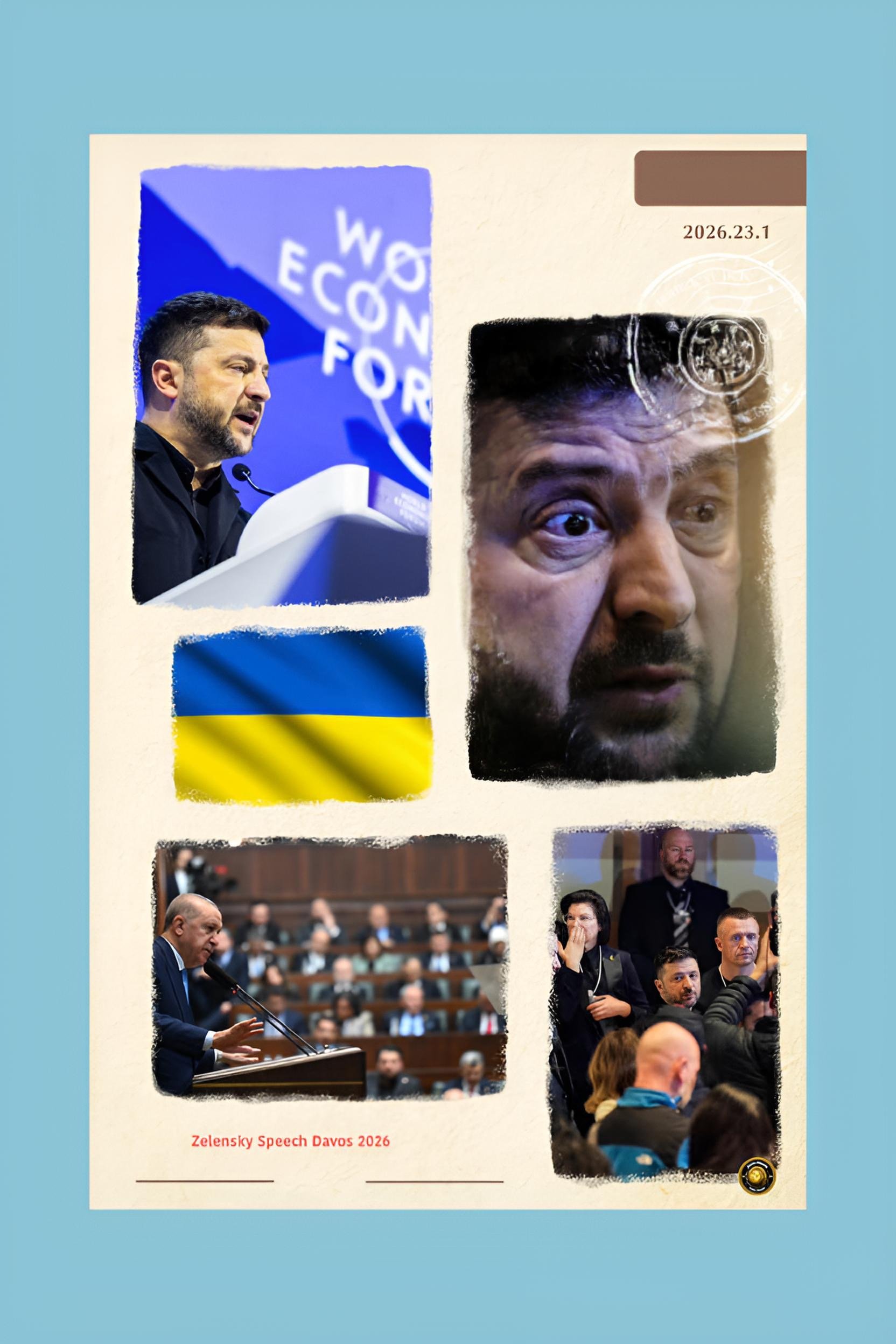
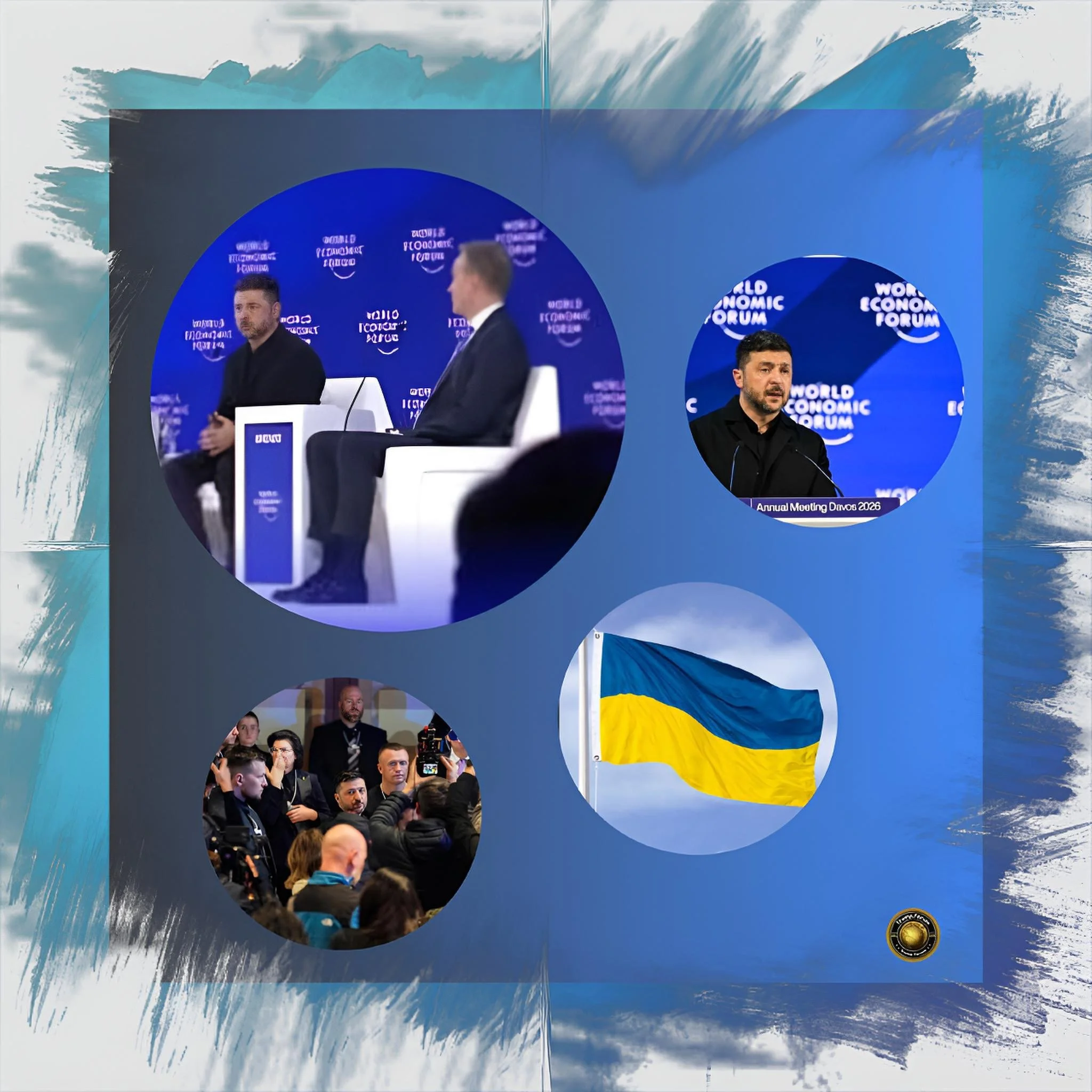
Ukrainian President Volodymyr Zelenskyy gave a powerful and critical speech at the World Economic Forum in Davos on January 22, 2026. He criticized Europe for not doing enough to defend itself and for relying too much on America for security. He used the movie metaphor "Groundhog Day" to describe Europe as repeating the same inaction year after year without progress.
At the same time, Zelenskyy said his meetings with President Trump were productive and that documents to end the war with Russia are nearly ready. He announced trilateral talks between Ukraine, Russia, and America scheduled for Abu Dhabi. He also called on business leaders to invest in Ukraine after the war ends as a sign of confidence in the country's future.
FAF assessment explains Zelenskyy's main message, what he criticized about Europe, his peace plans, how investors reacted, and what happens next.
Introduction
A Leader's Urgent Warning
On January 22, 2026, Ukrainian President Volodymyr Zelenskyy arrived in Switzerland for the World Economic Forum at Davos. This was not a comfortable visit.
Back in Ukraine, Russian missiles were destroying electrical power plants and water systems. More than half of Kyiv, the capital city, had no electricity. People were suffering from cold without heat and from lack of water. Hundreds of thousands of Ukrainians needed help because of the Russian attacks.
Despite these terrible conditions at home, Zelenskyy traveled to Davos because something important was happening: peace talks with Russia through American help.
Zelenskyy had made clear he would only come to Davos if there was a real chance to sign agreements about ending the war and getting security guarantees for Ukraine after peace comes. When Trump's team agreed to meet with him, Zelenskyy decided the trip was worth the risk.
But when Zelenskyy stepped on the stage in Davos on January 22, he did not give a thank-you speech. Instead, he gave what many called the toughest criticism of Europe he had ever made. He was not angry or yelling. He was calm and serious. But his message was hard: Europe is not doing enough. Europe has lost its ability to act. Europe is stuck repeating the same mistakes year after year.
The Groundhog Day Problem
Europe Repeats Its Failures
Zelenskyy started his speech by telling people to remember the movie "Groundhog Day." In that movie, a man wakes up and has to live the same day over and over again. Each day is exactly the same. The man remembers what happened yesterday, but nothing changes. He is trapped in a cycle.
Zelenskyy said that was exactly Europe's problem. Exactly one year ago, at Davos 2025, Zelenskyy had said these words: "Europe needs to know how to defend itself." It was an urgent message. He wanted Europe to take action, to get stronger, to become independent from America for defense. But then a year passed. Nothing changed. Europe in 2026 was facing the exact same problems. Zelenskyy had to repeat the exact same message. Nothing had improved.
Zelenskyy extended this idea to Ukraine itself. Ukrainians, he said, felt trapped in the same cycle. They fought the same battles. They heard the same Russian missiles attack the same targets—electricity plants, water pipes, hospitals. They made the same requests for weapons and help. They waited for the same promises of international support. Week after week, month after month, year after year—the same thing repeated. "That is exactly how we live now. It's our life," Zelenskyy said.
But the real problem was not just repetition. The real problem was that nothing got better. The cycle made Zelenskyy frustrated because it showed that Europe was not serious about defending itself. Europe made promises but did not follow through. Europe talked about being strong but made no real changes.
What's Wrong With Europe
Zelenskyy's Main Criticisms
Zelenskyy explained that Europe had become dependent on America for security. This dependency had become a problem because it made Europe weak and unable to think for itself. He posed a question that made people uncomfortable: if Russia attacked Lithuania or Poland (both NATO countries), would NATO actually fight back? Europe assumed the answer was yes. But nobody really knew because it had never happened.
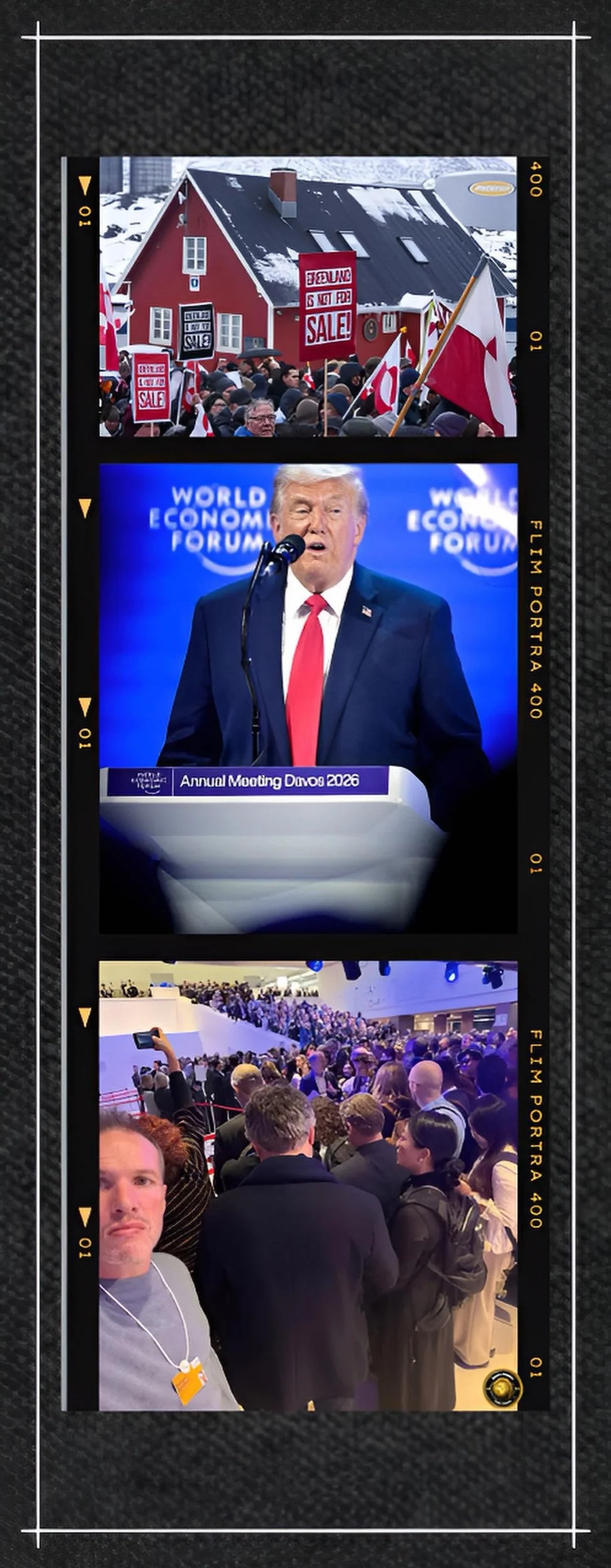
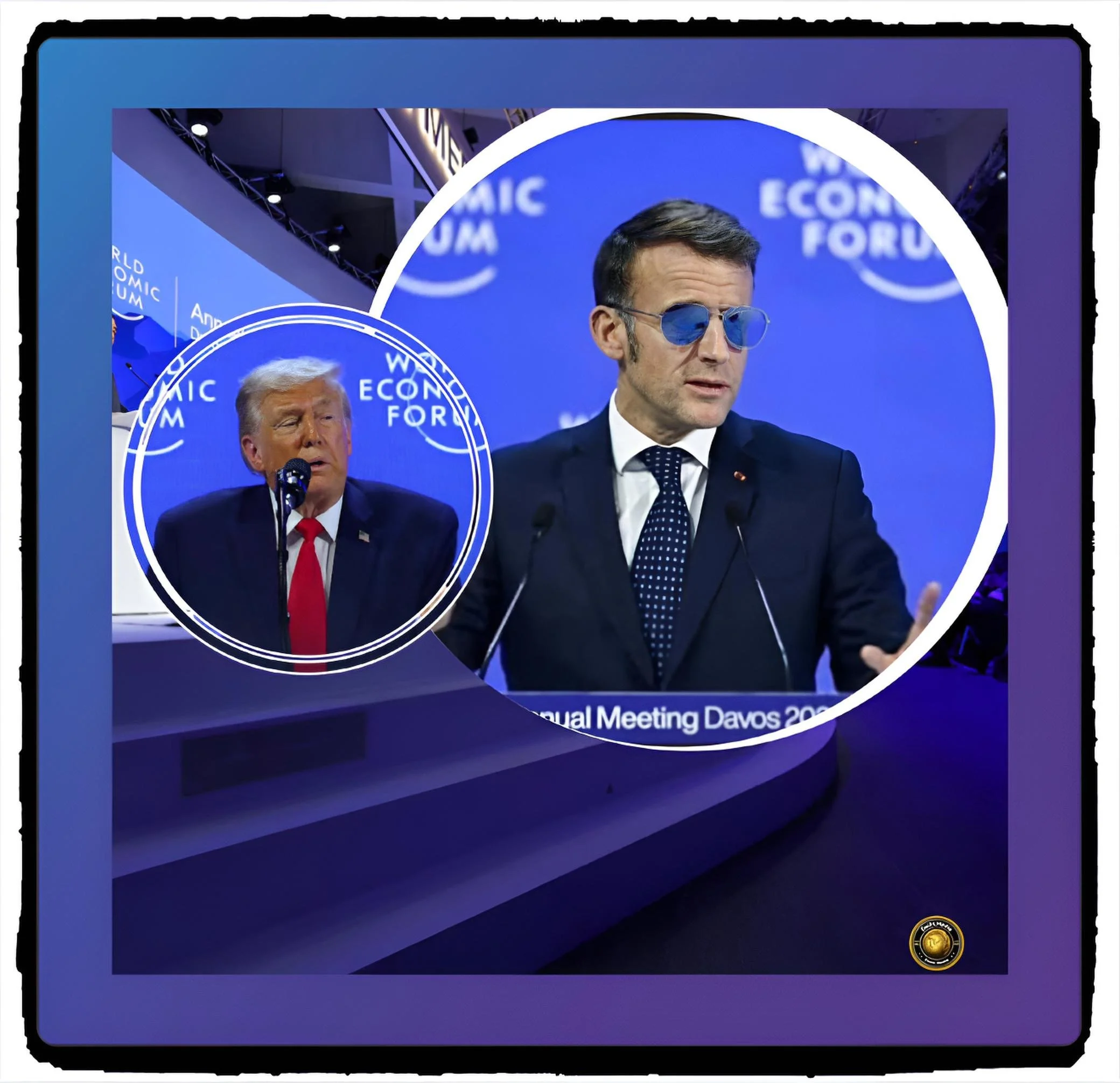
Zelenskyy's real worry was about America's commitment. NATO depended on the idea that America would defend Europe against Russia, even if it meant risking war with a nuclear superpower. But what if America did not want to do that? What if America said no? Zelenskyy suggested that European leaders were starting to ask themselves this question quietly, but they did not admit it in public. Trump's behavior at Davos—threatening tariffs against NATO allies and demanding control of Greenland—had made the question impossible to ignore.
Europe's military response to the Greenland crisis proved Zelenskyy's point. NATO sent troops to Greenland as a gesture of support for Denmark (which owns Greenland). But how many troops? Only about 40 soldiers. Zelenskyy said sending 40 soldiers to defend an important territory was not a real show of strength. It was a weak gesture. It told Russia and China that Europe could not do much. It told Denmark that Europe was not serious about helping. Zelenskyy suggested that Ukraine could do more to defend Greenland through drone attacks on Russian ships than Europe was doing with troops.
Beyond military issues, Zelenskyy criticized Europe for not enforcing sanctions on Russia effectively. Europe had put economic sanctions on Russia to punish it for the war. But Russian oil was still being sold. Russian companies still helped Putin's war machine. European enforcement of sanctions was not strict enough. American sanctions were much stricter and actually worked better.
Zelenskyy also pointed out that Russia was getting electronic components from companies in America, Europe, and Taiwan. These components were needed to make advanced weapons like missiles that attack Ukrainian cities. If Europe, America, and Taiwan would all stop sending these components, Russia could not make missiles. The war would become easier to win. But nothing like that was happening. Europe said nothing. America said nothing. And Putin kept making missiles. This showed, Zelenskyy said, that the West was not serious about winning the war.
Europe's Problem with Action
Zelenskyy made an interesting observation about European leaders. Many said they would "stand strong" and support Ukraine. But then they always asked how long they had to stand strong. They wanted to know if they could stop helping after the next election. In other words, European leaders could not make decisions that lasted more than one election cycle. They could not commit to long-term strategies. This made it impossible for Europe to have real power.
Zelenskyy also criticized Europe for waiting for America to act on big problems. When Iran became aggressive, Europe waited to see what America would do. When Belarus had a pro-democracy movement in 2020, Europe did nothing. Now Russian missiles were stationed in Belarus, close enough to hit most European capitals. This happened because Europe had refused to help the Belarusian people when they needed help.
The same pattern appeared everywhere. Europe did not stop Russian oil tankers (called shadow fleet) that were breaking sanctions. Europe moved slowly on war crimes courts for Russian crimes. Europe had frozen Russian money but would not use it to help Ukraine. In every case, Europe waited, delayed, or did nothing.
Zelenskyy's ultimate criticism was that Europe "still feels more like a geography, history, a tradition, not a real political force, not a great power." Europe had resources, money, technology, and military power (through NATO). But Europe could not turn these resources into real action. Europe had become dependent on America for so long that it forgot how to be independent.
Positive News
Progress on Peace Talks
But Zelenskyy's speech was not all criticism. He also had good news. He said his meeting with President Trump in Davos was "productive and substantial." He said his teams were meeting with American representatives "almost every day." Most importantly, he said "the documents aimed at ending this war are nearly, nearly ready."
This was significant. It meant that serious progress had been made on peace terms. Documents about ending the war usually cover things like how fighting will stop, where troops will go, how prisoners will be released, and what security arrangements will be made. If these documents were nearly ready, it meant the two sides were very close to agreement on many issues.
Zelenskyy also spoke about what kind of security Ukraine would get after the war ended. He said that the UK and France would send soldiers to Ukraine to provide security. But he emphasized again: "No security guarantees work without the US." America's commitment was essential. This was important because it showed that while Europe was willing to help, America's protection was still considered necessary.
The Major Announcement
Trilateral Talks
The biggest news from Zelenskyy's speech was his announcement of trilateral talks. These talks would involve Ukraine, Russia, and the United States. They were scheduled for Abu Dhabi (in the United Arab Emirates) on January 23-24, 2026—just one or two days after his Davos speech. This would be the first time all three sides would sit down together at a negotiating table.
Zelenskyy called these negotiations the "last mile"—the hardest and most difficult part of getting peace. The main issue still not solved? Territory. Eastern Ukraine—the land that Russia had conquered during the war—was the biggest problem. Zelenskyy said "It's all about the land. This is the issue which we have not solved yet."
Ukraine had always refused to accept giving land to Russia as a permanent peace deal. But Russia wanted to keep the land it had conquered. This was the fundamental problem preventing peace. The trilateral talks would try to solve this.
Zelenskyy was realistic about the difficulty. He said "Russians have to be ready for compromises because everybody has to be ready, not only Ukraine." He was saying that Russia, not just Ukraine, had to make concessions. He was trying to shift pressure onto Russia to show flexibility.
He also noted that Americans would meet with Russians separately after the trilateral talks. This meant there were really three separate discussions happening: America with Ukraine, America with Russia, and then all three together. Zelenskyy said "it's better than not to have any dialogue" even though the situation remained difficult because "we are under attack, people live without electricity."
Business Leaders Respond With Investment
An important part of Zelenskyy's message involved asking business leaders to invest in Ukraine. He said the best way to support Ukraine was not through words of support but through actual jobs and money. He asked companies to open offices in Ukraine as a sign they believed in Ukraine's future.
This message resonated with investors at Davos. During the conference, major investment deals were announced totaling around 350 million euros (about 410 million dollars).
Two major investment funds for Ukrainian reconstruction were created:
(1) The Catalyst Fund raised more than 150 million euros on January 20, 2026
(2) The Amber Dragon Ukraine Infrastructure Fund raised 200 million euros on January 21, 2026 with a goal to reach 350 million euros
These funds would invest in rebuilding Ukraine's energy systems, transportation networks, and digital infrastructure after the war ends.
This investment momentum was important for several reasons.
First, it showed that investors believed peace was coming and that Ukraine would rebuild successfully.
Second, it meant money was ready to flow into Ukraine quickly once peace was achieved. Third, it gave Ukraine and Zelenskyy something positive to point to while peace negotiations happened.
Other success stories helped attract more investment. Kyivstar, Ukraine's biggest cell phone company, had listed its stock on NASDAQ (the American stock exchange) in 2025 while the war was still happening.
This showed that Ukrainian businesses could grow even during the war. Ukraine's defense production had reached $35 billion per year, showing that the country had important industry. Minerals deals that had been discussed at Davos 2025 were now being implemented.
American officials from the US International Development Finance Corporation (a government agency that helps with international development) said they would help push investments into Ukraine over the next three to six months. They were excited about opportunities. This showed that even the American government was preparing for reconstruction that would follow peace.
How Europe Reacted
European leaders heard Zelenskyy's criticisms. Some were uncomfortable because much of what he said was true. Europe had not increased defense spending as much as it should have. European military contribution to Ukraine was smaller than European capacity allowed. European sanctions on Russia had not been as strict as American sanctions. European leaders could not easily deny the basic facts.
But European leaders also recognized that Zelenskyy's criticism was designed to push them to do better, not to push them away. Ukraine still needed European support. Europe was still sending weapons, money, and diplomatic backing to Ukraine. Zelenskyy was not rejecting Europe. He was pressing Europe to live up to its values and its capabilities.
NATO's leader, Mark Rutte, acknowledged that there were "tensions at the moment" in the alliance, referring to Trump's Greenland threats. But he said the answer was "thoughtful diplomacy"—working together to solve problems. This showed that NATO recognized it needed to address the concerns that Zelenskyy had raised.
What the Speech Meant
The Deeper Message
Zelenskyy's Davos speech had a deeper meaning beyond the specific criticisms. It represented a turning point in how Ukraine saw its relationship with Europe and America.
For nearly four years, Ukraine had relied heavily on Europe for support. European nations had sent more total aid to Ukraine than America had. European leaders had spoken strongly against Russia. Zelenskyy had positioned Ukraine as part of Europe, seeking to join European institutions.
But Trump's return to power and his unpredictable behavior had changed things. Trump had threatened to cut aid to Ukraine if countries did not do what he wanted. Trump had criticized NATO. Trump was pushing for quick peace talks that might not be favorable to Ukraine.
Zelenskyy's response was to pressure both Europe and America: Europe needed to become more independent and stop relying on America. America needed to stay committed to supporting Ukraine in peace negotiations. Neither should take Ukraine for granted.
Zelenskyy's criticism of Europe served a strategic purpose. By pointing out European weakness, he was creating pressure on European leaders to prove they could be strong. By praising his meetings with Trump, he was keeping Trump engaged in negotiations. By announcing trilateral talks, he was showing movement toward peace while positioning Ukraine as a strong negotiator, not a desperate victim accepting any terms.
What Happens Next
The trilateral talks in Abu Dhabi represented the next critical moment. If these talks succeeded, it would mean Ukraine, Russia, and America had agreed on key terms for ending the war. If they failed, it would mean fundamental disagreements remained about issues like territory.
European nations needed to respond to Zelenskyy's criticism by increasing defense spending and showing stronger commitment to their own security. This would take time but was necessary.
Investors would start flowing money into Ukraine for reconstruction, but this would accelerate once peace was officially confirmed. When the war actually ended, massive reconstruction would begin, creating opportunities for companies and investors.
Ukraine itself needed to prepare for the transition from war to peace. The military would need to shift to defending the country rather than fighting an active war. The economy would need to shift from surviving war to rebuilding. Millions of refugees would need to come home and rebuild their lives.
The Meaning of Zelenskyy's Message
In summary, Zelenskyy came to Davos with three main messages.
First, he told Europe: stop waiting for America to act, get stronger on your own, and help Ukraine more.
Second, he told Trump and America: keep working for peace and keep supporting Ukraine.
Third, he told global business leaders: invest in Ukraine, show you believe in its future, and be ready to profit from rebuilding.
Zelenskyy's "Groundhog Day" metaphor was powerful because it captured the frustration of being stuck in the same situation year after year. But his announcement of trilateral talks and near-final peace documents suggested a way out of the groundhog day—through serious negotiation and peace settlement.
The contrast between his harsh criticism of Europe and his positive assessment of Trump talks showed that Zelenskyy was willing to be tough with everyone—pushing Europe to be stronger, pushing America to stay committed, and pushing both toward supporting Ukraine's independence and security.
The business investment response showed that the world believed Ukraine could recover from war. This belief gave Ukraine real resources and real hope for the future. When combined with progress toward peace negotiations, it suggested that a path forward might be becoming visible after four years of devastating conflict.
Conclusion
Zelenskyy's Davos speech represented an important moment in the Ukraine conflict and in European history. It was a wake-up call for Europe to stop relying on America and start building its own strength. It was a signal to America to stay engaged in helping Ukraine achieve just peace. It was an opportunity for global business to show faith in Ukraine's future through real investment.
The speech captured the tension of Ukraine's situation perfectly: fighting for survival in a devastating war while trying to negotiate peace, criticizing allies to push them harder while still needing their support, and pointing toward a future of reconstruction and recovery while still facing ongoing violence and destruction.
Whether Zelenskyy's speech would achieve its purposes—spurring European action, maintaining American commitment, attracting investment, and moving toward peace—would depend on actions taken in the weeks and months following Davos. But the speech itself marked an important shift in how Ukraine was communicating with the world and what Ukraine expected from its allies and partners.