Middle East Teams: How Two New Blocs Are Reshaping the Region
Summary
What is Happening in the Middle East Right Now?
Imagine the Middle East as a sports league where countries are dividing into two competing teams. For a long time, people focused on conflicts between countries like Iran and Israel, or between Israel and Palestinian groups. But something bigger is happening now.
Two new teams are forming, and these teams are going to change how the entire Middle East works for years to come. Understanding these two teams matters because what they do will affect peace, trade, wars, and which countries become more powerful.
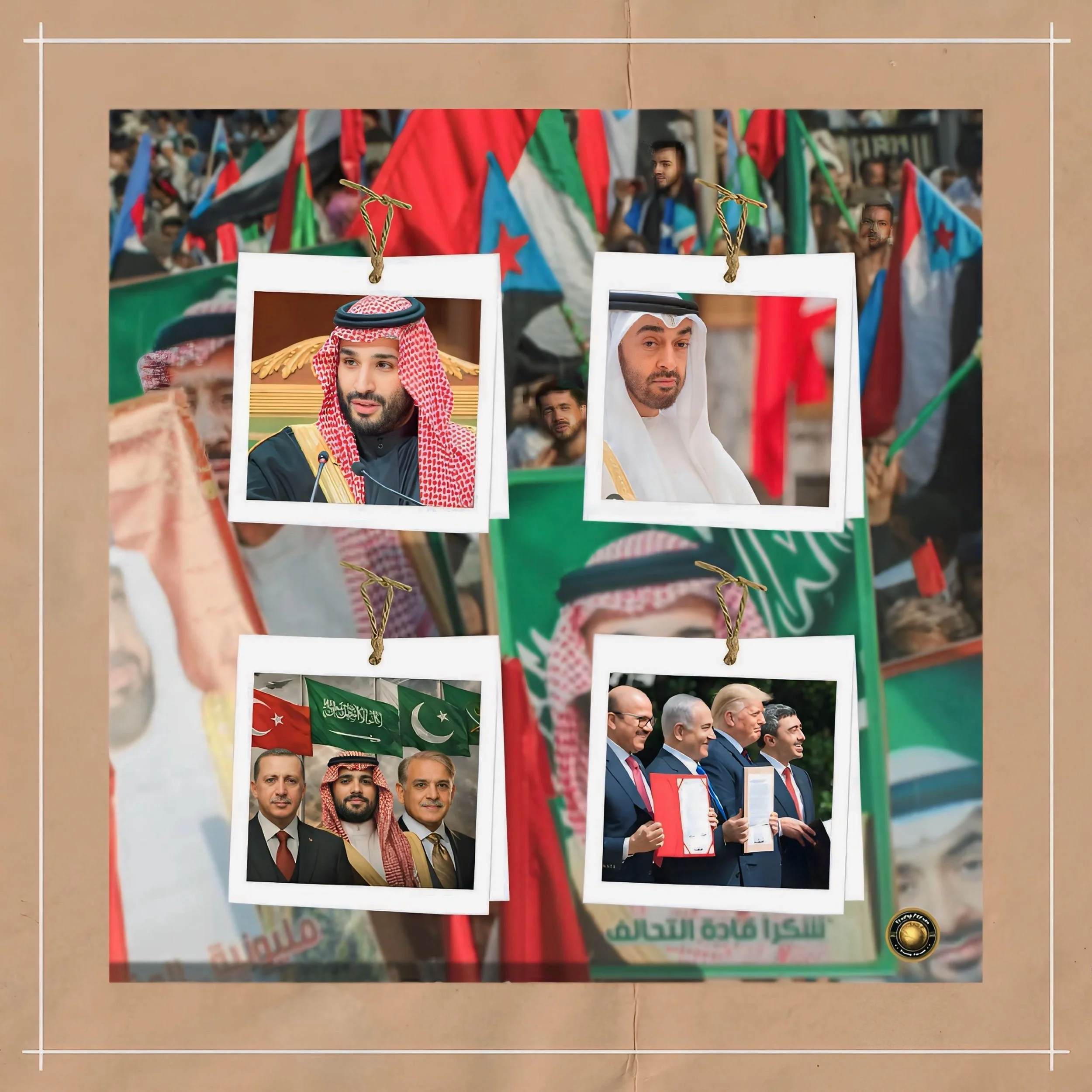
The first team is called the Abrahamic Coalition. It is led by Israel and the United Arab Emirates. The second team is becoming what people call the Islamic Coalition. It is led by Saudi Arabia, Turkey, and Pakistan.
These teams represent two completely different ideas about what the Middle East should look like and how countries should work together. This is much bigger than the daily news stories about Gaza or Iran.
The Abrahamic Coalition: Who Are They and What Do They Want?
The Abrahamic Coalition includes Israel and the UAE as its main leaders. Other members include Morocco, Bahrain, Sudan, and India.
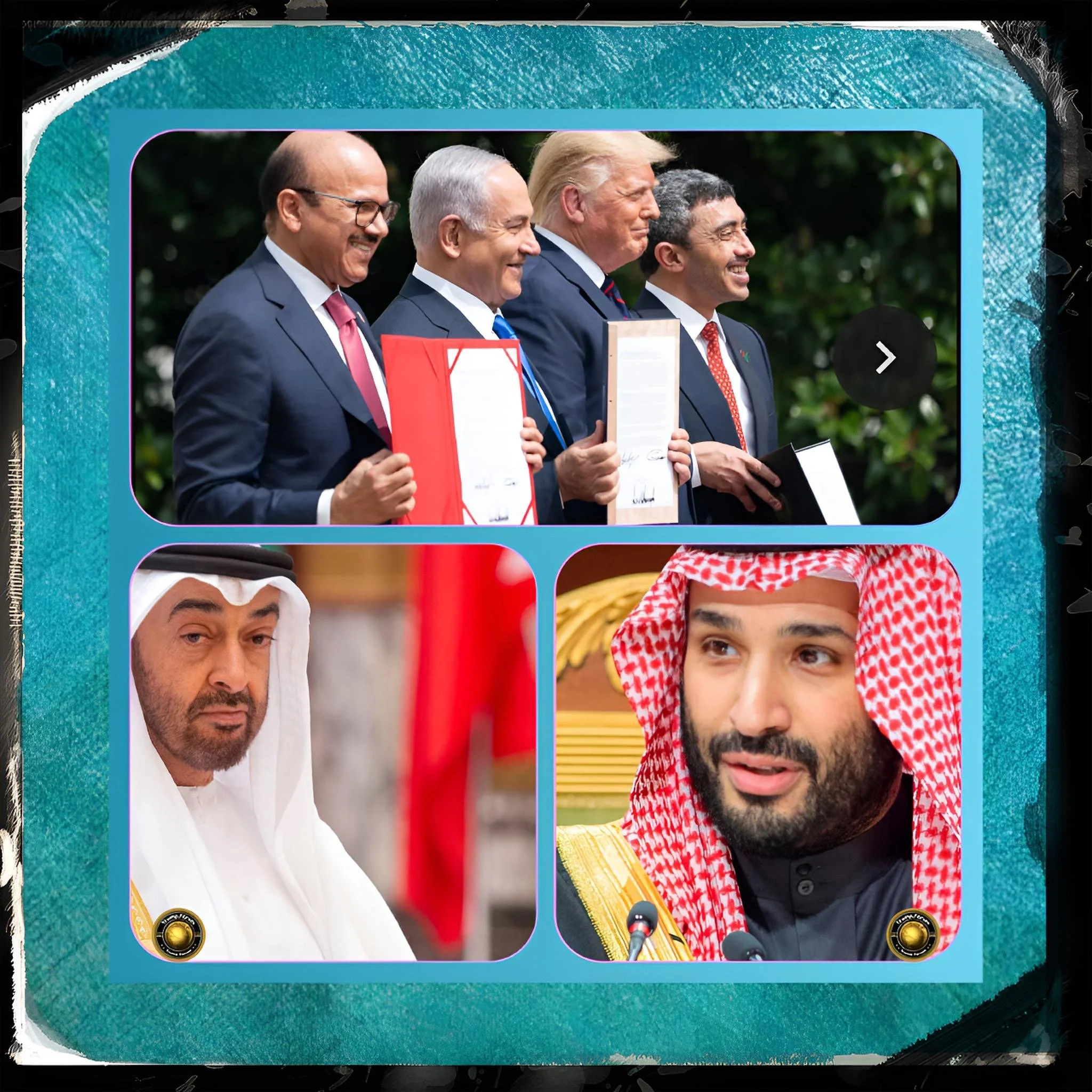
Think of Israel and the UAE as the captain and vice-captain of this team. They have been working together since 2020 when they signed something called the Abraham Accords, which was a major peace agreement. The name "Abrahamic" comes from Abraham, who is important in both Jewish and Islamic traditions.
This coalition wants to change the Middle East through military strength, new technology, and business partnerships. They believe that the old way of organizing the region has not worked and created too much space for groups they see as dangerous. They want to work together with advanced weapons, share technology, and trade with each other in new ways.
Let's look at how close Israel and the UAE have become. Today, airplanes fly between Tel Aviv and Dubai over 100 times every week. About 1.2 million people traveled between these two cities by late 2025. This is not a small connection—this is like visiting your neighbor every single day. Businesses in both countries are partnering on technology and building new products together. In 2025, they were discussing selling advanced drones made in Israel to the UAE, and the UAE would then manufacture these same drones locally. This shows how deeply their military and industrial sectors are intertwining.
India is another major player in this coalition. When the UAE President visited India in January 2026, they agreed to double their trade with each other to reach $200 billion over six years.
India is like a rising star in this team. India, the UAE, Israel, and the United States are working together through something called I2U2.
This team is also building economic corridors—basically new roads and ports—that connect India to Europe through the Middle East. This makes business easier and gives them more influence over global trade.
What does this coalition actually want to do?
They want to be more powerful than Iran and any groups they see as dangerous. They believe being strong militarily and technologically is the best way to keep peace and stability.
They are also willing to support separatist movements in neighboring countries if it helps them gain influence. For example, they supported certain groups in Sudan and Somalia and even had Israel recognize Somaliland as an independent country in December 2025.
This strategy of supporting local groups to control an area is sometimes called the archipelago strategy—imagine an explorer controlling different islands instead of one big continent.
The Islamic Coalition: The New Alternative
The Islamic Coalition came together to counter the Abrahamic team.
Saudi Arabia, Pakistan, and Turkey are the leaders. This coalition officially started in September 2025 when Saudi Arabia and Pakistan signed a defense agreement saying that if one country is attacked, the other will help them fight.
This is similar to how NATO works in Europe. Turkey joined talks to enter this alliance in early 2026, which surprised many people because Turkey and Saudi Arabia had been rivals for decades.
This coalition offers something different from the Abrahamic team. Pakistan brings nuclear weapons and a powerful military. Saudi Arabia brings money and regional influence. Turkey brings advanced weapons and military experience. Together, they are sometimes called an "Islamic NATO" because they are creating a military alliance based on Islamic identity and shared defense.
These countries are worried about the Abrahamic Coalition. They believe that team is destabilizing the Middle East by supporting groups that break countries into smaller pieces. They also worry that Israel is becoming too powerful and causing too much conflict in the region. The Islamic Coalition argues that countries should stay unified and that Muslim-majority countries should work together to protect themselves.
The crucial moment showing how serious this rivalry has become was in Yemen. Saudi Arabia and the UAE used to be allies fighting together against the Houthis, a group that Iran supports. But in December 2025, they started fighting each other in Yemen. Saudi Arabia even bombed trucks carrying weapons from the UAE.
This was shocking because they had been partners for years. This fight revealed that Saudi Arabia and the UAE have completely different ideas about what Yemen should become.
Saudi Arabia wants Yemen to stay as one country with one government, even if that government is weak. The UAE wants to control specific ports and cities in southern Yemen and doesn't care if the rest of the country falls apart. Think of it this way: Saudi Arabia wants to own a whole restaurant, while the UAE just wants to own the cash register. Their strategies crashed into each other.
When Did This Change Happen and Why?
For a long time, Arab countries disagreed with Israel, but this was changing slowly. Starting around 2020, several Arab countries decided that dealing with Israel was better than staying enemies. The UAE and Bahrain became the first Arab countries to officially accept Israel since the 1990s.
Then something changed the calculation.
On October 7, 2023, a group called Hamas attacked Israel, killing many people. Israel responded with massive military action in Gaza and then in Lebanon and Syria. Many Arabs who had been willing to accept Israel now felt uncomfortable with this strong Israeli military campaign. They saw Palestinians being hurt and started asking whether making peace with Israel was worth it.
Saudi Arabia, which seemed close to accepting Israel in 2023, suddenly said it would not until Palestinians got their own country. This was Saudi Arabia's red line—they would not cross it. The crown prince, who runs Saudi Arabia, looked at what was happening in Gaza and in the West Bank and decided it was not the right time to make a deal with Israel. He also noticed that being too close to Israel might make his own people angry because Muslims worldwide were upset about Palestinian suffering.
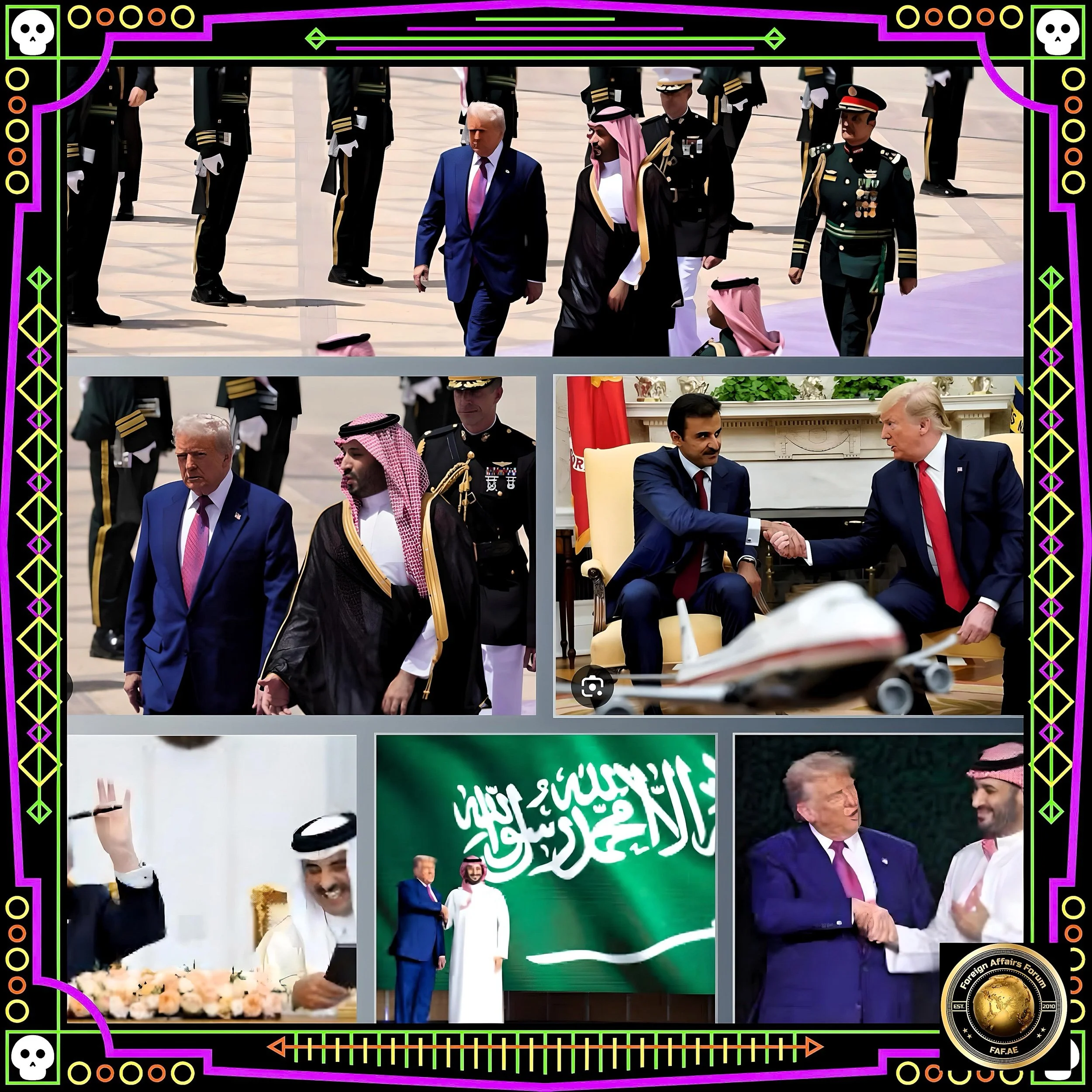
What was really important is that the Trump administration, which supports the Israel-led coalition, decided to not push Saudi Arabia too hard on this issue. They gave Saudi Arabia money for weapons, advanced technology, and security protection without demanding they recognize Israel. This meant Saudi Arabia could stay friends with America without joining the Abrahamic Coalition. This was a big change from how things worked before.
Now Saudi Arabia had the freedom to look for other partners. Pakistan was having security problems and wanted allies. Turkey wanted a bigger role in the region. All three of these countries felt nervous about the Abrahamic Coalition's power. They decided to form their own team.
The Competition Over Red Sea Ports and African Countries
To understand why the Saudi-UAE fight happened, you need to understand the Red Sea and Africa. Think of the Red Sea as a superhighway for ships carrying goods from Asia to Europe. Controlling ports in this area means controlling global trade. It is worth billions of dollars.
The UAE, which is small but very ambitious, built ports in different countries around the Red Sea. They control areas in the Socotra islands, the port of Mukalla in Yemen, and have influence in Somalia. They also support certain groups in Sudan and Somalia. By having these different ports and bases, the UAE can watch trade passing through and gain influence over the whole region. This is their archipelago strategy—controlling specific key points rather than trying to rule big areas.
Saudi Arabia looks at this and sees danger. Saudi Arabia is huge and sits right next to Yemen. If Yemen breaks into pieces, Saudi Arabia worries that unfriendly groups might control areas next to its borders. Saudi Arabia also wants to use ports in Yemen for its own trade plans. When the UAE-backed forces tried to take over southern Yemen in December 2025, Saudi Arabia felt threatened and attacked them militarily. Saudi Arabia won that fight and forced the UAE to leave some areas, but the conflict showed that these former partners are now genuine rivals.
This competition spills over into Somalia, Sudan, and other African countries. Both Saudi Arabia and the UAE are trying to build influence with these governments, offer military help, and control ports. When Israel recognized Somaliland as independent in December 2025, this was actually part of the same competition—it helped the UAE's interests because Somaliland is connected to the UAE's strategy.
What About Israel and Saudi Arabia Making Peace?
Many people thought Israel and Saudi Arabia would become official partners like Israel did with the UAE. This would have been huge—Saudi Arabia is the largest Arab country and controls the holiest places in Islam. Many people expected this deal to happen in 2023 or 2024.
But it has not happened, and it looks less likely now. Saudi Arabia says it will only accept Israel if Palestinians get their own country. Israel does not want to give Palestinians their own country. So this creates a wall that blocks the deal. Saudi Arabia's crown prince visited the United States in January 2026 and made clear that this position has not changed.
Some people think the Trump administration is accepting this. They are giving Saudi Arabia weapons, technology, and military help without demanding they recognize Israel. This tells Saudi Arabia—and other Arab countries—that you can have good relations with America without having to officially accept Israel. This is different from before, when America kept pushing Arab countries to accept Israel as the price for American friendship.
What Happens Next: The Future of the Middle East
The next few years will be decided by this competition between the two coalitions. Several things are likely to happen.
First, Yemen will probably stay divided. Instead of one Yemen under one government, there might be different parts controlled by different groups. The northern part controlled by the Houthis, the southern part divided between Saudi and UAE-backed forces, and maybe other pieces as well. This means Yemen will not work as a normal country. People will not have clean water, electricity, schools, or hospitals working properly. Disease and poverty will increase.
Second, the Red Sea will become a zone of competition between these two teams. They will race to control ports, influence neighboring countries, and watch ships passing through. This could make shipping more dangerous and expensive. Global trade could be affected because the Red Sea is how Europe gets goods from Asia.
Third, Saudi Arabia will keep working with Pakistan and Turkey to build its power. Turkey might officially join the defense agreement in 2026. If it does, this Islamic Coalition will control nuclear weapons, a large military, and a lot of money. This would make it a serious counterweight to the Israeli-American-Emirati team.
Fourth, India will become more important. The UAE and India are getting closer. India is buying weapons from Israel. India is working with the UAE on trade and security. India is also getting closer to the USA. So India becomes a crucial player in both the economics and security of the region. The Indo-Pacific becomes connected to the Middle East in new ways.
Fifth, the hope for Israeli-Saudi peace will probably not happen soon. Without that, the two coalitions will see each other as rivals rather than as competitors that might eventually work together. This makes the region less stable in some ways but more clear in other ways—countries know which team they are on.
Finally, America will keep supporting Israel and its coalition while also maintaining relations with Saudi Arabia and other countries. America cannot force everyone onto the Israeli team anymore. The best America can do is maintain good relations with both sides and try to prevent the competition from turning into direct war.
Why Does This Matter to the World?
This competition matters far beyond the Middle East. When Middle Eastern countries fight and divide, terrorism can grow because unstable areas are where terrorist groups hide. Trade routes get disrupted becausethat the Red Sea carries goods the whole world needs.
Oil prices go up when conflicts happen. Europe gets affected by conflicts in the Middle East because Europe needs stability and energy from that region. Asia gets affected because India and China have interests in the Red Sea and Africa.
The competition also shows how countries balance power when America is less willing to dominate. America used to be able to tell countries what to do by threatening to withdraw support. Now countries understand that they can keep American friendship even while joining other coalitions and supporting other countries. This gives them more freedom but also makes things less predictable.
Conclusion
A Divided Region
The Middle East is becoming more divided into two clear teams than it has been in recent years. The old idea that all Arab countries would eventually accept Israel and become partners with America and Israel is finished. Instead, countries are choosing which team they want to join based on their own security needs, their own values, and their own goals.
This new reality has good and bad sides. The good side is that countries are being honest about their interests instead of pretending to be friends while secretly competing. The bad side is that this clear division could lead to more conflict and suffering, especially in countries like Yemen that are caught between the two teams.
The Abrahamic Coalition has advantages in money, technology, and innovation. The Islamic Coalition has advantages in military power, nuclear capability, and religious connection. Both teams think they are right about what the Middle East should become. How this competition plays out in 2026 and beyond will shape whether the region moves toward more conflict or finds ways to manage competition without war.
For now, one thing is clear: the old Middle East, where Iran was the main problem and normalization with Israel was inevitable, is gone. The new Middle East is defined by two teams competing for power, influence, and control. Understanding which team each country has joined and why they joined it is the key to understanding what happens next in this crucial region.